10 predictions by Jesus that historically occurred
History is full of wild predictions, but some actually hit the bullseye. Talking about ancient religious figures can get heavy, but looking at the actual data is flat-out fascinating. The striking alignment of these ancient forecasts with documented Roman and Jewish records continues to baffle modern historians.
Prophecy is still a massive deal in the United States today. A Pew Research survey reveals that 47% of American Christians believe humanity is currently living in the end times. Plus, a solid 55% of all US adults believe a second coming will eventually happen.
But what about the predictions already in the history books? Here is a breakdown of ten remarkable predictions attributed to Jesus that actually came to pass, backed by historical and archaeological evidence.
The total demolition of the temple

Jesus famously predicted that Jerusalem’s grand temple would be completely leveled, leaving not one stone on another. His disciples were admiring the beautiful stonework when he dropped this absolute bombshell. It seemed impossible at the time, but the prediction came true with terrifying precision.
In 70 CE, the Roman army under Titus besieged Jerusalem and razed the entire temple complex. Secular scholars like Bart Ehrman agree that Jesus almost certainly made this prediction before his death. The famous Wailing Wall standing today is actually just a retaining wall, not the temple building itself.
The brutal siege of Jerusalem

The Lukan texts record a highly specific prediction that enemies would build a barricade around Jerusalem and hem it in on every side. This was a direct warning about the horrific consequences of political rebellion. History shows that this is exactly how the Roman military operated.
Titus ordered his legions to encircle the city, trapping hundreds of thousands of Passover pilgrims inside. The resulting famine and civil warfare inside the walls led to unspeakable suffering. The city was flattened so completely that it looked like it had never been inhabited.
The absolute ruin of Chorazin
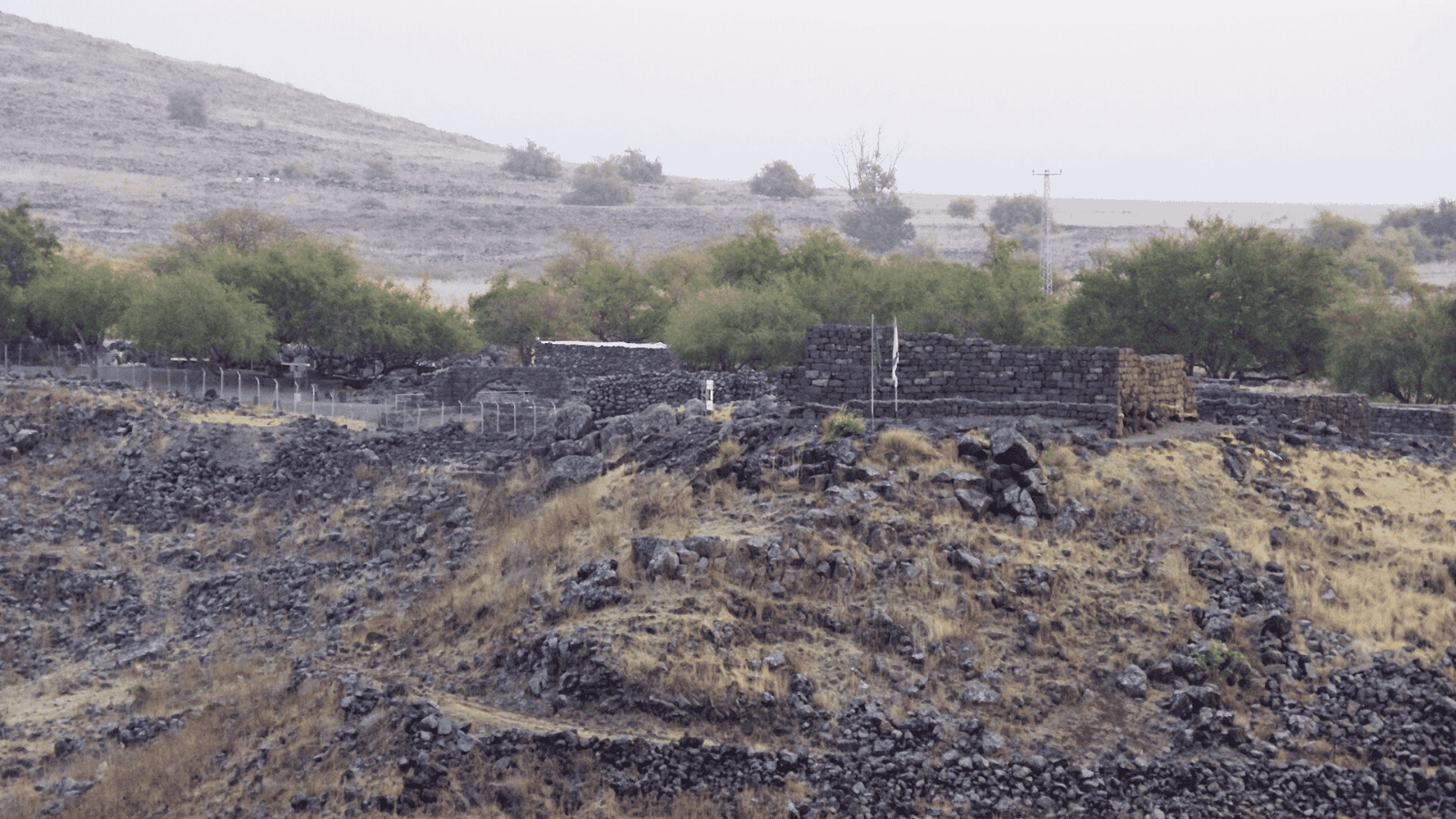
Jesus cursed the Galilean town of Chorazin, warning of severe judgment because the locals ignored his miracles. While it was famous for high-quality wheat in the ancient world, it didn’t last. Today, the town is a complete ghost town made of black basalt rocks.
An earthquake destroyed the rebuilt town in the late fourth century. The early church father Eusebius visited the site and confirmed it lay in total ruin. No one has lived there for centuries, proving the prediction of its desolation correct.
The disappearance of Bethsaida
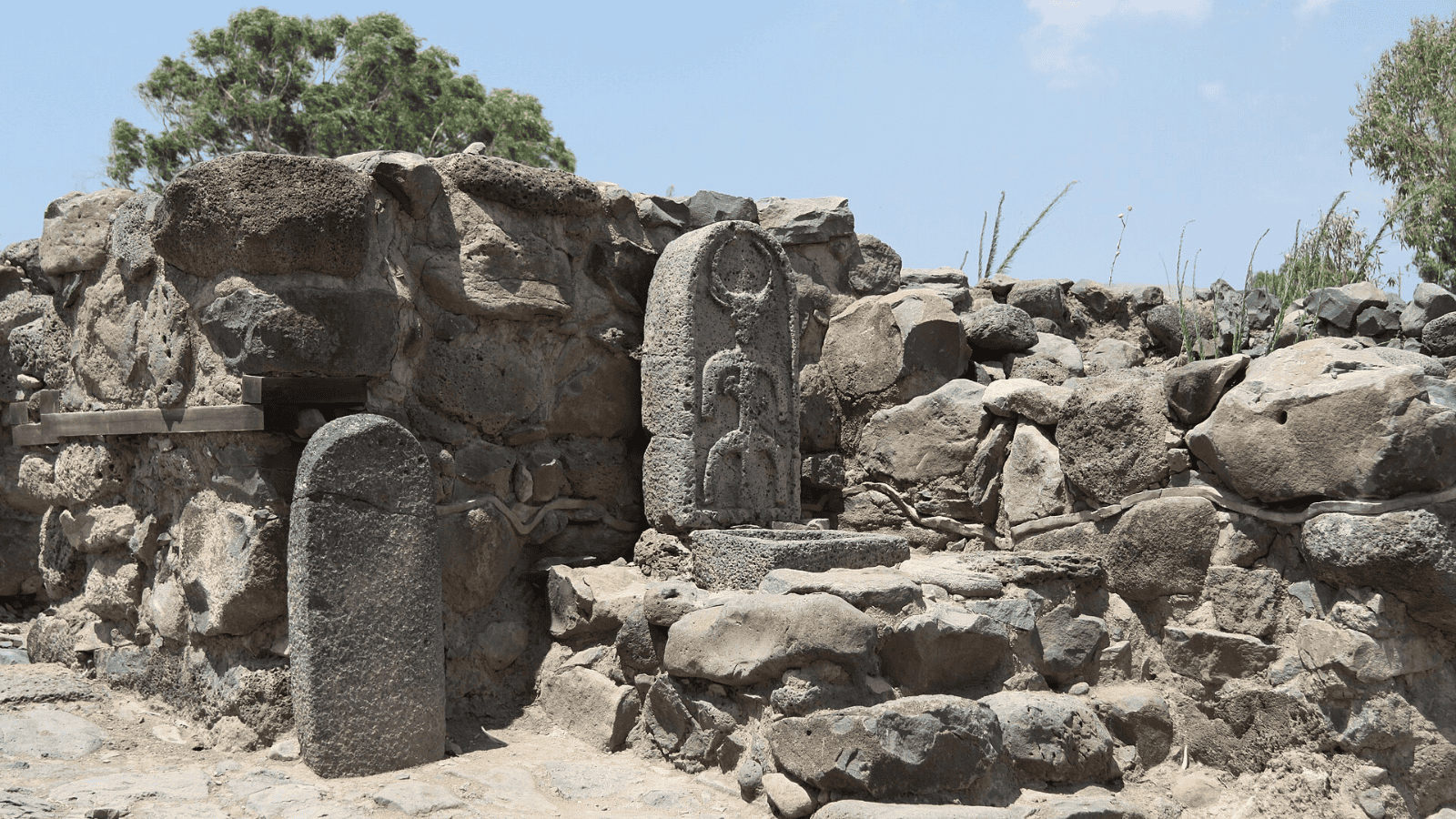
Bethsaida, the hometown of several apostles, was also cursed to fall into ruin. This prediction came to pass in a way that defied imagination. The town was hit by massive earthquakes and completely disappeared from the map for 1,700 years.
Its exact location was lost to history, sparking major debates among modern archaeologists. Researchers today still debate whether the real Bethsaida is at et-Tell or el-Araj. This complete erasure from history perfectly matches the ancient warning of judgment.
The total collapse of Capernaum
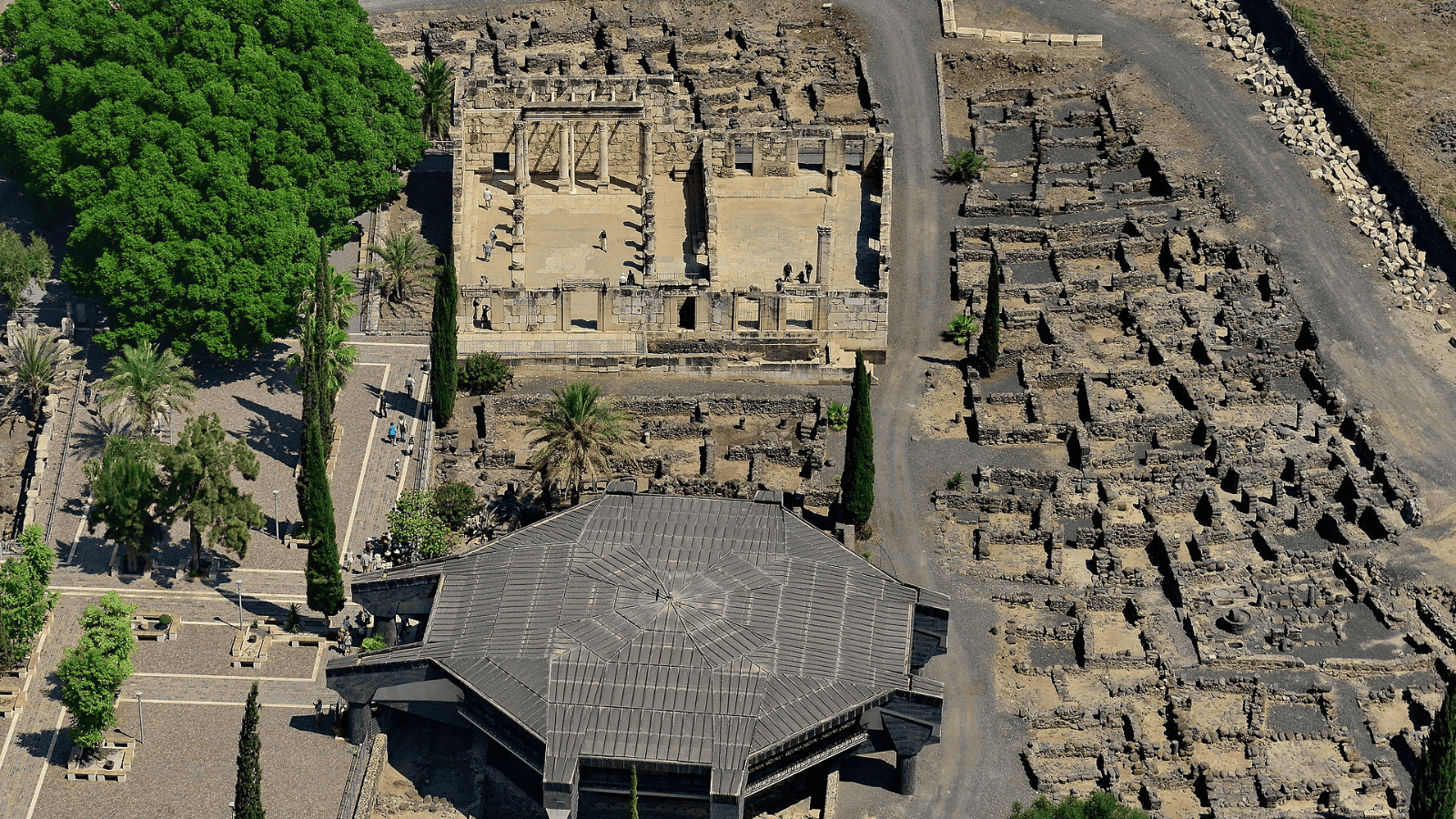
Capernaum served as Jesus’ ministry headquarters, yet it was warned that it would go down to the depths. This was a thriving trade hub situated along the international highway known as the Via Maris. Despite its prime location, the city eventually collapsed into oblivion.
Excavations show the city was completely abandoned by the 11th century. It was never rebuilt, leaving only ruins for tourists and archaeologists to explore.
The betrayal by a close friend

Jesus predicted that one of his own chosen disciples would hand him over to his enemies. Skeptics sometimes argue that this story was invented later to make a theological point. However, historians rely on the “criterion of embarrassment” to evaluate this claim.
It would have been incredibly embarrassing for the early church to invent a story about their leader being sold out by an insider. Dr. Bart Ehrman argues that Judas was likely a historical figure who provided the authorities with private teachings to secure an arrest. This painful betrayal stands as one of the most realistic moments in the gospel accounts.
Execution by Roman crucifixion

Jesus repeatedly predicted his own violent execution. At the time, Jewish law favored stoning, but he specifically indicated he would be executed by rulers. Historians of all backgrounds agree that his crucifixion is an indisputable historical fact.
Prominent agnostic scholar Bart Ehrman famously wrote that this execution is “one of the most certain facts of history.” Hostile non-Christian writers like Tacitus and Josephus also documented the execution. The horrific prediction of a public, humiliating death came to pass under Pontius Pilate.
The worldwide expansion of his message

Jesus predicted that his message would spread to every nation across the globe. When he died, his movement consisted of just a handful of terrified followers. Yet, the demographic explosion that followed is unparalleled in world history.
By 2020, the global Christian population had grown to an estimated 2.3 billion people. Pew Research shows that Christianity is the most evenly dispersed faith on the planet. What started as a tiny Galilean movement has successfully reached every corner of the earth.
Persecution and trial before rulers
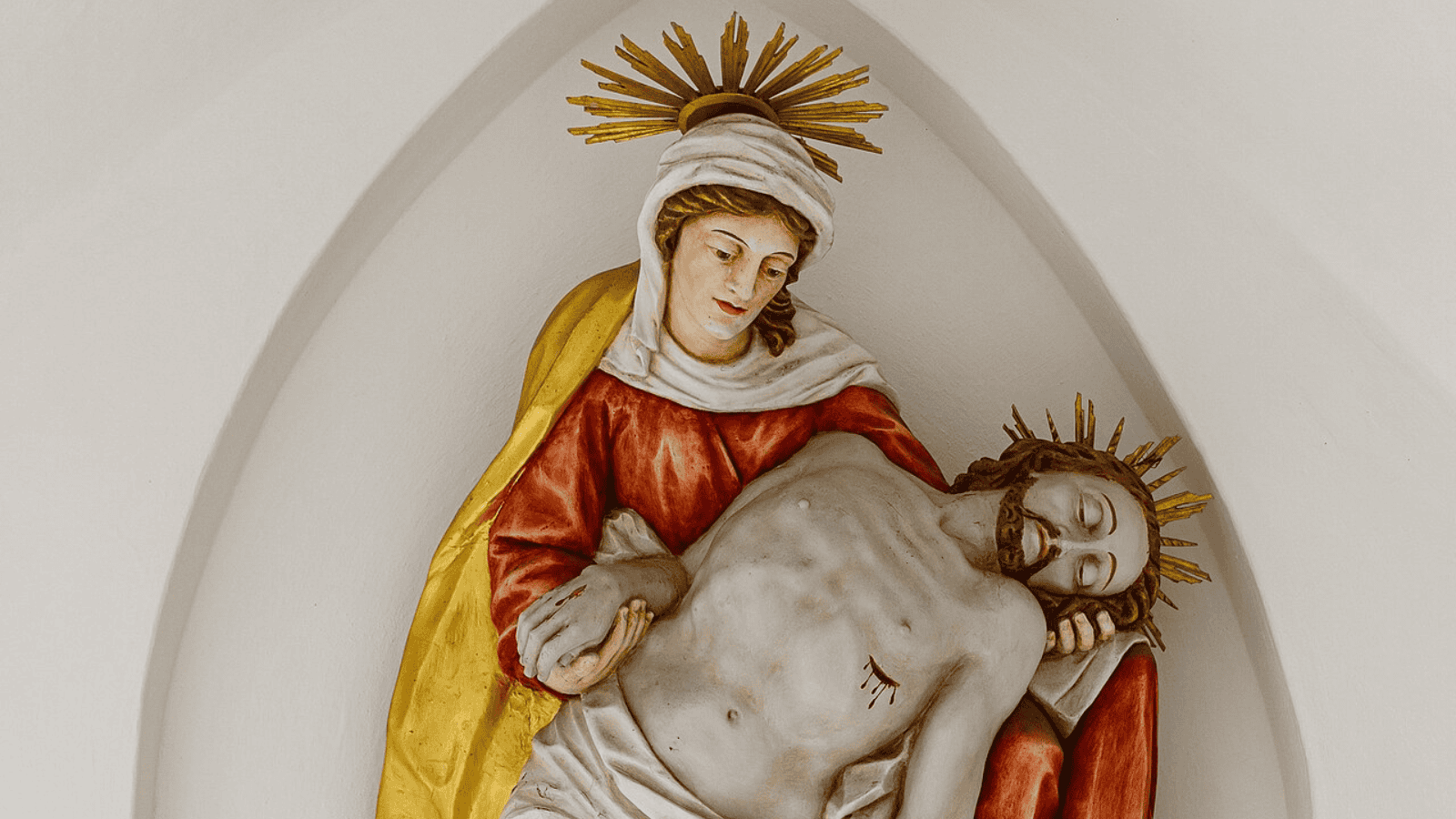
Jesus warned his followers that they would be arrested, beaten, and dragged before governors and kings. This was a grim outlook for a group of simple fishermen. But history proves that early Christians faced intense state-sponsored brutality.
Roman officials like Pliny the Younger wrote letters about putting Christians on trial. Emperor Nero famously used Christians as human torches to light up his gardens. The prediction of suffering and legal trials became a daily reality for his early followers.
The rise of rival messianic pretenders
Jesus warned his disciples to watch out for false messiahs who would claim to be the savior. During the tense decades leading up to the Jewish revolt, several charismatic figures did exactly that. Historians have documented these movements, which consistently led to absolute disaster.
Figures like Theudas and Judas the Galilean promised miraculous deliverances but were quickly crushed by Roman legions. Later, Simon bar Kokhba led a failed rebellion and was mocked as the “son of lies.” These failed movements proved that Jesus was spot-on about the rise of rival leaders.
Key takeaway

A careful look at secular history and archaeology reveals that these ten predictions were fulfilled with shocking accuracy. From the spectacular fall of Jerusalem to the physical abandonment of ancient cities, the historical record speaks for itself.
Whether one approaches this from a perspective of faith or historical curiosity, the impact of these events remains undeniable.
Disclaimer – This list is solely the author’s opinion based on research and publicly available information. It is not intended to be professional advice.
Like our content? Be sure to follow us