12 budget-killing spending habits that sneak up on you
Financial strain often isn’t caused by one big purchase but by countless small, seemingly harmless micro‑transactions. Streaming services, delivery fees, and impulse purchases quietly add up, slowly eroding savings and leaving many unaware of the cumulative impact.
Most of us imagine financial disaster as something dramatic: a luxury SUV, a last‑minute island trip, a wild swipe of the credit card. Those moments are easy to blame because you can literally point to the giant receipt. But for many people, the real damage is not one big explosion. It is a slow drip. A streaming service here, a delivery fee there, a “sure, why not?” at the checkout. These micro‑transactions feel harmless in real time and brutal when you finally open your banking app.
In fact, a 2024 LendingTree survey found that nearly 42% of Americans forgot they were still paying for at least one unused subscription, highlighting how easily small recurring costs quietly pile up over time. If your money could talk, it would probably not yell. It would just sigh and say, “I’m leaking.” Let’s talk about where, and what you can do about it.
The never‑ending sale season

Retailers do not want you to feel calm. They want you to feel like you are one click away from missing the deal of the century. That is why there is always some sale flash, clearance, VIP, friends‑and‑family, today only.
You tell yourself, “I saved 40%.” Your bank account says, “You spent $50 you did not plan on.” The discount only matters if you were already going to buy the item. Otherwise, it is just a clever way of getting you to move money from your account to theirs.
Protect yourself by flipping the script. Decide what you actually need before you open a shopping app. If the item was not on your list first, the “sale” is just noise. And when something does catch your eye, give it 24 hours. If it still matters after you sleep on it, then decide.
The Subconscious Subscription Leak
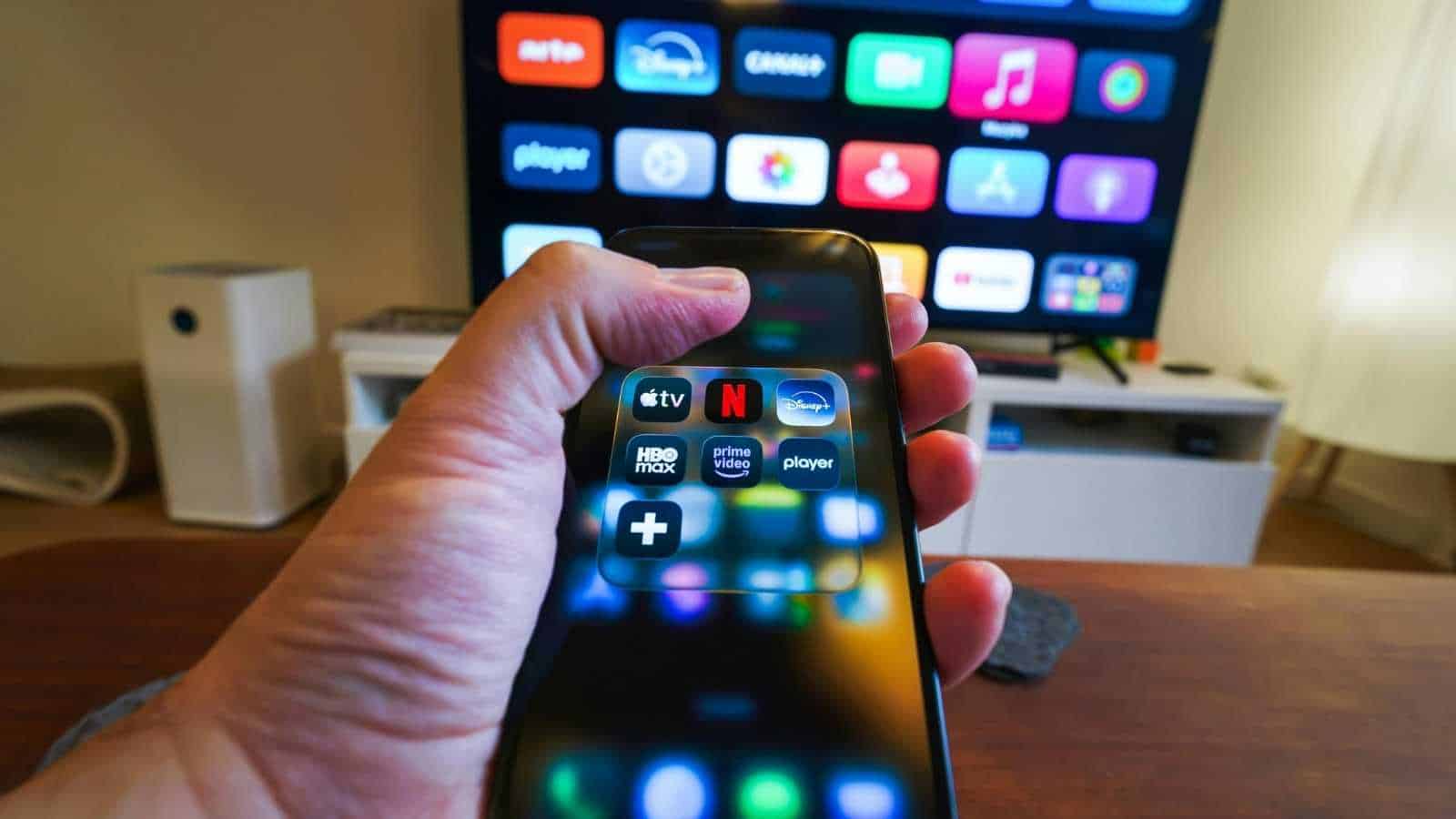
Think you have “a couple” of subscriptions? Open your bank statement and prepare to meet the full cast: streaming, music, cloud storage, fitness, language apps, maybe a meditation app you used twice during lockdown and never again.
The subscription economy runs on one thing: you forgetting it exists. Auto‑renewal is a business model. A poll from consulting firm West Monroe found that the average subscription total was about $ 273 per month, and every single person in the survey underestimated their own number.
That is more than 3,000 dollars a year, leaving your account in quiet, polite, automated chunks. No tantrums, just a quiet “Thank you for your payment.”
The convenience delivery trap

Delivery apps feel like magic. You tap your phone, and 45 minutes later, someone hands you tacos at your front door. On a long day, it feels like self‑care. Your bank statement tells a different story. Ordering through third‑party apps often means stackable service charges and delivery fees.
A Consumer Reports–featured analysis found that delivery services can push a 12‑dollar meal past 20 dollars, with an average delivery-app markup of roughly 79.5% compared with picking it up yourself. You think you are buying dinner; you are really buying convenience at luxury prices.
To stop this from torching your food budget, you need a new default. Reserve delivery for nights you plan ahead as a treat, not “I’m tired so I tapped a button.” Build easy backup meals into your grocery routine, so you have options that do not require a driver and a $9 fee.
The impulse add‑on habit

Retailers know exactly when your brain is at its weakest: right before you pay. That is why the checkout lane looks like a mini carnival: gum, gadgets, candles, random snacks, all conveniently under five dollars.
In that moment, you are not really deciding. You are just trying to get out of the store. Research on impulse buying suggests that unplanned purchases can make up 40% to 80% of spending in some categories. Those tiny extras rarely make your life better, but they absolutely make your bank balance smaller.
Your best defense is a pause button. Go in with a list and commit: if it is not on the list, it waits until next time. When something shiny tries to jump into your cart, tell yourself, “If I still want this tomorrow, I’ll come back.” Spoiler: You rarely will.
The daily premium drink loop

A fancy coffee or energy drink feels like a small reward, a pick‑me‑up after a rough morning, or a treat before a long meeting. Over time, it quietly turns into a daily requirement. A 2024 survey on coffee spending found that more than half of people spend up to $20 a month on cafe coffee.
That is the modest estimate. If your drink runs $6 or $7 and you grab it most days, you are likely sending hundreds, maybe over a thousand dollars a year to your local barista. You do not have to break up with coffee to fix this.
Invest once in a decent home setup, keep your morning ritual, and let the savings pile up quietly in your account instead of in someone else’s tip jar. Use coffee shops as a deliberate experience, for meetings, writing sessions, or social catch‑ups; not just automatic fuel.
The sneaky app‑upgrade spiral

App stores have turned “free” into a teaser trailer. You download something that works great, and then the nudges begin: remove ads, unlock premium, get more storage; all for “just a few dollars.” Because each upgrade is small, your brain files it under “irrelevant.”
But zoom out. Industry reports show that those tiny digital purchases and micro‑transactions now generate billions of dollars, with in‑app spending becoming a completely normal behavior. A lot of that money comes from people who barely remember saying yes in the first place.
Think of your phone like a tiny business you manage. Once a month, open your subscription settings and audit them as a CFO would. If you cannot say when you last used an app or why the upgrade makes your life easier every week, cancel it and let the default version do its thing.
The bulk‑store illusion

Warehouse clubs are built to make you feel like a responsible adult. The big cart, the giant packages, the towering shelves; it all screams, “Look at these savings!” Sometimes the deals are real. Sometimes you are just stockpiling future garbage.
Global estimates from the UN’s Food and Agriculture Organization suggest that about one‑third of food produced for human consumption is wasted before it is eaten. That “bargain” 48‑pack of yogurt does not help your budget if half of it expires at the back of your fridge.
When you shop in bulk, focus on unit price, not box size. Buy large quantities only for items you know you will actually finish; think rice, pasta, cleaning supplies, not novelty snacks. And when in doubt, split the haul with a friend so the discount doesn’t go to waste.
The “free shipping” mind game

E‑commerce knows your weak spot: the phrase “Add $X more to get free shipping.” Suddenly, you are scrolling for something, anything, to toss in the cart so you do not have to pay a $5 fee. You are not alone.
Studies on online pricing show that flat fees and free shipping thresholds can significantly change how much customers add to their carts, often pushing them to spend more overall to avoid a small charge. “Free” is doing the heavy lifting, not logic.
The fix is painfully simple: do the math. Compare “cart plus shipping” to “cart plus extra stuff.” If the shipping total is lower, pay it and move on. If you truly hate paying for delivery, keep a list of planned purchases and only chase free shipping when you were already going to buy those items anyway.
The untracked lunch outflow

A quick office lunch does not feel like a financial decision. It feels like sanity: a break from your desk, a chance to talk to coworkers, something to look forward to when the morning drags. But those “little” lunches are no longer cheap.
A 2026 report highlighted by Food & Wine found that daily office diners in major cities can spend about $5,664 a year on buying lunch, while bringing food from home averages roughly $5.50 per meal. That difference is basically a starter emergency fund or a credit‑card payoff.
You do not have to ditch social lunches entirely. Just give them boundaries. Set a weekly limit; maybe two or three buy‑out days, and treat the rest as non‑negotiable “bring from home” days. Your budget will be better off when money stress doesn’t tag along with every sandwich.
The digital tipping creep

Touchscreen payment terminals have quietly changed how we tip. You order a simple counter coffee, and the screen flips around with giant buttons: 18%, 20%, 25%. “No tip” is there too, but it looks like the shame button.
It is not in your head. Research on digital prompts shows that preset tipping suggestions, often starting around 18–20%, can induce guilt and nudge people toward higher amounts than they would normally choose. The design is doing half the tipping for you.
Instead of letting a tablet decide, set your rules before you walk up. Maybe you tip on table service and delivery, but not on basic counter pickups. When the screen spins, pick the option that matches your values, not your anxiety. You are allowed to be generous on purpose, not by default.
The cheap‑stuff replacement loop
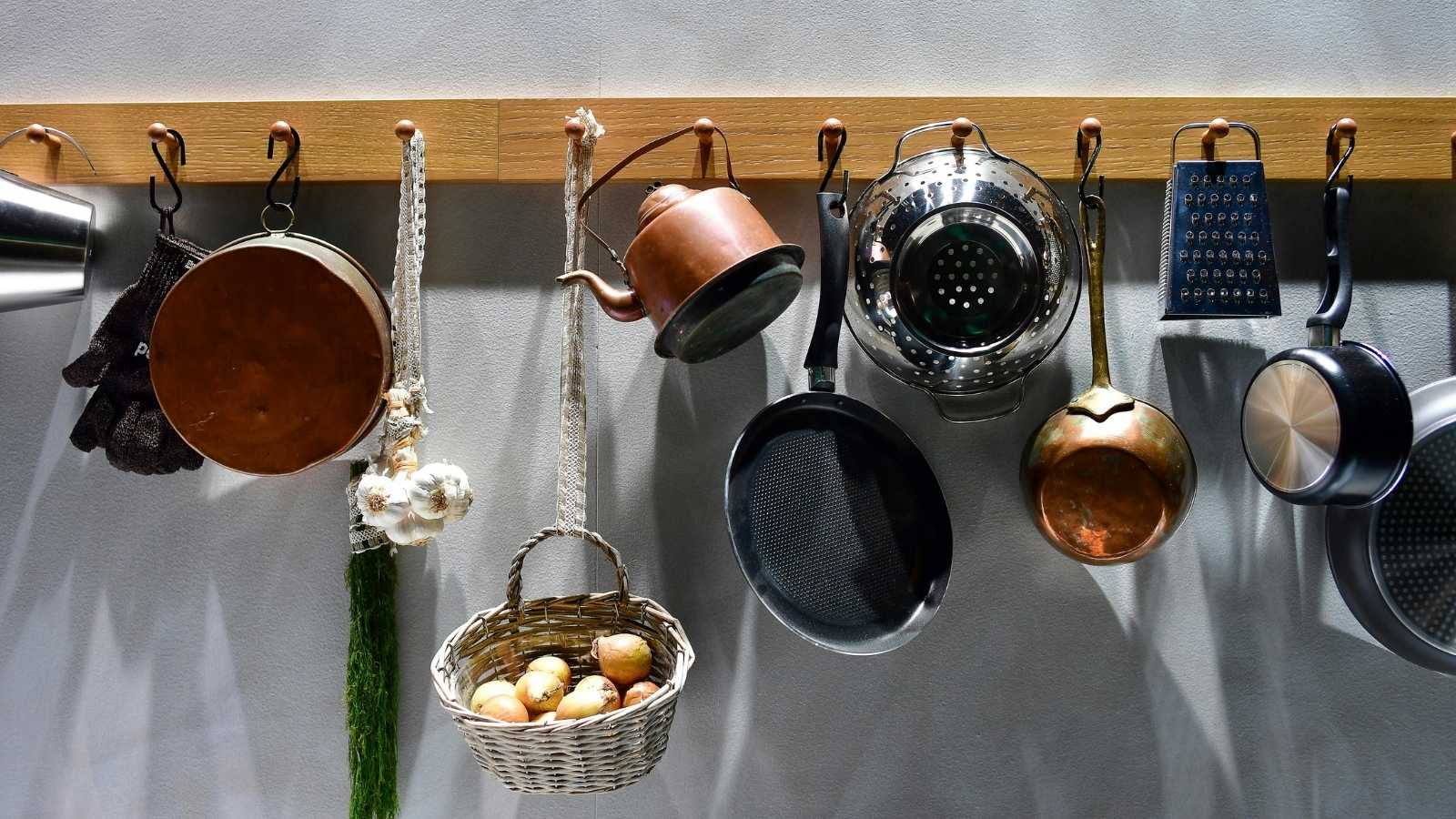
Grabbing the cheapest version of something feels like a win, at least in the checkout line. A few months later, when it breaks, and you are buying the same thing again, it is less impressive.
That $12 pan you replace twice a year ends up costing more than a $60 pan that lasts five. The “deal” only looked good because the pain was split into smaller, forgettable chunks. To escape this loop, think in terms of cost per use. Divide the price by how many times you will realistically use the item.
Often, the higher‑quality choice ends up cheaper over time. Start by upgrading the gear you rely on daily: shoes, cookware, kids’ essentials; so your budget supports the life you actually live, at home, in parenting, and across your career.
The lifestyle benchmark upgrade

In theory, a raise or a career breakthrough should be your ticket to breathing room: more savings, more options. In practice, what often happens is this: You earn more, you upgrade the car, the apartment, the wardrobe, and suddenly you feel just as broke, only with nicer stuff.
That is lifestyle creep, and it is relentless. The hedonic treadmill makes new comforts feel “normal” faster than you realize. A simple rule can change everything. Before a raise hits your account, decide what percentage is going straight to savings, investments, or debt payoff.
Automate that transfer so your lifestyle only rises on purpose, not by accident. That way, every promotion turns into a permanent upgrade for future‑you, not just a bigger monthly bill.
Key Takeaways
Subconscious subscriptions, padded delivery orders, unplanned lunches, and guilt‑driven tips do not feel like financial emergencies. But together, they can easily add up to thousands of dollars a year, money that could be building your safety net instead of someone else’s revenue stream. You do not need to cancel every pleasure or live on rice and resentment. What you need is awareness, a few simple rules, and the courage to ask, “Is this little habit quietly costing me big?” Fix the micro leaks, and the macro picture of your money starts to change fast.
Disclaimer: This list is solely the author’s opinion based on research and publicly available information. It is not intended to be professional advice.
Like our content? Be sure to follow us