11 subtle signs of lupus many people miss
Your body may start whispering before it ever screams. One day, you feel drained for no clear reason. Another day, your joints ache, your skin reacts to sunlight, or your hair starts shedding more than usual.
It is easy to blame stress, hormones, poor sleep, or a packed schedule. That is why lupus can slip under the radar for so many women. The CDC estimates that about 204,000 people in the U.S. live with systemic lupus erythematosus, the most common form of lupus.
Still, many people do not connect the early clues because lupus can mimic everyday health problems. Paying attention to these subtle signs can help you ask better questions, seek care sooner, and take your symptoms seriously before they grow louder.
Fatigue sticks around
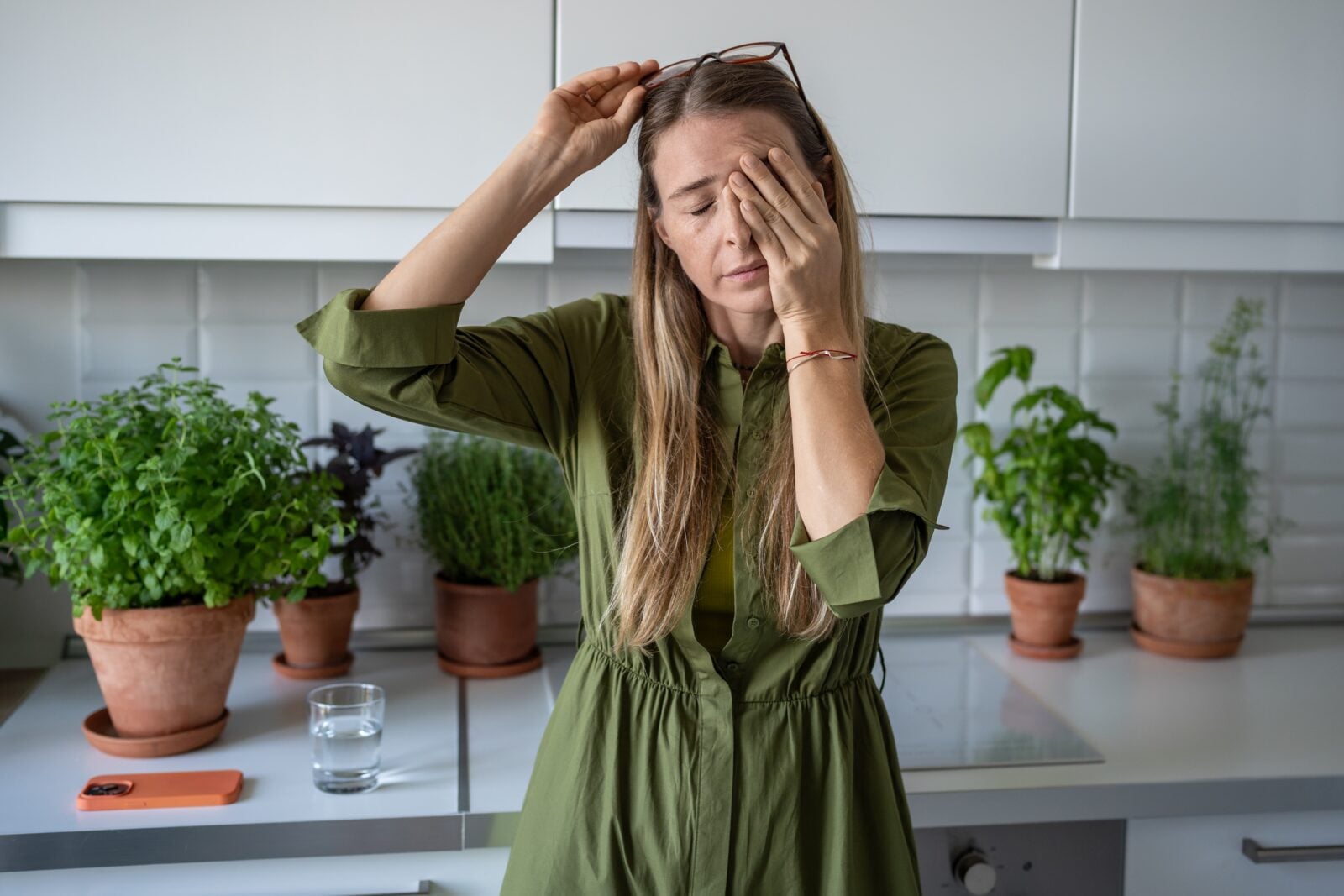
Lupus fatigue can feel like someone quietly unplugged your battery overnight. You may sleep, rest, sip coffee, and still feel like your body refuses to reboot. The Johns Hopkins Lupus Center reports that 90% of people with lupus experience fatigue and malaise at some point, making this symptom hard to ignore once it becomes a pattern.
Many women first blame work stress, parenting, poor sleep, or busy schedules. That makes sense, but lupus fatigue often feels deeper than ordinary tiredness. If exhaustion keeps returning with aches, rashes, fevers, or swelling, your body may need a closer look.
Joints ache early

Joint pain can sneak up on you, especially in the hands, wrists, knees, ankles, or feet. It may feel worse in the morning and then loosen as the day goes on. Hospital for Special Surgery reports that about 95% of patients with lupus experience joint symptoms, including arthritis or joint pain, during the course of the disease.
Lupus joint pain often affects both sides of the body, so both wrists or both knees may be affected at once. The swelling can remain mild, leading people to brush it off as overuse or aging. If the ache keeps moving around or returns without a clear reason, mention that pattern during a medical visit.
Rashes keep returning
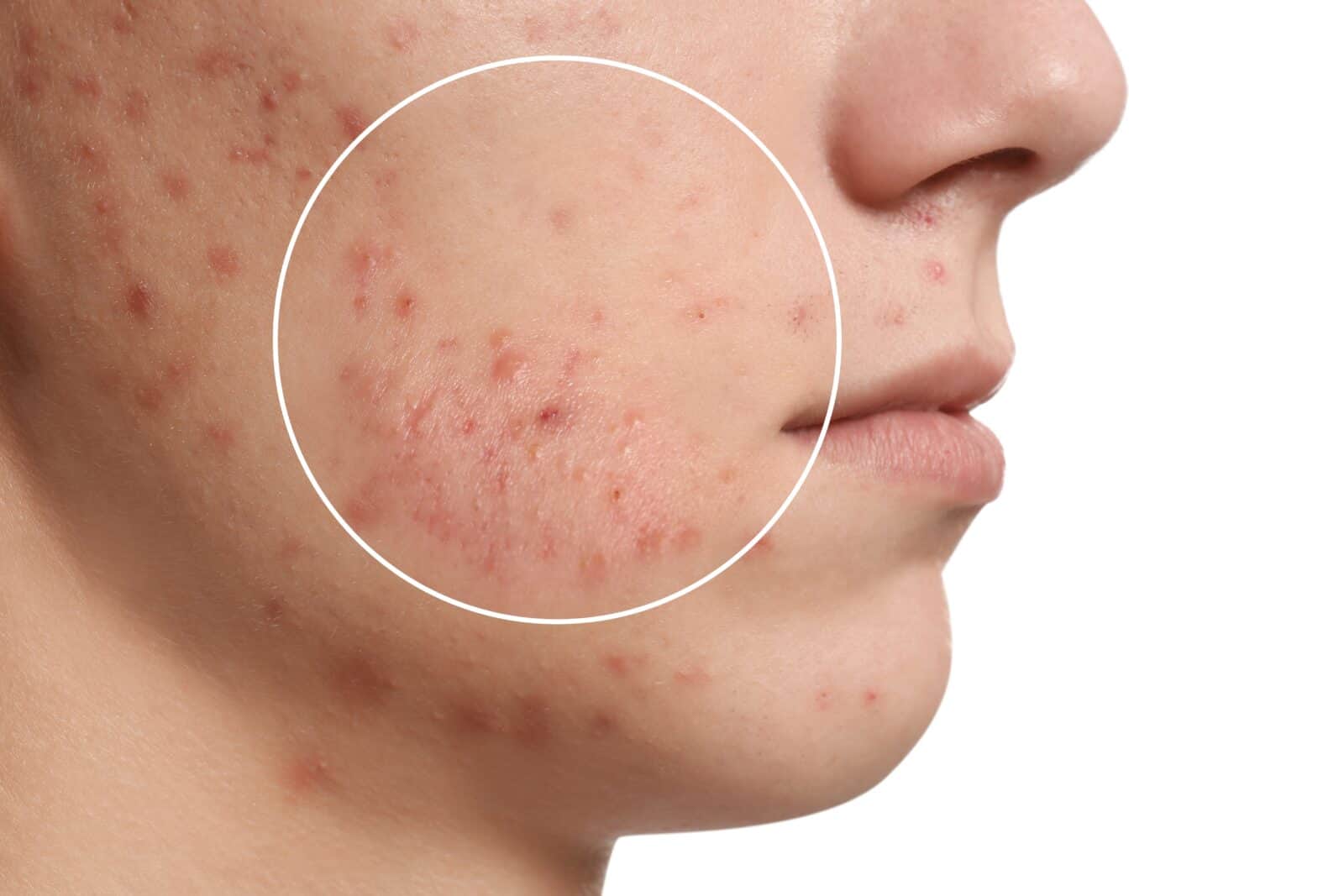
A rash that flares, fades, and pops back up can carry more meaning than a random skin tantrum. Lupus can cause several skin changes, including the well-known butterfly rash across the cheeks and nose.
Some rashes look red, raised, scaly, brown, purple, or irritated, depending on skin tone. Makeup, skincare products, allergies, and heat can all confuse the picture. A recurring rash deserves attention, especially if it occurs with fatigue, joint pain, mouth sores, or low-grade fever.
Sunlight hits harder

A sunny afternoon should not leave you feeling like you lost a wrestling match with the sky. In lupus, ultraviolet light can trigger rashes, fatigue, headaches, and full-body flares.
Many women first blame sensitive skin or a bad sunscreen. If sun exposure keeps causing rashes or flu-like crashes, ask a clinician about photosensitivity and autoimmune screening.
Hair starts thinning

Hair changes can feel personal, emotional, and very easy to explain away. Stress, hormones, postpartum shifts, thyroid issues, styling damage, and nutrition can all affect hair. Still, lupus can also inflame the scalp and disturb hair growth.
A review in the National Library of Medicine reports that hair loss occurs in more than half of people with systemic lupus erythematosus at some point. The shedding may look like general thinning, brittle strands, breakage around the hairline, or patchy loss. If hair loss is accompanied by scalp redness, rashes, joint pain, or deep fatigue, bring the full symptom picture to a healthcare professional.
Mouth sores return
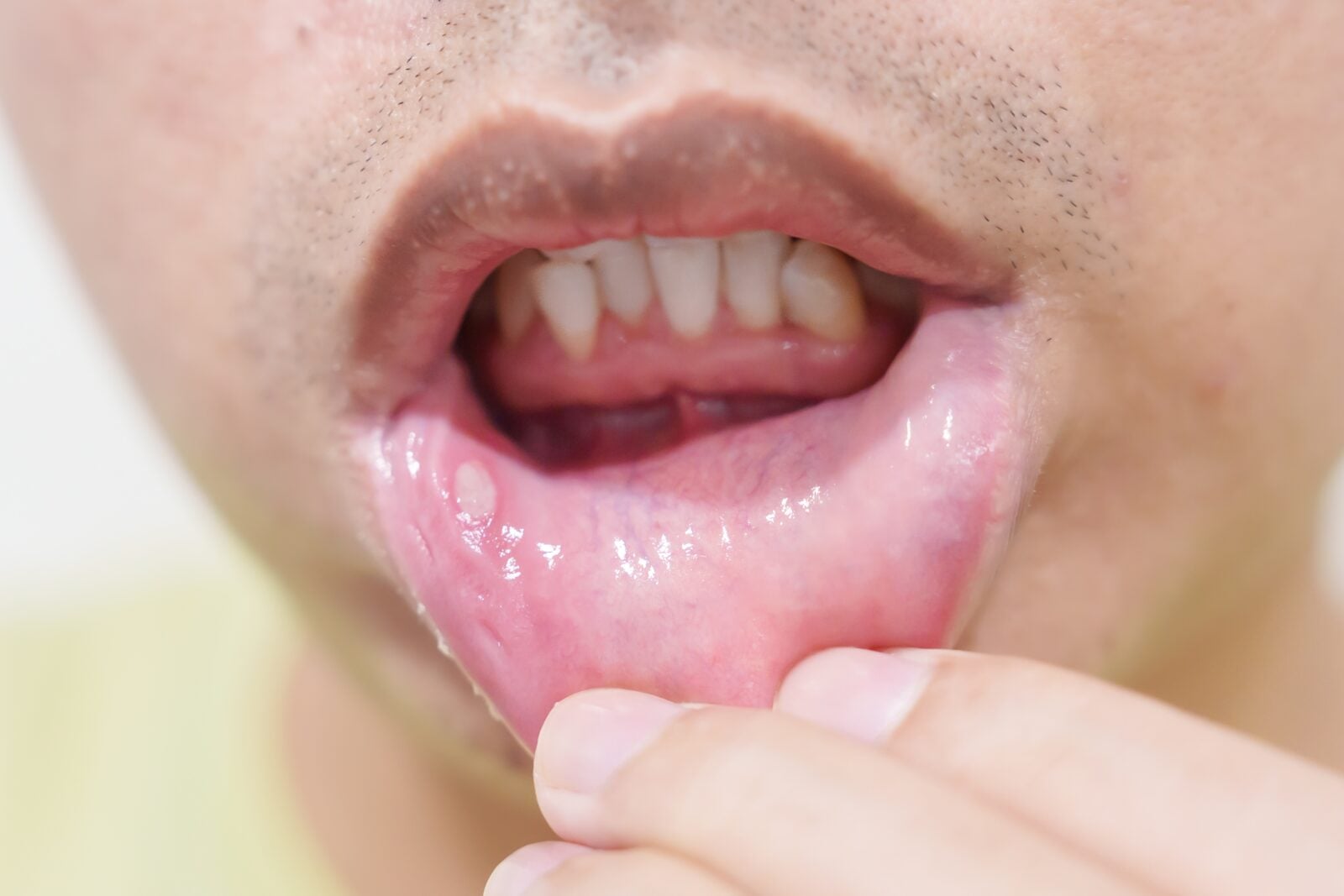
Tiny sores in the mouth or nose may seem too small to matter, but they can help connect the lupus dots. These sores can appear on the roof of the mouth, inside the cheeks, along the gums, or inside the nose.
They may heal, return, and disappear again before your next appointment. Take a quick photo if they show up, because that small detail may help your doctor see a bigger immune pattern.
Fevers come and go

A low-grade fever can feel annoying rather than alarming, especially if it disappears before you make an appointment. Lupus can cause inflammatory fevers, and those fevers may come and go without a clear infection.
Many people describe it as feeling flu-ish, chilled, sore, or strangely wiped out. The temperature may hover low enough that you keep pushing through your day. Track the dates, numbers, and other symptoms because a simple fever log can help a clinician spot patterns faster.
Breathing feels sharp

Chest pain with deep breathing needs attention, even if it feels mild at first. Lupus can inflame the lining around the lungs or heart, which may cause sharp pain, pressure, shortness of breath, or discomfort that worsens when lying down. Mayo Clinic lists chest pain and shortness of breath among the symptoms of lupus in its 2025 medical review.
This symptom can also point to urgent problems, including infections, blood clots, or heart disease. Do not try to tough this one out at home. If breathing feels painful, tight, or suddenly difficult, seek prompt medical care and mention any other lupus-like symptoms.
Swelling shows up
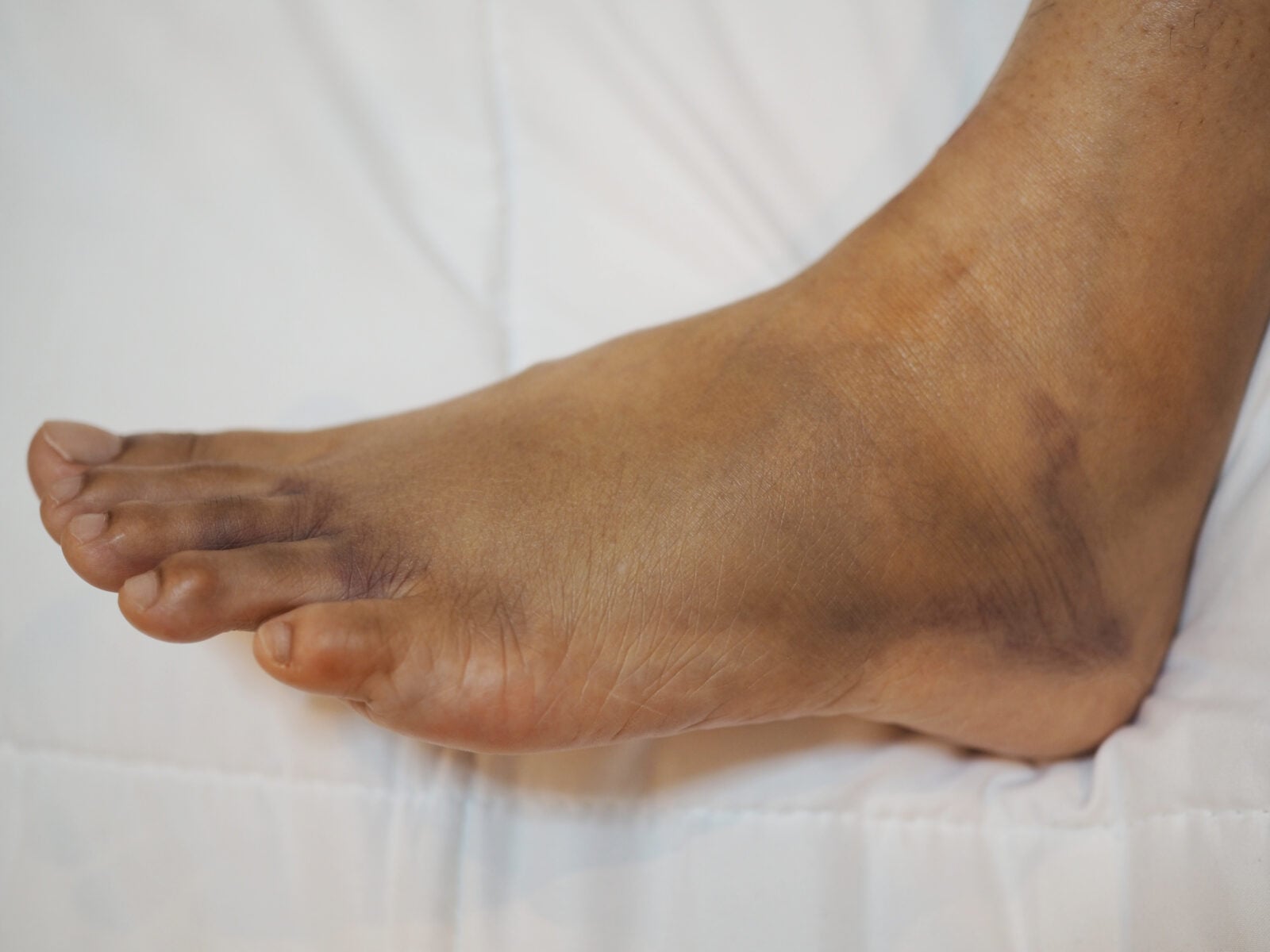
Puffy feet, ankles, hands, or eyelids can look like salt, heat, travel, or hormones at first. In lupus, swelling may signal kidney inflammation called lupus nephritis. NIDDK explains that lupus nephritis can cause foamy urine, edema in the legs, feet, or ankles, and high blood pressure.
That matters because kidney problems can stay quiet in the early stages. You may first notice tight rings, sock marks, shoes that feel snug, or morning puffiness around the eyes. If swelling keeps returning, especially with fatigue, rashes, or changes in urine, ask about urine and blood tests.
Brain fog lingers

Brain fog can make a normal day feel like your thoughts keep buffering. You may forget words, lose your train of thought, reread the same line, or miss appointments you meant to remember.
Stress, poor sleep, pain, anxiety, and hormones can all muddy the picture. Still, brain fog that arrives with fatigue, rashes, fevers, or joint pain deserves more than a shrug. Tell your clinician exactly how it affects work, driving, school, parenting, or daily tasks.
Glands feel swollen

Swollen glands can make you think of a cold, sore throat, or simple infection. Sometimes that is exactly what they mean. Cleveland Clinic’s 2025 lupus overview lists swollen glands among common lupus symptoms, along with fever, fatigue, hair loss, mouth sores, shortness of breath, and swelling in the arms, legs, or face.
Lupus can activate the immune system throughout the body so that lymph nodes may react during flares. The swelling may show up in the neck, armpits, or groin. If glands stay enlarged, feel hard, grow quickly, or come with weight loss, fever, night sweats, or other symptoms, get checked promptly.
Key takeaway

Lupus often hides behind symptoms many women already explain away, including fatigue, joint pain, rashes, sun reactions, hair thinning, mouth sores, swelling, and brain fog. The pattern matters more than any single symptom. NIAMS says lupus can mimic other disorders, and no single test diagnoses it, so a clear symptom history can help doctors decide what to test next.
Keep notes, take photos of visible symptoms, track fevers, and note any recurring changes, even if they seem small. Early evaluation can help protect the skin, joints, kidneys, heart, lungs, brain, and blood. If your body keeps whispering the same warning, listen before it has to shout.
Disclaimer – This list is solely the author’s opinion based on research and publicly available information. It is not intended to be professional advice.
Like our content? Be sure to follow us.