10 massive myths about American slavery that most citizens still believe
It is easy to get comfortable with the simplified “Disney version” of American history, but the real story is far more complex. Unfortunately, this watered-down narrative hides the harsh realities of the past.
A groundbreaking report by the Southern Poverty Law Center reveals that modern classrooms and textbooks are failing to teach the true history of slavery. Average history textbooks scored a dismal 46 percent on basic historical accuracy and depth. This massive educational gap leaves millions of citizens believing in romanticized fictions rather than historical facts.
Understanding the nation’s true origin requires directly dismantling these persistent myths.
Slavery was only a southern problem
Slavery was a national institution that shaped the economic fabric of the entire country. Northern trading hubs like New York and Rhode Island profited immensely from the slave trade. Even after the Revolution, northern states took decades to phase out bondage.
For instance, New Jersey still held hundreds of enslaved people at the very end of the Civil War. Northern textile mills directly relied on southern cotton picked by enslaved hands to fuel their industrial boom. The entire nation was built on the back of this exploitation.
All white southerners owned enslaved people
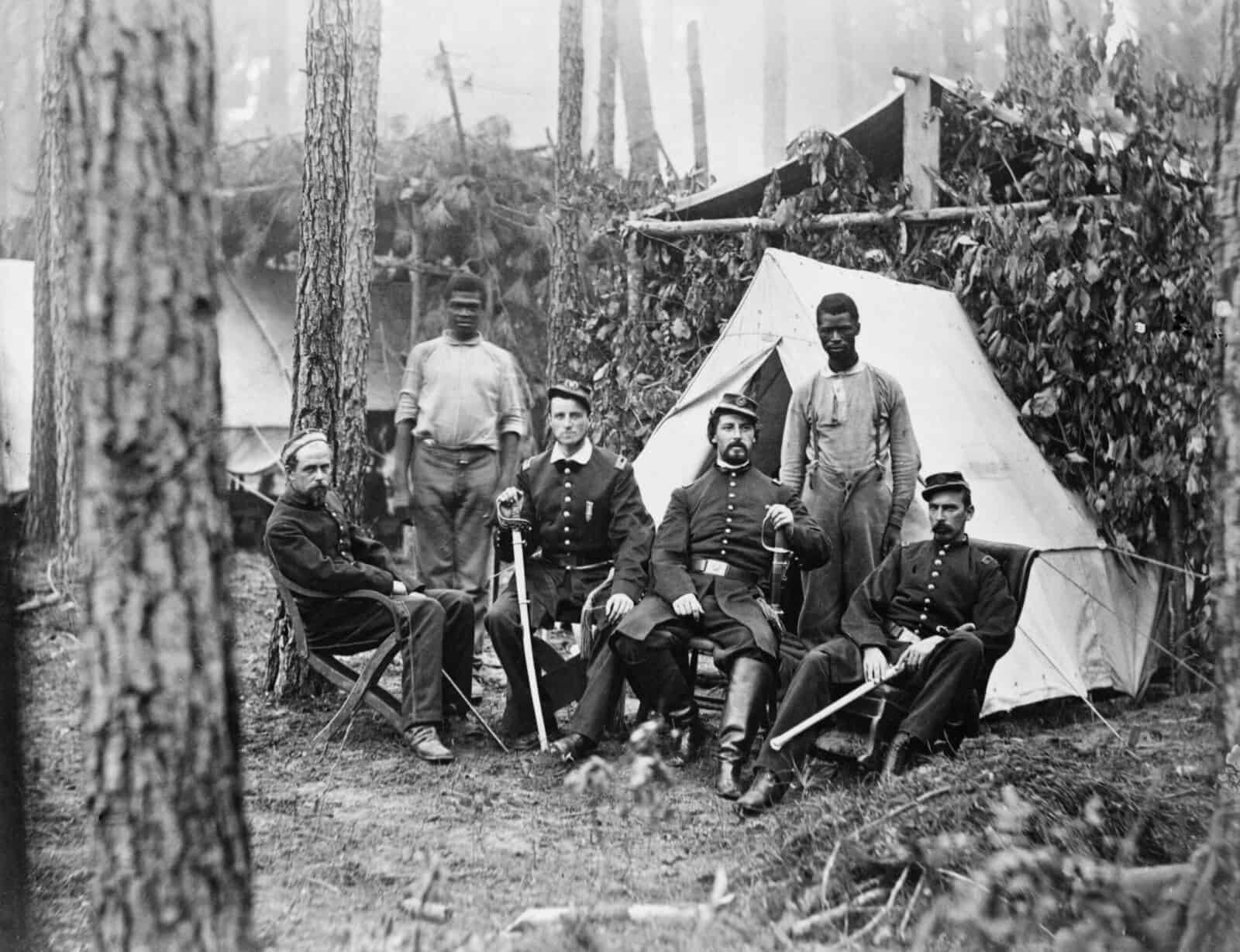
The image of the massive plantation with hundreds of enslaved laborers is actually a historical outlier. Only about 25 percent of all southern families actually owned enslaved people. Half of those slaveholders held fewer than five people.
Yet, this wealthy minority completely dominated the political and economic landscape of the South. In Texas, for example, the slaveholding minority controlled more than half of the government positions and wealth.
Slave labor only occurred on rural plantations
Forced labor wasn’t restricted to cotton fields and rural farms. During the eighteenth and nineteenth centuries, enslaved people worked in almost every economic sector. They built cities, worked in factories, labored in shipyards, and operated as highly skilled artisans.
In northern cities, slave labor was highly integrated into commercial trades and shipbuilding. This versatility made the system highly lucrative across urban and industrial spaces.
The system was as much industrial as it was agricultural.
Enslaved people were generally treated well
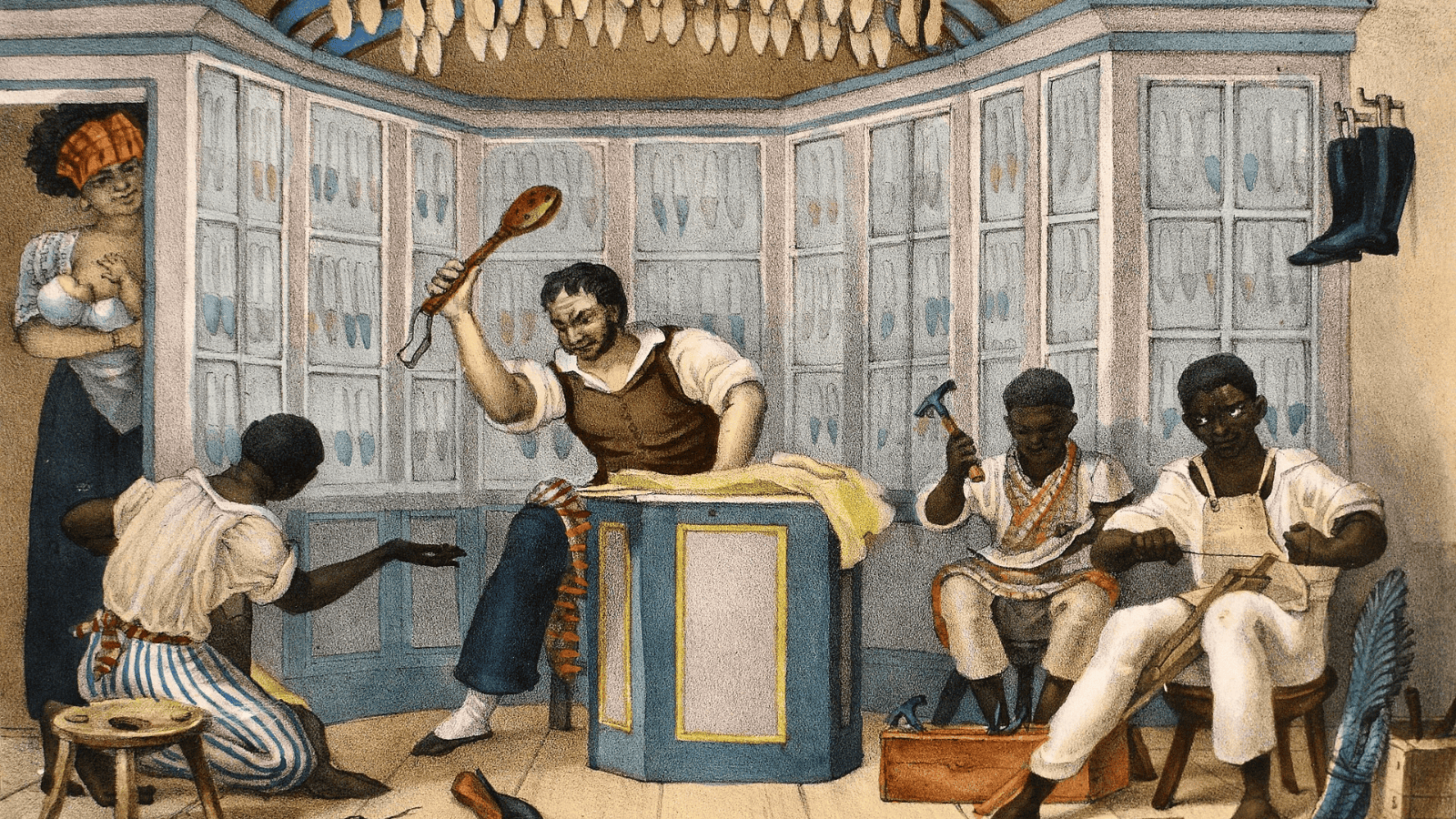
It’s historically contradictory to claim that a person could be treated well while being kept in chains. By law, chattel slavery reduced human beings to mere personal property. Enslavers possessed complete legal authority to assault, abuse, or sell family members away from each other.
Even in households deemed “kind,” the threat of violence and permanent separation was a daily reality. As Dr. Hasan Kwame Jeffries notes, it’s a hard history because of the sheer inhumanity of enslaving children for personal comfort. No amount of basic food or shelter could compensate for the total loss of human rights.
Enslavers simply did not know any better

It’s often argued that enslavers were just products of their time. However, many historical figures openly acknowledged the system’s deep immorality. Even Thomas Jefferson described slavery as a “cruel war against nature itself” in his early drafts of the Declaration of Independence.
Abolitionists, both Black and white, fought tirelessly for centuries against the trade. Enslavers participated in the system not out of ignorance, but for massive financial gain. Greed, not a lack of moral awareness, kept the wheels of bondage turning.
Enslaved people rarely resisted their bondage
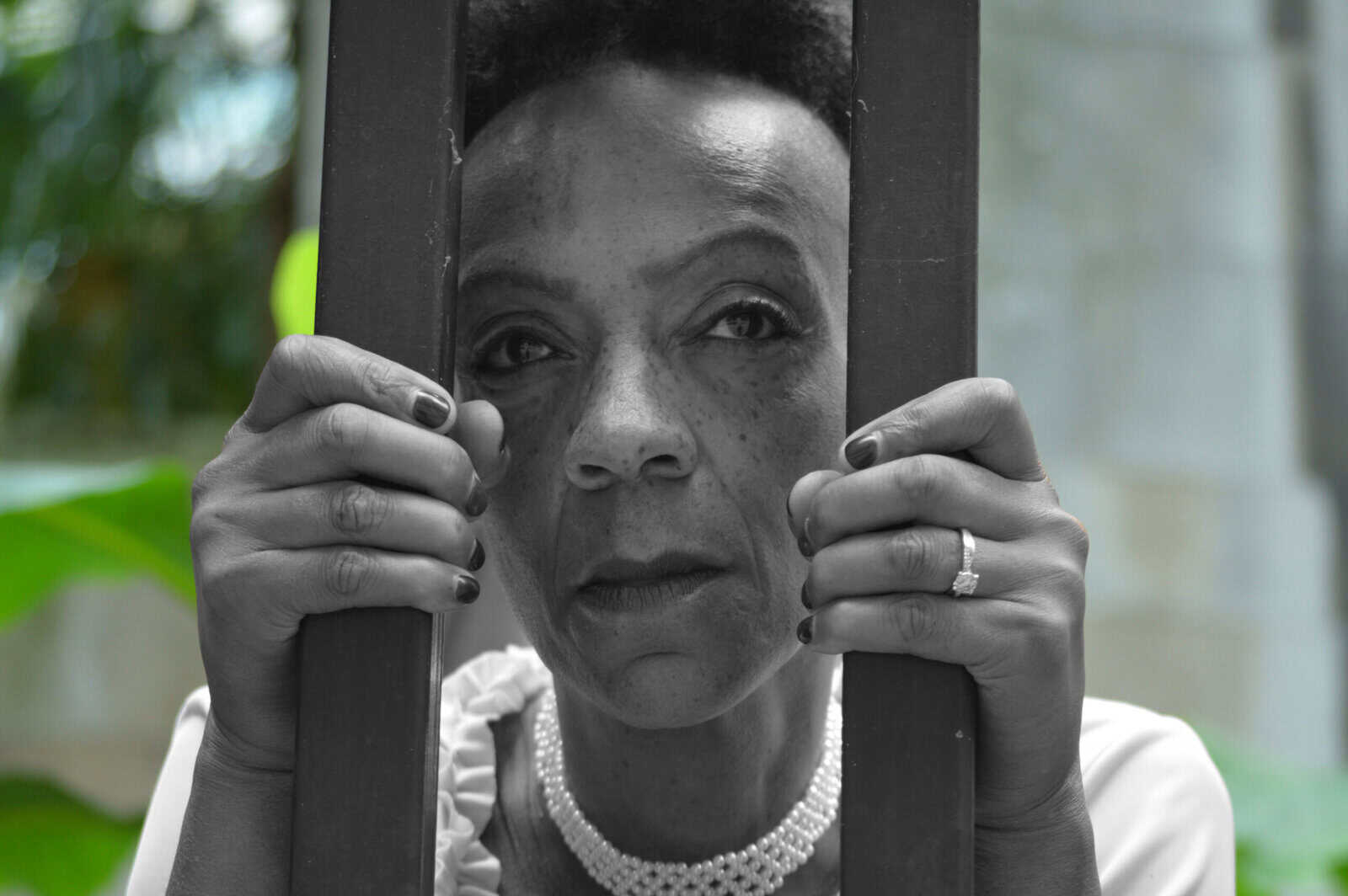
Enslaved people were never passive victims in their own oppression. Resistance occurred every single day in both large and small ways. Individuals sabotaged tools, slowed down work, learned to read in secret, and escaped to find freedom.
Enslaved communities forged unbreakable bonds and maintained their humanity under unimaginable conditions. They organized massive revolts and ran sophisticated networks to secure their liberty. Freedom was actively fought for at every turn.
White Irish immigrants were also enslaved

The viral “Irish slaves” internet meme is a dangerous piece of historical disinformation. Irish immigrants experienced brutal conditions as indentured servants, but they were never chattel slaves. Indentured contracts were temporary, legally recognized the person’s humanity, and allowed children to be born free.
Irish historian Liam Hogan warns that conflating these distinct histories is “laughably bad history” that minimizes racial terror. This false equivalence is often weaponized to dismiss the lingering legacy of racialized chattel slavery.
Lincoln fought the Civil War solely to end slavery

While Abraham Lincoln detested the institution, his primary official duty was to save the Union. Lincoln famously declared that saving the Union was his paramount object, regardless of whether it meant freeing all, some, or none of the enslaved people.
He explicitly prioritized restoring federal authority over immediate emancipation. Emancipation was ultimately adopted as a vital wartime measure to cripple the Confederate economy. The primary goal was national preservation, not racial equality.
The Emancipation Proclamation freed all enslaved people
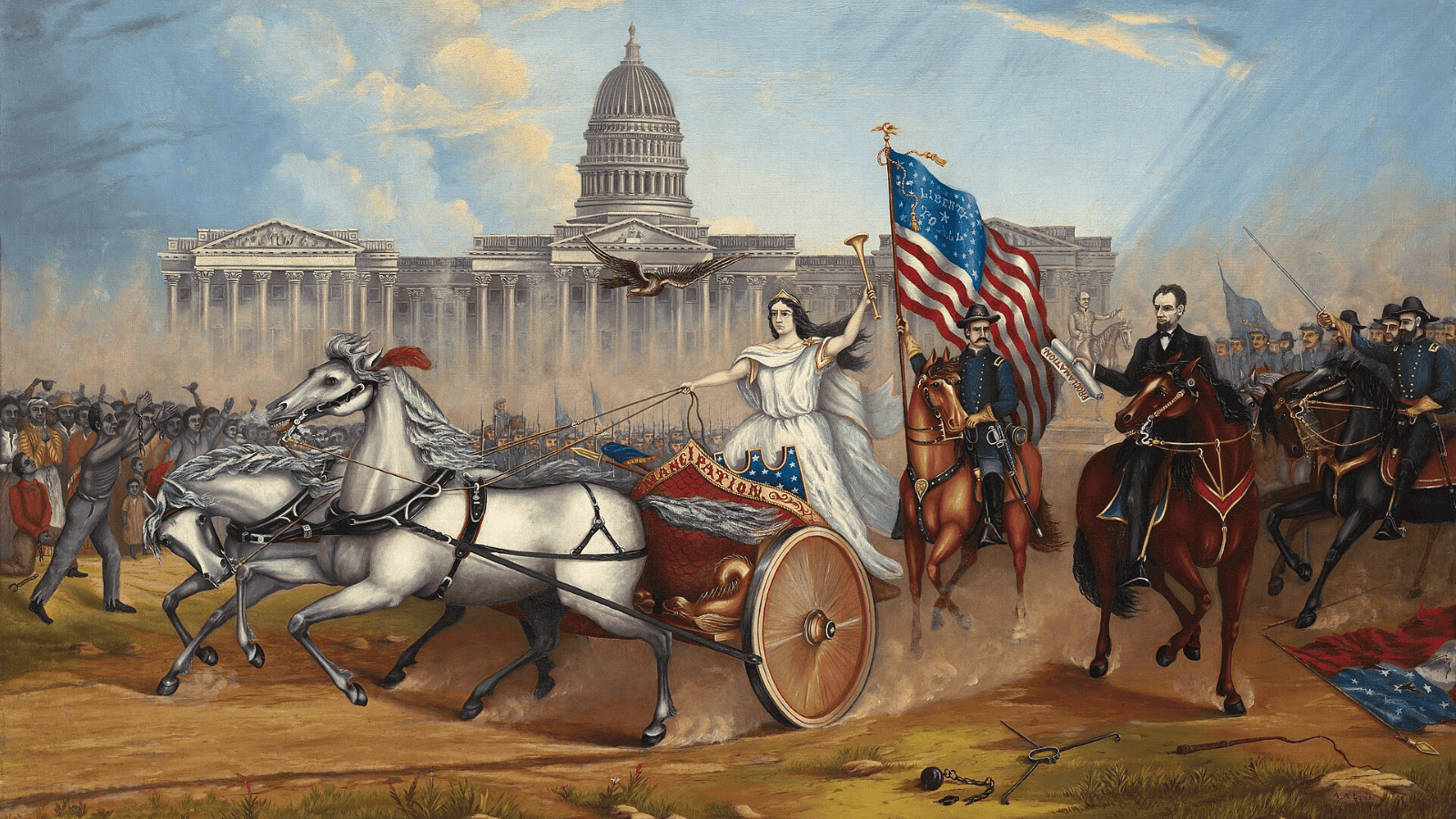
The famous proclamation did not actually outlaw slavery across the nation. It only applied to states actively in rebellion against the United States in 1863.
It completely exempted the border states of Maryland, Delaware, Kentucky, and Missouri. Furthermore, areas of the South already occupied by Union forces were also excluded. Slavery remained perfectly legal in several states until the Thirteenth Amendment was ratified in 1865.
Harriet Tubman rescued hundreds of people using secret quilts
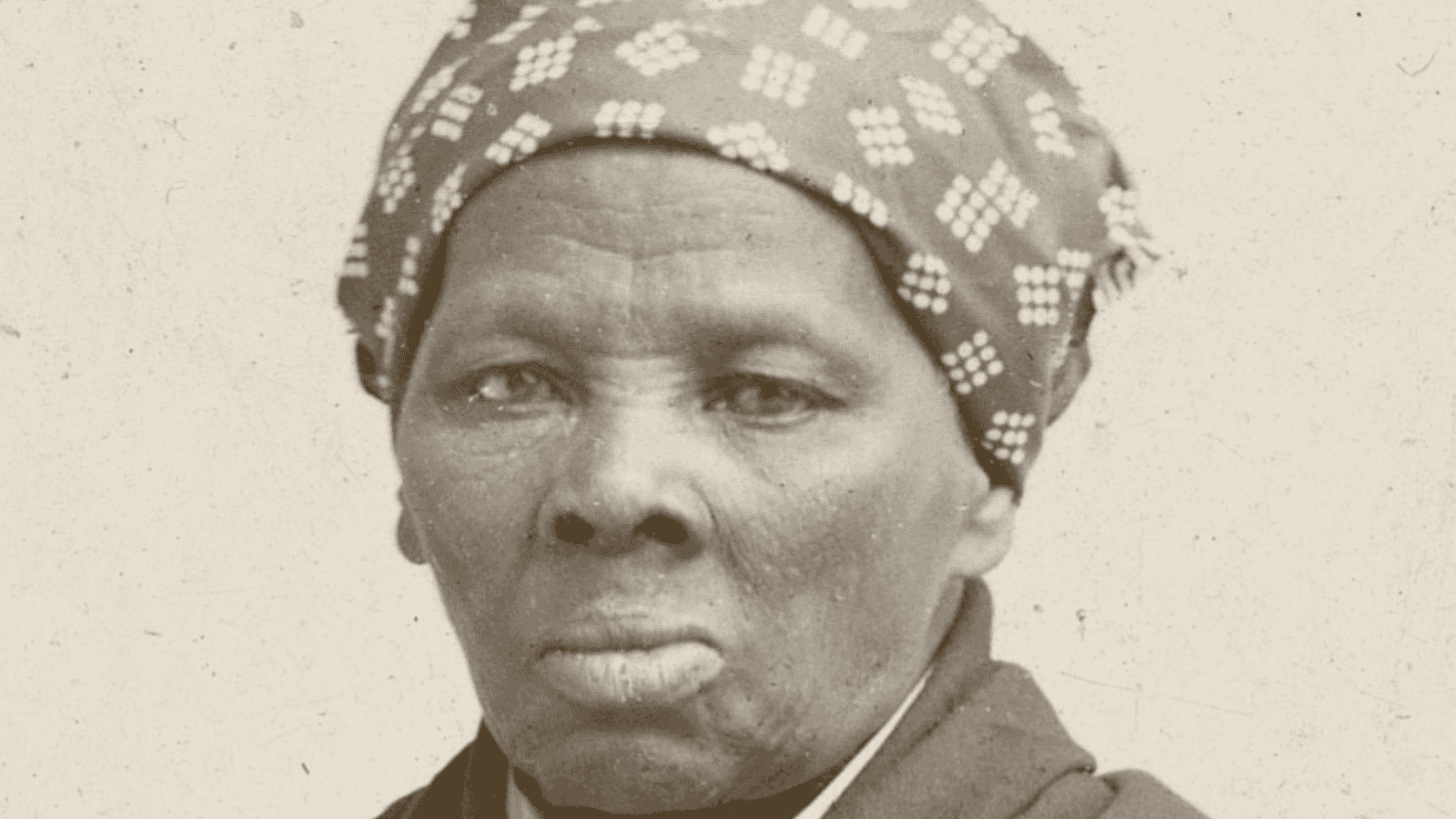
Harriet Tubman was an incredibly brave strategist, but her story has been heavily romanticized. Tubman actually rescued about 70 people during approximately 13 trips to Maryland.
Additionally, the popular story that she used “quilt codes” and specific songs to navigate is a complete myth. She relied on real trains, natural navigation, trusted networks, and her own sharp wits.
Exaggerating her numbers obscures her actual, meticulously planned military and rescue achievements.
Key takeaway

The history of American slavery is a national story of economic profit and deep-seated human exploitation. Dismantling these ten pervasive myths helps clear up the romanticized “Disney version” of the past.
Facing these hard historical truths is the only way to truly understand modern structural inequality.
Disclaimer – This list is solely the author’s opinion based on research and publicly available information. It is not intended to be professional advice.
Like our content? Be sure to follow us