12 challenges expats say they faced while living in America
Living in the United States often comes with a powerful mix of opportunity and adjustment shock. According to Pew Research Center data, the U.S. remains one of the top destinations for international migrants, yet surveys consistently show that integration experiences vary widely by income level, visa type, and location.
A 2024 OECD migration report also highlights that newcomers in high-income countries frequently report challenges tied to the cost of living, healthcare systems, and social integration.
The American experience can feel expansive, but also complex to navigate without local systems or cultural familiarity. Expat experiences are not uniform. Some people thrive quickly in major cities like New York or Los Angeles, while others struggle with practical systems that differ sharply from those in their home countries.
The U.S. operates on a highly individualistic model where access to healthcare, transportation, housing, and even job stability can depend heavily on employment status and geographic location.
Cultural expectations around work speed, communication style, and financial independence also shape how newcomers adapt. These differences often create friction during the early adjustment phase.
High Cost of Living Pressure

Many expats describe the cost of everyday life in the U.S. as one of the first major shocks. Rent, groceries, transportation, and insurance expenses vary dramatically by city, but major urban centers consistently rank among the most expensive globally.
According to the U.S. Bureau of Labor Statistics, housing remains the largest household expense category in American cities, often consuming a significant share of monthly income.
New arrivals frequently compare this with countries where healthcare, education, or public transport is more heavily subsidized. In the U.S., those costs are often transferred to individuals through private systems.
Expats earning competitive salaries may still feel financial pressure as they adjust to hidden costs, such as utilities, deposits, car insurance, and healthcare deductibles. Budgeting becomes less predictable, especially in cities with volatile rental markets.
Healthcare System Complexity

The American healthcare system is often cited as one of the most confusing aspects of living in the country. Expats frequently report difficulty understanding insurance plans, coverage tiers, deductibles, and out-of-pocket costs.
Unlike many countries with universal healthcare, access in the U.S. is often tied to employment or private insurance plans. Health policy researchers, including those at the Kaiser Family Foundation, consistently note that even insured individuals can face significant medical bills depending on the structure of their coverage.
Expats describe the system as administratively complex, requiring careful attention to paperwork and provider networks. A simple doctor visit can involve multiple billing layers, confusing newcomers unfamiliar with the structure.
Limited Public Transportation in Many Cities
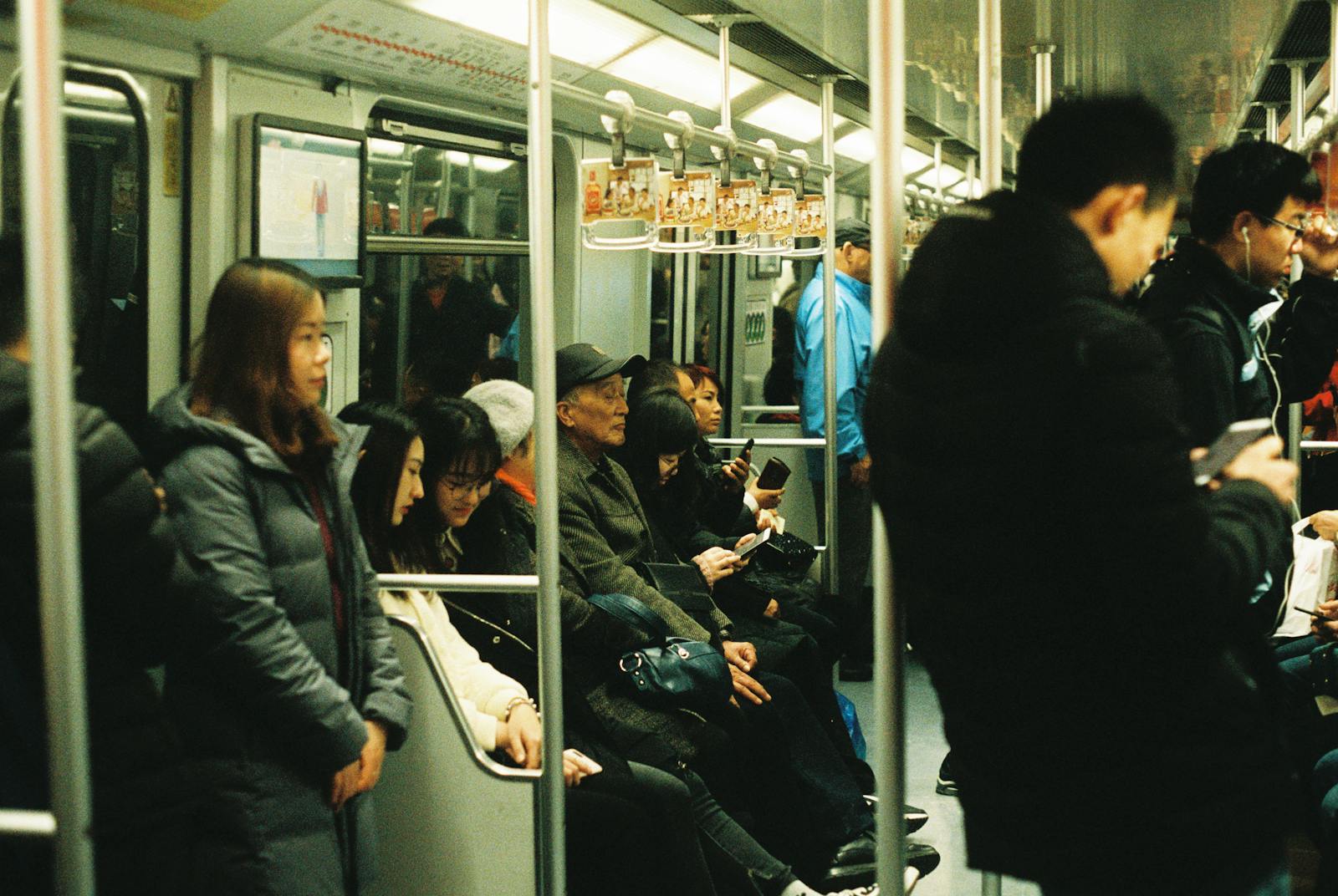
Expats arriving from cities with strong public transport systems often find American mobility heavily reliant on cars. While cities like New York and Chicago have robust transit networks, many metropolitan and suburban areas require personal vehicles for daily life.
Urban planning data shows that the U.S. has significantly lower public transit use than many European and Asian countries. This creates additional costs such as the purchase of a car, fuel, maintenance, and insurance.
For newcomers, obtaining a driver’s license, understanding road systems, and adapting to long commute distances can feel overwhelming, especially in sprawling metropolitan regions.
Work Culture Intensity

American work culture is often described as fast-paced and performance-driven. Expats frequently highlight long working hours, limited vacation time compared to other countries, and strong productivity expectations.
According to OECD labor comparisons, the U.S. ranks lower than many developed nations in guaranteed paid leave policies. Many newcomers also experience cultural adjustment in communication style.
Direct feedback, quick decision-making, and constant availability expectations can feel intense for those coming from more relationship-oriented or slower-paced work environments.
While career growth opportunities can be strong, the pressure to perform consistently remains a common adjustment challenge.
Health Insurance Tied to Employment

One structural difference that surprises many expats is the connection between employment and health insurance. Losing a job can mean losing coverage, which adds financial and emotional stress during transitions.
Policy analysts at Brookings Institution have long documented how employment-linked insurance creates instability for some workers. Expats often describe this system as unpredictable, especially during job changes or periods of contract work.
Even when employed, understanding coverage limits and provider networks can require significant time and administrative effort.
Cultural Communication Differences

Communication style in the U.S. tends to be direct, informal, and efficiency-oriented. Expats from more indirect-communication cultures sometimes misinterpret this as abruptness or a lack of politeness.
Everyday interactions, from workplace emails to customer service exchanges, can feel unusually transactional. Cultural psychologists note that misunderstandings often arise not from language barriers but from differences in social norms.
Phrases like “we should catch up sometime” may carry different levels of intent depending on context. Adjusting to this communication style becomes an important part of integration.
Housing Market Competition

Finding housing in major American cities can feel highly competitive. Expats frequently report fast-moving rental markets, strict credit requirements, and high upfront costs such as deposits and application fees.
Real estate platforms like Zillow regularly report tight inventory conditions in major metro areas, especially during peak moving seasons. New arrivals without an established credit history in the U.S. often face additional barriers, including the need for guarantors or higher deposits.
This makes early relocation periods financially and logistically stressful.
Credit System Adjustment

The U.S. credit system plays a major role in the country’s financial life. Expats often arrive without a credit score, which can affect their access to housing, loans, and even phone contracts.
Financial institutions rely heavily on credit history for risk assessment. Building credit from scratch takes time and requires consistent payments on credit cards, utilities, or loans. Until established, newcomers may face higher interest rates or restricted financial options.
Social Integration Challenges

Building social networks can take time in the U.S., especially in cities where people frequently move for work. Expats often describe difficulty forming deep friendships quickly due to busy schedules and decentralized social life.
Sociological research suggests that American social structures are often activity-based rather than proximity-based, meaning relationships form through work, hobbies, or organized groups rather than neighborhood interaction.
This can feel slower for newcomers seeking immediate community connection.
Immigration and Visa Uncertainty

Visa categories and immigration processes remain a major source of stress for many expats. Work visas, green card timelines, and policy changes can affect long-term stability. Immigration policy research from institutions such as highlights how uncertainty in visa renewal processes can influence career planning and personal decisions.
Many expats describe living with a long-term sense of conditional stability tied to employment sponsorship or legal timelines.
Consumer Culture Pressure

Expats often notice a strong consumer-driven environment in the U.S. Advertising, access to credit, and lifestyle marketing can feel more visible than in other countries. This influences spending behavior and lifestyle expectations.
Sociologists studying consumer behavior note that the availability of credit and the intensity of marketing contribute to higher levels of discretionary spending. Newcomers may feel pressure to maintain certain lifestyle standards, especially in urban professional settings.
Distance From Home and Family

Emotional distance remains one of the most significant challenges for many expats. Time zone differences, travel costs, and visa constraints can limit the frequency of visits home.
Psychological studies on migration consistently highlight homesickness and emotional adjustment as key factors in expat well-being. Even in successful careers, distance from family networks can create emotional strain, particularly during major life events.
Key Takeaways

- Expats in the U.S. often face structural, financial, and cultural adjustments rather than single-point challenges.
- Healthcare, housing, and credit systems are among the most commonly cited difficulties.
- Work culture and communication styles require significant adaptation.
- Social integration and immigration status influence long-term stability.
- Many challenges vary widely depending on the city, income level, and visa category.
Disclaimer: This list is solely the author’s opinion based on research and publicly available information. It is not intended to be professional advice.
Like our content? Be sure to follow us