The Shroud of Turin: What the latest scientific evidence finally proves about Jesus’ burial cloth
It’s the most studied artifact in human history, yet science is only now uncovering its deepest secrets. For decades, a single 1988 radiocarbon test convinced the public that this 14.5-foot linen sheet was just a clever medieval hoax. However, a major trend in modern research shows a massive shift back toward first-century authenticity.
As noted by author John Walsh, the cloth is “either the most awesome and instructive relic of Jesus Christ in existence or it is one of the most ingenious, most unbelievably clever products of the human mind.” Now, five independent scientific clocks have completely shattered the medieval forgery narrative. This article breaks down exactly what the latest peer-reviewed data finally proves about the Shroud.
The 1988 carbon dating was statistically flawed
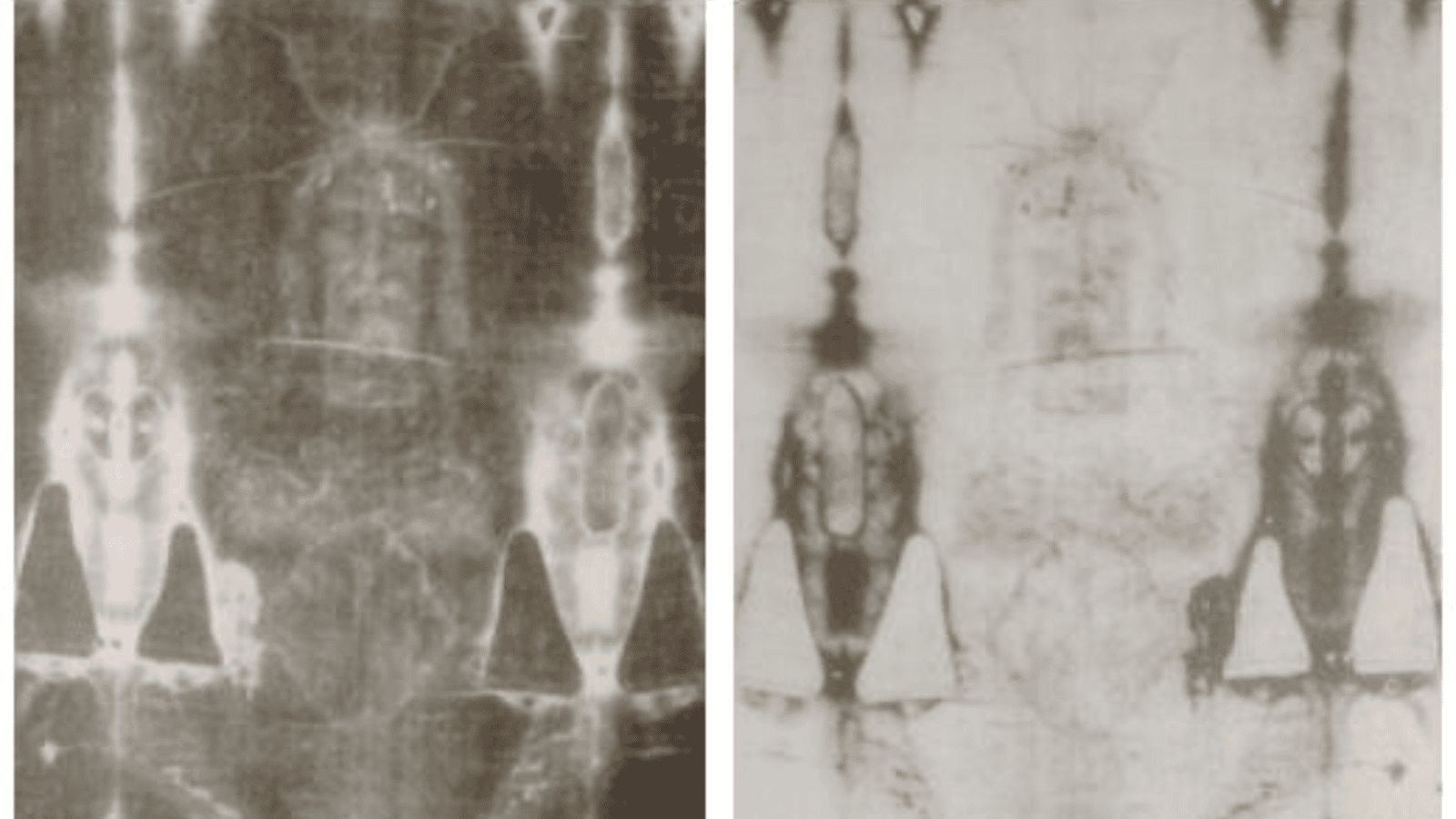
The famous 1989 Nature study concluded with 95% confidence that the Shroud was a medieval fake dating to 1260 to 1390 AD. However, the raw data kept by the British Museum was hidden for decades until a legal request forced its release in 2017. A groundbreaking 2019 study published in Archaeometry analyzed this raw data and found it completely lacked statistical homogeneity.
The three testing labs in Oxford, Zurich, and Arizona got wildly inconsistent dates that failed standard chi-square tests. This inconsistency occurred because the single sample tested came from a heavily contaminated corner that had been invisibly repaired by medieval nuns. In fact, chemist Raymond Rogers proved this corner contains medieval dye and starch, whereas the main body of the Shroud does not.
New X-ray technology dates the linen to the time of Christ
In 2022, Italian scientist Liberato De Caro utilized Wide-Angle X-ray Scattering to examine the natural degradation of the linen. This technique analyzes how flax cellulose slowly degrades over centuries due to environmental exposure. The results showed that the Shroud’s molecular decay perfectly matches that of a historical linen sample from the siege of Masada, dating to 55 to 74 AD.
This suggests the fabric is indeed 2,000 years old, directly contradicting the flawed 1988 radiocarbon results. Multiple independent scientific methods now converge on this ancient first-century timeframe.
The image was created by a massive burst of energy

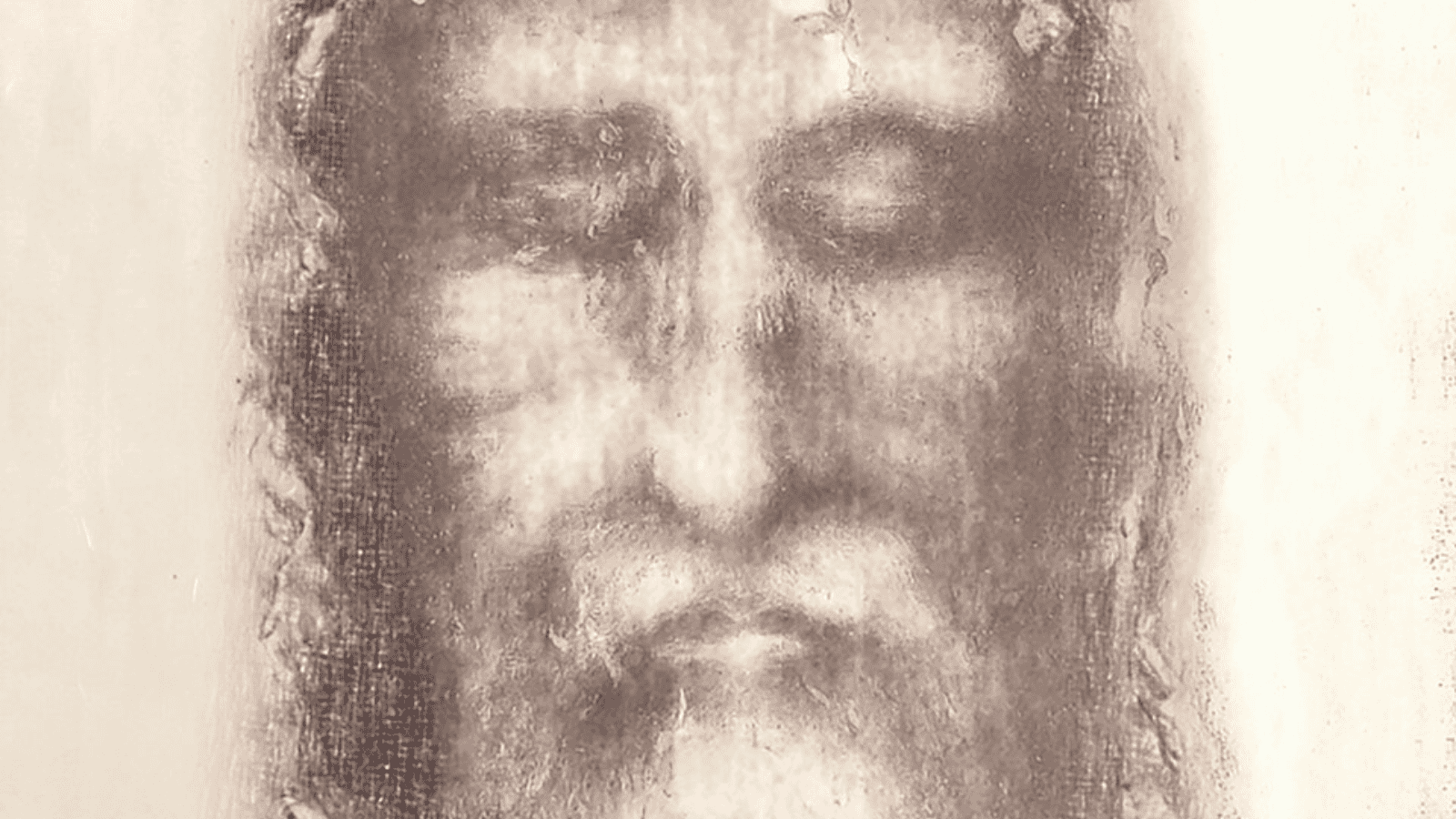
The mysterious human image is not made of paint, dye, pigment, or chemical stains. The Shroud of Turin Research Project (STURP) scientists confirmed that the image is incredibly superficial, resting only on the outer sheath of the fibers, which is 0.2 microns thick. This unique coloration was caused by a dehydrative oxidation process that altered the cellulose itself.
Scientists at Italy’s ENEA research center tried for years to replicate this exact chemical change. Led by Paolo Di Lazzaro, they discovered that only short, intense bursts of vacuum ultraviolet radiation could color the linen surface without scorching it. To scale this up to a full human-sized body, it would require 14,000 excimer lasers firing simultaneously at billions of watts.
Forensic analysis confirms real, traumatized human blood

The reddish stains on the cloth are not artistic paint, but real human group AB blood. Dr. Alan Adler and Dr. John Heller identified hemoglobin, serum albumin, and extraordinarily high bilirubin levels in the stains. “The blood on the Shroud tests positive for serum albumin, hemoglobin, and bilirubin, indicating real blood from a tortured victim,” Adler noted.
This high level of bilirubin is a key biological marker that only occurs when the body undergoes severe physical trauma, such as a brutal scourging. UV fluorescence photos also reveal serum halos around the wounds, a natural post-mortem process that no medieval artist could have known or painted. Furthermore, the blood soaked into the linen before the body image was formed, proving the cloth wrapped a real corpse.
Ancient soil and pollen trace the cloth directly to Jerusalem

Critics often wonder how an ancient Middle Eastern cloth ended up in Europe, but the dust tells the story. Microscopic analysis of the dirt near the feet of the Shroud image revealed particles of Travertine Aragonite. Optical crystallographer Joseph Kohlbeck confirmed that this rare limestone is an incredibly close chemical match to samples taken from ancient rock-cut tombs in Jerusalem.
The dust even contains trace elements of iron and strontium, perfectly matching samples near the Damascus Gate. In addition, over fifty distinct pollen types have been identified on the fabric. About half of these pollen grains come from plants native exclusively to Palestine and Anatolia, with several blooming only in Jerusalem during March and April.
The complex herringbone weave was a luxury item in antiquity
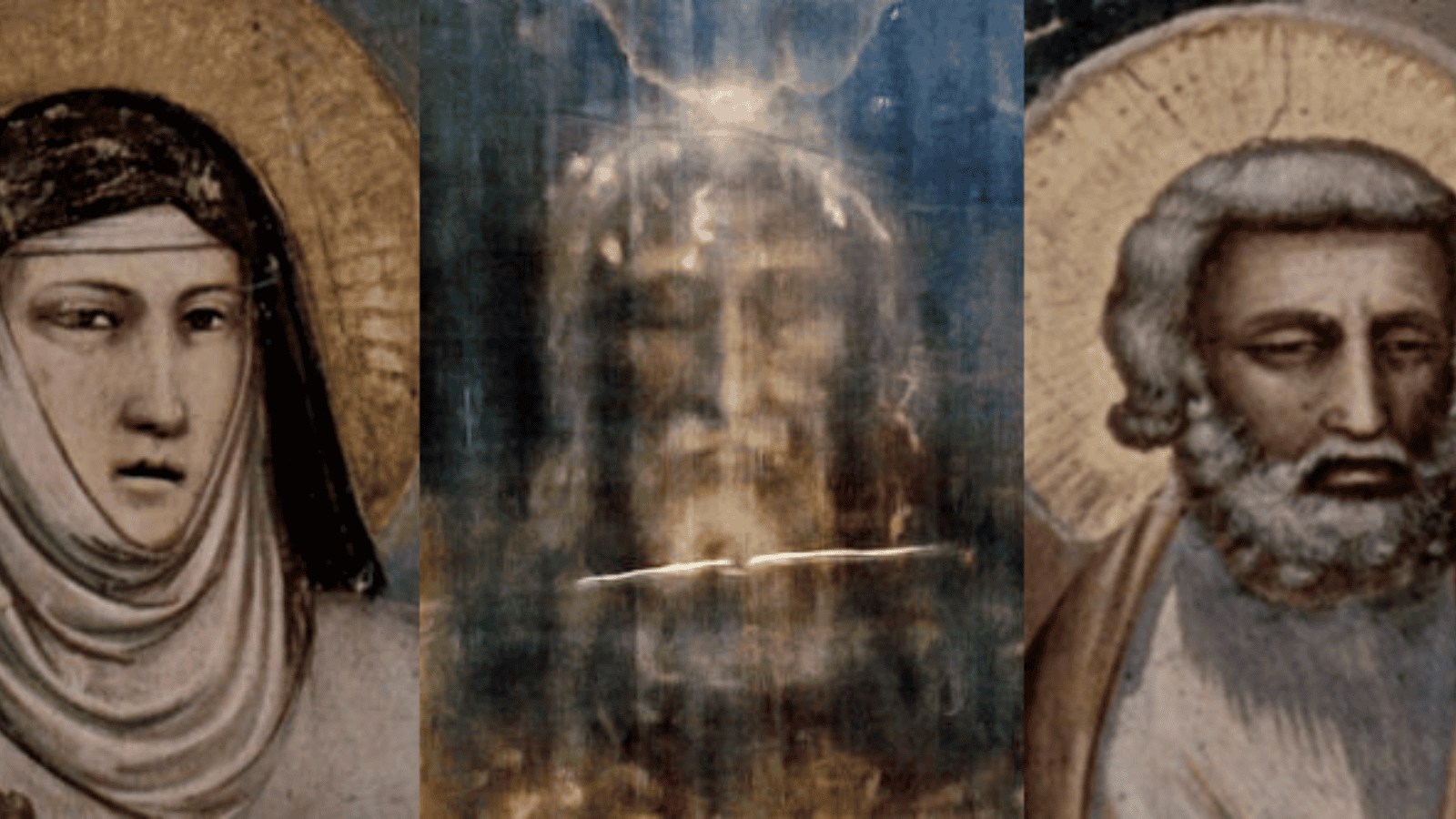
The Shroud is woven in a highly unusual 3-to-1 herringbone twill pattern with clockwise “Z” twisted threads. This complex, high-value weaving technique was known in first-century Palestine and Syria, making the resulting textiles a luxury item.
It perfectly matches the biblical account of Joseph of Arimathea, a wealthy man, purchasing expensive fine linen for Jesus‘ burial.
Key takeaway

The scientific consensus is shifting as advanced testing repeatedly dismantles the 1988 theory of a medieval forgery. Five independent scientific clocks, Jerusalem tomb dust, and trauma-rich human blood all point to a genuine first-century origin.
While science may never fully explain how the miraculous 3D image was burned onto the fibers, the physical evidence overwhelmingly proves this cloth wrapped a real, crucified man in ancient Jerusalem.
Disclaimer – This list is solely the author’s opinion based on research and publicly available information. It is not intended to be professional advice.
Like our content? Be sure to follow us