The Islamic view of Jesus: Why billions of Muslims believe he was never crucified
The historical consensus on the crucifixion of Jesus seems absolute, yet billions of people worldwide completely reject it. It’s a fascinating theological divide that separates the world’s two largest religions.
The global Muslim community, representing over 25% of the world’s population, firmly believes that Jesus was never crucified. Instead of dying on a cross, Jesus was reportedly rescued by a direct act of God. This perspective is a central pillar of Islamic theology.
To understand this belief, one must look at how Muslims view Jesus. He isn’t considered divine, but rather one of the greatest prophets to ever live. As scholar Craig Considine notes, Jesus and the Prophet Muhammad are viewed as kindred spirits. An exploration reveals why billions of people hold this stunning view of history.
The single verse that changes everything

The entire Islamic view on this matter hinges on a single, controversial passage in the Quran. This text is found in Surah An-Nisa, verse 157, which addresses historical claims about the death of the Messiah. The scripture declares that they neither killed nor crucified him, but it was made to appear so.
Scholars suggest that this verse is a theological rebuke to those who boasted of having defeated a prophet. It denies their capability to destroy God’s messenger rather than offering a simple historical report. Still, this short passage has shaped centuries of intense religious debates.
Academic Todd Lawson points out that the translation of this phrase has been heavily discussed for generations. It’s a dense theological puzzle that remains a key boundary line between faiths.
The substitution theory and the ultimate decoy
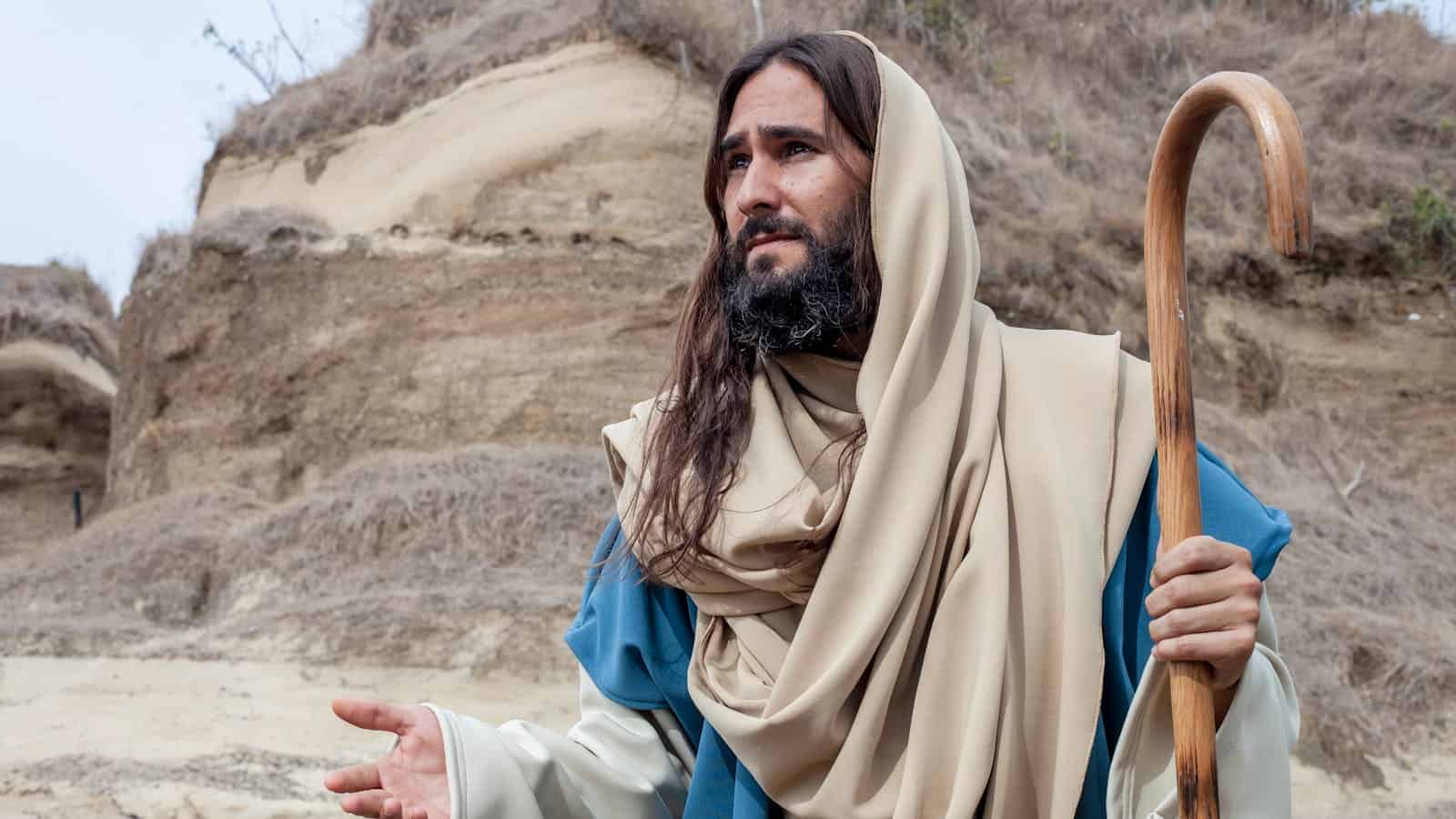
How could an execution happen without the actual victim being on the cross? To resolve this, classical commentators developed the popular “substitution theory.” This concept suggests that God changed another person’s physical appearance to make them look exactly like Jesus.
The executioners then mistakenly crucified this substitute, completely unaware of the switch. Popular theories for this decoy include Judas Iscariot or even a loyal disciple who volunteered. This explanation remains the most widespread narrative among mainstream Muslims today.
The rescue mission that bypassed death

Instead of facing a painful execution, Jesus experienced a miraculous escape. The Quranic narrative states that God raised Jesus up bodily into the heavens. Since there was no physical death, there’s no concept of resurrection in Islamic doctrine.
Muslim apologists argue that God would never allow a noble prophet to be publicly humiliated. This rescue is viewed as the ultimate proof of divine favor over human plots.
The looming expectation of a dramatic return

For billions of believers, the story of Jesus is far from finished. Islamic theology teaches that Jesus is alive in heaven and will return to earth in the future. According to Pew Research surveys, a global average of 35% of Muslims expect his imminent return.
In countries like Tunisia and Turkey, that expectation rises to over 65% of the Muslim population. Upon his return, Jesus is expected to defeat the Antichrist and establish peace. Only after completing this earthly mission will he live a natural life and experience death. This future timeline reinforces the belief that his mission on earth was simply paused, not ended.
The surging demographics behind the belief

This unique theological view isn’t fading; it’s growing rapidly with global shifts. Pew Research shows that Muslims were the fastest-growing religious group between 2010 and 2020, adding 347 million people. This massive growth means that the denial of the crucifixion is now a major global mainstream perspective.
In the United States, Muslims comprise a highly educated and racially diverse community. Their rising prominence is prompting broader interfaith discussions across the nation.
Interestingly, many U.S. adults already have baseline knowledge of Islam, including Ramadan and Mecca. As these communities grow, the opportunity for mutual understanding expands.
Key takeaway

The Islamic rejection of the crucifixion stems from a belief in divine protection over a beloved prophet. While Christians see the cross as the center of salvation, Muslims see the bodily ascension as the ultimate victory of God’s will. Understanding this perspective is vital for navigating modern global religious dynamics.
Disclaimer – This list is solely the author’s opinion based on research and publicly available information. It is not intended to be professional advice.
Like our content? Be sure to follow us