11 ways the most vulnerable are paying the highest price for climate change
Climate change is often described in headlines as a planetary threat, but for millions, it’s a deeply personal injustice. Those who have contributed least to global warming are already bearing the heaviest burdens: homes flooded, crops failing, heatwaves claiming lives, and living costs skyrocketing. The World Bank warns that without urgent action, over 100 million people could be pushed back into extreme poverty by 2030.
Across the globe, low-income communities, women, children, Indigenous peoples, migrants, and the elderly face the earliest and most severe consequences, from health crises to economic shocks. Every flood, heatwave, or failed harvest compounds systemic inequality, showing that climate is not just an environmental challenge; it’s a social justice emergency.
For many, the cost is measured in lives lost, opportunities denied, and futures diminished.
Losing their lives and health first
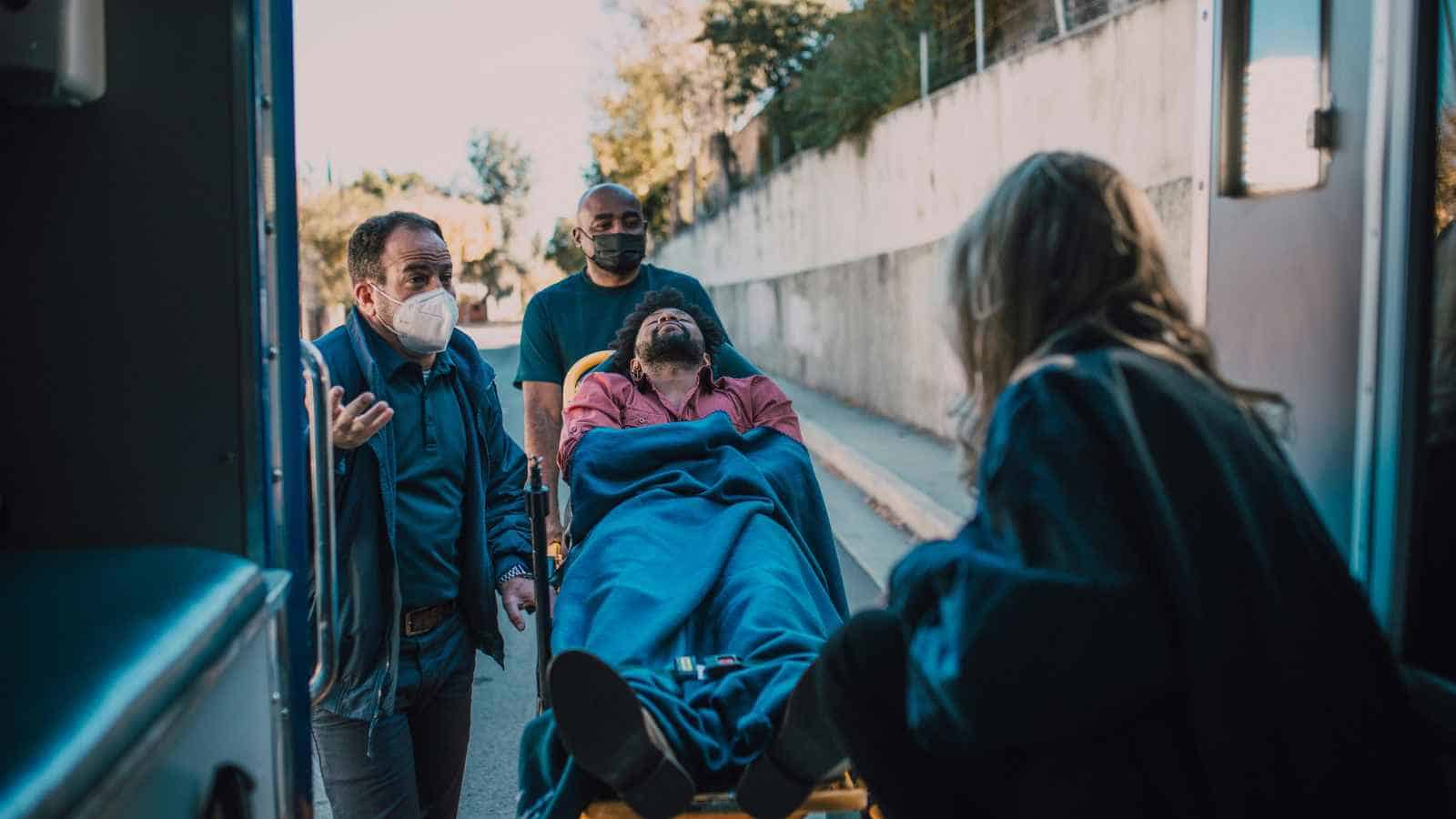
The health toll of climate change is immediate and unequal. WHO projects roughly 250,000 additional deaths per year between 2030 and 2050 from malnutrition, malaria, diarrhea, and heat stress, disproportionately in poorer nations with fragile health systems. Extreme weather, biodiversity loss, and disease outbreaks hit women, children, migrants, older adults, and people with chronic conditions hardest.
Vulnerable populations already experience weakened infrastructure and limited healthcare access, which amplifies risk. In these communities, every heatwave, flood, or wildfire can push bodies past their limits, turning environmental change into a direct threat to survival.
Being pushed (back) into extreme poverty
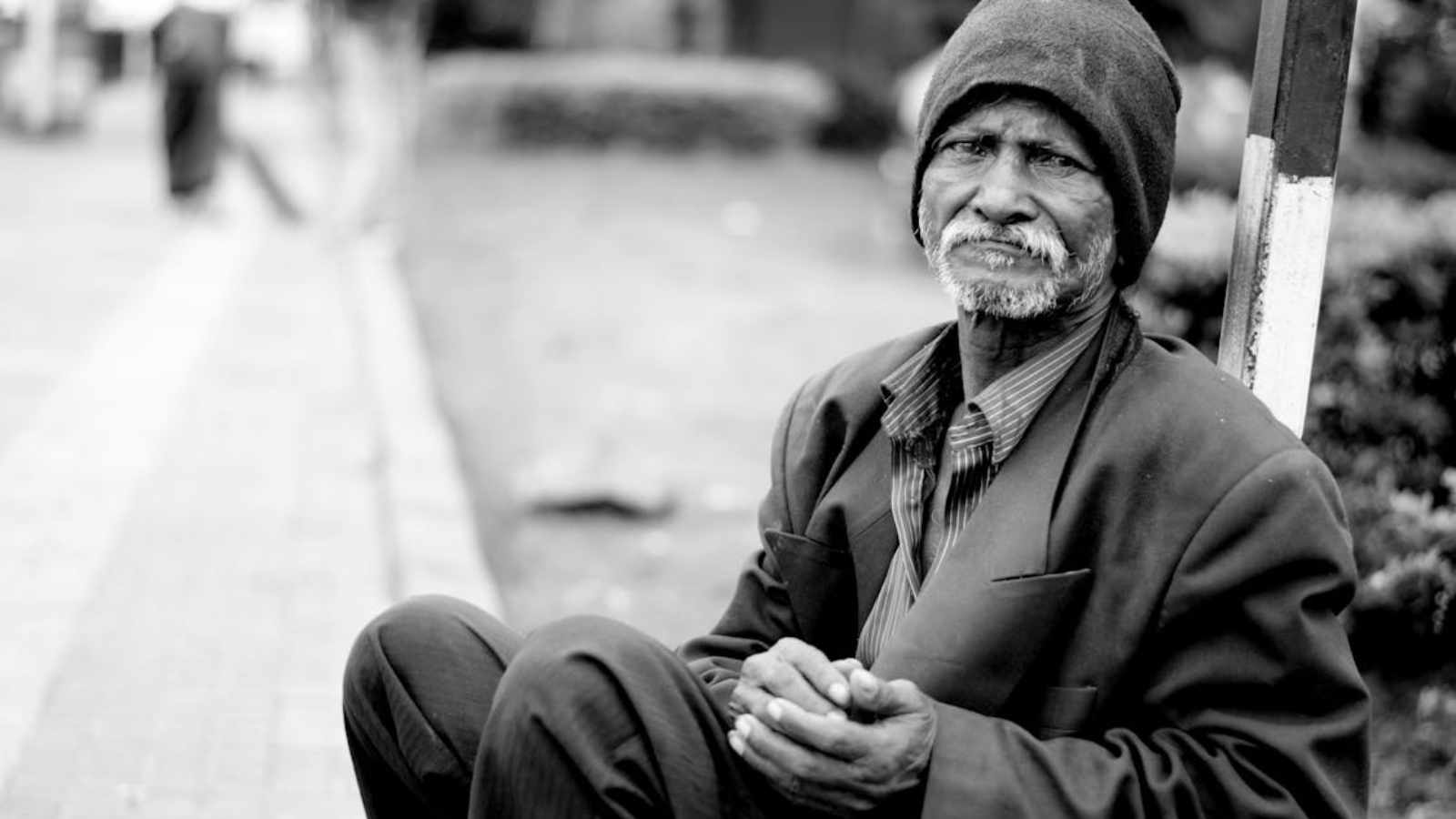
Climate change threatens to erase decades of progress for the world’s poorest. The World Bank warns that without climate-informed development, over 100 million people could return to extreme poverty by 2030, especially in Sub-Saharan Africa and South Asia. Natural disasters, crop failures, and escalating food and energy costs erode incomes, leaving households unable to recover between shocks.
Over the last decade, poor countries have experienced eight times as many climate-related disasters as they did thirty years ago, with economic damage tripling. For families already scraping by, climate impacts can mean permanent setbacks, trapping generations in cycles of poverty that deepen with every storm or drought.
Paying more for food, water, and basic necessities

Rising temperatures, shifting seasons, and unpredictable weather are inflating the cost of living, disproportionately affecting low-income households that spend most of their income on essentials. Droughts, floods, and extreme heat reduce crop yields, disrupt supply chains, and drive energy demand during heatwaves, creating cascading financial pressure.
Families without savings or insurance must cover medical expenses, food shortages, and repair costs themselves. Each climate event compounds daily struggles: replacing lost essentials or coping with destroyed livelihoods drains resources that are already scarce, making survival a constant negotiation between environmental realities and limited income.
Living on the frontlines of extreme weather and sea-level rise
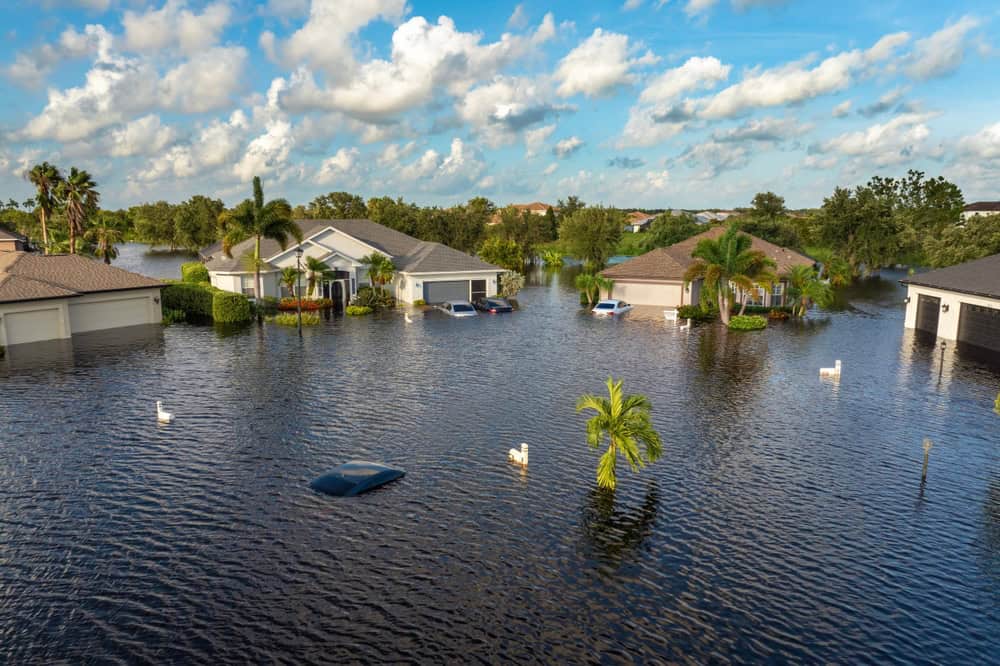
Communities in coastal, low-lying, and poorly serviced areas face repeated exposure to storm surges, flooding, and sea-level rise. Residents often lack safe housing, evacuation options, or financial buffers, and climate disasters hit harder where infrastructure is weakest. People in floodplains, informal settlements, or marginalized neighborhoods may lose homes, belongings, or legal documentation, making recovery long and expensive.
These frontline populations confront compounded risks: social, structural, and environmental vulnerabilities converge, leaving them trapped in cycles of displacement, trauma, and resource scarcity while wealthier populations experience minimal disruption from the same climate events.
Breathing more polluted air and bearing higher disease burdens

Fossil fuel combustion drives climate change and produces deadly pollution, disproportionately harming marginalized communities. WHO reports around 7 million premature deaths per year from household and ambient air pollution, with low-income and communities of color most exposed.
Discriminatory zoning, industrial siting, and weak infrastructure concentrate risks in “sacrifice zones,” where asthma, cardiovascular disease, and other health inequities are already high. Climate change worsens these burdens, making heatwaves, floods, and environmental degradation even more deadly. Vulnerable populations inhale the costs of industrialized lifestyles, literally paying with their lungs and hearts.
Losing livelihoods, land, and cultural roots
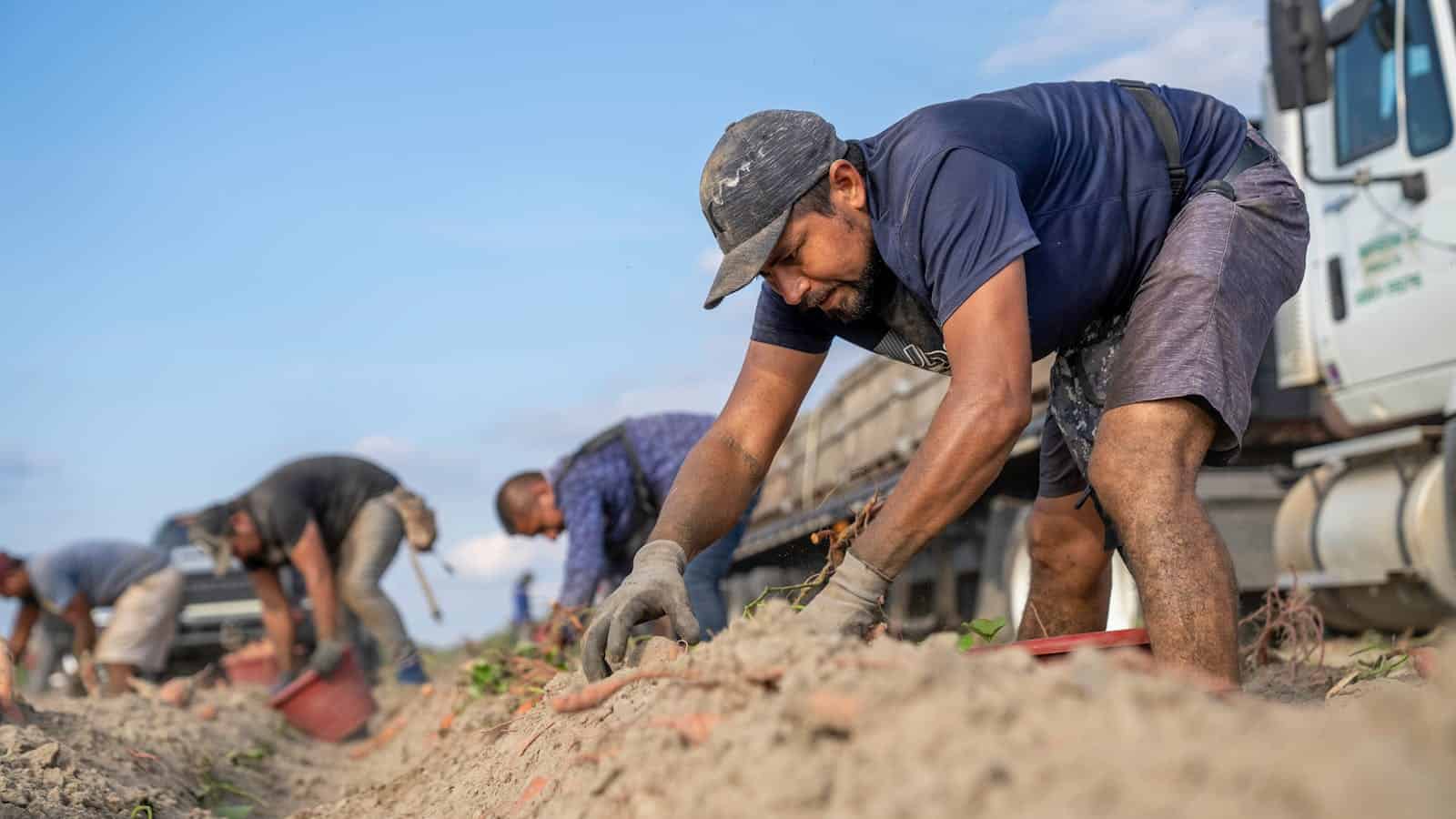
For many, climate change erodes not just income but identity. Smallholder farmers, pastoralists, and fishers face droughts, floods, and heat stress that destroy crops, livestock, and natural resources. Disrupted seasons and rising temperatures destabilize traditional livelihoods and food security, erasing generational knowledge and cultural practices.
Low-income communities bear the brunt, suffering repeated economic and ecological shocks. As ecosystems collapse, the loss extends beyond income: ancestral lands, cultural landscapes, and local traditions vanish alongside livelihoods, leaving communities bereft not only materially but spiritually, confronting a future that feels increasingly unmoored.
Facing higher health costs and financial shocks

Climate disasters drive emergency expenses that hit the poor hardest. WHO estimates that over 930 million people spend more than 10% of their household income on healthcare, with climate-induced illness worsening the strain. Floods, heatwaves, and storms generate cascading costs: emergency care, medications, relocation, rebuilding homes, and lost wages.
Without savings or insurance, low-income families are pushed deeper into debt with every event. By 2030, climate-related health costs alone are projected at $2–4 billion annually, excluding broader economic impacts, showing that for vulnerable households, climate change is as much a financial emergency as an environmental one.
Carrying disproportionate mental health and psychological stress
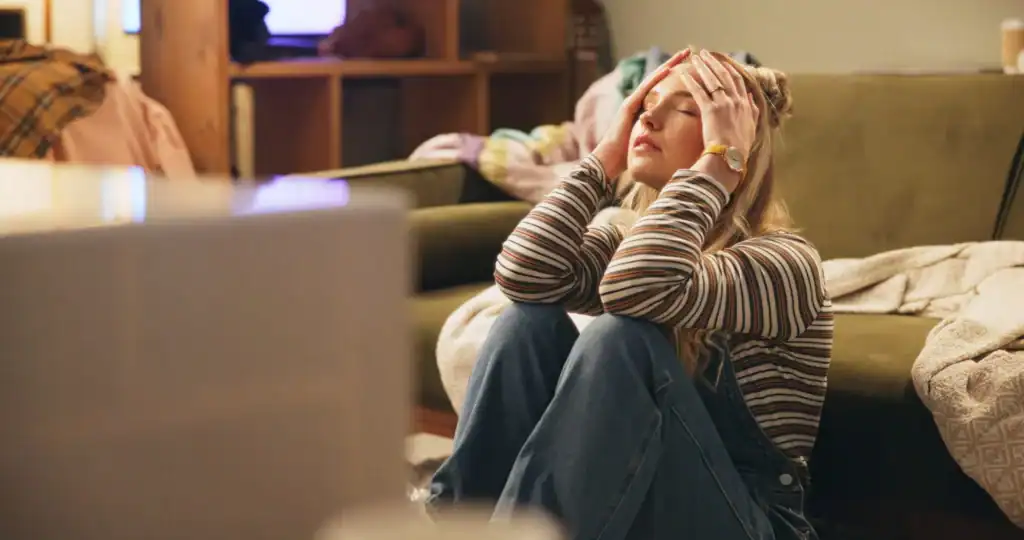
The mental toll of climate change compounds physical and economic stress. Repeated exposure to floods, wildfires, and displacement triggers anxiety, depression, post-traumatic stress, and “eco-anxiety,” disproportionately among children, adolescents, and marginalized adults. Structural inequities (limited access to healthcare, social support, and adaptive resources) exacerbate chronic stress and grief.
Indigenous and local communities often experience cultural trauma as species, land, and heritage vanish. For the most vulnerable, psychological harm becomes intertwined with economic and physical vulnerability, creating a multi-layered burden that extends far beyond immediate survival.
Being locked out of adaptation and resilience resources
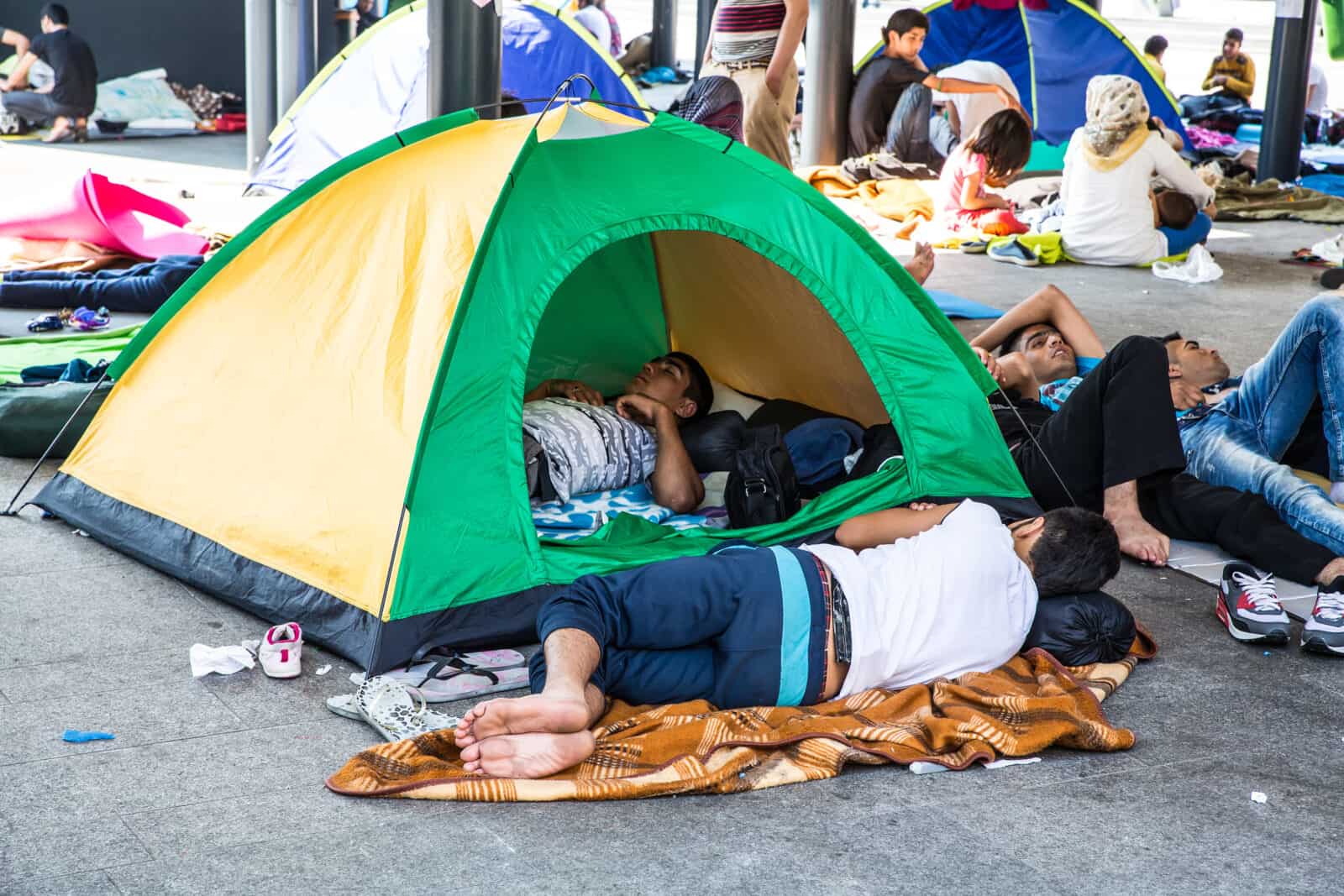
Not all communities have equal access to climate protection. IPCC research shows that adaptation resources (early warning systems, resilient infrastructure, and climate finance) are distributed unevenly. Economically and politically marginalized populations often inhabit high-risk areas with weaker health infrastructure and less say in resource allocation.
Black, Indigenous, refugee, and under-resourced communities face compounded exposure to climate hazards while lacking tools to adapt. The inequality of protection means that the most vulnerable bear the brunt of climate shocks, paying for the comfort and safety of wealthier populations without access to mitigation or recovery.
Bearing intergenerational and “loss and damage” burdens
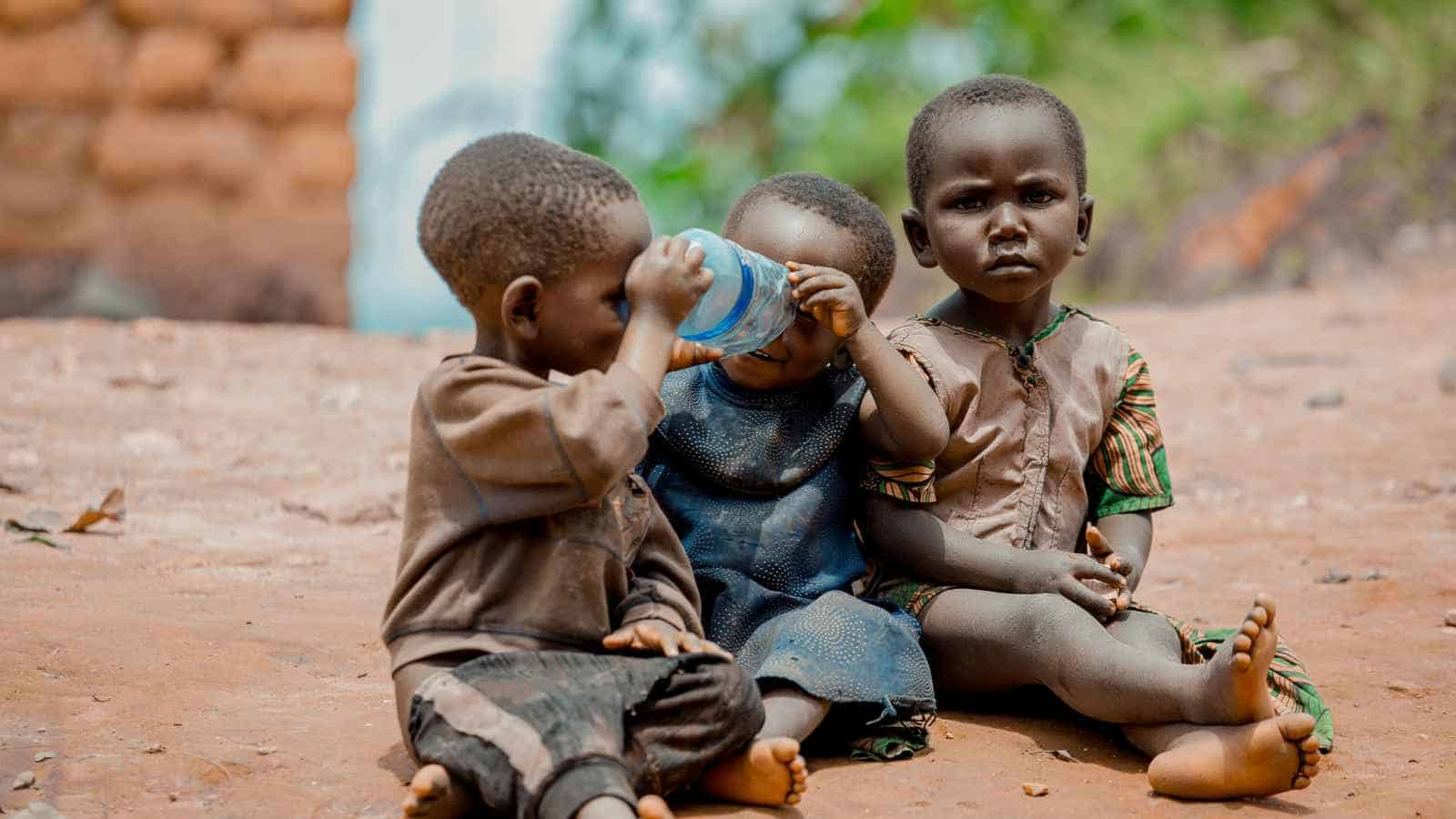
The consequences of climate change accumulate across generations. Children in low-income, climate-exposed regions face stunted growth, disrupted education, malnutrition, and repeated displacement. Structural disadvantages (including poverty, debt, and colonial legacies) magnify these impacts, leaving future generations inheriting compounded risk.
“Loss and damage” goes beyond economics: it encompasses lost lives, cultural heritage, biodiversity, and security that cannot be fully rebuilt or insured. Vulnerable families shoulder these inherited crises while contributing least to the underlying emissions, creating a long-lasting climate debt that spans decades.
Paying the “double injustice”: contributing least, suffering most
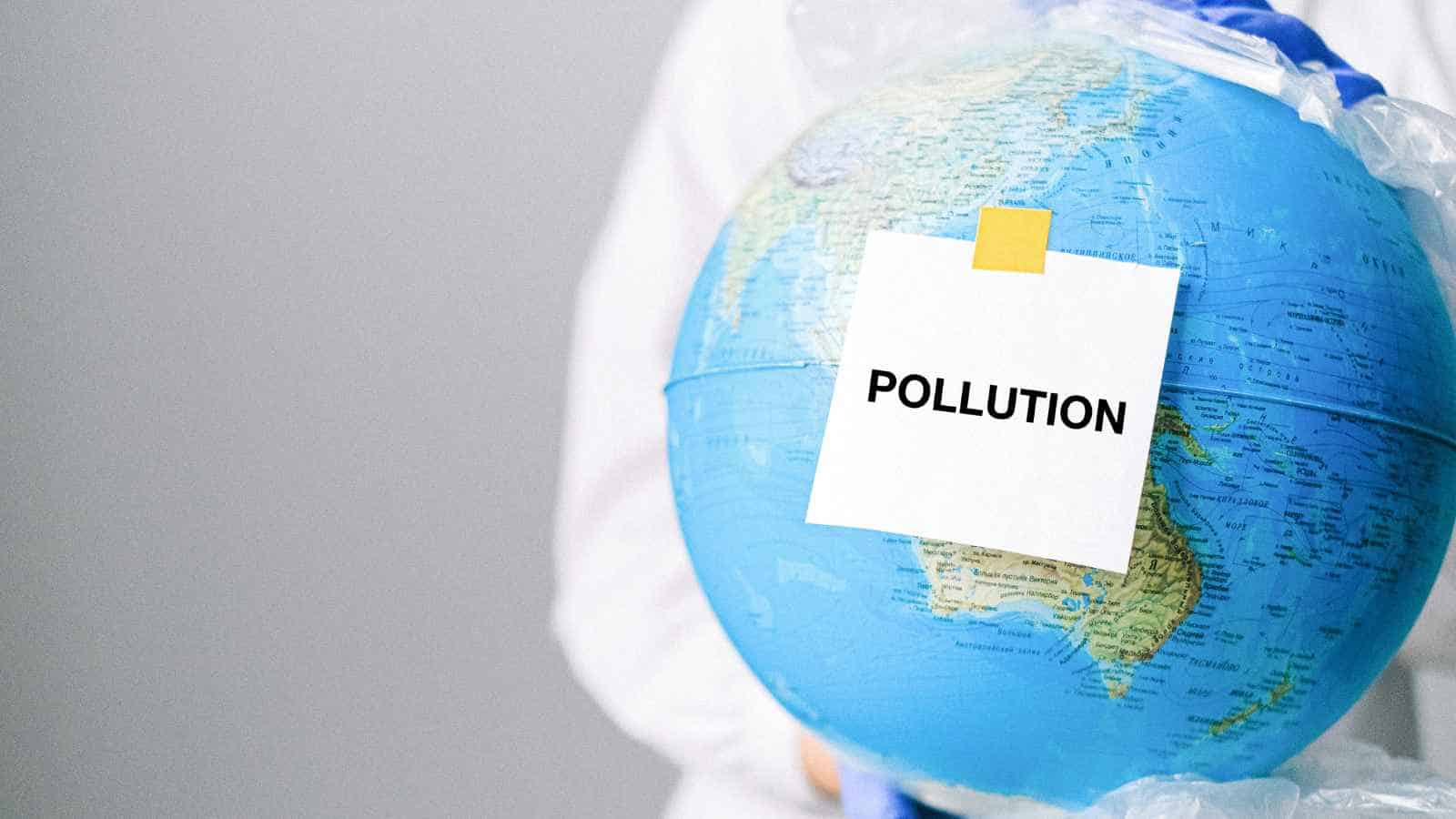
At the heart of the climate crisis is a stark injustice: those who contributed least to greenhouse gas emissions are suffering first and worst. WHO and World Bank data show low-income and disadvantaged communities enduring rising health crises, poverty, and environmental degradation, while wealthy populations continue with minimal impact.
Black, Indigenous, and frontline communities live closer to polluting infrastructure, face more climate hazards, and have fewer protections. The climate emergency is, for many, a direct payment in health, homes, and futures for the emissions and lifestyles of those far removed, highlighting the urgent need for equitable action.
Disclaimer – This list is solely the author’s opinion based on research and publicly available information. It is not intended to be professional advice.
Like our content? Be sure to follow us