10 reasons why modern experts disagree with traditional Bible stories
Why do science and ancient scriptures seem locked in an endless wrestling match?
It turns out that spade-in-the-dirt archaeology, ancient records, and genetics paint a very different picture of the past than Sunday school did. The truth is that modern research is rapidly shifting how the world views these classic stories, turning literal history into symbolic literature.
For busy folks skimming on their phones, here is why experts are waving red flags over traditional narratives.
The big drop in literal belief

Fewer people than ever think the Bible is a literal history book.
According to a landmark Gallup poll, a record-low 20% of Americans now believe the Bible is the literal word of God. That is a massive drop from the 40% peak in the 1980s.
Meanwhile, 29% view it as a collection of ancient fables and human-recorded history. Even among the faithful, a whopping 49% take the middle ground, seeing the text as inspired but not literally true.
No trace of the Exodus

The epic escape of millions of slaves from Egypt doesn’t have a shred of physical evidence.
Archaeologists have spent decades digging in the desert, yet they’ve found absolutely nothing to prove a massive group camped there. Meticulous Egyptian records never mention the ten plagues or a mass slave escape.
Ultimately, experts agree the story is a founding myth rather than an accurate historical diary.
Jericho’s walls fell too early
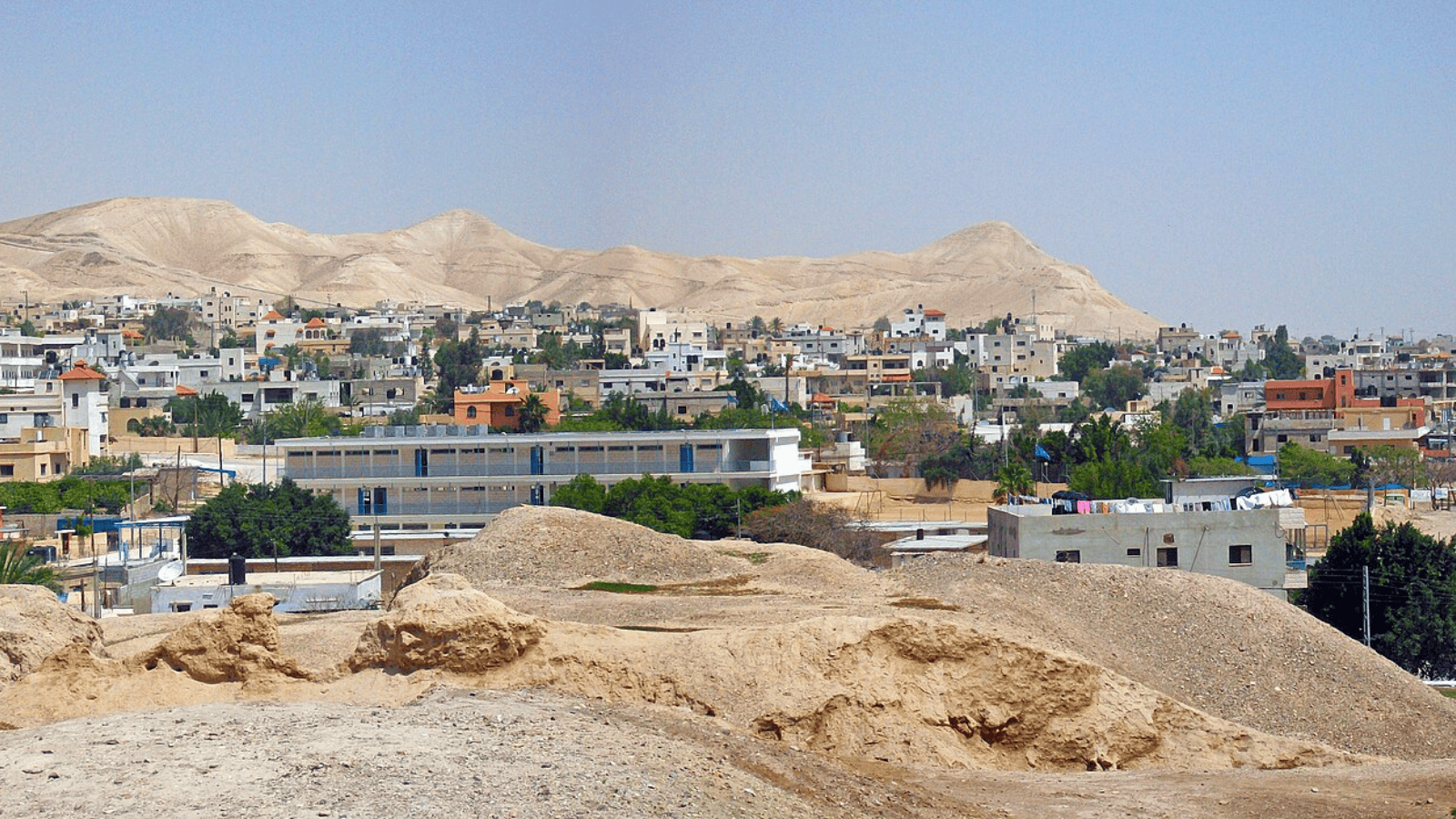
The dramatic fall of Jericho’s walls is a classic story, but the timeline doesn’t work.
Famous British archaeologist Kathleen Kenyon used advanced dating methods to prove that Jericho’s defensive walls were destroyed around 1550 BCE. That’s roughly 150 years before the Israelites supposedly arrived.
Finkelstein and Neil Silberman famously called the dramatic conquest “a romantic mirage.” In short, there wasn’t a walled city left for Joshua to conquer when he got there.
King David was a local chieftain
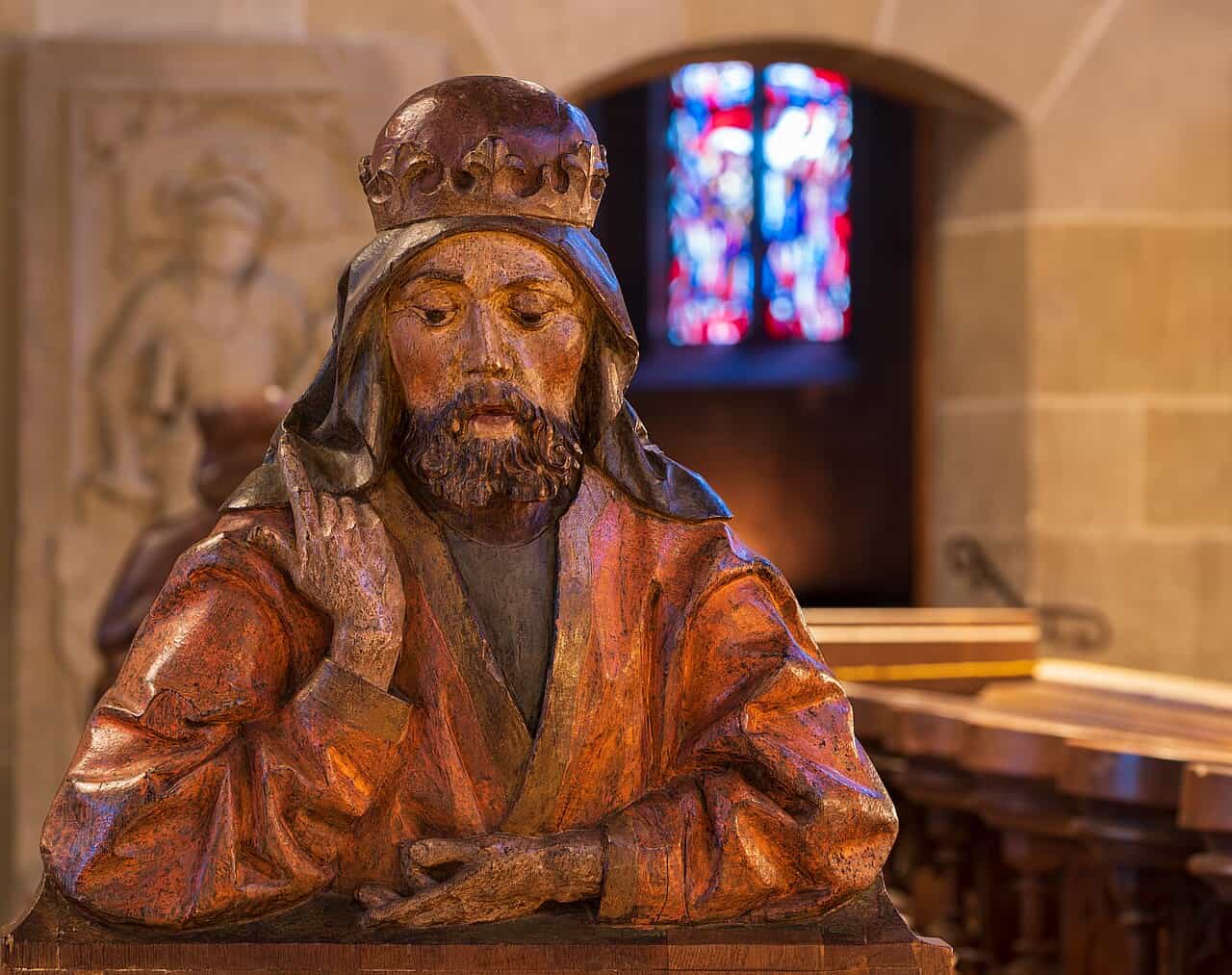
The glorious, wealthy empire of King David looks much smaller under the archaeological microscope.
Traditional stories paint Jerusalem as a sprawling imperial capital, but excavations show it was just a poor highland village back then. Renowned archaeologist Israel Finkelstein notes that tenth-century Jerusalem “controlled a sparsely settled hinterland.“
He describes David not as an emperor, but as a “highland chieftain” ruling a small chiefdom. The beautiful palaces once attributed to Solomon actually belong to later kings who ruled a century later.
A global flood is physically impossible

Science has completely washed away the idea of Noah’s global flood.
Geologists and biologists agree that covering the entire planet with water within the last 5,000 years is physically impossible. There’s no geological evidence of a single worldwide sediment layer, nor is there any genetic bottleneck indicating that all land animals restarted from a single pair.
The fossil record shows deep-time, gradual changes over millions of years. What we do see are localized floods in ancient Mesopotamia that likely inspired these legendary tales.
Languages didn’t start at Babel

Languages didn’t suddenly split because humans tried to build a giant tower.
Historical linguistics shows that human languages evolve slowly over thousands of years, mutating like biological organisms. In fact, fully formed, completely different languages like Sumerian and Egyptian were already written down in 3000 BCE.
This is centuries before the biblical timeline of the Tower of Babel. Linguist Lera Boroditsky points out that as experts dig deeper, they find unpredictable, complex structures that took tens of thousands of years to develop naturally.
Early Israelites worshipped multiple gods

Ancient Israelites weren’t always strict monotheists.
Fascinating archaeological finds, like eighth-century inscriptions at Kuntillet Ajrud, contain the shocking phrase “Yahweh and his Asherah.” This indicates that the national god of Israel actually had a female consort named Asherah.
Dever notes that early Israelite religion gradually evolved from Canaanite polytheism. The exclusive worship of one God was a much later political reform, not the starting point.
Moses didn’t write the Torah
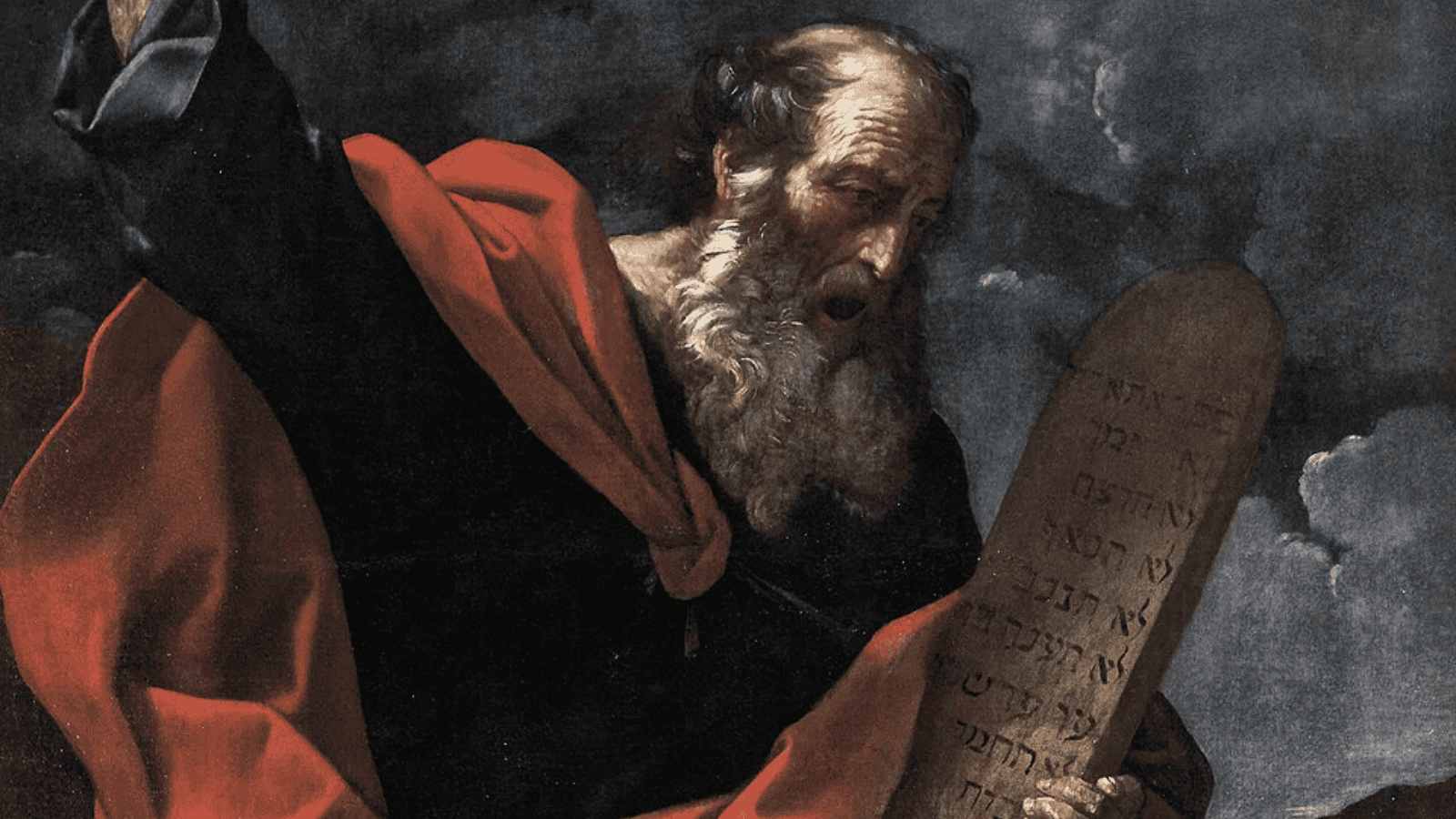
The first five books of the Bible weren’t written by a single man named Moses.
Scholars have long accepted the Documentary Hypothesis, which proves the Torah is a patchwork of four distinct sources compiled over hundreds of years. Simple textual clues make this obvious; for instance, Deuteronomy describes Moses’ own death and burial.
Julius Wellhausen popularized this theory after tracing how these texts evolved from simple nature worship to formal temple rules. Ultimately, the books are a beautiful mosaic of different historical perspectives rather than a single divine dictation.
The Christmas stories don’t line up

The famous birth stories in Matthew and Luke contain a massive ten-year historical clash.
Matthew claims Jesus was born when Herod the Great was alive, but Herod died in 4 BCE. Meanwhile, Luke says Jesus was born during the Roman census under Quirinius, who didn’t become governor until 6 CE.
Dr. Bart Ehrman points out that Luke simply got a historical detail wrong, writing decades after the fact. Because Herod died ten years before Quirinius took office, both birth timelines cannot possibly be right.
Creation order defies physics

The six-day creation story in Genesis gets the basic timeline of the universe backward.
According to Genesis, God created grass, herbs, and fruit trees on day three, but didn’t create the sun, moon, and stars until day four. In reality, plants rely on sunlight for photosynthesis and couldn’t survive a single day without a star.
Furthermore, astrophysics shows that the Sun and other stars existed billions of years before the Earth or its plants formed. This poetic narrative reflects an ancient, pre-scientific view of a flat earth covered by a hard sky dome.
Key takeaway

Modern experts aren’t trying to destroy faith, but rather to understand how these incredible stories actually came to be.
When archaeology, linguistics, and biology are applied, the Bible transforms from an inaccurate history textbook into a fascinating, human library of ancient wisdom, struggle, and cultural evolution. By embracing the science, readers get a much clearer, richer look at the real ancient world.
Disclaimer – This list is solely the author’s opinion based on research and publicly available information. It is not intended to be professional advice.
Like our content? Be sure to follow us