10 life skills every Gen Xer mastered that are completely obsolete in the AI era
So many once-essential habits now feel like memories from a different version of everyday intelligence.
Growing up in the analog days required a specific toolkit of survival tactics that kids today would find absolutely baffling. It was an era of manual labor disguised as everyday errands. People had to rely entirely on their own brains and a healthy dose of patience to get through a normal afternoon.
Artificial intelligence and smartphones have completely erased the need for those gritty problem-solving abilities. Looking back at those forgotten talents is like opening a time capsule from a much slower and more deliberate generation.
Recording Songs From The Radio
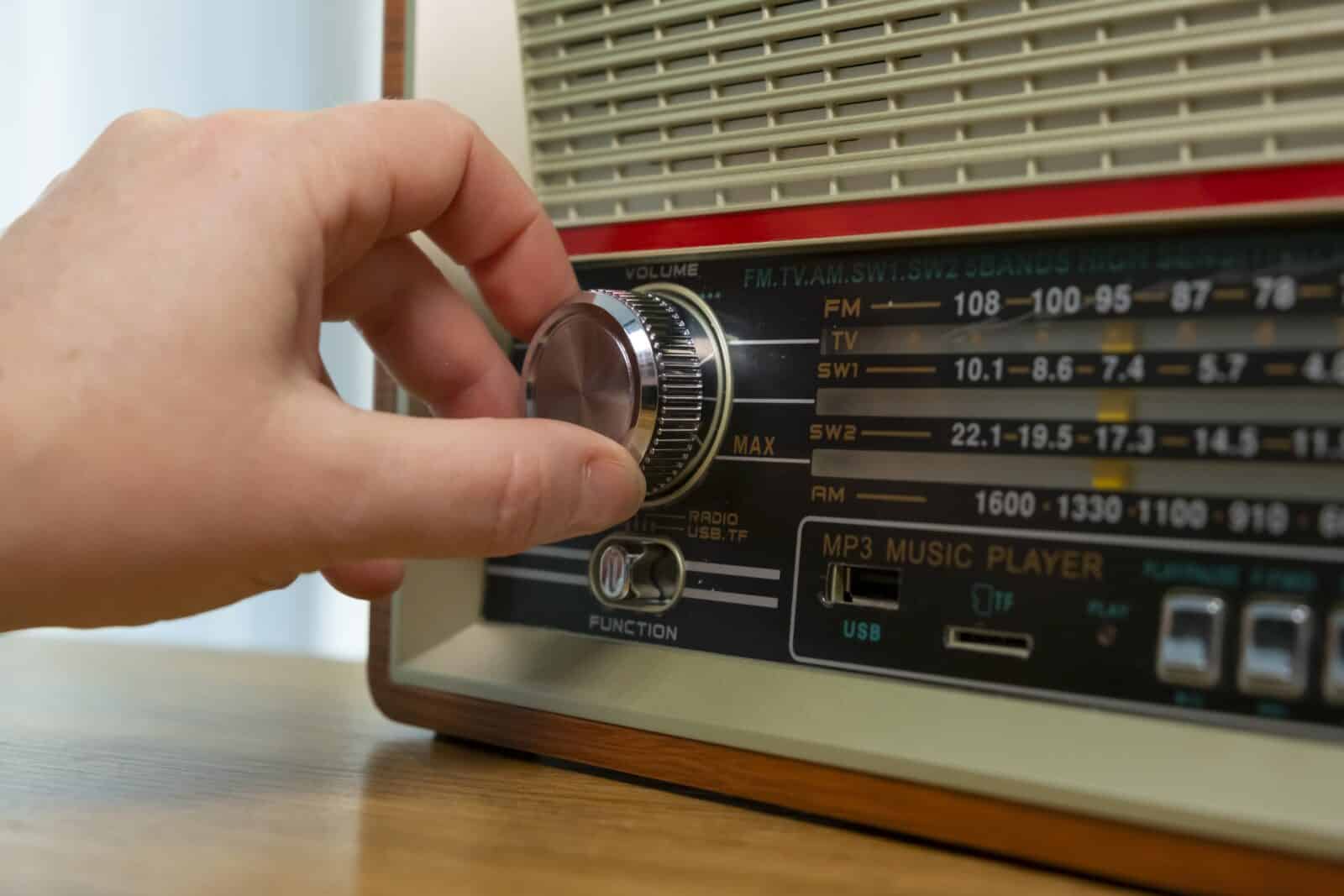
Capturing a favorite tune required sitting by the boombox for hours with a blank cassette loaded and a finger hovering over the record button. The local DJ always seemed to ruin the intro by talking straight through the best instrumental parts. Timing the exact moment to press record was an art form that took years to perfect.
Creating the perfect mixtape was a labor of love that showed someone you really cared about them. If the tape ran out of ribbon halfway through a hit track, the entire project was ruined. Modern streaming platforms give listeners every song instantly, but they lack the sweet victory of successfully catching a top hit on tape.
Balancing A Physical Checkbook

Keeping track of finances meant sitting down at the kitchen table with a calculator and a paper ledger. Every single grocery run or utility bill had to be logged by hand to avoid expensive overdraft fees. Missing just one tiny transaction could throw the entire monthly budget out of whack.
Technology has completely taken over the heavy lifting of personal accounting. According to a 2024 report by the Federal Reserve, the volume of commercial checks handled by Reserve Banks decreased by over five percent in a single year as digital payments dominated. Nobody needs to manually subtract their purchases anymore when banking apps update balances in real time.
Using Paper Maps For Road Trips

Planning a cross-country drive meant wrestling with a giant paper atlas that never folded back together correctly. The front seat passenger held the unofficial title of navigator and bore the full responsibility of not missing the exit. One wrong turn on a dark highway could add three hours to a family vacation.
Today, a calming digital voice handles all the navigation while recalculating routes to avoid traffic jams. A 2024 report by Market.us revealed that consumer electronics like smartphones now capture over sixty percent of the global smart navigation apps market. The intense pressure of reading a folded map under a dim dome light is thankfully a thing of the past.
Looking Up Facts In Encyclopedias

Settling a friendly debate or writing a school report required cracking open a heavy volume of an encyclopedia set. You had to rely on whatever information was printed in that specific edition, even if it was ten years out of date. If your family could not afford the books, you had to beg your parents for a ride to the public library.
Now, humanity has the collective knowledge of the world resting comfortably inside pocket devices. The Wikipedia Foundation noted that the site’s most popular article alone received almost fifty million views. Artificial intelligence can now summarize complex historical events in seconds, making those dusty alphabetical volumes completely useless.
Remembering Birthdays Without Alerts

Before social media, being a good friend meant actually remembering important dates using a physical calendar. You had to actively write down birthdays at the start of the year or risk making an angry phone call to apologize later. Sending a card required buying stamps and calculating the exact delivery time for the postal service.
Digital reminders have completely automated the social obligation of wishing someone a happy birthday. A 2025 demographic report by Pew Research shows that 71 percent of the United States population uses Facebook, making it the ultimate automated calendar. It takes zero effort to type a quick message on a timeline when the algorithm practically forces you to do it.
Developing Film
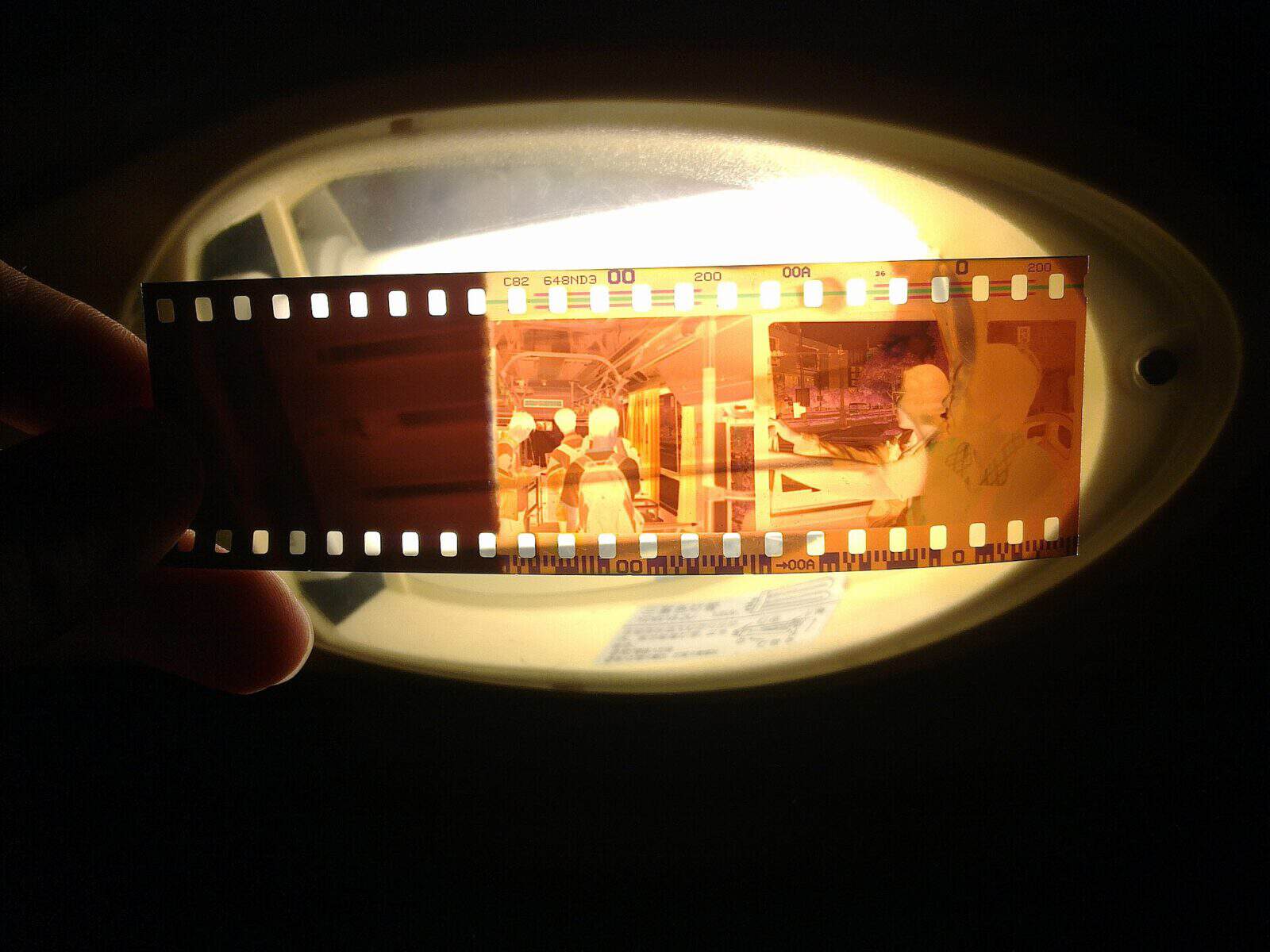
Taking pictures on vacation involved a terrifying level of blind faith because you never knew if the shot actually looked good. Everyone had to wait days or even weeks to drop off the little plastic canister at the drug store. Flipping through the printed photos was a suspenseful experience full of blurry thumbs and red eyes.
While analog cameras have seen a tiny bump in niche popularity recently, digital photography rules the earth. Market Reports World reported that online searches for film cameras rose by 41 percent in 2024, driven mostly by young hobbyists chasing a vintage aesthetic. For the average person, instant digital previews completely killed the magic and disappointment of the one-hour photo lab.
Memorizing Important Phone Numbers

There was a time when the average person had the phone numbers of their best friends and local pizza joints permanently burned into their brain. Your mind functioned as a biological address book because losing your paper copy was a social disaster. Dialing a number repeatedly from memory builds a weird muscle memory in your fingers.
Smartphones have turned society into lazy communicators who barely know their own emergency contact numbers. An Ooma survey revealed that while most people rely heavily on digital contacts, the vast majority of respondents still hold onto at least five memorized phone numbers. Gen Xers still have childhood landline numbers stuck in their heads, even though those lines were disconnected decades ago.
Searching The Dewey Decimal System

Finding a book in a massive library meant pulling open little wooden drawers and flipping through typed index cards. You had to decipher the numeric code and then go on a wild goose chase through endless rows of silent shelving. It was a physical research quest that demanded logic and an incredibly quiet set of footsteps.
Digital catalogs and search bars eliminated the need for those charming wooden card cabinets. Finding a specific author today requires typing two letters before the system auto-completes the thought for you. The satisfaction of physically tracking down a rare book by its spine number is a feeling modern kids will never grasp.
Cursive Handwriting For Communication

Teachers used to threaten students by claiming that high school and college professors would only accept assignments written in flowing cursive. Penmanship was treated as a vital life trait that reflected your level of education and personal discipline. Spending hours looping letters together on lined paper was a major rite of passage in elementary school.
Keyboards and voice-to-text software have basically turned handwriting into a niche form of calligraphy. Most daily communication happens through quick texts or hastily typed emails full of autocorrected typos. Beautiful handwriting has been replaced by the ability to type ninety words per minute without looking at the keyboard.
Tuning The Television

Watching your favorite cartoon often meant standing next to the television and adjusting a set of metal rabbit ears. Someone always had to hold the antenna at a bizarre angle just to make the static disappear from the screen. Adding aluminum foil to the tips was a legendary neighborhood hack for pulling in a weak broadcast signal.
High definition streaming completely wiped out the struggle of fighting the local weather for a clear picture. You simply press a button, and a massive catalog of crisp movies instantly appears on demand. Nobody has to serve as the human television stand just so the rest of the family can watch the big game.
Like our content? Be sure to follow us