10 major reasons why young men and women are splitting politically
Has dating started to feel like navigating a political minefield lately?
A historic political chasm is opening up between young American men and women, rewriting the rules of relationships. A massive gender divide has emerged, with young women turning sharply liberal while young men are staying moderate or conservative. This ideological split represents the widest gender gap ever recorded for this generation.
Gen Z is fracturing along gendered lines like never before. This isn’t just a phase; it’s a deep shift driven by tech, money, and identity.
The college graduation gap is reshaping peer environments

Higher education has become a major dividing line for young Americans. Women now make up the majority of college students, earning 58% of all bachelor’s degrees. This leaves college campuses heavily skewed toward socially liberal peer settings.
Meanwhile, young men are increasingly skipping college to enter the trades. This means they miss out on those shared environments where social views are reshaped.
Separate social media feeds create distinct realities
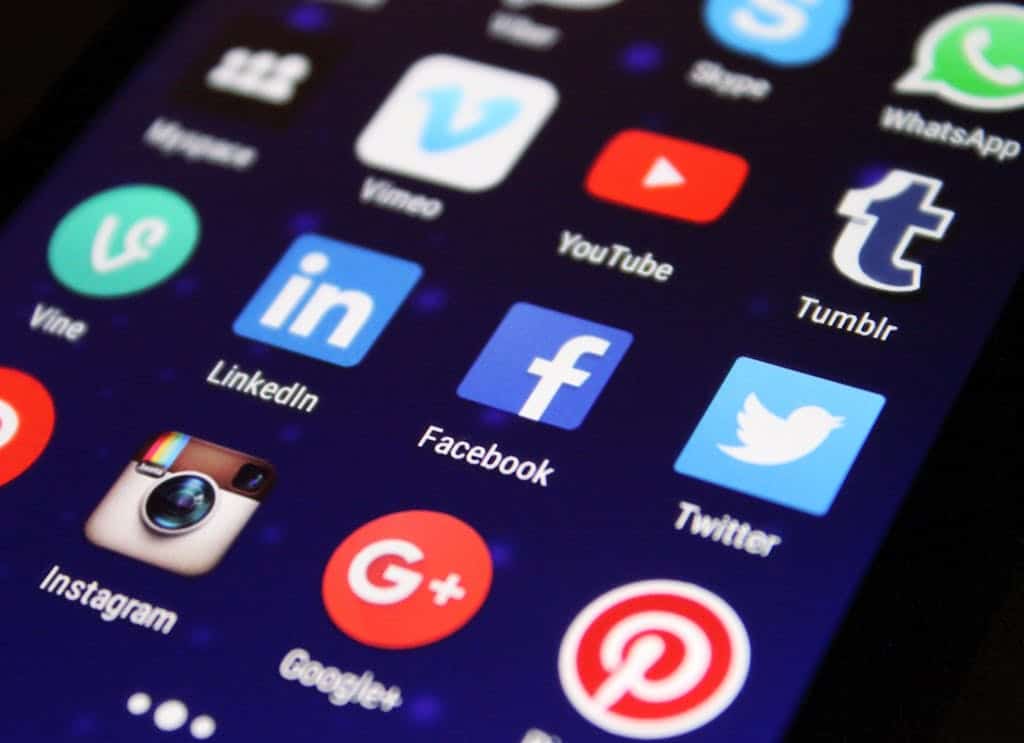
Phone algorithms are dividing people into separate digital planets. Young women spend their time scrolling through Instagram and TikTok for their daily political news. In contrast, young men are overwhelmingly hanging out on YouTube and Reddit.
These platforms use smart algorithms designed to keep users hooked by feeding them pre-selected content. Without a shared feed, young men and women don’t even agree on the same facts anymore.
Alternative media and podcasts heavily target young men

Podcasts and gaming channels have quietly become the new political headquarters for young guys. Streamer Hasan Doğan Piker warns that online hobbies like gaming or fitness are dominated by center-right to Trumpian views. These alternative spaces build deep trust with young men who feel ignored by mainstream media.
They turn to hosts like Joe Rogan, whose listener base is over 80% male, for real talk. Daniel Cox, director of the Survey Center on American Life, part of the conservative American Enterprise Institute think tank, explains that young men feel that no one in mainstream politics is actually advocating for them.
The Dobbs decision mobilized young women on reproductive rights

The Supreme Court’s decision to overturn Roe v. Wade was a massive wake-up call for young women. This wasn’t just a political debate; it was a deeply personal threat to their bodily autonomy. It pushed Gen Z women to become the most progressive group in modern American history.
While women rallied around healthcare, many young men prioritized economic issues like inflation. This divergence in priorities has created what experts call a “gender chasm” rather than a gap.
Resentment grows over diversity, equity, and inclusion initiatives

A lot of young guys feel like modern diversity and equity efforts are leaving them out. A growing fear among men is that women’s gains are actively coming at their expense. Polling by Ipsos shows that 60% of young men believe promoting equality has gone too far and now discriminates against men.
They feel demonized by mainstream culture while struggling to find their own place in a fast-changing economy. This frustration makes right-wing candidates who promise a return to traditional values look very appealing.
A massive single-status gap feeds male social isolation

An absolute crisis of male loneliness is unfolding across the country right now. A shocking 63% of young men aged 18 to 29 are single, compared to just 34% of young women.
This means young men are overwhelmingly the loneliest demographic in the country.
This deep isolation is pushing many young men into dark, cynical political corners. Without healthy social networks or partners, they are much more likely to adopt radical right-wing views.
The #MeToo movement shifted core cultural values

The #MeToo movement completely rewired the way young women view society. It empowered them to speak out against sexism and embrace fierce anti-patriarchal values. Today, 61% of Gen Z women proudly call themselves feminists.
But young men haven’t shifted their values at the same pace, creating a major lag. This cultural lag means the two groups are operating on totally different sets of rules.
Divergent career paths alter economic expectations

The modern economy has shifted rapidly from physical labor to a knowledge-based market. This shift has boosted female career success, with women increasingly becoming primary breadwinners. Many young men feel they are falling behind as traditional male-dominated industries shrink.
This economic anxiety makes the left’s progressive social goals feel like a luxury they can’t afford. Instead, men turn to conservative promises of economic deregulation and job growth.
Differing views on traditional masculinity create friction

What does it even mean to “be a man” anymore? It’s a question driving a massive political wedge between the sexes. While the left often critiques “toxic masculinity,” the right actively celebrates traditional male traits.
This has created a deep divide in what young men and women expect from each other. These diverging expectations are turning dating into a political ideological test.
The loss of face-to-face interaction reduces empathy

To be completely blunt, smartphones are outcompeting personal contacts. Instead of hanging out in mixed-gender groups, young people are isolated behind screens. Without real-world friendships, it’s easy to reduce the other sex to a caricature.
Spending more time offline is the key to turning this tide. When young people actually hang out, they realize they have way more in common than their feeds suggest.
Key takeaway from this growing political divide

Ultimately, the political split among young Americans isn’t just about voting cards; it’s about a deeper social fracture. Tech algorithms, distinct career options, and clashing expectations of gender are driving young men and women apart. To fix this, the only real solution is to log off and rebuild offline connections.
Disclaimer – This list is solely the author’s opinion based on research and publicly available information. It is not intended to be professional advice.
Like our content? Be sure to follow us