12 ugly ways America’s wealth obsession is hurting everyone else
America loves a success story, especially when it comes wrapped in a mansion, a private jet, and a net worth that sounds more like a phone number than a life. The problem is that wealth worship has moved far beyond admiration. It now shapes how people vote, heal, study, work, date, dream, panic, and measure their own worth in a country where money often gets treated like proof of character.
According to 2024 data from Credit Karma, 44% of Gen Z and 46% of millennials admit to being obsessed with the idea of being rich, fueling what experts call “money dysmorphia”—a distorted view of one’s finances that leads to poor financial decisions and affects 29% of Americans.
That is where the story gets uncomfortable. Extreme wealth does not just sit quietly in someone’s investment portfolio. It moves through politics, schools, hospitals, climate policy, social media, workplaces, and family life, often landing hardest on people who already carry the most pressure, including women, caregivers, Black and Latina families, low-income workers, disabled people, and anyone trying to survive without a financial cushion thick enough to soften every fall.
Billionaire influence is making democracy feel smaller
Democracy is supposed to mean one person, one vote, one shared stake in the future. Yet extreme wealth has a way of turning the volume knob up for a tiny group of people while everyone else keeps shouting from the back of the room. Oxfam’s 2026 research found that billionaires are more than 4,000 times more likely to hold political office than ordinary people, which gives the ultra-rich a level of political access most Americans will never come close to touching.
Brown University’s Watson Institute has warned that great wealth can tilt policy away from the needs of the majority through donations, media control, and influence over public institutions. That matters because democracy does not collapse only when someone storms the gates. Sometimes it weakens quietly, policy by policy, donor dinner by donor dinner, until ordinary people start to wonder whether voting can compete with money.
Financial pressure is eating away at mental health
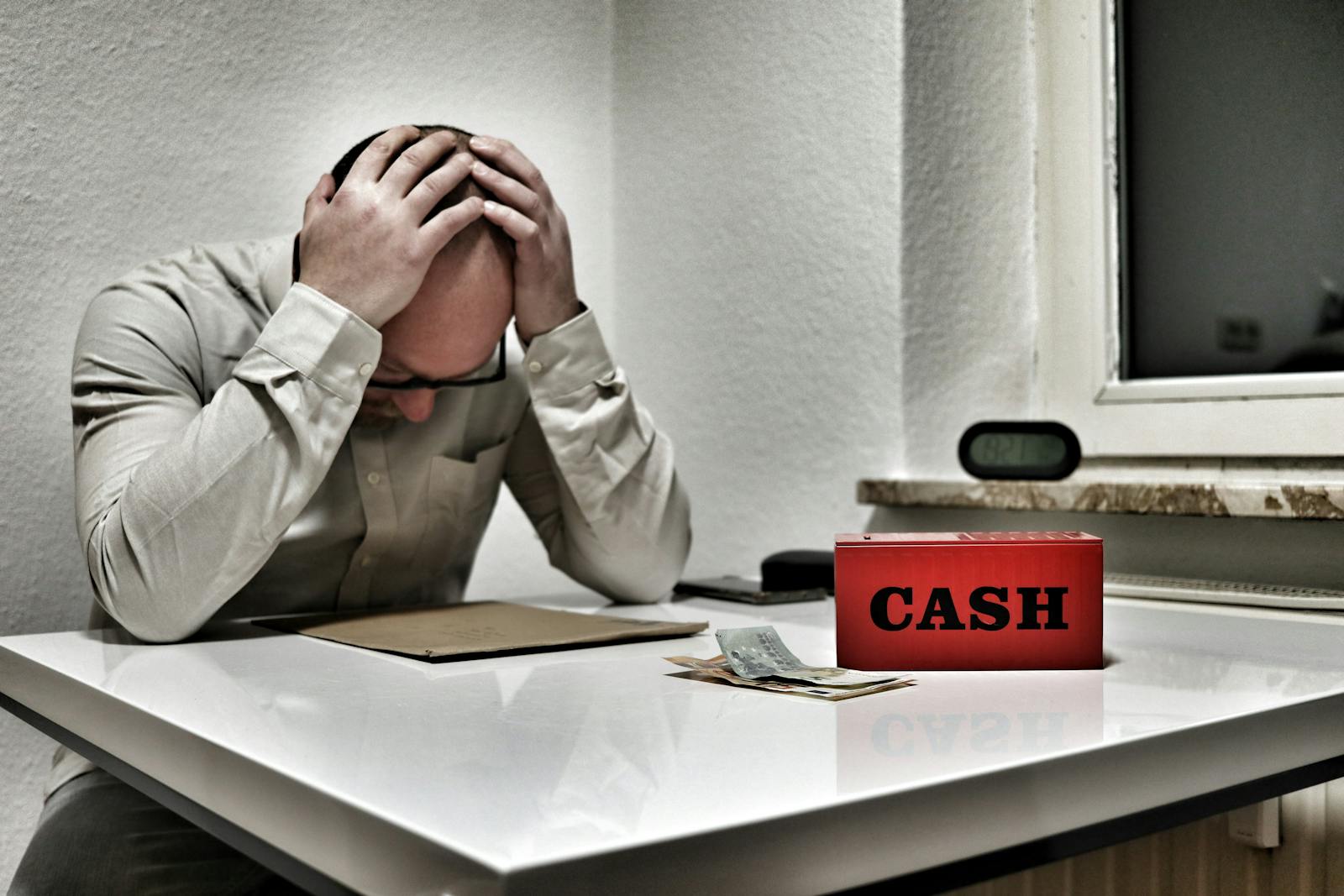
Money stress does not stay inside a bank app. It follows people into bed, into work, into relationships, into parenting, into every small decision that should feel simple but suddenly feels loaded. TIAA Institute research from 2024 found that 42% of U.S. adults say money negatively affects their mental health, and financial stress has been linked to a 34% increase in absenteeism and tardiness.
That is not a small emotional bruise. It is a national mood. University at Buffalo psychology research found that when people tie their self-worth to financial success, they become more vulnerable to stress, anxiety, negative emotion, and a reduced sense of control over their lives.
Researcher Lora Park warns that people often overlook the cost of “wrapping their identity and self-worth around financial pursuits.” In a culture that keeps asking people what they earn before asking how they are, that warning feels painfully current.
Materialism can make trauma harder to survive

Shopping can feel like a tiny rescue mission when life gets heavy. A new bag, a cart full of home goods, a glossy package at the door, sometimes it feels like proof that the day did not completely win. Yet University of Illinois research found that materialism can amplify the impact of traumatic events, making highly materialistic people more likely to experience post-traumatic stress, compulsive consumption, and impulsive buying after frightening experiences.
That does not mean people are shallow for wanting beautiful things. It means a society that sells consumption as comfort may be giving people a bandage that does not hold. The same research suggested that materialistic individuals often have lower self-esteem, which can make it harder to cope with illness, accidents, natural disasters, or other frightening events. The purchase may soothe for a moment, but the ache is still waiting under the receipt.
Health still follows the money

A wealthy society should not make medical care feel like a luxury item, but America keeps finding ways to do exactly that. A Bureau of Labor Statistics summary of health and income research found that people from top-income families were more than twice as likely to report very good or excellent health compared with people in the bottom income group.
Health does not begin in the doctor’s office. It begins in housing, food, stress levels, neighborhood safety, insurance coverage, paid leave, and the freedom to seek care before a problem becomes a crisis.
West Health and Gallup found in 2025 that 11% of U.S. adults, about 29 million people, were recently unable to afford or access quality healthcare and needed medicine. The burden fell harder on Hispanic adults at 18%, Black adults at 14%, and households earning under $24,000 a year at 25%.
For women who manage family appointments, stretch grocery money, care for children or elders, and delay their own checkups to keep everyone else afloat, these numbers are not abstract. They are the quiet math of survival.
Education is still pretending wealth is merit

America loves to tell children that hard work opens doors. The uncomfortable truth is that some doors come with a family key, a private tutor, a safe neighborhood, a college savings account, and parents who can afford unpaid internships, test prep, and time.
Research by sociologist Fabian Pfeffer found large wealth gaps in educational outcomes, including a high school graduation rate of about 91% for children from the highest wealth quintile compared with about 73% for those from the lowest.
The gap grows even wider after high school. Pfeffer’s research found that children from the highest wealth group had a major advantage in college access and an even larger advantage in college graduation, with rates near 54% compared with about 9% among children from the lowest wealth group. That is not a meritocracy humming along nicely. That is a race where some children start miles ahead, then get congratulated for having better shoes.
Social mobility has slowed to a crawl
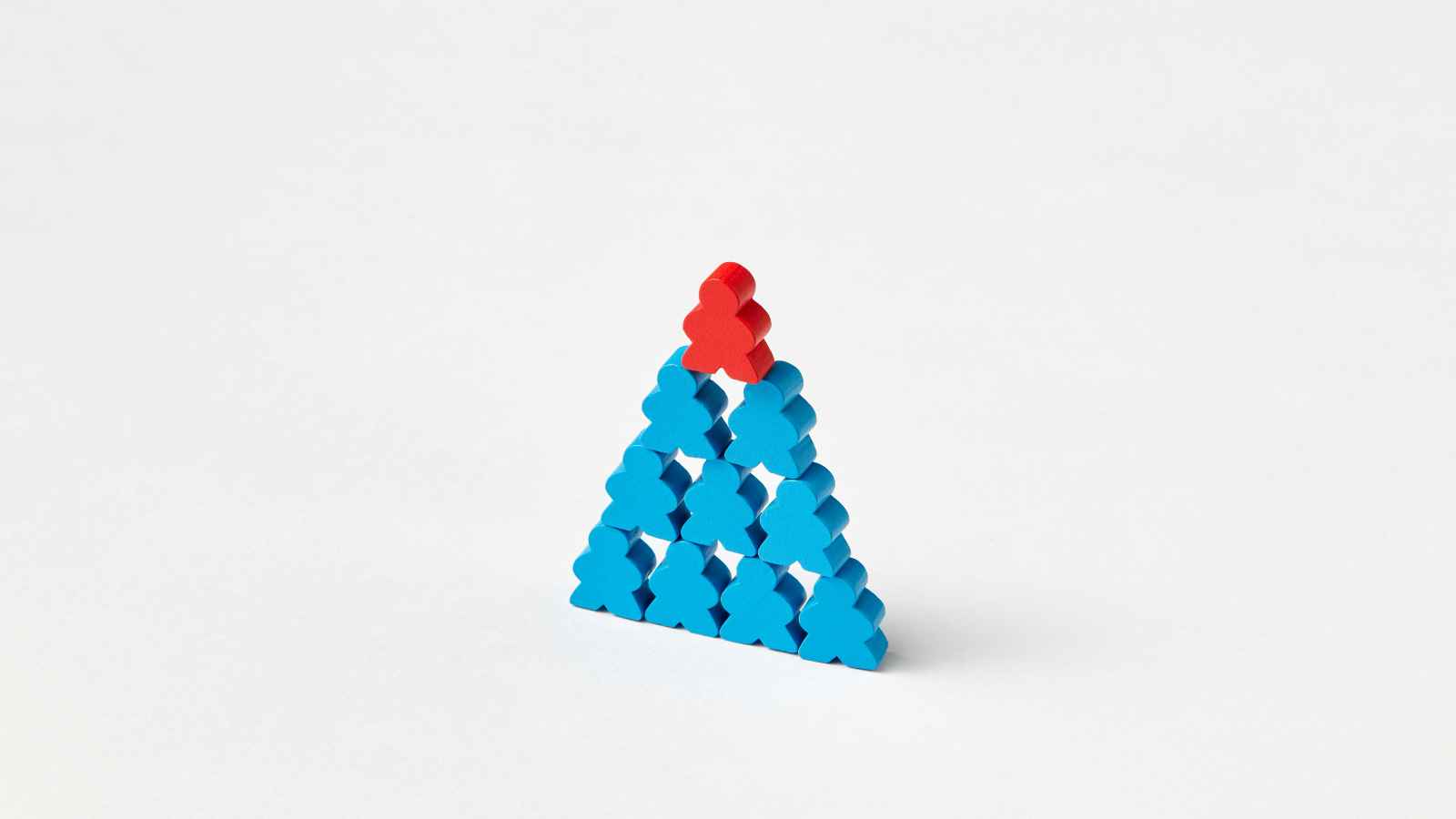
The American Dream depends on movement. It needs people to believe that a child can start with little and still build something better. Yet researchers at the Federal Reserve Bank of Cleveland found that wealth mobility has declined over recent decades, meaning families have become less likely to move up or down the wealth ladder over time.
That finding cuts deep because it challenges one of the country’s favorite comfort stories. If families are increasingly locked into the wealth position they were born into, then “just work harder” starts sounding less like advice and more like a way to avoid looking at the locked gate.
When wealth stays concentrated, and opportunity travels through inheritance, housing, investments, and family networks, poverty becomes stickier, privilege becomes quieter, and the ladder starts to look more decorative than useful.
Consumer culture is making people lonelier
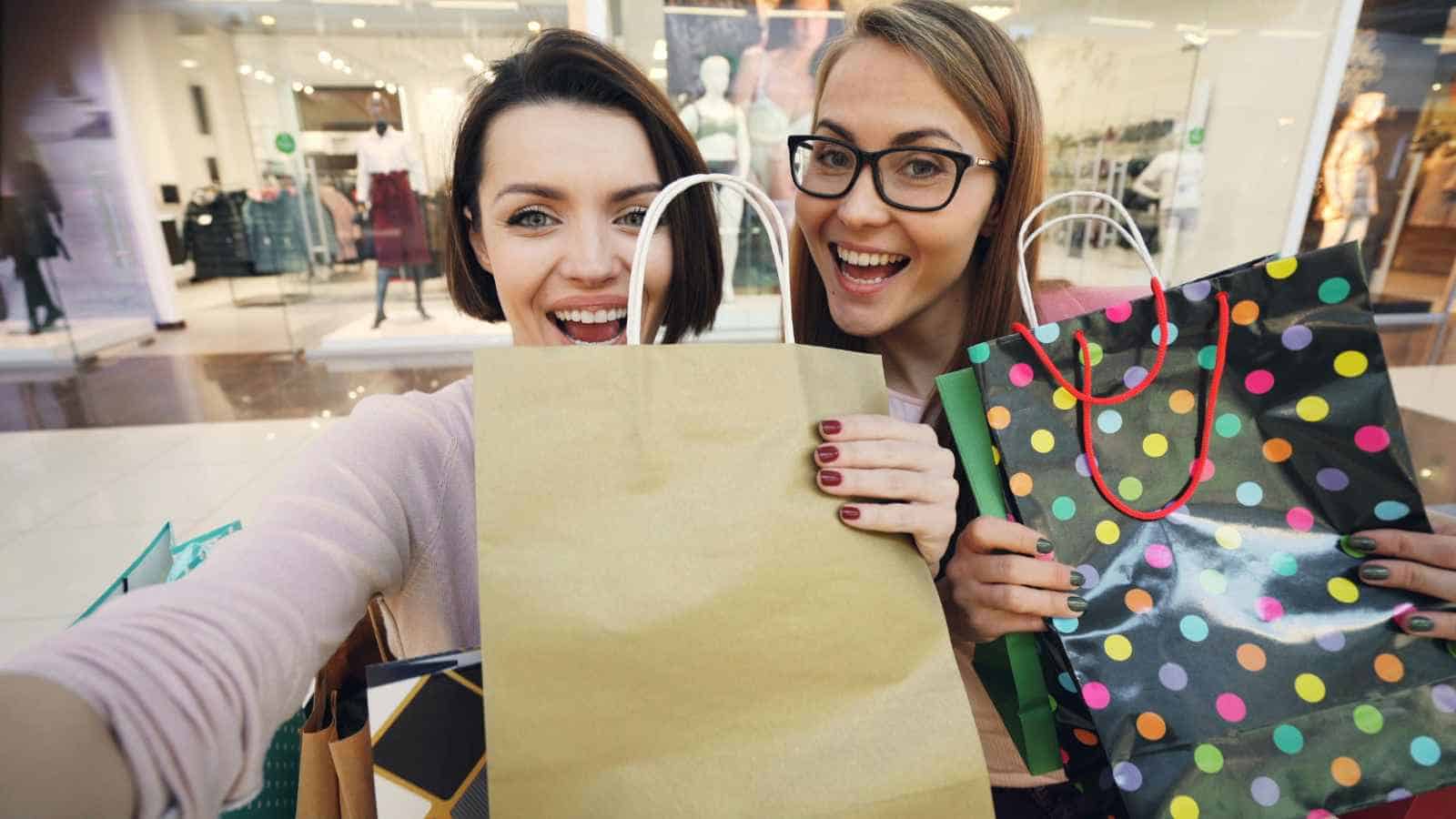
The market does not simply sell products. It sells identities, moods, bodies, lifestyles, and tiny promises that one more purchase will make a person more desirable, more respected, more complete, and safer. Research reported by the Association for Psychological Science found that people who place a high value on wealth, status, and possessions tend to be more depressed, more anxious, and less sociable than people who do not.
Northwestern University research also found that when people were placed in a consumer mindset, they showed more negative emotion and social disengagement. Participants exposed to images of consumer goods rated themselves higher in depression and anxiety and showed less interest in social activities.
That is the strange loneliness of wealth obsession. It keeps telling people to buy the life they want, then quietly cuts the threads that connect them to other people.
The racial wealth gap remains brutally wide
Wealth obsession becomes even more dangerous when a country pretends everyone had the same chance to build wealth in the first place. Inequality.org, a project of the Institute for Policy Studies, reports that white households held 84.2% of all U.S. wealth as of the fourth quarter of 2023, while making up about 66% of households. Black families made up 11.4% of households and held 3.4% of total family wealth, while Hispanic families made up 9.6% of households and held 2.3%.
Those numbers carry generations of policy, exclusion, housing discrimination, unequal schooling, labor exploitation, and blocked access to wealth-building tools. The same source reported that an estimated 28% of Black households and 26% of Latino households had zero or negative wealth in 2019, about twice the level of white households.
For women of color, that gap can shape everything from birth outcomes to business ownership, caregiving choices, housing security, and the ability to leave unsafe relationships.
Wealthy overconsumption is worsening the climate crisis

The climate crisis is often sold to ordinary people as a story about paper straws, light bulbs, and shorter showers. Those choices can matter, but they do not tell the whole story. Oxfam reported that the richest 1% of the global population produced as much carbon pollution in 2019 as the five billion people who made up the poorest two-thirds of humanity.
Columbia University’s State of the Planet also highlighted a 2015 study finding that the production and use of household goods and services was responsible for 60% of global greenhouse gas emissions. That means consumer culture is not just cluttering closets. It is heating the planet.
Women and girls, especially in poorer communities and climate-vulnerable regions, often carry the harshest consequences when floods, droughts, food insecurity, displacement, and caregiving burdens rise.
The myth of the self-made billionaire is wearing thin

America clings tightly to the self-made billionaire myth because it makes extreme wealth feel noble, almost heroic. Work hard enough, invent something brilliant enough, hustle long enough, and maybe the universe will hand you a superyacht. Oxfam America’s 2026 analysis tells a less glittery story, reporting that about 60% of billionaire wealth comes from inheritance, cronyism and corruption, or monopoly power.
The same analysis noted that in 2023, more new billionaires became rich through inheritance than through entrepreneurship for the first time. That matters because the “self-made” myth does cultural work. It tells struggling people they simply have not tried hard enough, while allowing inherited advantage and monopoly power to dress up as genius.
Some people build. Some people innovate. But a society should be honest about how often extreme wealth grows from systems designed to protect those already standing at the top.
Public institutions get remade by private wealth

When public institutions are underfunded, wealthy donors often step in, wearing the soft glow of generosity. A scholarship here, a museum wing there, a hospital gift, a park renovation, a university building with a family name carved into the stone. Some of that giving can help real people, and nobody needs to pretend otherwise.
But Brown University’s Watson Institute raises a sharper question. What happens when an elite group of Americans gains outsized power to shape universities, museums, hospitals, parks, media, and city life because public systems are starved for cash? Philanthropy can support a community, but it cannot replace democracy.
A society should not have to wait for a billionaire’s favorite cause to get clean parks, decent schools, trusted journalism, safe hospitals, or a future that belongs to everyone.
Wealth obsession creates a culture of fear
A culture built around getting rich rarely feels peaceful. It teaches people to chase, compare, hoard, defend, and panic. For those without wealth, the fear is obvious: one medical bill, one layoff, one rent hike, one family emergency, and the floor can disappear. For those with extreme wealth, the fear often turns into a different kind of cage, built around losing status, losing control, losing access, losing the fortress.
Brown University scholars have argued that great wealth changes culture by feeding the belief that ordinary people and politics cannot get much done. That belief is poisonous. If people stop trusting collective action, they retreat into private survival plans, private schools, private security, private healthcare, private everything.
The result is a lonely country where everyone is told to save themselves, even though no one actually survives a broken society alone.
The takeaway
America’s wealth obsession does not just ask people to admire money. It asks them to confuse money with worth, power with wisdom, luxury with safety, and billionaire success with national progress.
That confusion leaves real damage behind: weaker democracy, worse mental health, wider racial gaps, poorer health outcomes, climate harm, lonely consumerism, and a public life that feels increasingly reserved for people who can pay the entry fee.
Disclaimer – This list is solely the author’s opinion based on research and publicly available information. It is not intended to be professional advice.
Like our content? Be sure to follow us