The dark side of AI in classrooms: 12 things parents should know
AI has walked into the classroom faster than most parents were invited into the conversation. One minute, children were being told to show their work, write their own essays, and think through hard problems. The next, a chatbot could summarize the chapter, draft the paragraph, solve the equation, polish the argument, and sound oddly confident even when it was wrong.
By 2025, 84% of high school students reported using generative AI tools for schoolwork, up from 79% at the beginning of that same year, with ChatGPT emerging as the tool of choice for 69% of students. While 85% of teachers and 86% of students now use AI during the academic year.
That does not mean AI is automatically the enemy. Used carefully, it can explain concepts, support students with disabilities, help teachers plan, translate information, and give learners another way into difficult material. But the danger comes when schools, families, and tech companies move faster than children’s development, privacy, fairness, and critical thinking can handle.
AI is already everywhere in student work

AI use among students is no longer a future trend. It is already part of everyday school life, especially in higher education. The Higher Education Policy Institute’s 2025 student survey found that 92% of surveyed UK undergraduates had used generative AI in some form, up from 66% the year before. Even more striking, 88% had used AI for assessments, up from 53% in 2024.
That does not mean every student is cheating. Many use AI to explain concepts, brainstorm ideas, summarize readings, or check their understanding. But the scale matters because schools are now trying to teach inside a world where help and substitution can look almost identical.
A child may begin by asking AI to explain a topic, then slowly let it shape the answer, structure the essay, or do the thinking entirely. The line can blur quickly, especially when the tool sounds helpful, polite, and sure of itself.
Academic integrity is getting harder to protect

Teachers used to worry about copied paragraphs, bought essays, or suspiciously polished assignments. AI has made the problem much harder. A student can now generate original-looking work in seconds, revise it, personalize it, and submit something that may not trigger old plagiarism tools.
A University of Reading study tested this problem in a real university exam system and found that AI-generated exam answers went undetected in 94% of cases. Even worse, those AI submissions often received higher grades than real student work. For parents, the concern is not only whether a child “gets away with it.”
The deeper concern is what happens when a grade says a child understands something, but the child never actually built the skill the assignment was meant to teach.
The risks may currently outweigh the benefits for children

The loudest sales pitch for classroom AI often focuses on efficiency. Faster grading. Personalized tutoring. Instant feedback. Easier lesson planning. But children are not productivity apps. Their learning depends on relationships, effort, memory, confidence, attention, curiosity, and the slow development of judgment.
Brookings released a 2026 report warning that the risks of generative AI in children’s education currently overshadow the benefits if schools and policymakers do not act carefully. The study drew on global consultation and research review, and it raised concerns about learning, social-emotional development, trust, safety, privacy, and equity.
That does not mean AI should be banned from every classroom. It means adults should stop treating adoption as inevitable and start asking what kind of childhood learning environment they are building.
Critical thinking can weaken when AI becomes the shortcut
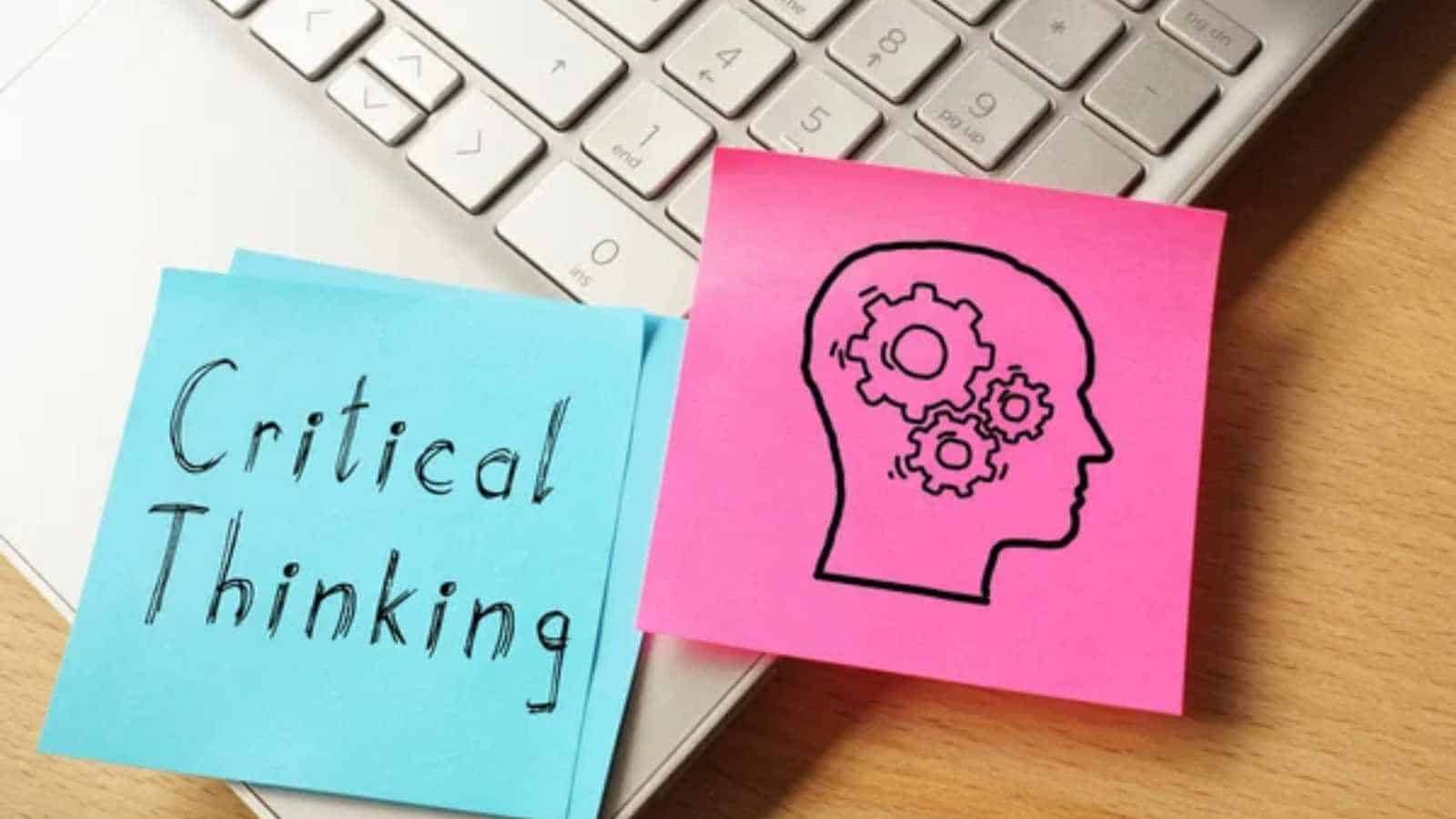
A child learns by wrestling with a problem. The confusion, the wrong turn, the messy first draft, the crossed-out sentence, the second attempt, the question asked after class: these are not signs of failure. They are part of learning. AI becomes dangerous when it removes too much of that struggle.
If students rely on AI for answers before they have formed their own thinking, they may become skilled at prompting but weaker at reasoning. They can learn how to ask a machine for an argument without learning how to build one. They can submit a polished paragraph without understanding why it works.
The risk is not that children will become lazy overnight. It is that they may slowly lose tolerance for the uncomfortable stretch where real thinking happens.
AI detectors can unfairly punish non-native English speakers
One of the most troubling issues is fairness. Schools are under pressure to catch AI misuse, but the tools used to detect it can make serious mistakes. Stanford researchers found that AI detectors were especially unreliable for non-native English writing. In the study, more than half of non-native English writing samples were misclassified as AI-generated, and one detector flagged nearly 98% of TOEFL essays.
That is not a small technical glitch. It is a justice problem. A multilingual student, immigrant student, international student, or child still mastering academic English could be falsely accused of cheating because their writing style looks “too predictable” to a detector. For families, this is a red-alert issue.
Schools should not treat AI detector scores as courtroom evidence. A child’s reputation should not hang on software that may confuse language learning with dishonesty.
Trust between teachers and students is under strain

Learning needs trust. A teacher needs to believe a student’s work reflects their effort. A student needs to believe a teacher is there to guide them, not hunt them. AI can weaken that trust if every assignment becomes a suspicion exercise.
Teachers are now being asked to do something exhausting: teach the subject, support students, manage behavior, grade work, learn new technology, update policies, and somehow identify whether a paragraph sounds human enough. Students, meanwhile, may feel watched, doubted, or afraid to use legitimate support tools.
When the classroom turns into a quiet detective story, the relationship suffers. And once trust breaks, learning becomes colder.
Student privacy is more exposed than many families realize

AI tools can collect far more than a typed question. Depending on the platform, students may enter names, assignments, writing samples, learning difficulties, health information, images, voice data, behavior patterns, or family details. That data can become vulnerable if schools do not know exactly what tools collect, store, share, or use for training.
The National Education Association has warned that schools are major targets for cybercriminals, noting that U.S. pre-K-12 districts affected by ransomware more than doubled from 45 in 2022 to 108 in 2023. Among those districts, 77 had data stolen.
Parents should not have to become cybersecurity experts to send a child to school, but they do have the right to ask hard questions: What AI tools are being used? What data do they collect? Who owns it? Can families opt out? How long is the data stored?
Social and emotional learning can get pushed aside
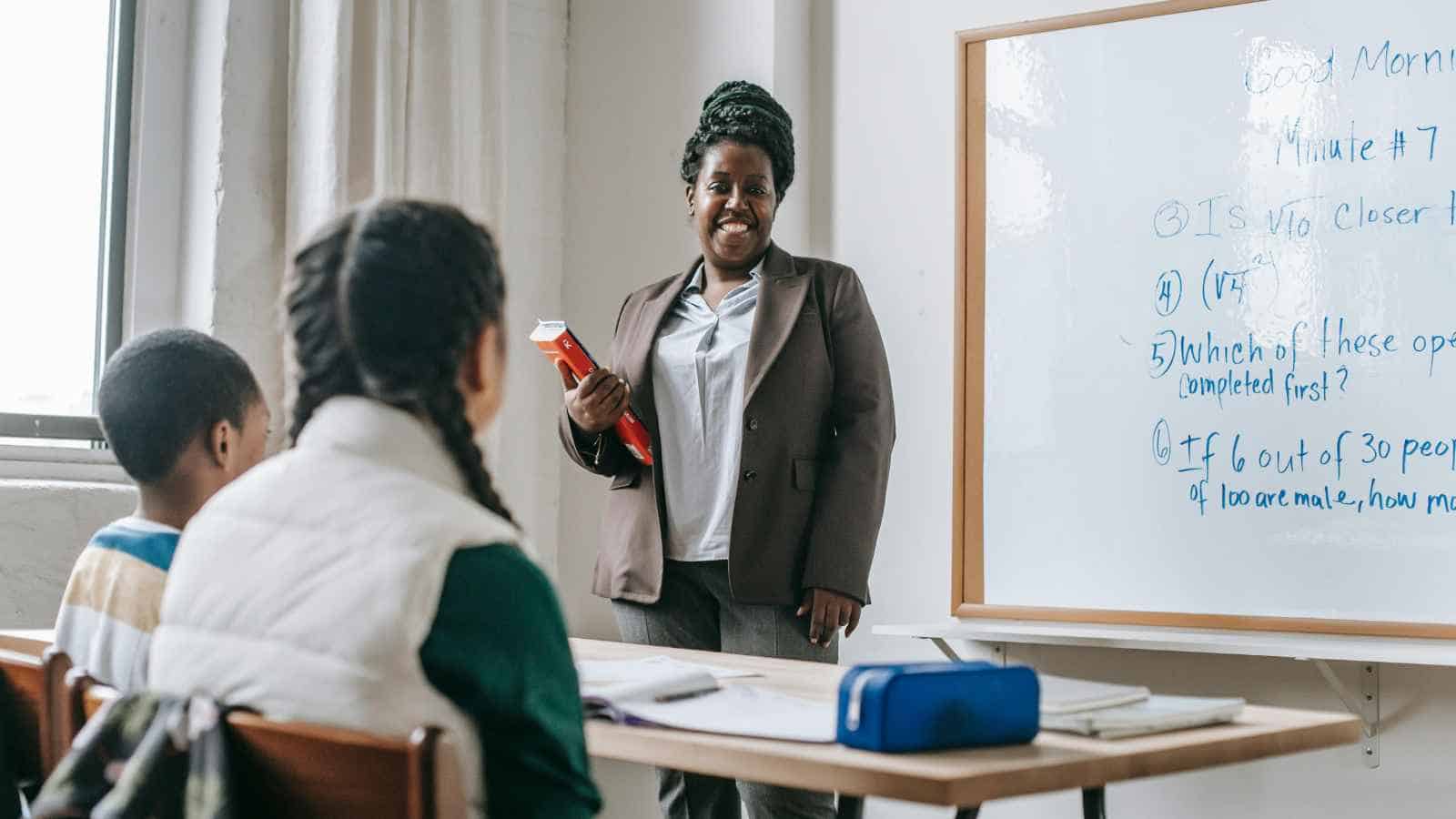
Children do not learn only from information. They learn from tone, encouragement, correction, humor, frustration, teamwork, disagreement, and the feeling of being known by an adult who sees more than their score. AI may deliver an explanation, but it cannot replace the social texture of learning.
Brookings has warned that overreliance on AI can affect students’ social and emotional well-being, their relationships with teachers and peers, and their safety and privacy. That matters because school is not only a content-delivery system. It is where children practice listening, waiting, apologizing, collaborating, reading the room, asking for help, and finding their voice.
A classroom that trades too much human contact for automated help risks producing students who get answers faster but feel less connected.
AI can confidently teach wrong information

Generative AI can sound brilliant and still be wrong. It can invent sources, misunderstand a question, simplify too much, reproduce bias, or give an answer that feels polished but rests on shaky ground. For a child who is still learning how to evaluate information, that confidence can be dangerous.
This is one of the hardest parts for parents to explain because AI does not always look unreliable. It writes smoothly. It sounds calm. It gives neat answers. But fluency is not the same as truth. Students need to learn that AI output must be checked, questioned, and compared with trusted sources. Otherwise, they may absorb misinformation with the same ease they once copied notes from a textbook.
The AI divide could widen school inequality
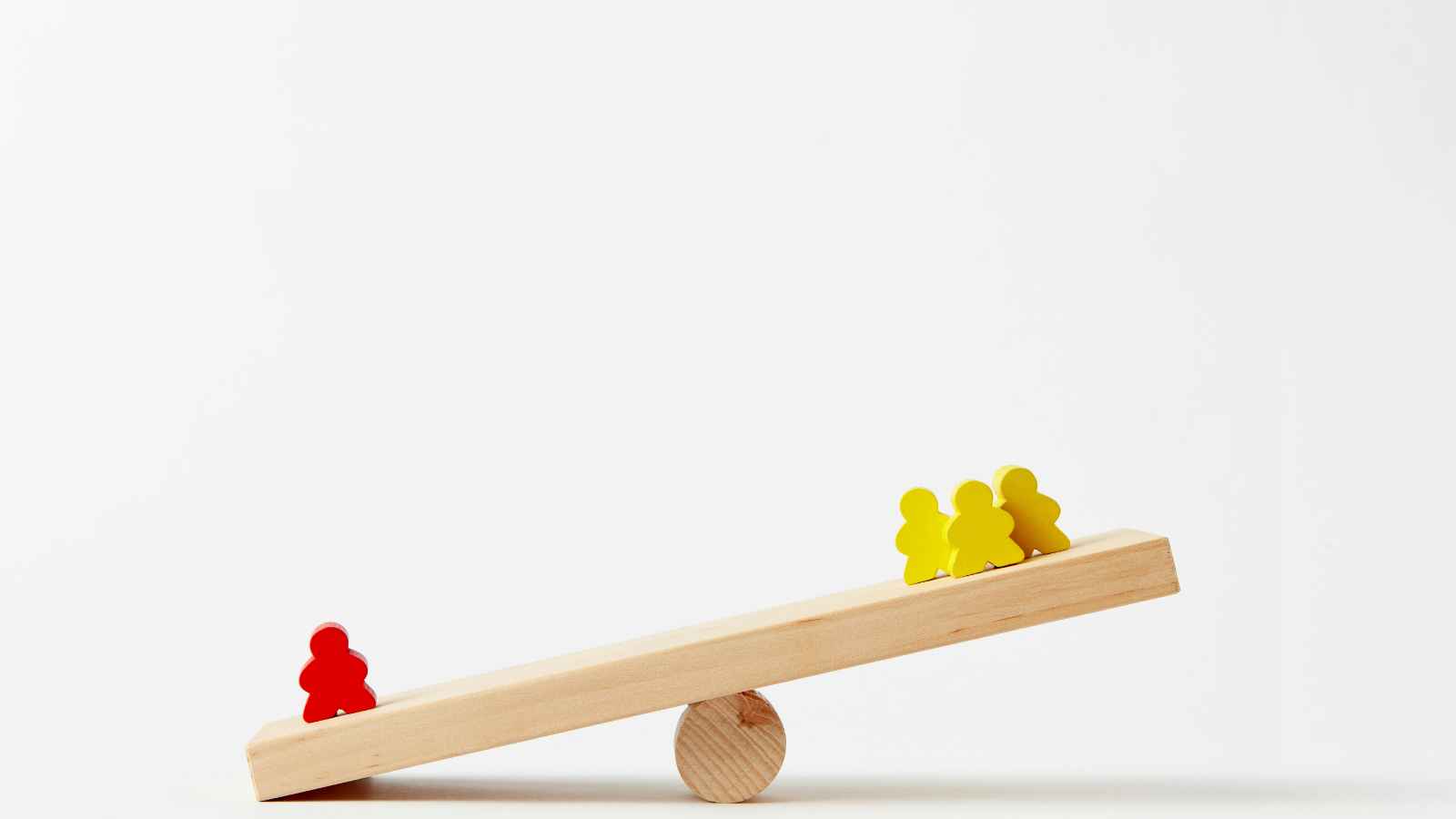
AI is often sold as a tool that will democratize learning. In theory, that is possible. In practice, access is uneven. Wealthier schools may be able to buy better platforms, train teachers, create thoughtful policies, and support students in using AI responsibly. Under-resourced schools may get cheaper tools, weaker guardrails, less training, or no coherent strategy at all.
That divide matters because AI can amplify whatever system it enters. If a school already has strong teaching, thoughtful oversight, and well-supported students, AI might become a useful assistant. If a school is underfunded, understaffed, and desperate for shortcuts, AI may become a patch over deeper problems. The danger is that children with the most need for human support may get more automation instead.
Teachers can become deskilled if AI does too much of the work

AI not only affects students. It also affects teachers. Used carefully, it can reduce workload and help educators generate ideas. Used carelessly, it can push teachers toward dependence on automated lesson plans, automated feedback, automated grading, and standardized responses that flatten the human skill of teaching.
Great teaching is not just content delivery. It is timing, empathy, improvisation, cultural awareness, classroom reading, encouragement, and knowing when a child needs a challenge versus a softer landing. If schools use AI mainly to save money or speed up teacher tasks without protecting professional judgment, they risk weakening the very human craft that children need most.
A machine can draft comments. It cannot know the child behind the draft.
Many policies are still catching up to reality
Parents should not assume schools have a clear AI plan just because students are already using the tools. Stanford’s Human-Centered AI institute recommends that parents learn what is happening in the classroom, ask administrators about AI policies, and talk with children about safe and responsible use. That advice matters because the rules are still uneven, and technology is moving faster than many school systems can respond.
A strong school policy should answer basic questions. Which tools are allowed? Which are banned? When must students disclose AI use? Can AI help with brainstorming but not writing? How are students protected from false cheating accusations? What happens to their data? How are teachers trained?
If families cannot get clear answers, that is the story. AI in education should not be a fog machine. Children deserve rules they can understand, teachers deserve support, and parents deserve transparency.
The takeaway
AI in classrooms is not automatically a disaster, and pretending children can be kept away from it forever is unrealistic. They will live in a world where AI shapes work, media, healthcare, finance, art, and information. They need to understand it. They also need adults brave enough to say that “new” does not always mean “ready,” and “efficient” does not always mean “good for children.”
For mothers, caregivers, educators, aunties, and anyone helping a child navigate school, the real question is not whether AI belongs in education. The question is, who is protecting the child while it arrives? AI should support learning, not replace effort. It should help teachers, not hollow out their role. It should widen opportunity, not deepen inequality. It should make children more curious, not more dependent. The future can include AI, but childhood still needs humans at the center.
Disclaimer – This list is solely the author’s opinion based on research and publicly available information. It is not intended to be professional advice.
Like our content? Be sure to follow us