12 ’50s parenting practices we now know were terrible for kids’ brains
Some “good parenting” advice from the 1950s now reads like a warning label. Families praised obedience, silence, toughening up, and spotless manners, but many children paid for that calm-looking home with stress their brains could feel.
According to the CDC Data and Statistics on Children’s Mental Health, nearly 1 in 5, about 20% to 21%, children ages 3 to 17 have ever been diagnosed with at least one mental, emotional, developmental, or behavioral condition. which shows how early emotional life continues to shadow childhood health. That number matters because home life can train a child’s brain to expect safety or danger.
Shame left marks

Shame left marks. Midcentury adults called humiliation “character building,” especially for kids who cried, gained weight, or struggled in school.
But shame never sharpens a child. Instead, it alters their neurological wiring, forcing the brain to scan constantly for rejection. A mocked child may laugh along at the dinner table, yet they carry that invisible wound into adulthood.
Tough love turns dangerous the exact moment empathy disappears from it. True motivation never requires a child to feel small. The deepest psychological damage hides behind a child who performs flawlessly, smiles on command, and stops asking for comfort. This quiet survival tactic leaves an adult who functions but cannot trust
Spanking taught fear
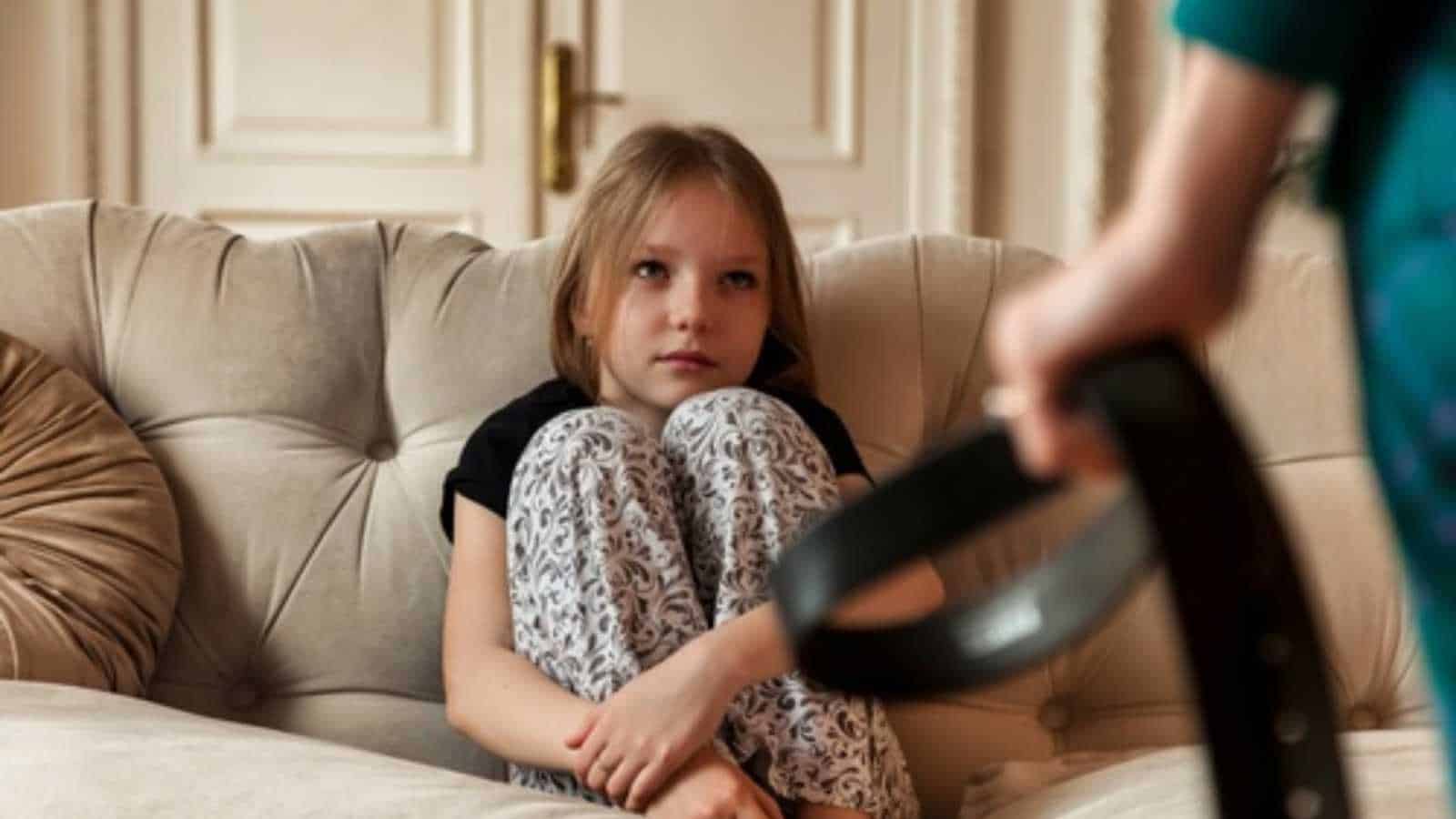
In many 1950s homes, spanking looked like normal discipline, not a chronic brain stressor. A sudden slap teaches vigilance faster than wisdom, leaving a child to absorb fear instead of focus. Gallup’s historical data regarding corporal punishment shows the percentage of U.S. adults who approved of spanking peaked at 74 % in 1946.
When you hit a child, they may stop crying, but their nervous system keeps taking notes. The parent views this silence as a success, but the developing brain reads it as danger. Modern readers can love their elders while admitting that hitting trained kids to brace instead of think. Something else hidden behind those quiet suburban walls was about to unravel.
Ignored crying, confused babies

The 1950s obsession with rigid schedules forced parents to ignore crying babies to avoid “spoiling” them. This detached approach left infants confused, stressed, and isolated. But science reveals a different truth: infants do not cry to manipulate adults.
They cry because their undeveloped nervous systems cannot self-soothe. Responsive care wireframes the infant’s brain to understand that stress has an ending.
This crucial neurological foundation builds resilience long before a child speaks a single word. True comfort creates psychological strength, not weakness. Meeting these needs does not require panic at every whimper, but a steady presence. Yet, millions of adults today still carry the hidden, lifelong echoes of this cold parenting experiment.
Silence hurt children

The old rule that children should stay seen and silent taught many kids to swallow feelings before they could name them. Research from JAMA Pediatrics confirms that warm and harsh parenting uniquely shape adolescent brain architecture, with the timing of these experiences early, middle, or late childhood determining which brain networks are altered.
That is a big deal for every parent who heard “stop talking back” as a child. Warm attention helps the brain practice trust. Cold control can make ordinary emotions feel unsafe.
Kids need a voice long before they need perfect manners. Listening is brain care, too. For girls especially, that silence often turned into people-pleasing that looked polite and felt exhausting.
Mothers carried too much

The 1950s perfect-mother myth demanded a flawless smile, seamless service, and absolute composure under pressure. But behind closed doors, isolation bred a quiet crisis. A lonely, unsupported parent still loves deeply, yet struggles in silence, and children always feel the emotional weather of the home.
When we fail to care for caregivers, the entire family’s emotional climate begins to fracture. True support isn’t a luxury; it requires sleep, mental health resources, financial security, and fathers who step into real, daily parenting. Protecting mothers does more than ease their heavy burden; it alters the trajectory of the next generation.
Lead-poisoned childhoods

Many 1950s children breathed, touched, and swallowed lead before adults understood the cost. Researchers from Duke University and Florida State University published a landmark study estimating that more than 170 million Americans alive in 2015, about half the U.S. population, had clinically concerning blood-lead levels during childhood.
That exposure came from leaded gasoline, paint, pipes, dust, and polluted neighborhoods. Lead does not need drama to do damage. It can dull attention, learning, impulse control, and long-term health.
For many families, the danger sat in the walls, the air, and the street outside. This was parenting inside a poisoned environment. It also shows how public health failures can enter the brain before a parent ever makes a choice.
Toy rules narrowed dreams
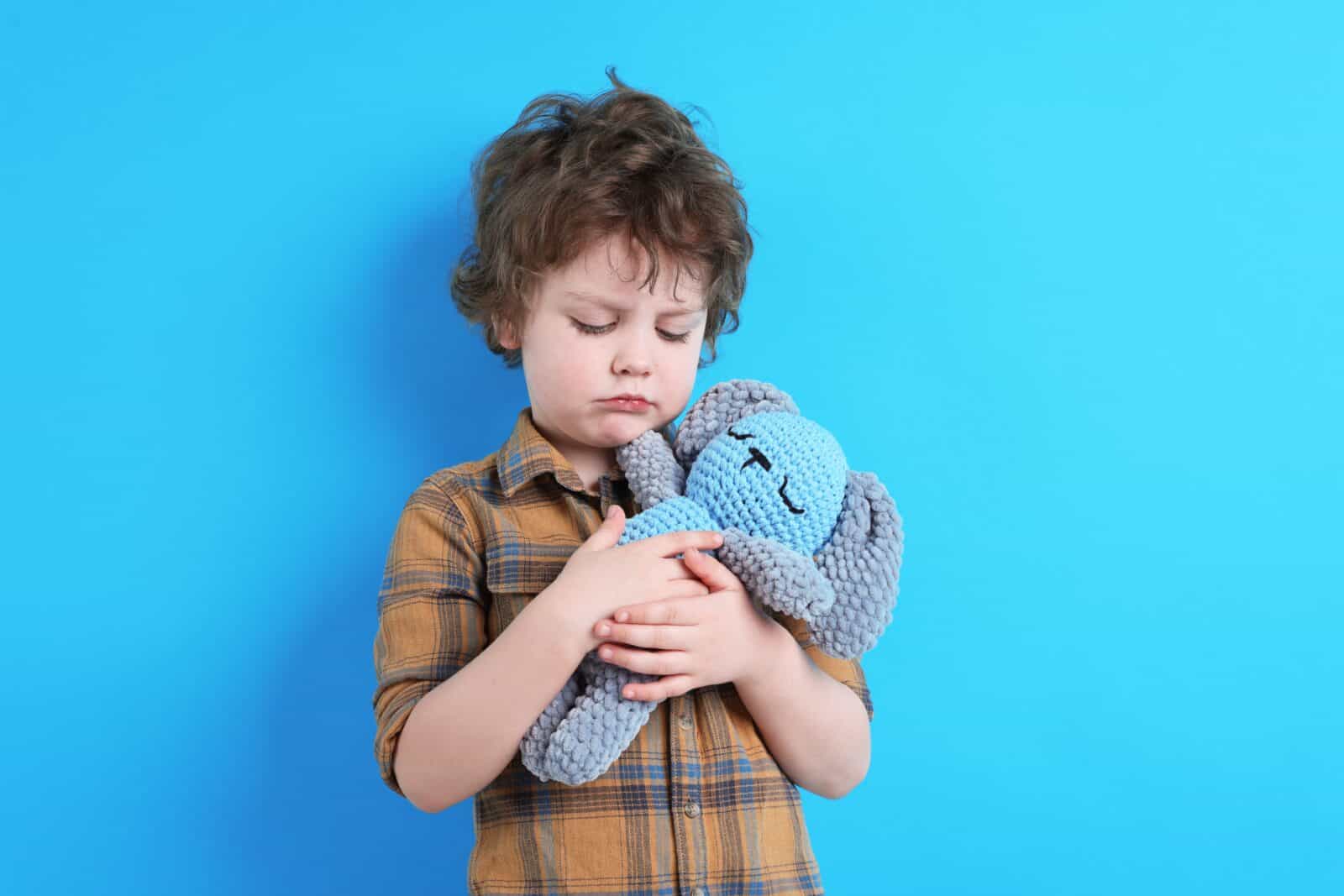
The pink-and-blue toy aisle trains children early, planting quiet limits under the guise of harmless fun. Toys alone do not decide a future, but they whisper daily hints about who builds, fixes, leads, or cares. Constrain boys to tools and girls to dolls, and the developing brain receives a smaller map.
Kids deserve play that opens doors instead of locking them. Curiosity must never come in one approved color.
A wider toy box gives every child more chances to practice courage, problem-solving, and leadership. When we break the rigid mold of the toy aisle, we change our approach to potential, freeing children to rewrite the rules of their own tomorrow.
Smoke filled the home
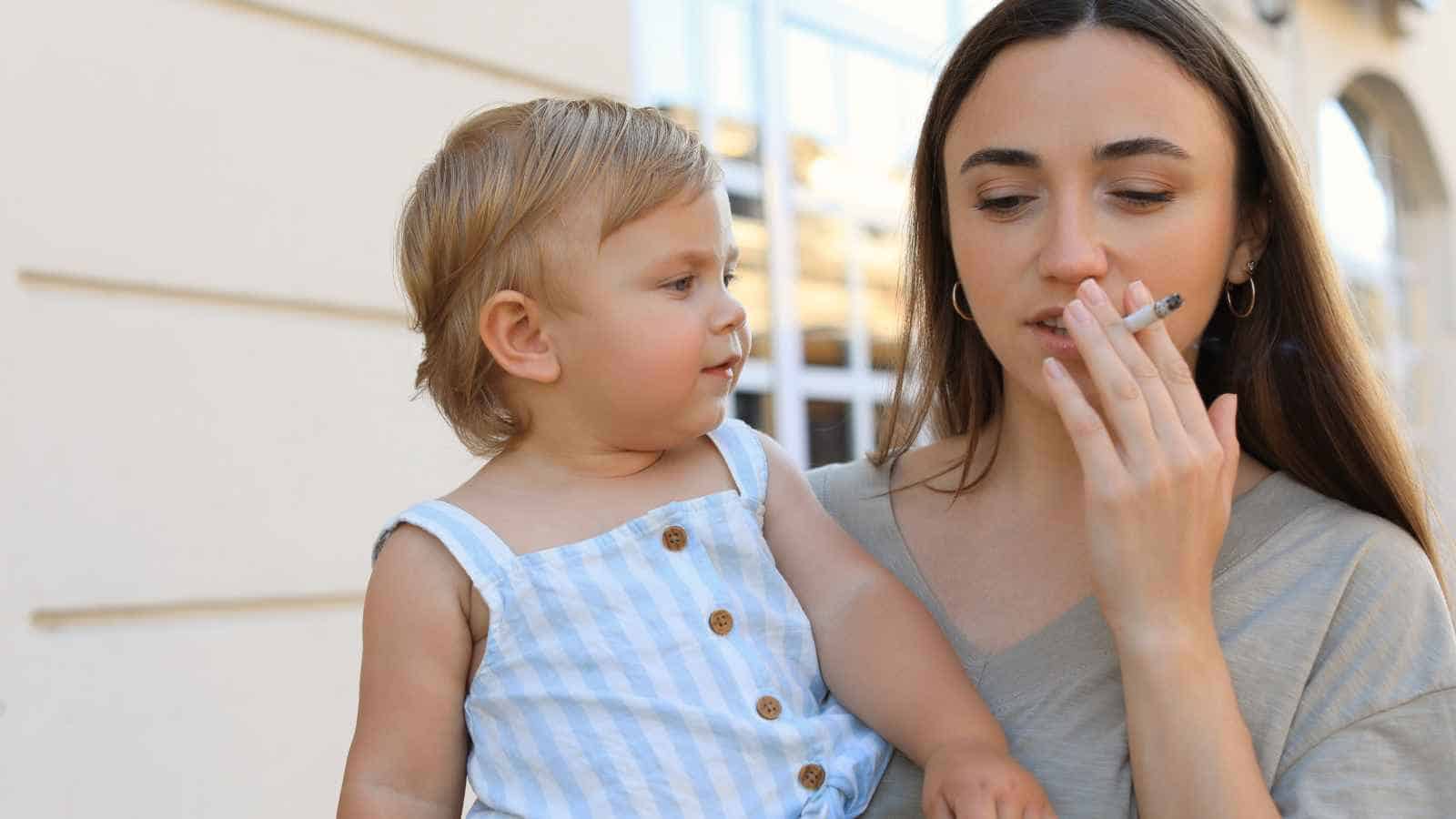
Cigarettes and cocktails once floated through family life like background music. Research published in Nature Scientific Reports confirms that living with a smoking parent is a critical predictor of a child’s exposure to tobacco-specific nitrosamines.
Secondhand smoke still matters because children breathe faster and develop faster. Prenatal alcohol adds another risk to learning and attention. A child’s brain never asked to share an ashtray, a bar cart, or an adult habit. The cozy family room was not always safe air. Cleaner air became a brain-health win, not just a nicer smell in the curtains.
Feelings got policed

Feelings got policed. Boys were told to stop crying, and girls were told to stop being angry. That systematic silencing has cost us an entire generation’s emotional health. Sad boys do not become stronger by pretending; they just become numb.
Angry girls do not become kinder by disappearing; they learn to resent. Children desperately need names for their feelings, safe boundaries, and adults who can stay calm during a storm. A growing brain learns regulation through practice, not through isolation. Letting kids feel is not the same as letting them run wild. Healthy homes make room for tears, frustration, and accountability in the same conversation.
Quiet homes limited growth

Some midcentury parents believed children would grow fine as long as they ate, slept, and obeyed. The National Survey of Children’s Health reports that exactly 63.6% of U.S. children aged 3 to 5 were considered “Healthy and Ready to Learn,” leaving a large group still in need of stronger early support.
Talking, reading, singing, and playful back-and-forth build more than cute moments. They feed language, memory, attention, and confidence. A quiet house may look peaceful, but a young brain needs conversation to bloom. Play is not extra; it is early learning in motion. Those tiny exchanges become the rehearsal space for school, friendships, and self-control.
Fads outranked science
The 1950s nursery transformed into a corporate testing ground, where clever marketing quietly sidelined actual medical science. Desperate to give their infants the absolute best, optimistic parents fell for beautifully wrapped fads, trusting smiling cartoon babies and pristine pastel labels over clinical evidence. They unknowingly turned cribs into laboratories for unverified commercial experiments.
Cute packaging captivated the public, but it should never have outranked rigorous scientific truth. These families deserved genuine, evidence-based guidance, just as their vulnerable babies deserved something far better than a predatory sales pitch packaged in a tiny glass jar.
Mental health got dismissed

In the 1950s, many children with anxiety, ADHD, depression, dyslexia, or trauma got labeled lazy, dramatic, spoiled, or bad. Data from the CDC Data and Statistics on Children’s Mental Health confirms that roughly 11% of U.S. children ages 3 to 17 have a current, diagnosed anxiety disorder.
It can look loud when their brains feel overloaded. They can look defiant when school feels impossible. Early help can change the story.
Ignoring pain does not make a child tougher; it leaves the child alone with it. Naming the need is the first rescue. A diagnosis should not become a label of shame; it should become a map toward support.
Key takeaway

Normal 1950s parenting looked orderly to adults but felt deeply stressful to children. Back then, compliance masked anxiety. Today, we know better. Brains thrive on safety, words, play, nutrition, clean air, and steady love.
Discipline matters, but fear never needs the lead role. The finest legacy is not flawless execution; it is parenting that adapts, repairs, and protects the unique child behind the behavior. That is exactly how families shatter generational trauma and break old scripts. The past offers profound lessons, but it does not get the final word. What happens next depends entirely on the hidden truth about your own upbringing.
Disclaimer – This list is solely the author’s opinion based on research and publicly available information. It is not intended to be professional advice.
Like our content? Be sure to follow us.