12 cracks in America’s urban safety net that are leaving families hanging
For millions of city residents, the safety net feels less like a net and more like fraying string. Housing, food, health care, income support, and child care are all under pressure at once, leaving families—especially those headed by women, single parents, and communities of color—one crisis away from disaster.
Every statistic is a story: a parent waiting months for subsidized housing, a child in a food-insecure home, a clinic turning away patients. These 12 cracks reveal the human toll beneath the numbers.
The urban safety net was never perfect, but the past few years of pandemic policy shifts, inflation, and local funding volatility have exposed how thin the protection really is. For those holding families together day after day, each failure in the system adds weight, stress, and anxiety. These are the cracks that keep growing wider in city life.
Homelessness Hitting Record Highs

On any given night in 2024, nearly 770,000 people were unhoused. A record high. Families with children accounted for an alarming portion, with nearly 150,000 kids without homes, a 33% jump from the previous year. Black Americans are overrepresented in these numbers, underscoring systemic inequities in housing access, rent affordability, and the erosion of pandemic-era protections.
This isn’t abstract. For women juggling jobs, kids, and aging parents, homelessness is a shadow over everyday life. The lines between shelter, safety, and stability blur, and city residents live with the constant anxiety that one missed paycheck or an emergency could push them onto the streets.
Evictions Returning to or Above Pre‑Pandemic Levels
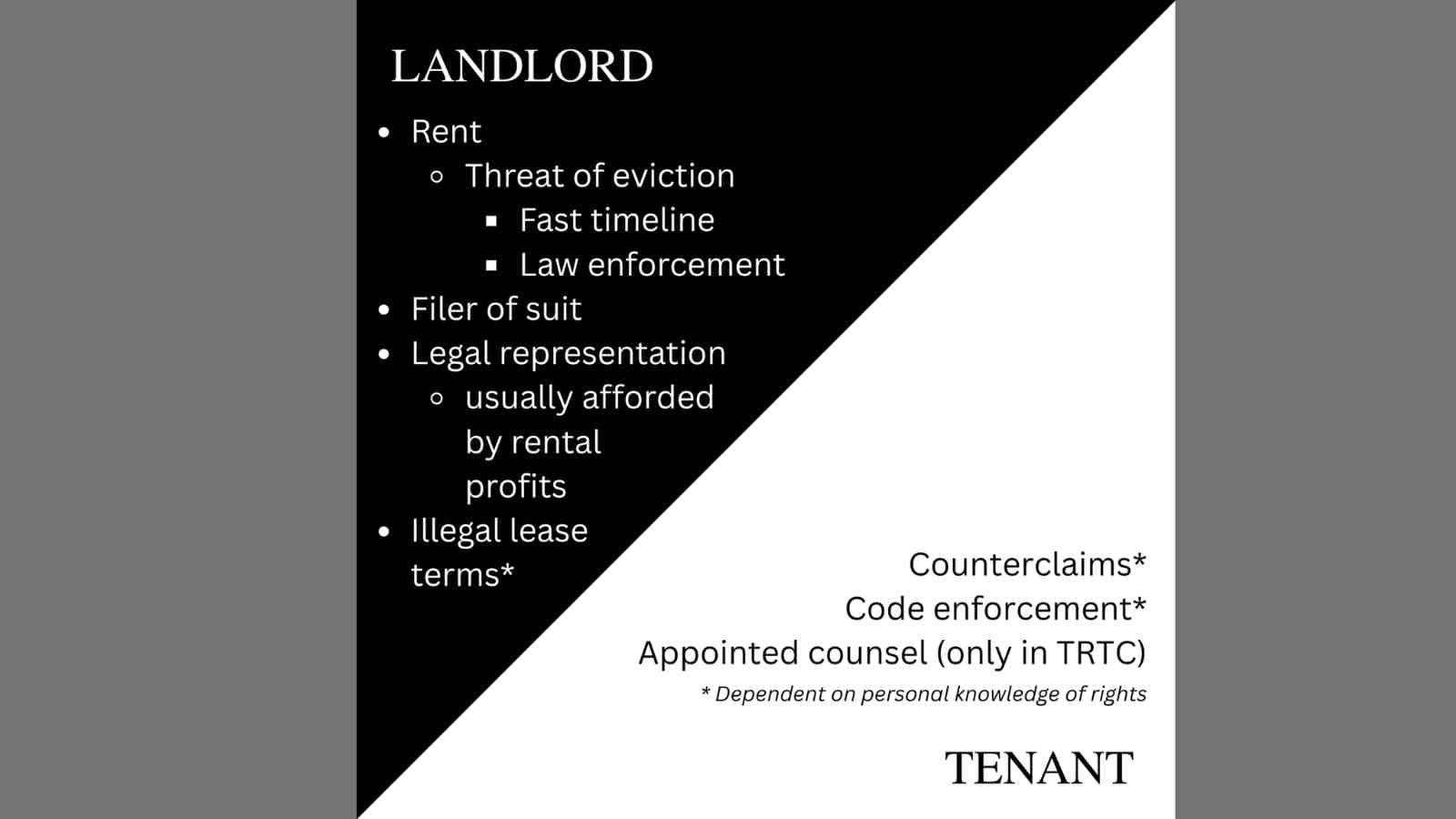
Eviction filings surged to more than 1.1 million in 2023, with Sun Belt cities seeing rates 35% above pre-pandemic baselines. While protections and emergency rental aid temporarily slowed displacement, their expiration has left many renters exposed. Cities with stronger tenant safeguards, like New York and Philadelphia, show that policy can still make a difference.
For families, eviction isn’t just a legal notice; it’s upheaval. Children change schools, jobs are disrupted, and communities fracture. Every filing represents someone forced to recalculate life on the fly, often while managing full workdays and unpaid caregiving.
Housing Aid That People Can’t Actually Reach

Even when programs exist, help comes slowly. The average wait for subsidized housing in 2024 was 27 months, with New York residents sometimes waiting more than four years. Nationwide, a shortage of over 7.2 million affordable units leaves low-income renters stuck on lists that move at a glacial pace.
This gap matters most to those already balancing multiple pressures: long commutes, child care, medical appointments, and work schedules. The promise of aid exists on paper, but in practice, it often doesn’t arrive in time to prevent a crisis.
The Food Safety Net Shrinking Back After Pandemic Support

SNAP emergency allotments temporarily boosted household food budgets during the pandemic, but benefits dropped after February 2023. Millions of low-income families now navigate rising grocery costs without the buffer that kept food on the table. Across six major programs, participation rates range from 20% to just 58%, leaving eligible residents without support.
For parents managing daily meals, the impact is immediate and tangible. Grocery carts feel lighter, budgets tighter, and every trip to the store becomes a calculation between essentials and what can wait until next week.
Health Care Safety‑Net Providers Under Strain

Public hospitals, community clinics, and nonprofits shoulder the brunt of these gaps, yet they operate under chronic funding pressure. In Baltimore, 78% of safety-net users had at least one chronic medical condition, nearly half had chronic mental health challenges, and over half struggled to access care despite heavy use of available services.
When providers are stretched, patients feel it in wait times, limited appointments, and reduced services. City residents often navigate a patchwork system that demands energy, time, and resilience just to maintain baseline health.
Child Care Costs That Rival Rent or a Mortgage

Urban families pay as much as $13,000 annually for a single child’s care, exceeding rent in many states and representing 35–100% of earnings for single parents and child care workers. Licensed provider shortages exacerbate the challenge, forcing parents to piece together informal or unstable care arrangements.
This is a hidden layer of the safety net failing. Women in particular bear the mental load of arranging child care, balancing work obligations, and worrying about quality; all while costs continue to rise.
Safety Net Participation Gaps and Red Tape

Even when programs exist, bureaucracy and awareness gaps leave millions unserved. Only 20–58% of eligible urban residents access major benefits, and navigating multiple overlapping programs can feel like a full-time job. An estimated 99 million Americans used at least one program in 2019, but overlap and complexity prevent many from getting the full support they need.
The result is a system that exists, but does not always function. City residents must advocate, qualify, and re-qualify continually; another burden layered onto daily life.
Geographic Mismatches Between Need and Services

Safety-net programs are unevenly distributed, often far from high-need suburbs and exurbs. Residents face “safety-net deserts” where transportation, fragmented governance, and limited nonprofits reduce access to food, housing, and health services compared to older urban cores.
For families, location can make or break stability. Hours on public transit, unclear eligibility, or services concentrated in wealthier neighborhoods mean some residents remain invisible to the very programs meant to help them.
Rising Urban Inequality and Racial Disparities in Support

Communities of color often experience weaker benefits, fewer protections, and higher poverty rates. Black and Latino families in the South and Midwest face systemic exposure to shocks due to policy choices around Medicaid, TANF, and unemployment programs. Homelessness data reinforce that Black residents are overrepresented among unhoused populations.
The human cost is concentrated. For mothers, elders, and children of color, these disparities are a daily reality: fewer options, greater strain, and limited institutional support that compounds inequality over generations.
City Budgets and Nonprofits Stretched Thin

Urban safety-net institutions face volatile local budgets, shifting Medicaid policy, and pandemic aftershocks. Hospitals, clinics, and human-service nonprofits report being “maxed out,” often relying on philanthropy to fill gaps. Competition for the tax base can further depress investment in low-income communities.
Residents feel the impact in fewer services, longer wait times, and reduced program offerings. Safety becomes a calculation of what is available, not a guarantee, reinforcing the precariousness of urban life.
A Frayed, Fragmented System Instead of a Coherent Net

The U.S. urban safety net is a patchwork, not a coordinated system. Temporary pandemic expansions showed how coherent support can cushion shocks, but their expiration left cities facing rising costs for housing, child care, and living expenses with the same fragmented network. Policies exist, but translating them into reliable, accessible protection remains a persistent challenge.
For city residents juggling work, family, and survival, the patchwork is felt daily. One lost job, one medical emergency, or one rent hike can quickly cascade into multiple crises, leaving households at the mercy of a system that works in theory, but often not in practice.
Medicaid “Unwinding” and Health Coverage Instability

The end of continuous coverage rules in March 2023 triggered disenrollment of over 25 million people from Medicaid, disproportionately affecting young adults, recently pregnant individuals, and urban residents. Coverage gaps leave patients uncertain, care delayed, and local clinics stretched thin.
For urban families, this churn adds stress to the already complex task of managing health. One missed check-up or delayed medication can cascade into bigger health crises, especially for children, seniors, and those with chronic conditions.
Final Thoughts

America’s urban safety net is showing its limits. Homelessness, evictions, food insecurity, unstable health coverage, costly child care, and stretched local institutions reveal cracks that are growing wider each year. Women, single parents, communities of color, and low-income households are most affected, carrying both financial and emotional labor.
The system’s fragmentation means one unexpected shock can tip lives into crisis. The question for policymakers, providers, and communities alike is whether these cracks will be reinforced, or whether a coherent, responsive safety net can finally be built.
Disclaimer – This list is solely the author’s opinion based on research and publicly available information. It is not intended to be professional advice.
Like our content? Be sure to follow us