11 powerful lessons every woman should know about creating comfort in a minimal home
Many women across the United States are trapped in an exhausting loop of cleaning, organizing, and managing things they do not even need. They are tired of the endless cycle of moving items from one shelf to another and feeling overwhelmed the second they walk through the front door. This common struggle hits right at the center of our daily peace.
According to Francis Quinn, a 2025 study in the Journal of Environmental Psychology found that the negative impact of clutter on life satisfaction and well-being is heavily mediated by “home beauty”. Clutter makes people see their homes as less beautiful, and that loss partly explains why well-being drops. When your home feels like a crowded storage unit, your mind feels the heavy weight of that visual noise, too.
Minimalism ≠ Sterile

A common misconception is that an unburdened home must look like a cold, stark hospital room. Design expert Brian Patrick Flynn actively fights this idea by demonstrating how intentional spaces can achieve high-end warmth without relying on a high volume of objects.
He points out that a room feels inviting when you use rich, organic elements to ground the eyes. For instance, anchoring a space with rich wood tones against a stark white backdrop immediately injects depth and a sophisticated energy into the environment. Beautifully stained exotic woods provide a visual fullness that prevents a room from ever feeling clinical.
Bring Nature Indoors
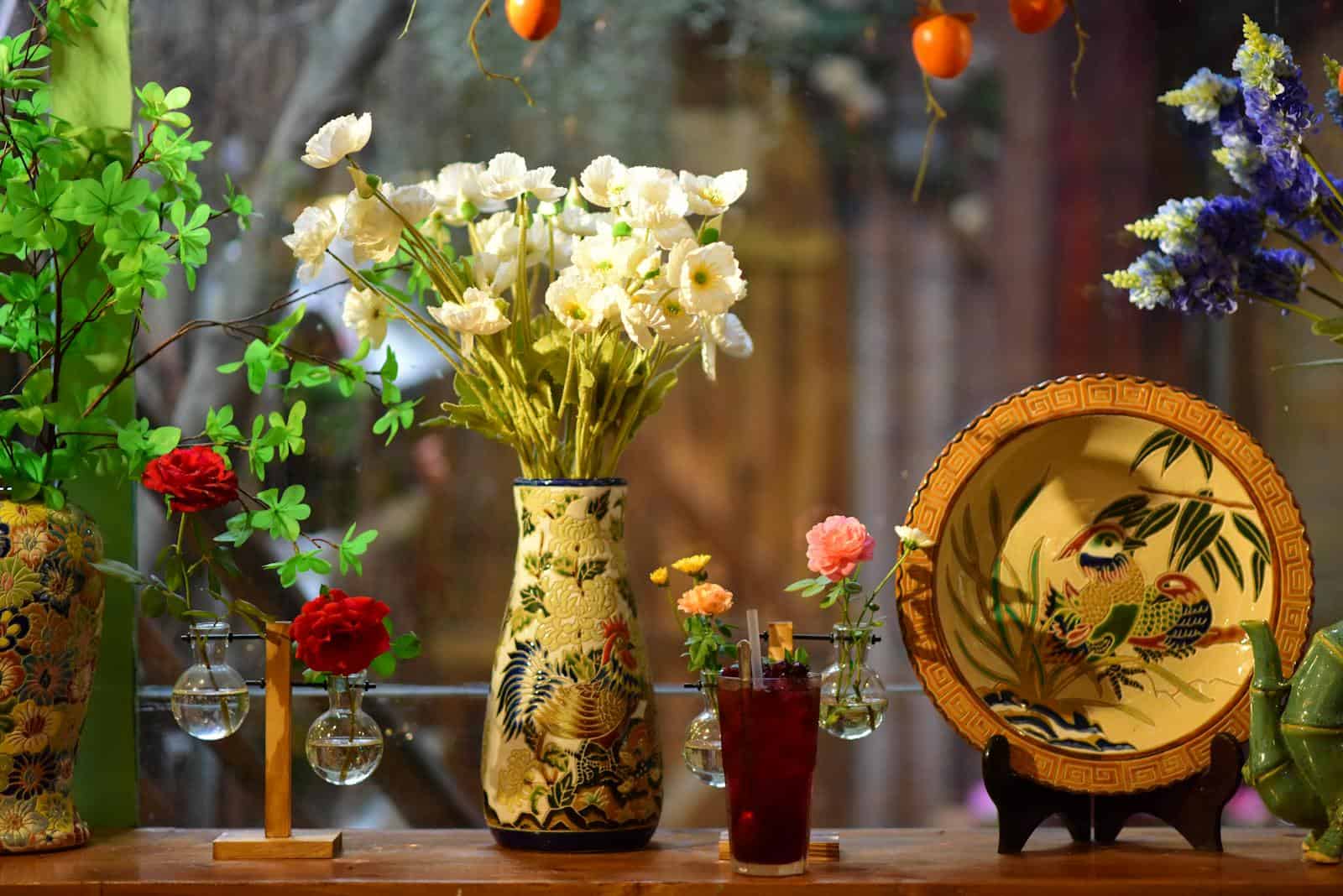
Bringing natural elements inside your house does more than fill an empty corner; it changes the actual biology of your living space. Back in the 1970s and 1980s, a famous series of NASA studies led by scientist Bill Wolverton verified that houseplants have serious air-cleaning powers.
His research proved that plants filter out airborne pollutants in confined environments, making them perfect for residential homes. Beyond scrubbing the air, these living design elements directly reduce stress, lower anxiety, and boost daily mental focus.
Layer Your Lighting

If you want a home that feels cozy and relaxing after a long day, you have to change how you illuminate your rooms. Relying on a strict grid of uniform lights, like blanket ceiling downlights, sucks the shape and soul right out of a room by lighting everything equally.
True comfort requires a specific four-layer lighting formula that combines ambient, task, accent, and decorative light fixtures. Ambient light gives you your baseline illumination, while task lighting delivers focused, shadow-free light for cooking or reading. Accent lights add drama by highlighting your favorite architectural features, and decorative fixtures bring in personal flair.
Invest in Comfortable Furniture

When you are working with a fresh, uncluttered layout, every single piece of furniture has to work harder and last longer. Many consumers fall into the trap of impulse buying based on a low promotional price, a glossy online finish, or a fast social media trend.
This urgency leads to a frustrating phenomenon where you end up spending twice as much money over time. Cheap furniture might look decent for a few weeks, but it quickly reveals its true value through sagging cushions, peeling wood, loose hinges, and rusted hardware that requires total replacement.
Layer Tactile Textiles
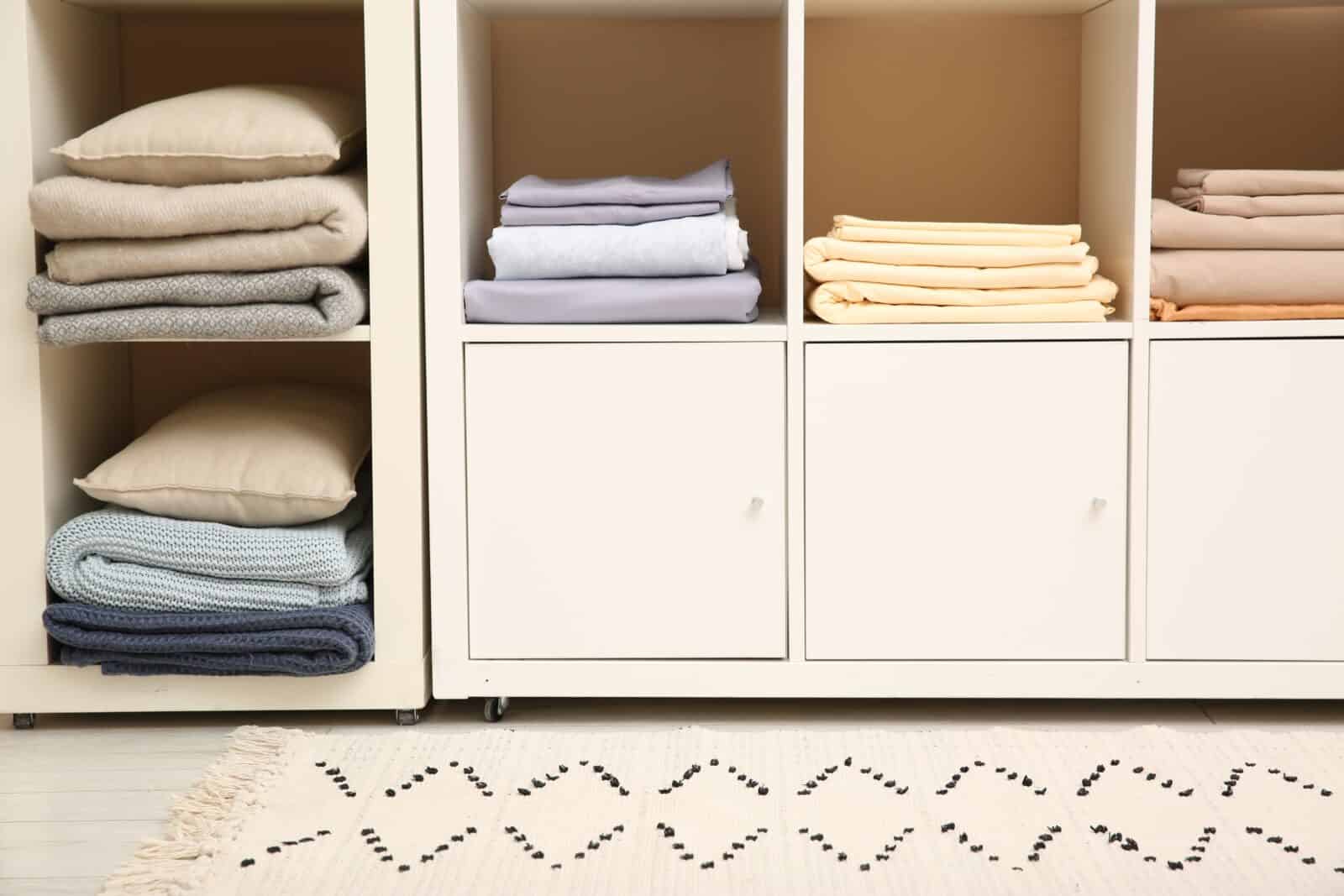
True comfort in a home is something you feel through your skin, not just something you see with your eyes. While an unburdened layout is often chosen visually, our emotional response to a room is dictated by touch, texture, weight, and warmth.
Textile experts frequently note that those who only design with their eyes miss half the story. High-texture fabrics act as an invisible layer of comfort that bridges the gap between hard, stark surfaces like polished concrete or metal and the cozy reality of daily life.
Incorporating structured, heavy weaves adds depth of character and a sense of physical protection to an otherwise sparse interior. The physical properties of your fabrics dictate how a room feels to live in on a rainy afternoon. Heavy fabrics provide structure, privacy, intimacy, and a feeling of safety.
Choose Warm Colors
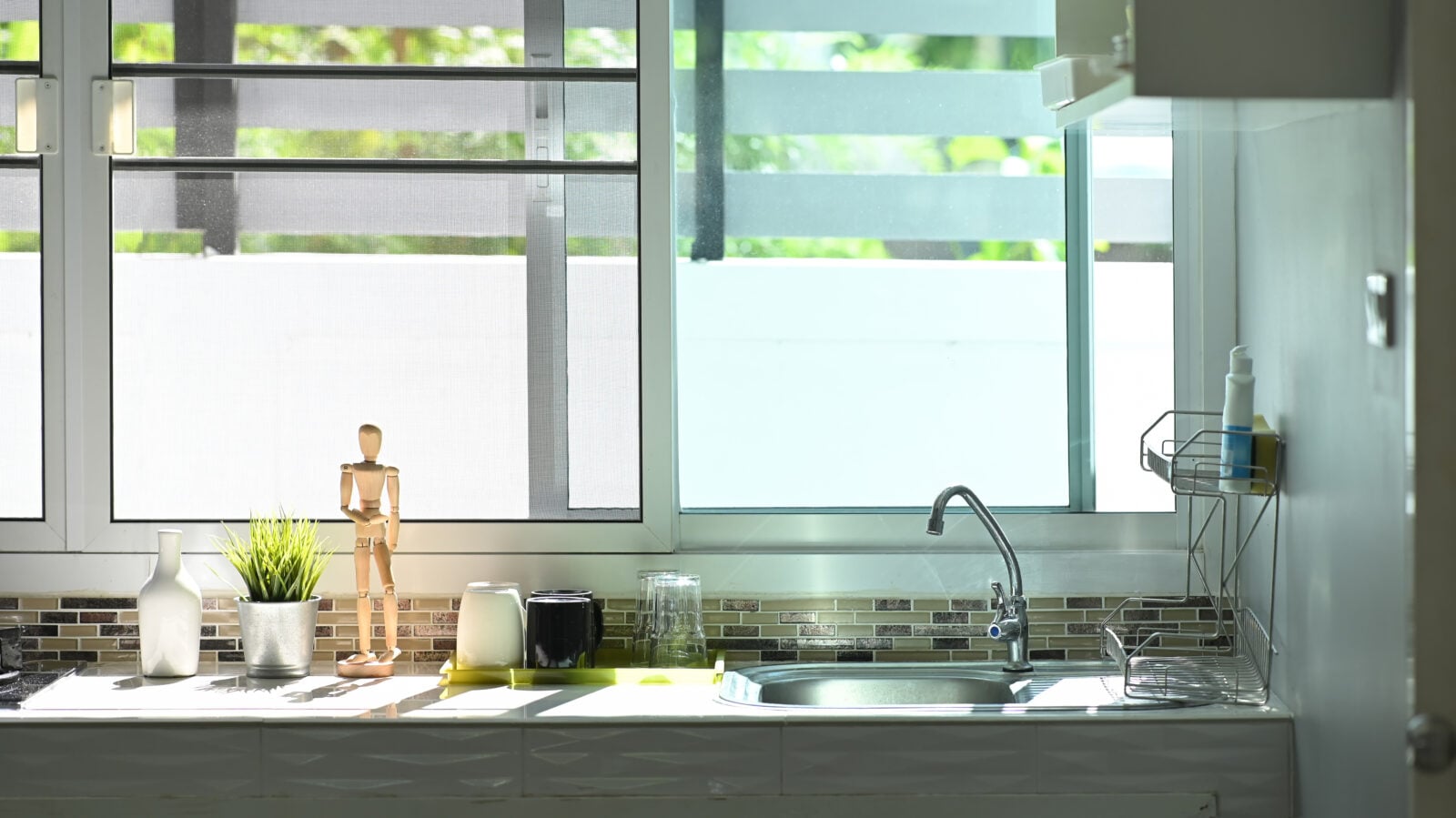
Color has a massive psychological impact on how safe and enveloped you feel inside your walls. Warm colors do not physically change the temperature of a room, but they completely alter your internal perception, providing a cozy feeling that designers describe as a warm hug.
Interior expert Melinda Trembly notes that traditionally, warm tones are known to boost human moods and give a cozier, more intimate feeling to gathering spaces. This makes them highly functional in north-facing rooms, which inherently receive colder, harsher natural light throughout the day.
Declutter Intentionally

Decluttering is often discussed as a rigid design trend, but it is actually a profound act of unburdening yourself to find mental peace. When you consciously clear away excess items, you are trading physical weight for emotional clarity.
It helps to use a practical three-question filter to evaluate every single possession you own: Do I use it regularly? Does it add real beauty to my life? Is it contributing to a peaceful environment, or is it just adding to the daily noise?
Confronting the sentimentality trap is hard, especially when dealing with old gifts and keepsakes, but the emotional reward is immediate. Removing physical clutter directly removes the social barriers that keep you from enjoying your home.
Add Alluring Fragrance

When you remove visual distractions from a room, your other senses naturally become much sharper. Scent acts as an invisible anchor for your home’s ambiance, offering an immediate feeling of luxury the second you walk through the door.
Industry expert Nicole Eckels notes that choosing a home fragrance is a highly emotional process. She suggests choosing scents the same way you choose a personal perfume: by asking yourself which specific mood you want to express and which emotion fits the occasion.
Create Cozy Nooks

A cozy nook is a tucked-away, small-footprint area designed to feel completely safe and cocooning. Creating one is a conscious step toward self-care, giving you an intimate space to slow down, meditate, or take a mental break from a busy schedule.
Designer Linda Hayslett explains that a nook should feel somewhat closed in to give you that comfy, hug feeling. Spatially, this is a brilliant strategy for a minimal home because it utilizes quirky, underrated architectural features that usually go to waste.
Banish Bare Walls

You do not need an oversized budget or thousands of dollars to transform cold, empty walls into sources of visual comfort. The secret lies in intentional, high-quality curation rather than filling every inch of drywall with random decor.
Professional, high-quality art prints are incredibly accessible, with prices starting at $30. This allows you to bring immediate warmth and personality to a room without causing financial stress or buyer’s remorse.
These prints are highly versatile, available in standard sizes from small A4 and A3 up to large A2 and A1. This range allows you to either select one massive hero print to ground your entire living room or use a few smaller, clean-lined frames to add subtle texture to a hallway.
Prioritize “Just Enough”
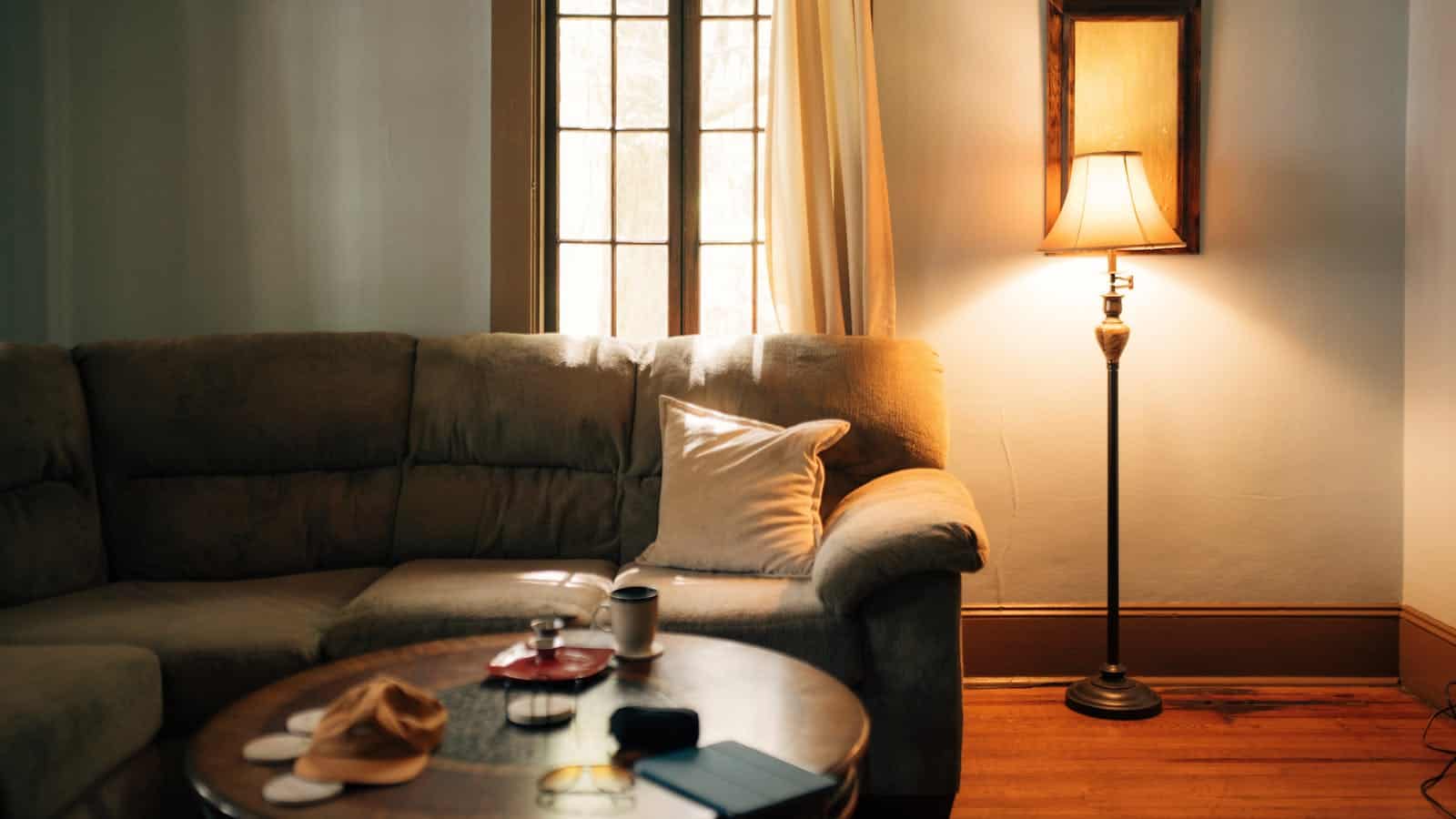
The ultimate lesson in creating a restorative home is shifting your focus away from size and prestige, and moving it toward genuine human connection. A truly comfortable house is one that cradles your lifestyle rather than consuming your time and energy.
Think of a size between 1,000 and 2,000 square feet as the absolute sweet spot for any stage of life. This size creates a space large enough to host a wonderful group of friends, but small enough that everyone can easily see and hear each other at a natural volume.
When a house is too big, it quickly becomes a heavy source of physical chores and financial obligations. A smaller footprint naturally caps how much stuff you can accumulate, saving you from wasting entire weekends organizing clutter.
Key Takeaway

- A minimal home stays cozy through the thoughtful combination of rich organic textures, natural sunlight, and varied wood grains rather than accumulating decorative knick-knacks.
- Integrating verified air-filtering plants and maximizing exposure to natural light directly lowers human stress levels and reduces physical perceptions of pain.
- Sucking the soul out of a room happens when you use uniform ceiling grids; true comfort requires a layered, four-part lighting formula split across separate electrical circuits.
- Buying cheap furniture based on temporary online aesthetics creates severe financial and emotional liabilities, whereas buying durable pieces over time protects your peace of mind.
- Capping your living space at a manageable 1,000 to 2,000 square feet eliminates maintenance stress, stops clutter at the source, and keeps you physically close to the people you love.
Disclaimer – This list is solely the author’s opinion based on research and publicly available information. It is not intended to be professional advice.
Like our content? Be sure to follow us.