Kroger shoppers turn into price sleuths after Consumer Reports exposes sneaky checkout errors
A routine trip to buy food now raises a deeper question about how much trust remains in the numbers flashing at the checkout.
Grocery shopping used to be a simple chore, but nowadays, it feels like an extreme sport for your wallet. American families are already feeling the pinch from high food prices, and recent news is adding insult to injury. A major investigation has completely blown the lid off how some major supermarkets ring up your weekly groceries. Shoppers are realizing they need to keep a close eye on the register, turning everyday people into retail detectives.
Nobody wants to feel cheated when they are just trying to feed their kids and stick to a tight budget. Yet, digging into the details reveals a frustrating pattern of hidden costs popping up at the worst possible moment. The reality is that the deal you see on the shelf might magically disappear by the time you swipe your card.
The Shocking Scope Of The Problem
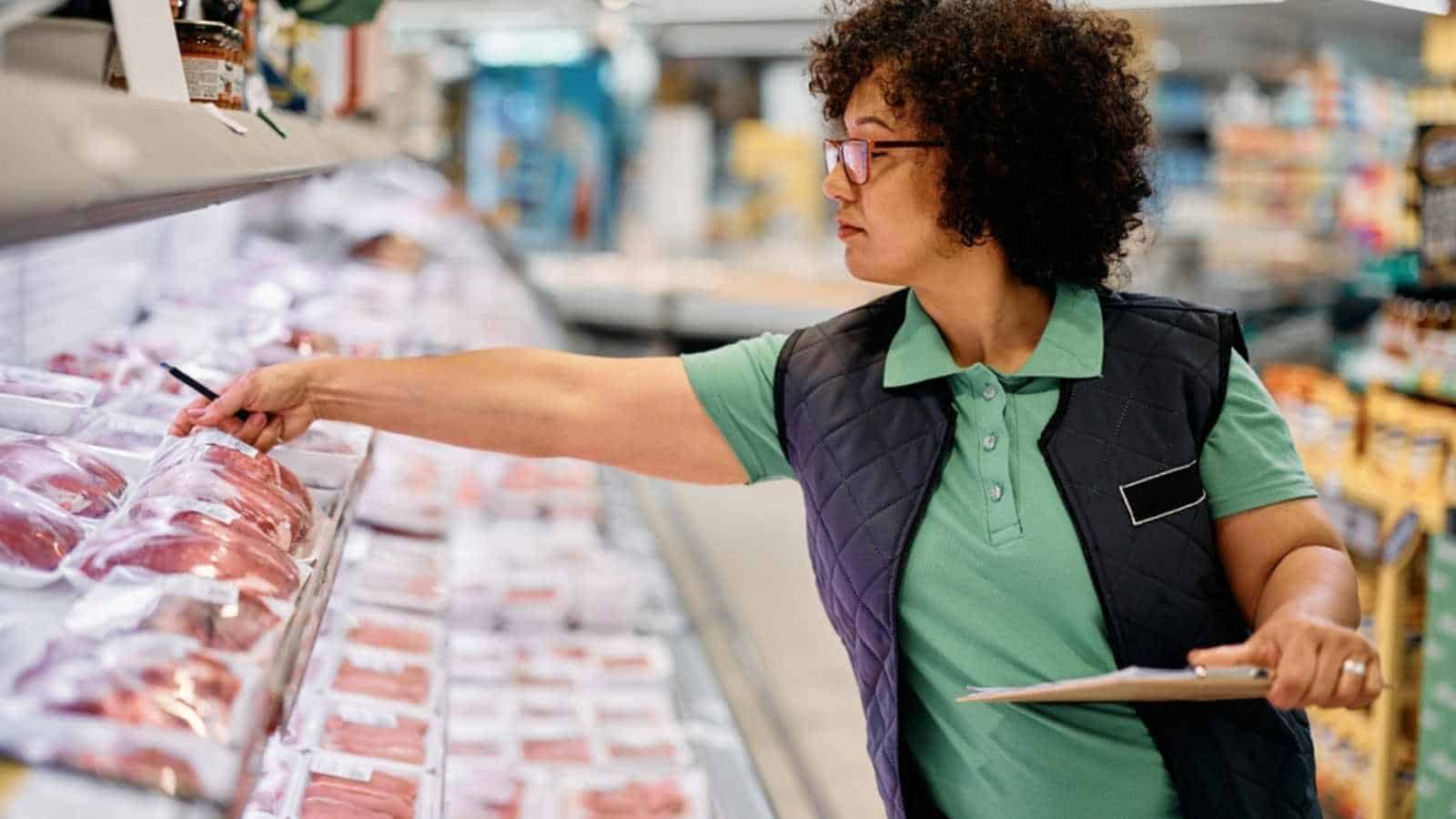
The recent investigation by Consumer Reports cracked open a frustrating reality for everyday buyers trying to save a buck. In an extensive probe, secret shoppers visited 26 Kroger-owned supermarkets across 14 states and Washington, D.C. This coordinated effort proved that the annoying price differences you notice are absolutely not in your head.
Investigators went aisle by aisle checking whether the promises on the shelves matched the reality at the register. During the audit, they found more than 150 independent instances where expired sale tags led to immediate overcharges. Finding out that a major chain struggles to keep basic pricing accurate is a tough pill to swallow for loyal patrons.
How The Discrepancies Happen

Grocery locations run countless promotions simultaneously, making it incredibly difficult to keep track of what is actually on sale. The corporate audit confirmed that roughly one-third of the flagged tags were at least 10 days out of date. When promotional stickers stay up past their prime, ordinary folks end up paying full price without realizing it.
It is a chaotic system that relies entirely on employees manually removing paper stickers every single week. If a worker misses just a handful of aisles, hundreds of inaccurate prices remain visible to unsuspecting buyers. You might think a computer glitch is to blame, but human error and outdated procedures are the real culprits here.
The Real Cost For Families

A few extra cents here and there might sound trivial until you look at the big picture of a weekly grocery haul. Data from the investigation revealed that these hidden errors inflated grocery bills by an average of $1.70 per item. If you buy ten mismarked items, that is a significant chunk of change quietly vanishing from your bank account.
Working parents balancing tight budgets cannot afford to subsidize a massive corporation with unearned profits. The extra cash drained by these digital register surprises could easily buy a full tank of gas or a week of school lunches. Every single penny counts right now, and nobody wants to throw money away just because a store forgot to pull a tag.
A Massive Volume Of Sales Tags
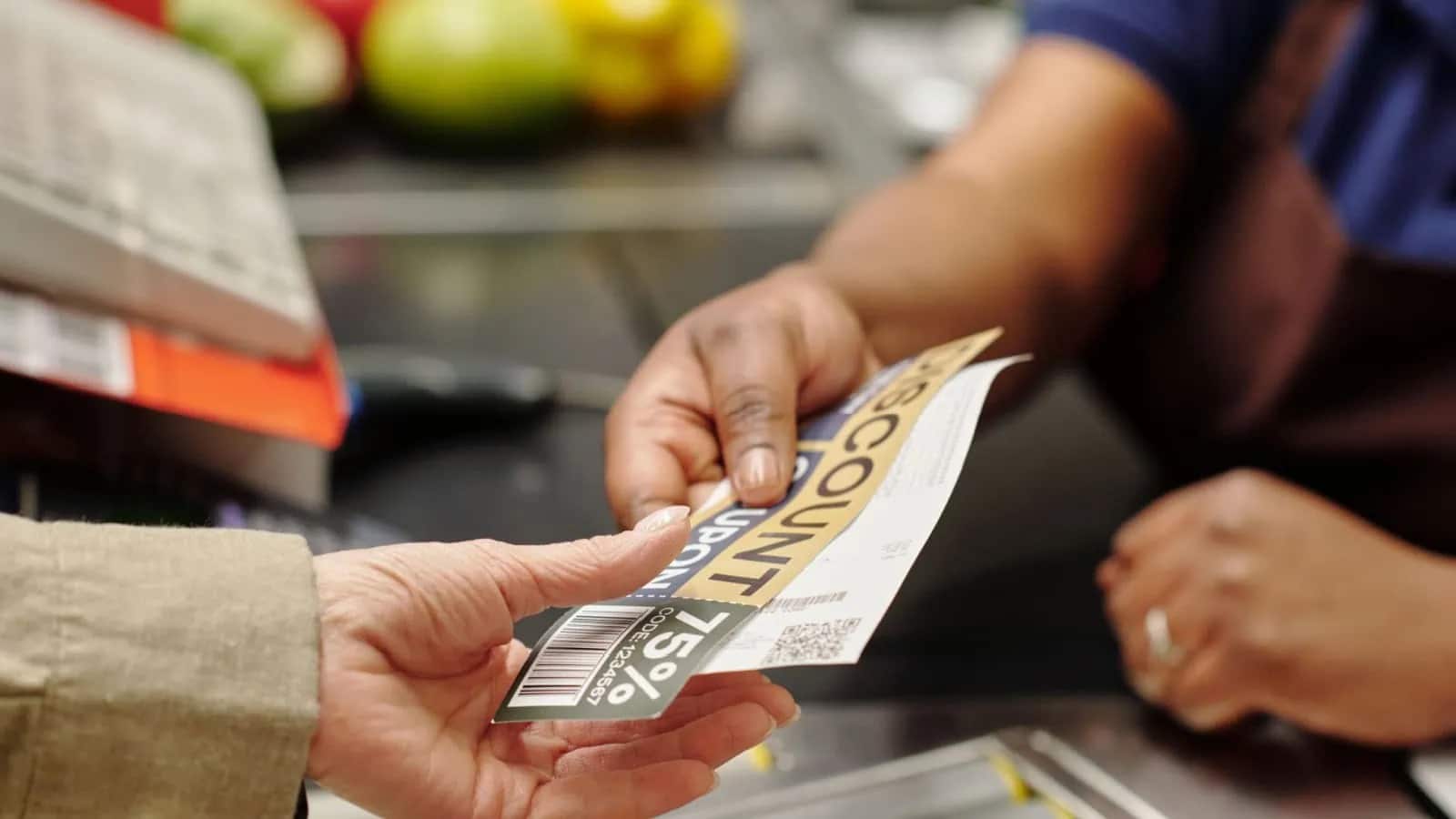
Walking into a modern supermarket means facing an absolute ocean of bright yellow stickers begging for your attention. Incredibly, union officials note that some individual stores have as many as 15,000 discount tags hanging at any one time. Managing that level of paper clutter is a monumental task that practically invites mistakes to happen.
The physical labor required to switch out thousands of promotional documents every week is honestly mind-boggling. A single missed expiration date is all it takes to trigger an inaccurate charge at the checkout lane. This heavy reliance on outdated paper tagging systems creates an environment where pricing chaos becomes the norm.
Staffing Shortages Fuel The Fire
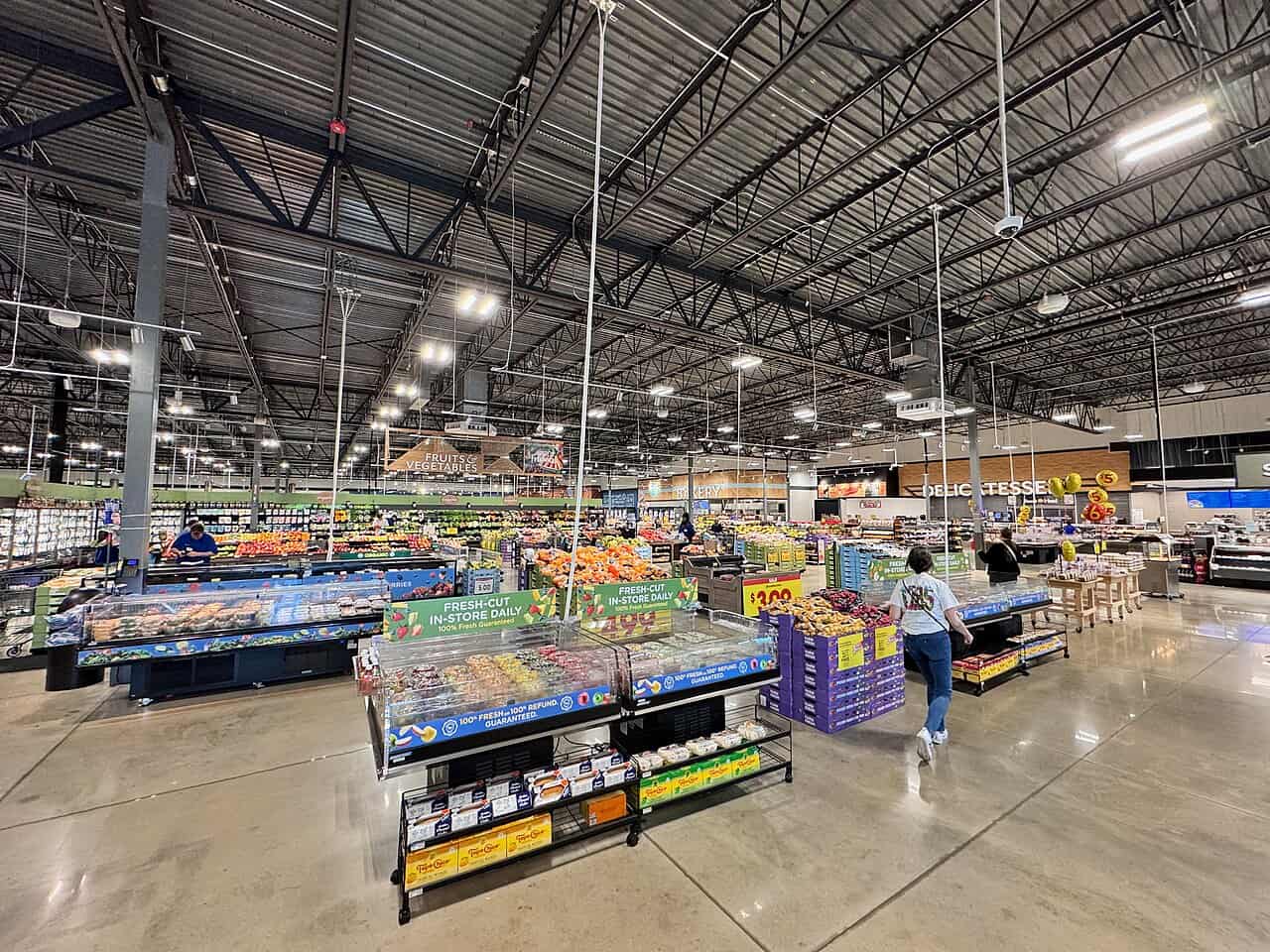
You cannot run a smooth operation without enough hands on deck to get the necessary work done. Many grocery workers argue that severe corporate staffing cuts have made it physically impossible to keep up with shelf maintenance. When cashiers and stockers are stretched incredibly thin, pulling down old signs falls to the bottom of the priority list.
Employees are doing their absolute best, but they simply do not have the hours required to catch every single mistake. Cutting back on labor might boost corporate profit margins, but it clearly hurts the very people shopping in the aisles. Store associates are just as frustrated as the consumers because they are the ones fielding complaints at the register.
The Illusion Of The Discount

Spotting a great deal on your favorite snack triggers a little burst of joy, but that feeling is often a mirage. This investigation showed that the typical discrepancy resulted in a punishing 18.4 percent markup over the advertised discount. Shoppers are lured in by the promise of savings, only to be hit with a premium price when they finally swipe their cards.
Deceptive pricing tactics destroy the trust that communities build with their neighborhood grocery locations. You fill your cart expecting one total, and you end up facing a shocking surprise when the final receipt prints out. It feels like a classic bait-and-switch, leaving hard-working Americans feeling duped by the places they visit every week.
Corporate Responses To The Backlash

Whenever a huge scandal breaks, you can always count on a highly polished corporate statement trying to smooth things over. Representatives quickly asserted that these documented pricing errors represented a tiny fraction of their total annual transactions. They claimed that widespread pricing concerns were completely false, brushing off the findings as isolated incidents.
Despite the corporate pushback, the undeniable evidence gathered by independent researchers tells a much different story. Downplaying the issue does not exactly make customers feel confident about returning to fill up their pantries. Shoppers want genuine accountability and real solutions rather than corporate spin that ignores their legitimate frustrations.
Shoppers Take Matters Into Their Own Hands

Since nobody else is going to protect their wallets, buyers are stepping up to become their own best advocates. People are now taking pictures of shelf tags with their smartphones just to have hard proof at the checkout lane. This grassroots vigilance turns a standard errand into a detective mission where you have to constantly verify every single deal.
Folks are practically squinting at receipts in dimly lit parking lots to catch mistakes before driving home. It takes extra time and effort, but catching an overcharge feels like a massive victory against a broken system. Being a proactive consumer is the only way to guard against these sneaky pricing pitfalls.
The Shift To Digital Price Tags

Some retail chains are finally waking up to the idea that paper signs belong in the past. To combat the massive error rate, supermarkets are slowly testing digital price tags that update automatically via computer systems. This technological upgrade could theoretically eliminate the human error involved in pulling down expired promotional stickers.
While screens sound like a perfect fix, some skeptical buyers worry about the potential for dynamic pricing models. The last thing families need is the cost of milk going up right before they reach for the carton. If implemented transparently, digital labeling might restore some much-needed trust between stores and their exhausted patrons.
Holding Supermarkets Accountable

Retailers are actually legally obligated to honor the lowest advertised price displayed on their store shelves. Consumer protection groups are urging shoppers to firmly demand refunds the second they spot an inaccuracy on their receipts. Speaking up forces management to acknowledge the ongoing problem and keeps the cashiers aware of frequent register glitches.
State attorneys general have successfully fined other major retailers millions of dollars for similar deceptive trade practices. If enough buyers complain about these discrepancies, regulatory agencies will eventually step in to enforce stricter pricing laws. We all deserve a fair shake at the grocery store, and demanding basic honesty is the first step to fixing this mess.
Like our content? Be sure to follow us