McDonald’s recently dropped three new menu items that have sparked widespread dissasisfaction
The fiercest backlash to McDonald’s latest menu may have little to do with the food and everything to do with what diners feel they’re no longer getting for their money.
Fast food fans expected an absolute culinary revolution when McDonald’s recently dropped the highly anticipated Big Arch Burger, the spicy Hot Honey McCrispy, and the viral Surf N Turf sandwich.
Instead of celebrating these fresh culinary additions, loyal customers immediately flooded social media platforms with bitter complaints about skyrocketing costs and a complete lack of genuine meal value.
The sudden consumer backlash has grown so incredibly intense that it is now forcing financial industry experts to question if the legendary golden arches have finally lost touch with everyday American diners.
The Massive Pricing Disconnect

The rollout of these three specific menu items was supposed to reinvigorate consumer excitement, but hungry diners quickly noticed the staggeringly high price tags attached to the new offerings.
Everyday people who grew up buying a quick lunch with spare pocket change are now staring down drive-through receipts that look significantly more like bills from sit-down casual dining restaurants.
To put this dramatic financial shift in perspective, the average price of a McDonald’s menu item experienced a massive 40 percent increase from 2019 to 2024.
Corporate executives desperately attempted to stop the financial bleeding by promoting new discount tiers, yet the base cost of premium items like the Big Arch Burger remains a major sticking point for working families.
Regular buyers simply refuse to accept that a basic fast food combo should require dipping into their personal savings just to feed a car full of hungry kids after an evening soccer practice.
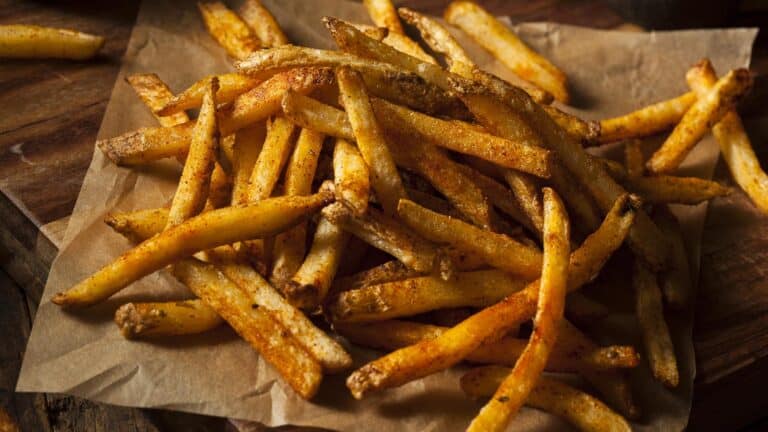
In fact, a recent Big Arch meal, complete with medium fries and a soft drink, now costs consumers roughly 9 dollars in the United States.
Corporate Language Fails To Connect
Public frustration completely boiled over when company leadership tried to generate organic hype on the internet by posting tasting videos that felt painfully rehearsed and totally devoid of any real human charm.
Millions of viewers cringed uncontrollably as top corporate executives referred to the hot new sandwiches as mere products rather than delicious food you would actually want to eat on a Friday night.
This bizarre digital communication strategy completely backfired, because everyday Americans instantly recognize when a giant multinational corporation is trying to feed them rehearsed boardroom talking points.
Major marketing blunders exactly like these only validate the growing public suspicion that the global brand no longer understands the simple joy of grabbing a hot burger on a quick afternoon lunch break.
The corporate disconnect became painfully obvious to everyone as harsh financial data reflected the true cost of alienating a deeply loyal customer base during a rather fragile economic recovery period.
The entire situation reached a critical breaking point when McDonald’s officially reported its very first widespread sales decline in 2024 since the global COVID-19 pandemic.
Dining Rooms Feel Entirely Abandoned
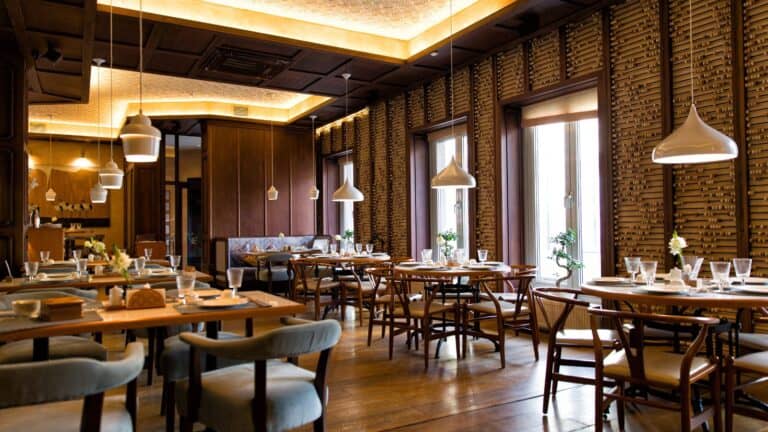
While the brand new sandwiches were heavily promoted across various online platforms, customers who actually stepped inside the physical restaurants to order them were met with incredibly cold and uninviting atmospheres.
Recently remodeled store locations have largely eliminated comfortable dining seating and friendly human cashiers in favor of giant touchscreen kiosks that frequently malfunction right in the middle of a complex order.
Hungry fans trying to purchase the new Surf N Turf secret menu item found themselves literally yelling into empty kitchens just to get a simple side of basic ketchup.
The absolute hyper focus on drive-through lane speed means that the fundamental hospitality experience has been completely stripped away from the once beloved American casual dining ritual.
Regular local patrons consistently complain that picking up a Hot Honey McCrispy inside the physical store feels like a sterile transaction at a futuristic bank rather than a fun trip to a familiar neighborhood grill.
Despite the overwhelmingly chaotic interior store experience, over 90 percent of United States franchisees are currently offering meal bundles for 4 dollars or less to desperately drive foot traffic.
Frustrated Customers Flee To Competitors

As public dissatisfaction steadily mounts over the premium pricing of these three new menu items, rival fast food chains are actively seizing the golden opportunity to poach angry diners with far better meal deals.
Major competitors like Burger King and Wendy’s have aggressively ramped up their local regional promotions, directly mocking the perceived corporate greed of their biggest competitor with highly targeted and hilarious television advertisements.
In some major metropolitan regional markets, the total price of a standard Big Mac meal jumped compared to the previous calendar year.
Budget-conscious shoppers are rapidly taking their hard-earned money elsewhere, proving that blind brand loyalty no longer exists when the base cost of a simple chicken sandwich rivals a proper sit-down diner.
Struggling families quickly realize they can sit in a comfortable upholstered booth at a local restaurant and enjoy unlimited free drink refills for the same amount of cash they would spend at a loud drive-through window.
This massive consumer behavioral shift serves as a stark warning to any giant mega corporation that assumes its core audience will blindly accept endless price hikes without looking for better dining alternatives.
Nutritional Promises Miss The Mark Completely
Even health-conscious modern consumers who carefully read the initial press releases, hoping for significantly better food ingredients, were left utterly disappointed by the heavy caloric load of the newest menu additions.
The flashy digital marketing campaigns heavily emphasized protein content to subtly lure in active gym goers, completely ignoring the massive amounts of unnecessary sodium and sugar heavily packed into the shiny new proprietary sauces.
To specifically appeal to this growing fitness demographic, the newly launched Hot Honey McCrispy Sandwich contains exactly 27 grams of essential muscle-building protein.
Frustrated everyday diners rightfully argue that adding a few extra grams of processed meat does not magically transform a greasy fast food sandwich into a legitimate daily health food option.
The incredibly intense online debate over these specific nutritional profiles conclusively proves that modern food buyers are far more educated about their dietary choices than corporate executives previously assumed.
Until the massive company decides to offer completely transparent and genuinely balanced meals at a truly fair price point, these fancy new sandwiches will likely continue to generate nothing but severe indigestion for corporate accountants.
Like our content? Be sure to follow us