Some states face USDA criticism for continuing to tax supermarket groceries at checkout
What it means to afford food shifts when even basic ingredients arrive with a government-added price tag.
Families across the United States are feeling the squeeze at the checkout counter right now. The rising cost of living is already a heavy cross to bear without the government taking an extra slice of the pie. It seems unfair that buying bread and milk comes with a penalty fee in certain parts of the country.
The federal government is finally stepping into the ring to call out this controversial practice. Lawmakers are feeling the heat as constituents demand a break from these relentless out-of-pocket expenses. Shoppers want straightforward pricing rather than getting hit with surprise fees when they ring up their carts.
The Heavy Burden On Everyday Families

Buying basic provisions is eating a massive hole in the wallets of ordinary citizens. People living paycheck to paycheck cannot afford to throw away their cash on unnecessary government fees. The sheer frustration of paying extra for survival necessities is causing tempers to flare.
Folks are tired of being treated like walking ATMs every time they visit the supermarket. A quick run for eggs and cheese turns into a costly endeavor that wrecks the monthly budget. Something has to give before working-class households completely buckle under the financial pressure.
USDA Raises Valid Nutritional Concerns

Federal officials are raising red flags about how these fees impact public health. The agency noticed that people tend to buy cheaper junk food when fresh produce gets taxed heavily. They worry that working parents will skip nutritious options just to save a few pennies.
A recent USDA study shows a 1-percentage-point increase in grocery taxes is linked to a 0.7 percent drop in spending on food prepared at home. This means families are settling for processed garbage instead of cooking wholesome meals from scratch. It is a tough pill to swallow knowing that policies are actively discouraging healthy eating habits.
Idaho Shoppers Feel The Pinch Weekly

Residents in the Gem State are definitely getting the short end of the stick at the register. They face a steep baseline rate that instantly makes their grocery hauls significantly more expensive. Families are constantly clipping coupons just to offset the hefty state-imposed charges.
A family spending $200 weekly in Idaho pays an extra $600 yearly due to the state’s 6 percent grocery tax. That is a huge chunk of change that could have been spent on car repairs or school supplies. People are desperately waiting for their local politicians to finally wake up and smell the coffee.
Alabama Takes Steps To Reduce Rates

Some southern states are slowly realizing they need to throw their citizens a bone. They understand that nickel-and-diming people for dinner ingredients is a terrible look politically. Residents have been vocal about their displeasure for years and are finally seeing some action.
Alabama’s recent legislation dropped its statewide grocery tax to 2 percent as of 2026. This welcome reduction leaves a little extra breathing room for parents trying to make ends meet. It is a step in the right direction, even if the journey is far from over.
Mississippi Slashes The Highest Tax Rate

The Magnolia State previously held the undesirable title of having the highest food fees nationwide. Shoppers were constantly groaning when the cashier handed over the final receipt. It felt like highway robbery every single time someone bought a simple carton of milk.
Mississippi lawmakers lowered their nation-leading grocery tax rate from 7 percent to 5 percent in 2025. That significant drop keeps more money in the pockets of those who truly need it most. People are breathing a sigh of relief now that the local government is easing off the gas pedal.
Illinois Says Goodbye To The Extra Charge

The Midwest is leading by example regarding the elimination of these unpopular fees altogether. Politicians recognized that keeping food affordable is a surefire way to win over frustrated voters. They decided to wipe the slate clean and give their residents a much-needed financial break.
Illinois eliminated its 1 percent statewide grocery tax on January 1, 2026. Shoppers can now walk down the aisles without doing mental math to calculate hidden surcharges. This massive victory proves that raising your voice can actually move mountains at the Capitol.
Food Insecurity Risks Continue To Climb

Experts warn that charging extra for sustenance pushes vulnerable people over the edge. Families teetering on the poverty line cannot absorb these additional costs without sacrificing their well-being. Sometimes they have to choose between paying the electricity bill and putting dinner on the table.
Duke University researchers 408 found that an average 1% grocery tax rate drove a 0.84% increase in the likelihood of household food insecurity. It is absolutely heartbreaking to think that local policies are literally taking food out of hungry mouths. The stark reality is that these fees disproportionately hurt the folks at the bottom of the ladder.
Local Taxes Still Create Budget Nightmares

Even when the state backs off, county governments often swoop in to take their cut. You might think you are getting a deal until you notice the local surcharge tacked onto your receipt. It is like playing a frustrating game of whack-a-mole with your personal finances.
City councils use these revenues to fund their own pet projects while shoppers foot the bill. People are starting to read the fine print and hold their local representatives accountable. They want total transparency instead of smoke and mirrors at the grocery store.
The Political Battle Lines Are Drawn
This issue has sparked a massive tug of war between grassroots activists and stubborn lawmakers. Politicians argue they desperately need the revenue to keep schools and emergency services fully operational. Meanwhile, the average Joe just wants to buy groceries without feeling swindled.
Debates over these policies are getting incredibly heated on the floors of state legislatures. Both sides are digging their heels in and refusing to give an inch of ground. It remains to be seen who will ultimately blink first in this high-stakes showdown.
Shoppers Demand Relief At The Register
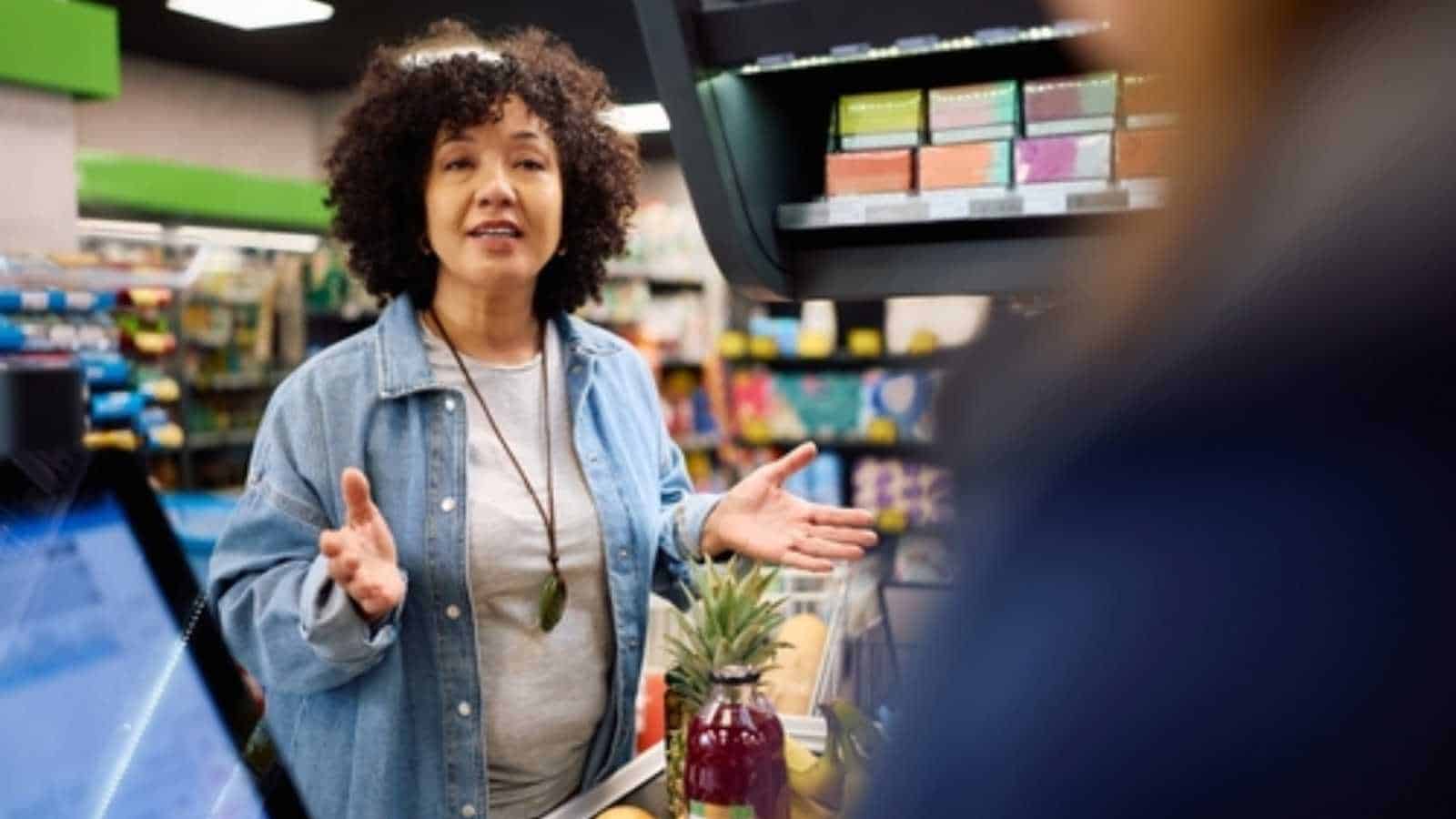
Consumers are absolutely fed up and are making their voices heard loud and clear. They are signing petitions and flooding the phone lines of their elected officials to demand change. Nobody wants to accept the status quo when it directly hurts their bottom line.
The writing is on the wall for any politician who ignores this growing wave of public anger. It is safe to say that this topic will be a massive talking point during the next election cycle. Ordinary folks will remember exactly who stood by them when the going got tough.
Like our content? Be sure to follow us