Toyota and Nissan admit American-made cars don’t match Japanese quality
It’s a bizarre twist of fate when two of Japan’s biggest automakers warn their own domestic buyers that American-built cars might not be up to snuff.
Toyota and Nissan are reverse-importing models such as the Tundra, Highlander, and Murano from the U.S. back into Japan. To manage consumer expectations, both manufacturers have taken the unprecedented step of issuing official quality-warning notices for these imports. The issue isn’t safety or mechanical failure, but rather a clash of cosmetic standards between U.S. factories and Japanese buyers.
Nissan explicitly reassures customers that these aesthetic differences won’t impact how the vehicle actually runs on the road. Even so, Japanese consumers aren’t used to seeing panel gaps, thin paint, or glue residue on a brand-new showroom floor.
Navigating the new U.S.-Japan trade policies
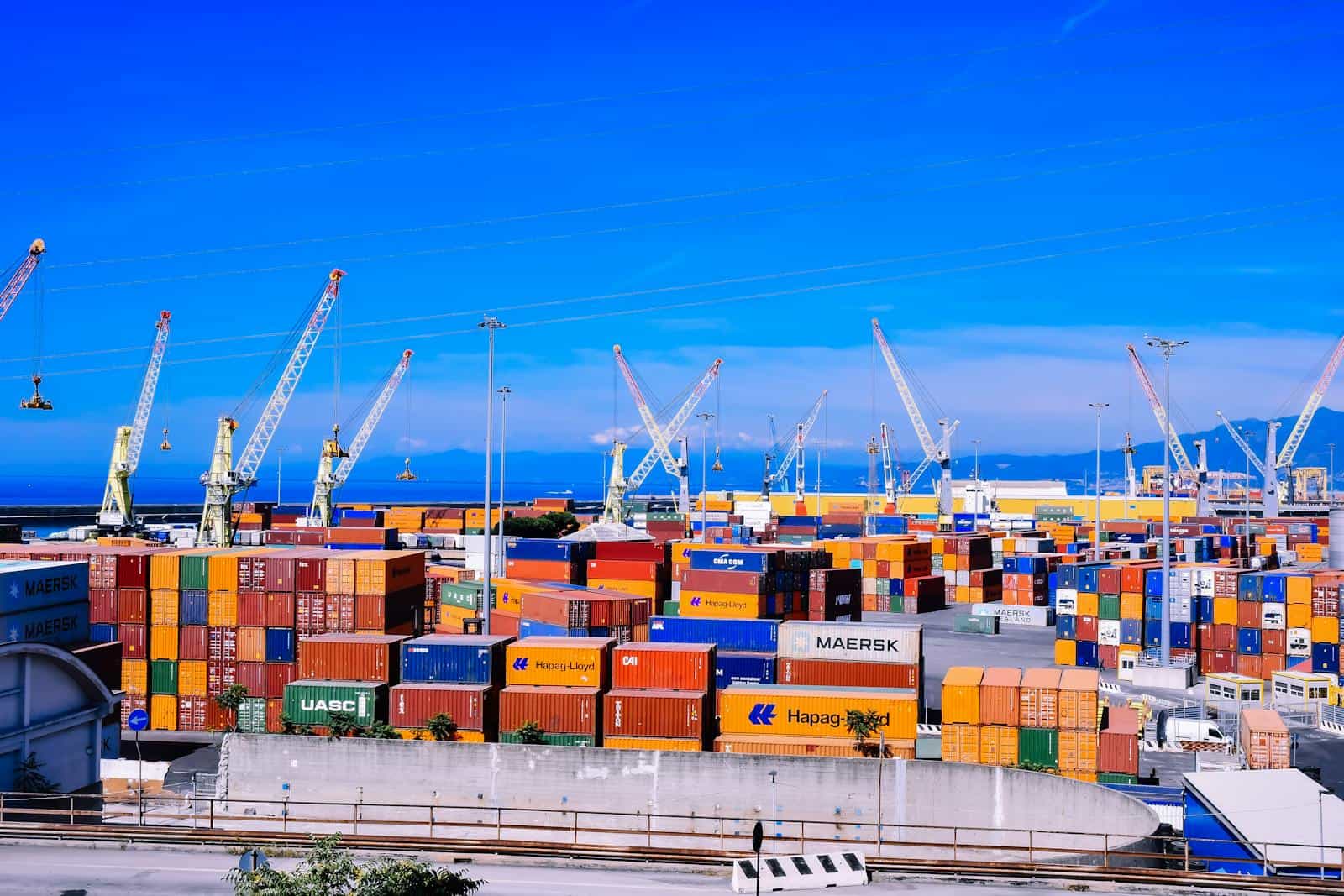
This sudden influx of American-made vehicles stems directly from a major bilateral trade agreement finalized in late 2025.
The deal eased U.S. auto import tariffs down to 15%. In return, Japan created a simplified certification framework that allows U.S.-built passenger cars to skip local safety and emissions testing altogether. While this policy bypasses frustrating regulatory red tape, it leaves U.S. models in their original left-hand-drive configuration for a right-hand-drive country.
Consequently, these large vehicles are entering Japan as highly specialized niche imports rather than mass-market options. The volume targets show exactly how small this experiment really is.
Toyota only aims to sell around 80 Tundras and 40 Highlanders per month in Japan. S&P Global Mobility analyst Stephanie Brinley points out that these massive vehicles are essentially serving as unique halo models.
Mapping out the product specs and pricing

The visual inconsistencies are highly specific to the different factories where these vehicles are built.
These assembly lines were never designed with traditional Japanese aesthetic precision in mind. Instead, they operate on North American standards where buyers don’t mind minor panel discrepancies or paint variations. The detailed product specifications highlight these differences in stark detail.
A side-by-side comparison reveals just how much localization was skipped to expedite the shipping process. The lack of proper software localization means that buyers must accept significant digital compromises.
For instance, Nissan’s Tennessee-built Murano only supports English, Spanish, and French. Critical safety and comfort features, such as local road sign detection, are entirely non-functional.
Exploring the root cause of the quality gap

Industry data consistently reveals a significant gap in long-term reliability between Japanese and American automotive production.
In the J.D. Power Vehicle Dependability Study, Lexus and Toyota consistently lead the charts. By comparison, domestic U.S. giants like Ford and Chevrolet regularly rank near the bottom half. The numbers tell an even more compelling story about manufacturing reliability.
A quick glance at long-term ownership data reveals why Japanese buyers are so incredibly protective of their domestic standards.
This gap is driven by a fundamental difference in manufacturing culture and philosophies. Japanese factories employ Kaizen, emphasizing incremental, continuous improvement of a single process over generations. U.S. manufacturing tends to favor rapid redesigns, high production speeds, and broader tolerances to maximize volume. Even the physical application of paint varies due to differing environmental regulations in the U.S.
EPA-mandated waterborne paints often result in thin, chip-prone coatings with “orange peel” textures. Internal organizational dynamics further complicate the pursuit of absolute manufacturing perfection in the United States.
U.S. engineers frequently face immense pressure to reduce paint volume, saving production costs at the expense of long-term durability.
How does this impact global brand perception?

This quality friction arises as Nissan aggressively shifts its manufacturing footprint to reduce tariff exposure.
In 2024, Nissan imported 45% of the vehicles it sold in the U.S. from Japan and Mexico, but it now plans to manufacture 80% of its fleet domestically. To achieve this, Nissan is maxing out its massive 6-million-square-foot Smyrna plant, adding a layer of export complexity back to Japan.
For decades, Japanese brands have spent billions building a sterling reputation for flawless manufacturing.
Now, they are forced to openly admit that their own global supply chains are diluting that very standard. It’s an awkward compromise that highlights the tension between trade compliance and brand integrity. Ultimately, this situation forces domestic buyers to reconsider the value of a vehicle’s final assembly location.
Knowing a vehicle has a “J” serial number in its VIN remains a critical badge of honor for purists. As these imports arrive on Japanese shores, they serve as a stark reminder that where a car is built matters just as much as who engineered it.
The final inspection

The globalized car market is forcing Japanese automakers to prioritize trade politics over physical perfection.
While the mechanical foundations of these U.S.-built vehicles remain highly robust, the aesthetic differences are undeniable. For consumers who demand absolute visual perfection, the final assembly plant’s geographical location remains the ultimate metric.
Disclaimer – This list is solely the author’s opinion based on research and publicly available information. It is not intended to be professional advice.
Like our content? Be sure to follow us