Policy changes prompt states to restrict junk food purchases made with food stamps
A routine grocery run is starting to feel a lot more complicated for families relying on food assistance, as new rules quietly change what can and cannot go into the cart.
Going to the grocery store with your family used to be a fairly straightforward errand. You grab a cart, fill it with the essentials, and maybe toss in a treat to keep everyone smiling through the checkout line. Now, a wave of new rules is completely changing what you can put on the conveyor belt.
The push to cut out sugary snacks and drinks is stirring up conversations at kitchen tables and checkout counters across the country. Let us explore what is happening with these new grocery guidelines and how they affect ordinary folks trying to feed their families.
The Make America Healthy Again Initiative

The federal government recently introduced the Make America Healthy Again campaign to improve public nutrition. Officials argue that cutting out sodas and candy will help fight obesity and chronic diseases. This new vision places a heavy emphasis on replacing processed items with fresh fruits and vegetables.
As part of this shift, as of 2025, 23 states received approval to limit what shoppers can buy with their food assistance. Leaders like Agriculture Secretary Brooke Rollins are cheering this on as a historic step for public health. However, critics argue that these changes place an unfair burden on low-income families just trying to get by.
The Rising Cost Of Feeding A Family

Every trip to the supermarket feels like an absolute wallet drainer these days. Prices for basics have skyrocketed, making it harder for parents to stretch their dollars. When you throw new restrictions into the mix, finding affordable and compliant items becomes a real headache.
In fiscal year 2024, the government spent just over $100 billion to keep this massive food assistance program running. That huge price tag shows just how many households rely on this lifeline to keep their pantries stocked. Unfortunately, making the rules stricter does not magically make healthy ingredients any cheaper for the average shopper.
How The Benefit Impacts Everyday Americans

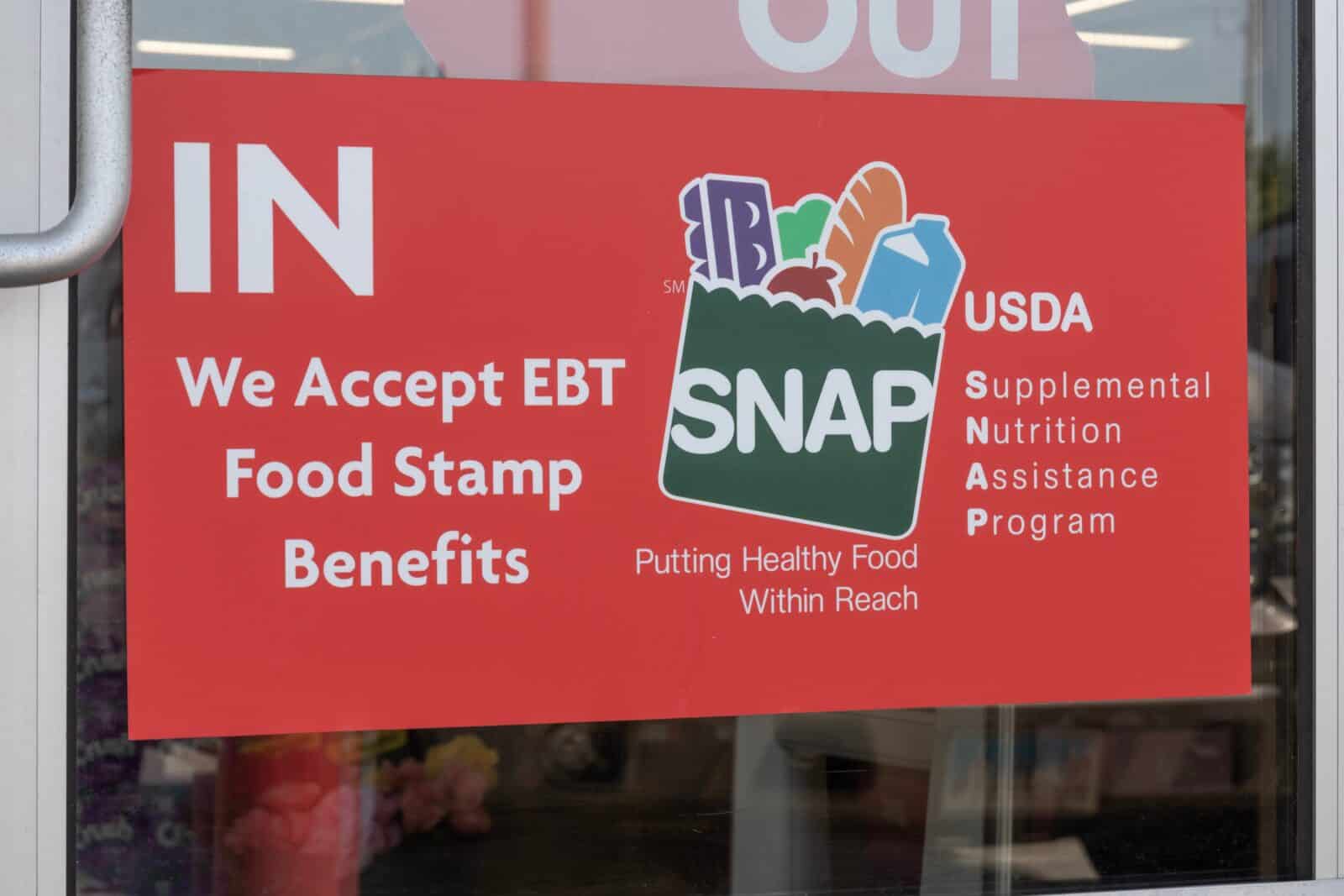
For millions of people, this SNAP program is the only thing standing between a full belly and an empty table. It helps seniors on fixed incomes and working parents who are stretched too thin. Taking away the simple joy of a candy bar feels like an unnecessary punishment to some folks.
FOX 5 New York reports that the program provided an average of $190.59 a month per person to over 42 million people. That monthly allowance disappears in a flash when you factor in the high cost of fresh produce and lean meats. Families are now forced to plan their meals with military precision just to make it to the end of the month.
Dropping Enrollment Numbers Across The Nation

Keeping up with the paperwork to stay enrolled has always been a frustrating hoop to jump through. As the rules get tighter and the economy shifts, fewer people are managing to keep their benefits active. It feels like the system is slowly squeezing out the very folks who need the help the most.
Between January 2025 and January 2026, nearly 4.3 million Americans lost their access to these crucial grocery funds. Whether due to missed deadlines or changing income limits, that is a staggering number of families left to fend for themselves. The new junk food bans might just add another layer of red tape that pushes more people away.
The Pushback From Shoppers And Advocates

Nobody likes feeling judged while they are trying to pay for their groceries. Advocates worry that these new bans will create a massive stigma for people who accidentally put the wrong item in their cart. Having a cashier tell you that your child’s favorite snack is prohibited is a deeply embarrassing experience.
A recent legal challenge filed by beneficiaries in five states actually resulted in a federal judge blocking the bans. The judge ruled that the government was ignoring the legal definition of food by putting these restrictions in place. This court battle highlights the deep divide between policymakers and the everyday people walking the grocery aisles.
Figuring Out The Maze Of Allowed Beverages
If you thought picking a drink was easy, these new rules will make your head spin. The guidelines on what counts as an acceptable beverage are incredibly confusing and vary wildly from place to place. You practically need a calculator and a chemistry degree to read the labels now.
In Texas, starting April 1, 2026, sweetened drinks must contain less than five grams of added sugar to be eligible for purchase. Drinks that consist of more than half fruit juice might be fine, but a regular sports drink could get rejected at the register. It is enough to make anyone throw their hands up and just stick to tap water.
Retailers Caught In The Middle
Grocery store owners are definitely not thrilled about having to act as the food police. Updating their checkout systems to flag restricted items takes time, money, and a lot of patience. Cashiers are the ones who have to break the bad news to confused customers, which often leads to tense standoffs.
Stores that fail to comply with these complicated new rules could face serious trouble with the government. They have to constantly update their databases because a product that is approved today might be banned tomorrow. Small local markets are feeling the pinch even more than the massive corporate chain stores.
The Definition Of Real Food
Congress originally designed these benefits to cover almost any food item meant to be eaten at home. The whole point was to give families the freedom to make their own choices without government interference. Now, officials are trying to rewrite those definitions to exclude things they deem unhealthy.
The recent court ruling argued that the government cannot just change the meaning of food on a whim. Trying to legally separate a bag of chips from a bag of carrots is opening a massive can of worms. It leaves shoppers wondering where the line will eventually be drawn in the future.
State Flexibility Versus National Standards

Giving states the power to write their own grocery rules has created a patchwork of total confusion. A family living on a state border might find that their favorite drink is allowed in one town but banned a mile away. This lack of consistency makes it incredibly difficult for national brands to keep their customers informed.
While some governors celebrate this freedom, everyday people are left scratching their heads. It is hard to swallow the idea that a candy bar is perfectly fine in one state but considered a public health hazard in another. Federal programs usually work best when everyone is playing by the same rulebook.
The Future Of Grocery Assistance Programs
The fight over what belongs in an American grocery cart is clearly far from over. Policymakers are still determined to push their health initiatives, while advocacy groups refuse to back down. We are likely going to see more lawsuits and legislative battles before the dust finally settles.
At the end of the day, working families just want to put decent meals on their tables without the hassle. Whether these new restrictions actually improve public health or just create more headaches remains to be seen. One thing is certain: the checkout lane has become the newest battleground in American politics.
Like our content? Be sure to follow us