Kylie Jenner called paparazzi culture “diabolical.” Now she’s selling $399 AI camera glasses
Kylie Jenner spent her childhood being chased by photographers who, by her own account, screamed obscenities at her through car windows when she was 16 years old. She told podcast host Jake Shane that the way paparazzi treated her as a child was diabolical and inappropriate, recalling being called a slur while trying to drive away from a crowd of six photographers blocking her car.
She had no security detail at the time. She didn’t hire one until after she had her first child because, as a teenager, she wanted to feel normal and be with her friends like anyone else her age.
Three weeks after that interview aired, Jenner helped launch a $399 pair of glasses with a camera built into the frame.
What Jenner actually launched
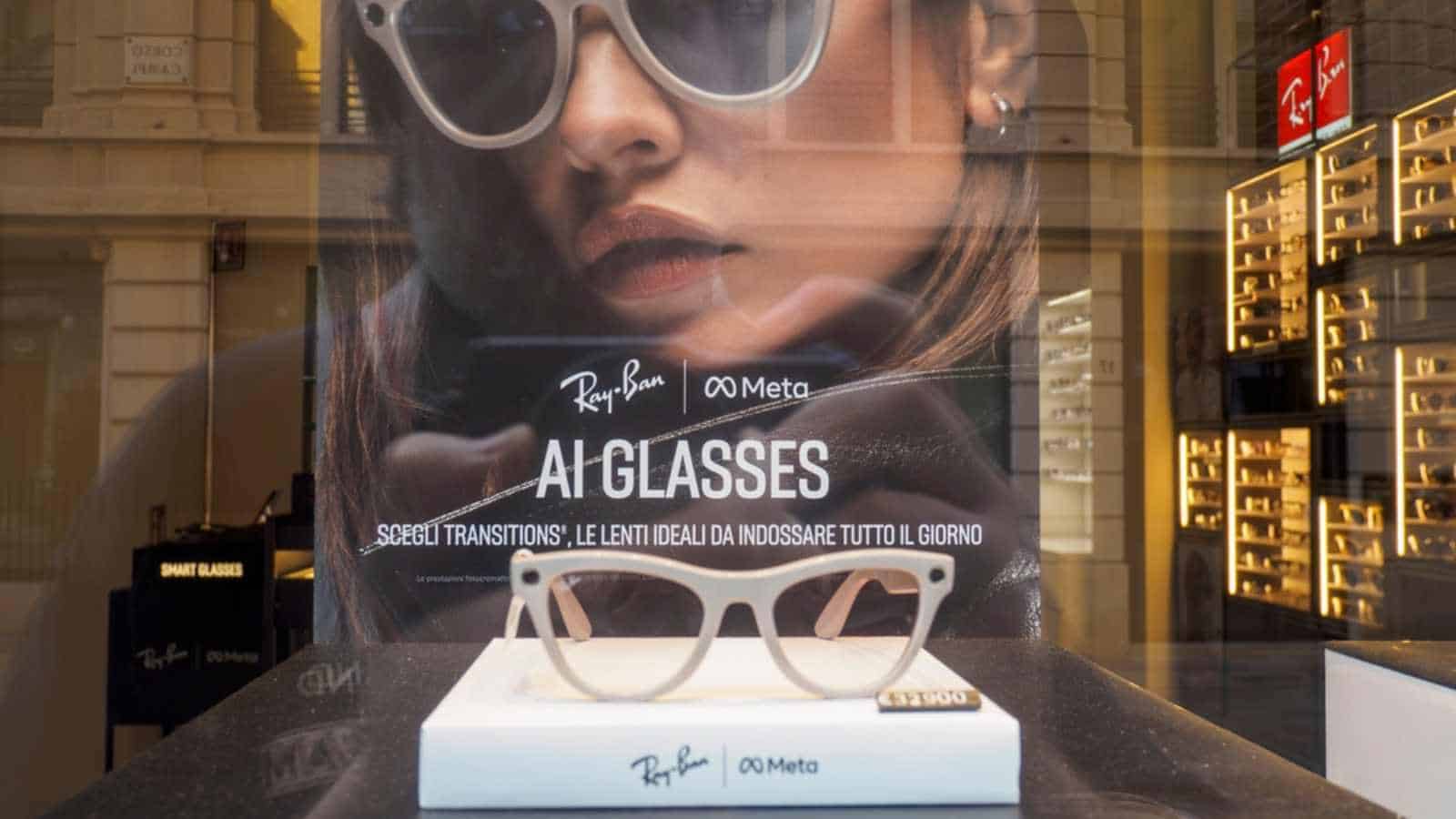
On June 23, Meta introduced its own branded line of AI glasses, dropping the Ray-Ban name it had used since 2021 in favor of three in-house styles built with longtime manufacturing partner EssilorLuxottica: the Adventurer, the Fury, and a Kylie Jenner collaboration called Starfire. The Adventurer and Fury start at $299, undercutting the previous generation Ray-Ban Meta by roughly $80. The Starfire edition, co-designed with Jenner, costs $399.
Every pair in the line carries a built-in camera, speakers, and a button that, by default, triggers Meta’s AI assistant, which can answer questions, recognize objects in the wearer’s field of view, and assist with everyday tasks. The Starfire model adds a few Jenner-specific touches: a small gem near the camera lens designed to evoke the flash of paparazzi cameras, a metal nose bridge that wipes clean of makeup more easily than the standard plastic, and the option to hear Meta’s AI assistant speak in an AI-generated version of Jenner’s own voice. Jenner recorded custom lines for the device, including a morning greeting she described as something she’d actually want to hear every day when putting on the glasses.
It marks Jenner’s first move into wearable technology, and it hands Meta a design partner with global cultural reach at a moment when the company is racing to lock in market share before competitors catch up.
Why Meta needed a face like hers

The smart glasses category is projected to grow from $3.2 billion this year to $14.4 billion by 2033, and unit shipments are expected to more than double in 2026 alone, from 5.1 million last year to over 10 million. Meta currently dominates that growth. The company holds roughly 80% of the AI smart glasses market, and the new pricing is a calculated move to protect that lead as Google and Samsung prepare Android XR glasses with Gemini integration for release later this year.
What Meta does not have, on its own, is warmth. A camera-equipped device made by a company best known for data scandals and antitrust scrutiny is a hard sell to a mainstream audience already wary of being recorded.
A camera-equipped device endorsed by someone whose face has sold out cosmetics lines, shapewear, and tequila is a different proposition entirely. Jenner’s involvement pushes the product toward fashion rather than surveillance technology, which is precisely how Meta hopes to reach buyers who would never consider buying a device with a Facebook-era name.
That strategy has worked before. Ray-Ban’s name did the same softening work for years. The difference now is that the face attached to the camera is someone who has spent the better part of two decades describing, in increasingly specific terms, what it costs to be photographed without consent.
The reaction has been pointed
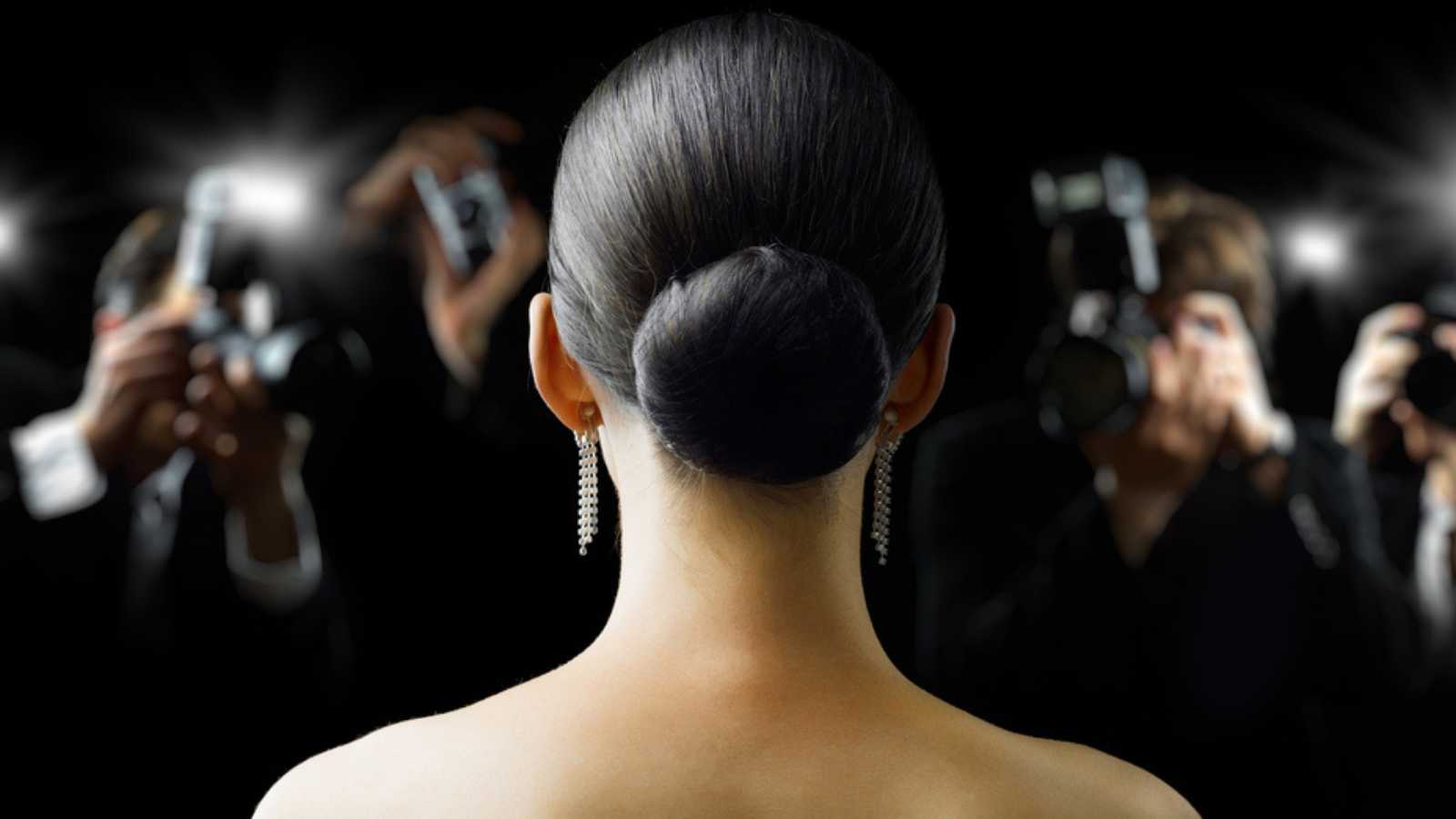
On social media, some people called the glasses a dystopian surveillance nightmare and argued that nobody consents to being recorded simply by walking past someone wearing them. One widely shared comment argued that any camera that doesn’t clearly look like a camera should probably be illegal.
Since Ray-Ban Meta glasses first launched in 2021, the category has divided opinion partly because of documented cases of people secretly filming women without their knowledge, including footage used for unsolicited pickup attempts posted to social media. A device that looks like ordinary eyewear and records without any visible signal is, by design, built to make surveillance harder to detect, not easier.
For Jenner specifically, the criticism has a sharper edge. Commenters online have pointed out that a woman who has described being hounded by hidden and aggressive cameras throughout her adolescence is now the face of a product engineered to make hidden cameras more socially acceptable, not less. The same fame that once subjected her to unwanted lenses is now the asset Meta is renting to put more lenses on more faces.
A trade Jenner has already made before

This is not the first time Jenner has packaged her own private discomfort into a product. Her cosmetics company built an empire on her experience with body image and self-consciousness. In each case, a vulnerability she lived through became the premise for something she sold.
Body image is a personal experience that a person can choose to monetize. Being filmed without consent is an experience inflicted on her by someone else’s camera. Selling a product that extends that same dynamic to other people is a different kind of transaction, one where the person cashing in on the harm is not the one absorbing it this time.
It is worth noting that being photographed by paparazzi in public and being secretly filmed by a stranger wearing camera glasses are not legally identical situations. Filming people in public spaces is generally legal in the United States, since individuals do not have a reasonable expectation of privacy on a street or in a park, though that protection narrows in spaces where privacy is reasonably expected. The legal distinction is real. The emotional one, for a lot of the people reacting online, evidently is not.
What this says about where the camera is headed

Strip away the celebrity name, and the underlying shift is bigger than a single product launch. Cameras have been migrating closer to the human body for two decades, from handheld phones to wrist-worn devices to, now, the bridge of someone’s nose. Each step removes a visual cue that once warned a bystander they were being recorded.
Jenner’s involvement makes the device feel desirable rather than unsettling to an audience that might otherwise hesitate. That is the entire function of a celebrity collaboration, and it is also the reason her specific history with cameras has become the story’s focal point rather than a footnote.
It passes for ordinary eyewear, designed by someone famous, sold at a price low enough that millions of people put it on without a second thought, in the morning, on the way out the door.
Disclaimer – This list is solely the author’s opinion based on research and publicly available information. It is not intended to be professional advice.
Like our content? Be sure to follow us.