Phones may be putting pedestrians at risk, but why mostly in America?
The global spike in smartphone usage has transformed daily communication, yet its alleged link to pedestrian safety remains a uniquely American crisis.
Many transportation debates blame distracted walking for the rising pedestrian mortality rate. An investigation by Forbes into international road safety reveals that systemic infrastructure deficiencies and unregulated vehicle size expansion, rather than individual mobile distraction, explain why American walkers face a disproportionately deadly environment.
While mobile screens are ubiquitous worldwide, the resulting rise in fatalities is heavily localized to the United States. Comparing federal crash statistics with European and Asian safety data exposes a deep structural divergence.
The smartphone distraction myth

Safety advocates have long scrutinized the rise of mobile devices alongside a concurrent increase in road casualties. The iPhone entered the market in 2007, and United States pedestrian deaths began climbing around 2009. However, attributing this trend to mobile phones ignores the fact that smartphone adoption is a global phenomenon.
In 2013, pedestrian deaths in the United States and Western Europe were roughly equal. Since then, Western European fatalities have steadily declined, while American deaths reached historic highs. By 2021, the United States recorded 7,388 pedestrian deaths, representing a 12.5% increase from the prior year and the highest toll since 1981.
Planners often exhibit a “windshield bias” that disproportionately blames pedestrians for crashes. In reality, mobile phone use is documented in only about 2% of pedestrian collisions. Meanwhile, distracted and speeding drivers represent the actual, documented threat. Blaming the pedestrian allows planners to avoid the costly tasks of redesigning streets and regulating vehicle weight.
Comparative global safety metrics

International safety records show that other car-dominant, highly digitalized nations do not share the American trajectory. Japan and Canada have seen consistent, long-term declines in pedestrian and vulnerable road user fatalities. These differences highlight how national policy and enforcement dictate safety outcomes.
In Australia, pedestrian fatalities dropped during the pandemic and remained low relative to historic baselines. In contrast, traffic deaths in the United States soared despite reduced driving mileage. The divergence demonstrates that behavioral shifts alone cannot explain the American safety crisis.
How vehicle dimensions alter survivability

The rapid physical enlargement of passenger cars is a primary driver of pedestrian trauma. Over the past quarter-century, the average height and weight of American SUVs and pickup trucks have grown significantly. Taller hoods and blunt front grilles are directly linked to 3,000 pedestrian deaths from 2016 to 2024.
When struck by a taller vehicle, a pedestrian’s center of mass is bypassed, causing immediate knockdown. Crash testing conducted by Forensic Rock demonstrates that any individual shorter than 5-foot-6 will frequently be thrown to the ground rather than over the hood. This “punted forward” dynamic often results in the pedestrian being run over before the driver registers the impact.
The blind spots around modern pickups and SUVs further compound this danger. Drivers of popular American models face extensive visibility obstructions directly in front of the vehicle cab. Additionally, many of these passenger vehicles are classified as “non-passenger-carrying work vehicles” to bypass pedestrian protection standards.
This regulatory loophole allows massive, chest-high grilles to operate on public streets with zero pedestrian safety features. In countries like Japan, strict design regulations compel manufacturers to optimize hood shapes to minimize impact force. As a result, the physical geometry of American vehicles remains a uniquely lethal structural choice.
Systemic road design and light conditions

Most American pedestrian fatalities occur on roads designed exclusively for high speed. Roughly 84% of these fatalities occur in urban areas, with a staggering 75% happening at non-intersection locations. These commercial arterials often completely exclude sidewalks, forcing walkers to navigate high-speed vehicle lanes.
Inadequate street lighting further exacerbates the risks of these auto-centric corridors. Federal statistics show that 77% of all pedestrian fatalities occur in the dark. Instead of investing in overhead streetlights, federal safety campaigns often mistakenly demand that pedestrians wear high-visibility gear.
This approach conflicts with international best practices like Vision Zero. European systems focus on speed-calming road architecture that physically forces drivers to slow down. In the United States, roads are designed like freeways, encouraging drivers to exceed posted speed limits safely within their vehicles but lethally for walkers.
Legal enforcement and social accountability

The regulatory environment in the United States maintains remarkably low barriers to driving. Licensing standards are minimal compared with those of peer nations, and driver retesting is rarely required. Furthermore, traffic enforcement has declined sharply, emboldening speeding and reckless driver behavior.
Canada and European nations implement strict legal and financial penalties for mobile phone usage while driving. In Ontario, drivers caught using a device face immediate roadside license suspensions. Conversely, American laws are weakly enforced, and distracted driving carries minimal legal stigma.
This lack of accountability creates a dangerous culture of driving entitlement. Many drivers view using a mobile device while driving as an acceptable, minor infraction. Combined with automatic transmissions and oversized cabs, American drivers pay significantly less attention to the road.
Demographics and chemical factors

Demographic data highlights which groups bear the highest burden of this safety deficit. Males account for 70% of all United States pedestrian deaths, exhibiting a fatality rate of 3.15 per 100,000 population. Additionally, the elderly are highly vulnerable due to slower walking speeds and increased physical fragility.
Chemical impairment also plays a major role in fatal United States pedestrian collisions. Alcohol involvement is reported in 49% of all fatal pedestrian crashes. Approximately 30% of struck pedestrians had a blood alcohol concentration of 0.08 g/dL or higher, reflecting the lack of safe walking routes home from commercial hubs.
However, walking while intoxicated is not a crime and does not justify unsafe street design. Systems that fail to protect vulnerable or impaired walkers neglect a basic public duty. By continuing to focus on pedestrian sobriety or distraction, regulators ignore the physical killers: vehicle height, high speed, and poor lighting.
A structural diagnosis of American traffic violence
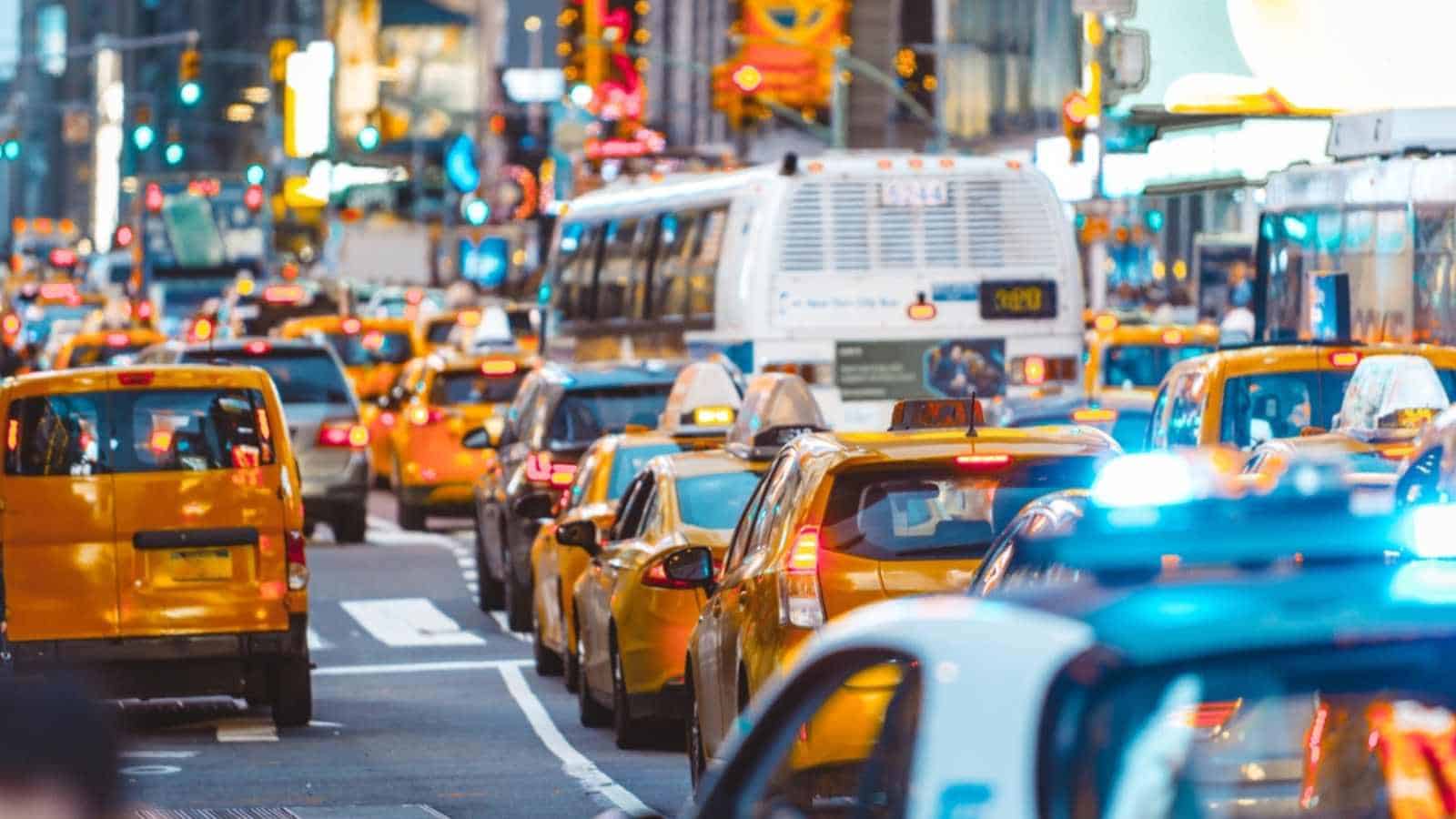
The evidence clearly demonstrates that smartphone distraction is not the primary cause of the rise in pedestrian deaths in the United States. While screens are global, the physical size of cars and the speed of road designs are uniquely American. Until regulators mandate safer vehicle standards and cities build pedestrian-first streets, American walkers will continue to pay a deadly price.
The bottom line on walking in America

United States pedestrian deaths have risen 75% since 2009, diverging completely from steady safety gains in Europe and Japan. While mobile phone use is global, the uniquely American crisis is driven by heavy, high-hooded SUVs, high-speed road design, and weak legal accountability. Solving this crisis requires reducing vehicle sizes, calming traffic, and shifting blame away from vulnerable road users.
Disclaimer – This list is solely the author’s opinion based on research and publicly available information. It is not intended to be professional advice.
Like our content? Be sure to follow us