AI’s hidden cost? Fed official says it could mean higher prices and rates
AI feels almost weightless from the user’s side of the screen. A prompt goes in, an answer comes back, and the whole thing feels like magic with a blinking cursor. But the economy sees a heavier machine.
The International Energy Agency says data centers used about 415 terawatt-hours of electricity in 2024, about 1.5% of global power use, and could reach 945 terawatt-hours by 2030. That is slightly more than Japan uses today.
This is the hidden cost Fed officials are now watching: AI may lift productivity later, but the power plants, chips, memory, cooling systems, and data centers are being paid for now. St. Louis Fed President Alberto Musalem warned in May 2026 that it would be “risky to rely” on future productivity gains to fix inflation today.
What the Fed official actually warned about

Musalem is not an AI skeptic in the cartoon sense. In his Reykjavík speech, he said he keeps six AI tools on his phone and sees the effect AI can have on businesses and households. His point was narrower and more important for borrowers: the Fed cannot cut rates just because AI might make the economy more productive later.
In Reuters’ coverage of the same remarks, Musalem said inflation was still above target, longer-term inflation expectations were drifting higher, and the labor market was stable. He added that future AI gains should not be counted as today’s inflation cure.
Reuters also reported that April PCE inflation rose 3.8% from a year earlier, while the Fed’s policy rate had stayed in the 3.50% to 3.75% range.
The timing problem

The Fed’s worry is mostly about timing. AI may raise the economy’s speed limit over time by helping workers code faster, manage data, spot patterns, and automate dull tasks. But the build-out works the other way around at first: companies spend before they save.
Musalem said the demand pressures are already visible in data centers, electricity demand, memory chips, and rising AI company valuations, which can feed consumer spending through wealth effects. That is a classic central-bank headache.
If demand rises now and supply improves later, prices can stay sticky in the gap between the two. New York Fed President John Williams made a similar point from another angle, saying inflation was still above the Fed’s 2% goal and that “substantial risks remain,” including AI-related investment that may push up prices.
The bill behind the chatbot
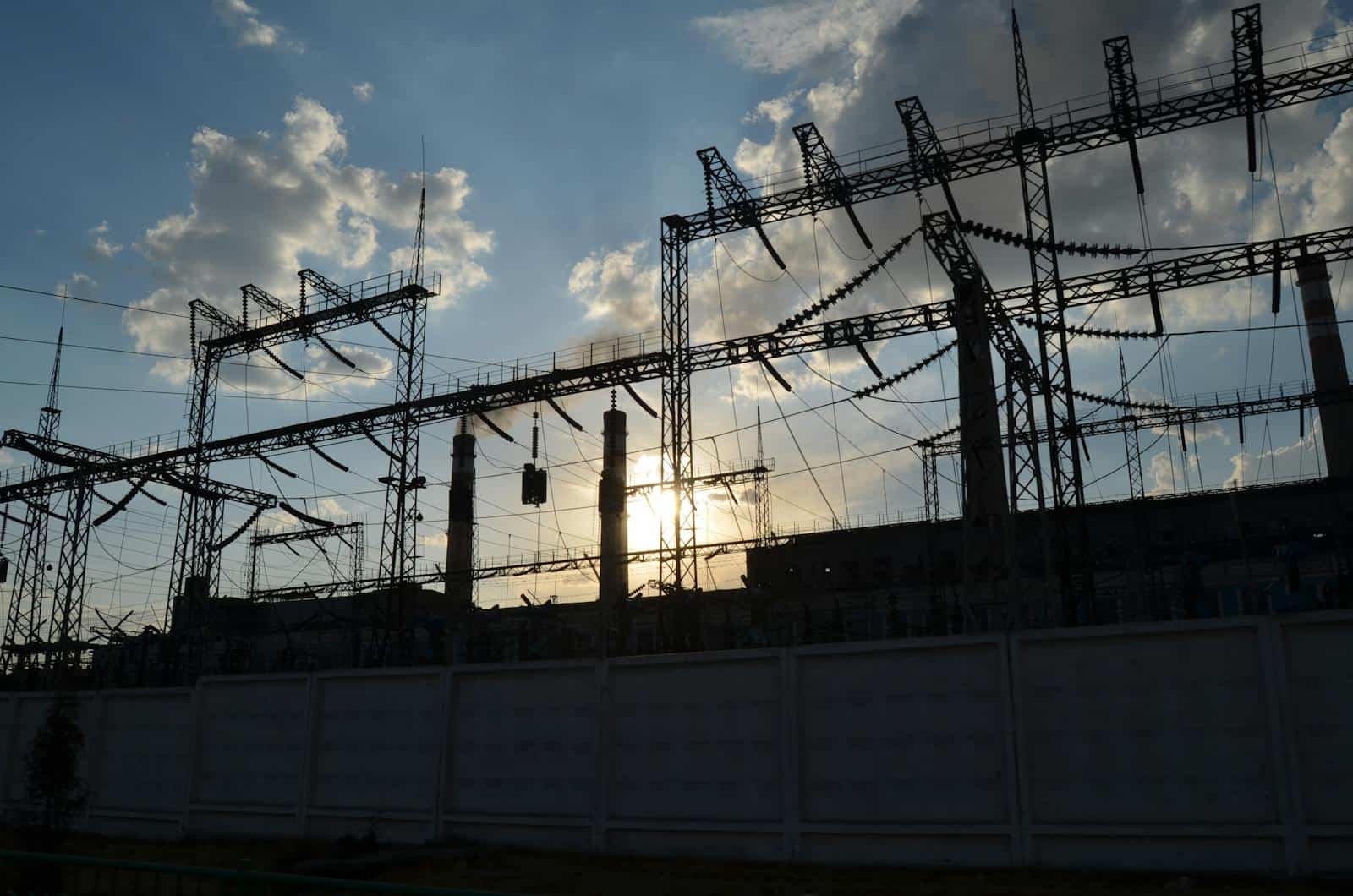
The chatbot’s bill starts with electricity. The IEA says global data-center electricity use is set to more than double by 2030, with AI the biggest driver of the increase.
In the United States, data centers are estimated to account for nearly half of electricity demand growth through 2030, and by the end of the decade, they could use more power than U.S. production of aluminum, steel, cement, chemicals, and other energy-intensive goods combined.
Goldman Sachs Research puts the near-term squeeze in even sharper numbers: U.S. data-center power demand is expected to rise from 31 gigawatts in 2025 to 66 gigawatts in 2027, while data centers’ share of U.S. peak summer demand could jump from 4.1% to 8.5%. A simple AI search may feel cheap. The grid work behind it is anything but.
How does that reach inflation?

Consumers may never see a utility bill line called “AI.” They may still pay for the power plants, wires, substations, and capacity markets shaped by AI demand. Reuters reported in June 2026 that the Energy Information Administration expected U.S. power use to hit record highs in 2026 and 2027 as AI-related data centers and wider electrification push demand higher.
Power consumption was projected to rise from 4,195 billion kilowatt-hours in 2025 to 4,271 billion in 2026 and 4,397 billion in 2027. Another Reuters report found that more than 40 U.S. states now allow construction-work-in-progress provisions, which can put some grid-upgrade costs on customers before projects are finished.
For the Fed, that matters because energy costs can seep into rent, food production, manufacturing, cloud bills, and business prices.
Why rates could stay higher

The Fed’s job is not to judge AI’s beauty. It is used to judge inflation pressure. If AI investment pushes up power demand, chip prices, construction costs, and business spending before productivity gains materialize, the central bank may have less room to cut rates.
Reuters reported that Fed Governor Lisa Cook said she was “prepared to raise rates” if expected disinflation did not appear in time. That is the warning hidden under the tech excitement.
A productivity boom can lower inflation if it lets businesses produce more with the same workers and capital. But an investment boom can raise inflation if it competes for scarce electricity, skilled labor, land, chips, and cooling equipment. The same AI wave can do both. The policy question is which effect arrives first.
The uncertainty problem

Forecasts are wide because nobody knows exactly how fast AI demand, hardware efficiency, regulation, power supply, and user behavior will change.
The World Resources Institute says U.S. data-center energy projections for 2030 range from 200 to more than 1,050 terawatt-hours per year. That spread is enormous. It means AI’s inflation effect is not destiny; it depends on how fast the grid expands, how efficient chips become, where data centers are built, how much demand can shift away from peak hours, and how much of the AI boom turns into real output rather than speculative spending.
Goldman’s analysts wrote that the jump in peak-demand share will have consequences for electricity prices and grid stability. The Fed has to make rate decisions before all those answers arrive.
The productivity promise is still real

None of this means AI is a bad economic bet. Musalem called himself an “AI and productivity optimist,” and the IEA notes that technology and energy sectors have a history of helping each other, from modeling better batteries to improving grid management.
AI could help companies cut waste, move goods faster, improve customer service, reduce paperwork, and help workers handle more output per hour. Those gains matter because higher productivity is one of the few clean ways to get stronger growth without hotter inflation. But the Fed is asking for proof, not poetry.
Musalem said the data remain inconclusive about a sustained higher-productivity regime, even though St. Louis Fed staff had trained 86% of employees to use AI and 77% were using approved tools.
What readers can take away

The AI boom is not only a story about chatbots, stocks, or office work. It is now part of the inflation story, the power-grid story, and the interest-rate story.
If AI helps businesses produce more at lower cost, it could ease prices over time and give the Fed more room to lower rates. If the near-term build-out continues to strain electricity markets, chips, construction, and capital budgets, the opposite could happen first.
Over the next 6 to 12 months, the numbers to watch are not just AI users or tech earnings. Watch PCE inflation, Fed language, power-demand forecasts, data-center delays, chip prices, and utility-rate cases. The future may still be smarter. The present is already more expensive.
Disclaimer – This list is solely the author’s opinion based on research and publicly available information. It is not intended to be professional advice.
Like our content? Be sure to follow us