
ACA coverage is shrinking as premiums surge, raising questions about how the system is being reshaped
Across the United States, a growing health care debate is being pulled far beyond policy circles and into everyday financial survival. A viral Reddit post recently argued that Republicans have “deliberately engineered” a crisis in Affordable Care Act (ACA) coverage by rolling back affordability measures, leaving millions with fewer options and higher costs.
It is a charged claim. But it is also landing in a moment where federal data, insurance filings, and household budgets all point to the same underlying reality: ACA enrollment is falling, premiums are rising sharply for many families, and the safety net that once expanded coverage is now tightening.
The question is not just what is happening, but why it is happening now and whether it reflects policy drift, structural strain, or something more deliberate in how the system is being reshaped.
A coverage system under visible strain
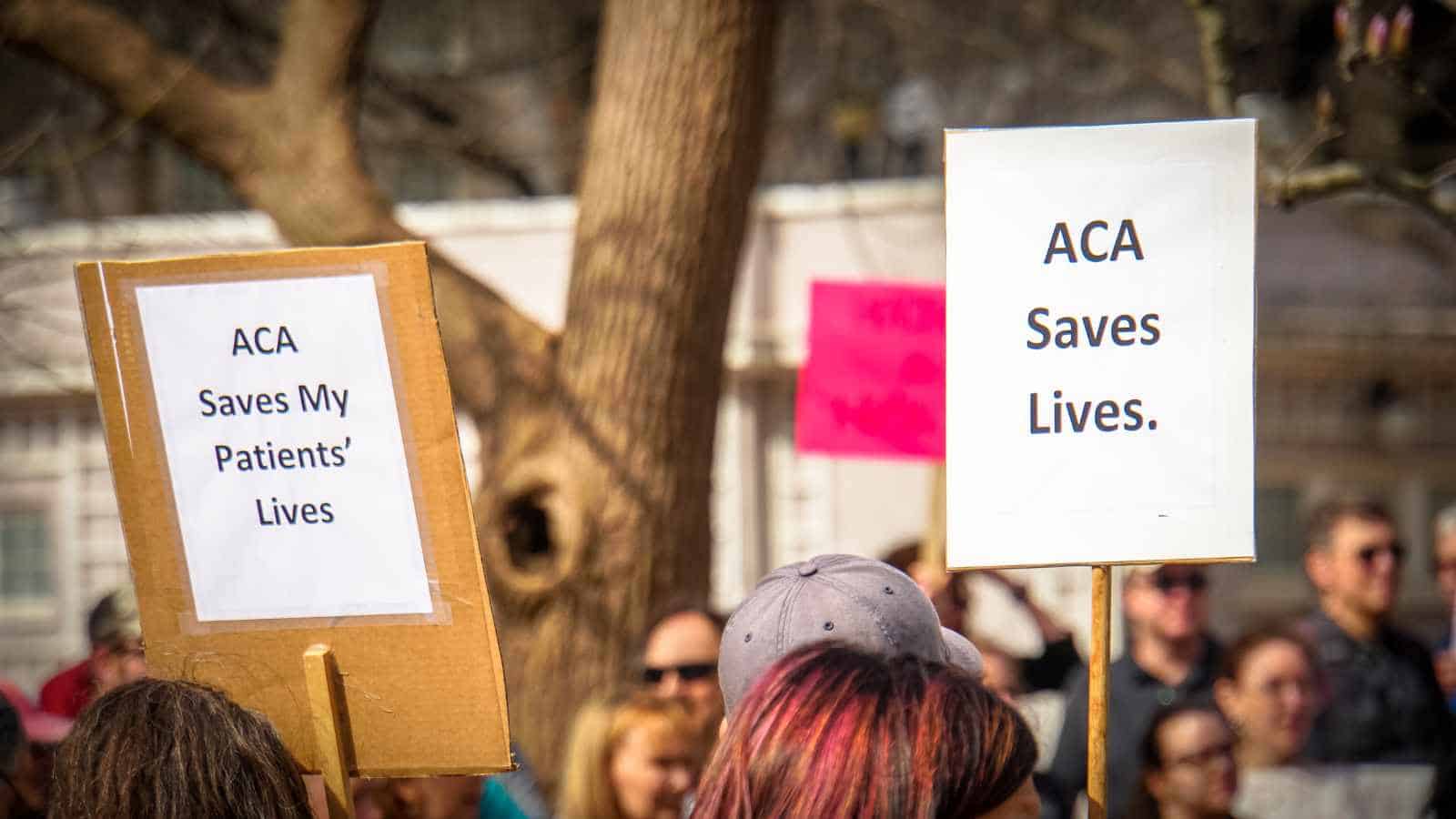
The Affordable Care Act marketplaces were designed to expand access by pairing private insurance with federal subsidies that scale with income. For several years, that model worked in reverse of early predictions: enrollment climbed steadily, especially after enhanced subsidies were introduced in 2021.
But by 2026, that trajectory has shifted.
Federal reporting and independent health policy analyses show that ACA marketplace enrollment has fallen by roughly 3 million people year-over-year, bringing total enrollment down to around 19–23 million depending on measurement method (selected vs. effectuated coverage). That drop reflects people who either did not sign up or were unable to maintain payments once subsidies changed.
At the same time, affordability pressures have intensified. Research from the Kaiser Family Foundation shows that after enhanced premium tax credits expired, many subsidized enrollees faced average premium increases exceeding 100%, with some households seeing costs double or even triple depending on age and location.
That means a family paying $300 per month in 2025 could suddenly face $600–$900 per month for comparable coverage in 2026, before deductibles and out-of-pocket costs are even considered.
The subsidy shock that reshaped the market
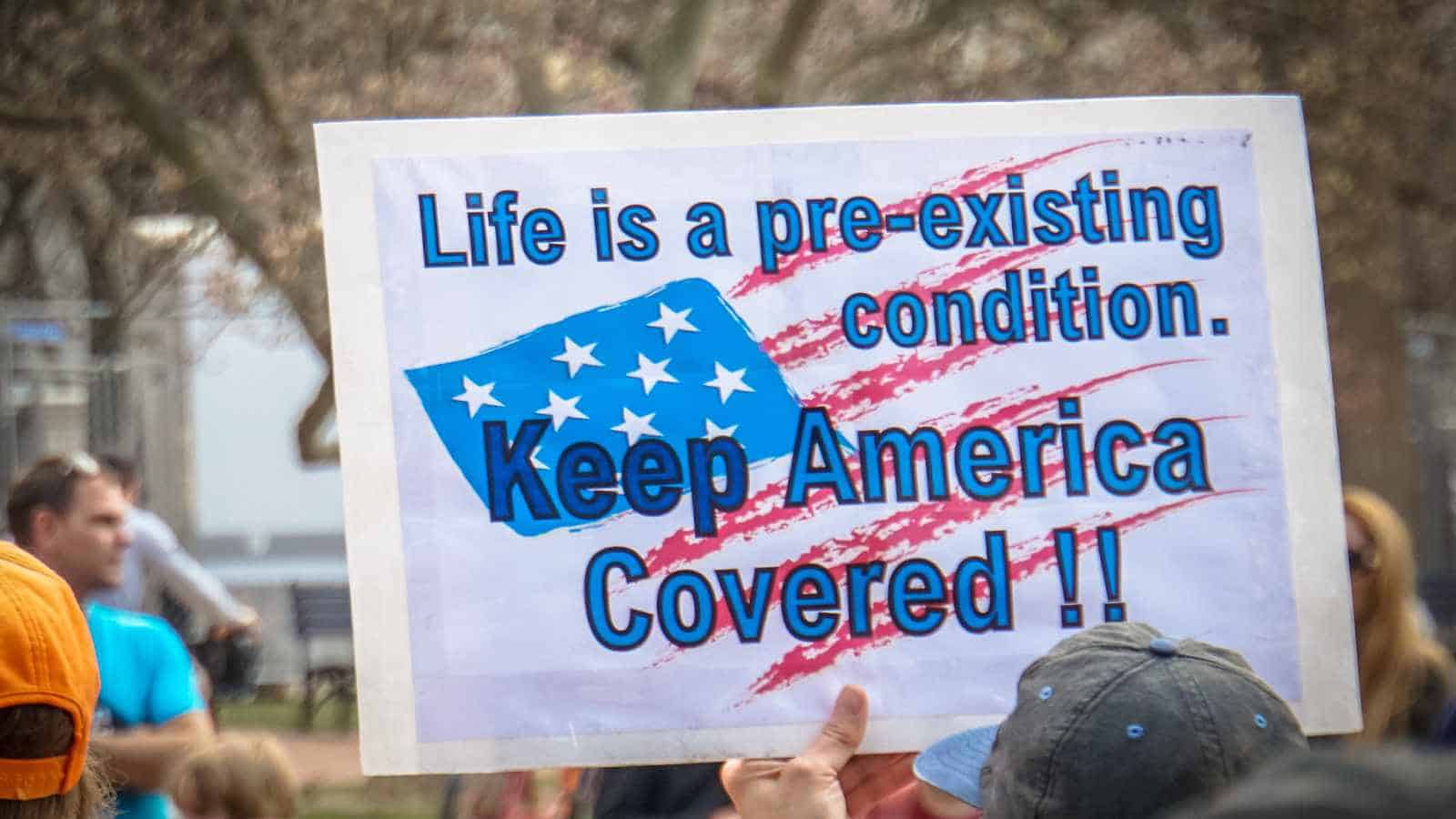
To understand the current debate, policy researchers point to a single structural shift: the expiration of enhanced ACA subsidies.
Those expanded credits, introduced during the pandemic-era policy cycle, significantly lowered monthly premiums for middle- and lower-income households. When they began phasing out in 2025–2026, the Congressional Budget Office warned that enrollment would decline and premiums would rise — particularly for people earning just above Medicaid eligibility.
That is exactly what has unfolded.
- The National Bureau of Economic Research–referenced analyses of ACA subsidy design show that marginal changes in credit generosity disproportionately affect “subsidy-sensitive” enrollees — those who are priced out immediately when assistance shrinks.
- KFF’s 2026 marketplace tracking found that coverage losses accelerated most sharply among middle-income households, not just the lowest-income groups.
- Urban Institute modeling projects that without enhanced credits, millions more Americans are likely to cycle in and out of coverage as annual income fluctuates.
The result is a marketplace that is increasingly volatile; not necessarily collapsing, but far more sensitive to policy design than many families realized.
Where the pressure is showing up on the ground

The effects are not evenly distributed.
In states that introduced their own supplemental subsidies (including California, Massachusetts, New Mexico, and Maryland), enrollment declines have been partially cushioned. New Mexico, in particular, has been cited in policy analyses as an outlier, with enrollment remaining stable or even growing due to state-level offsets.
But in states without additional support, the impact has been more direct: higher premiums, more plan cancellations, and increased “churn” — where people drop coverage and later re-enter the system when illness or financial stress forces them back in.
Insurer filings in several states have also shown requested rate increases in the 15–30% range for 2026 plans, reflecting both rising medical costs and the shrinking risk pool as healthier enrollees drop coverage first.
The policy argument: unintended consequence or engineered outcome?

This is where the debate becomes less technical and more ideological.
Supporters of the framing of the Reddit post argue that the crisis is not accidental. They point to a series of policy decisions over time (including resistance to extending subsidies, reduced outreach funding in certain periods, and promotion of alternative non-ACA plans) as evidence of a broader effort to weaken the ACA’s structure.
They describe this as a “manufactured crisis” pattern: reduce or block affordability supports, allow coverage to deteriorate, then cite rising costs and enrollment losses as proof the system is failing.
That phrase is not unique to social media discourse. It appears in policy critiques by progressive think tanks and advocacy groups, which argue that recurring cycles of underfunding and partial rollbacks can produce predictable system stress.
One commonly cited example in this debate is subsidy expiration itself: because ACA enrollment is highly price-sensitive, even small changes in federal support can trigger large-scale coverage shifts. That sensitivity is what makes the system both responsive and fragile.
The opposing view: a system reacting to fiscal limits and design constraints

Other policy analysts take a different view of the same data.
They argue that rising premiums and enrollment declines are the result of structural health care costs in the United States, not deliberate sabotage. Medical inflation continues to outpace overall inflation, driven by hospital pricing, prescription drug costs, and increased utilization of care following pandemic-related treatment delays.
From this perspective, subsidy expansion temporarily masked underlying cost growth rather than eliminating it. Once subsidies were reduced or allowed to expire, the underlying pricing structure reasserted itself.
The Congressional Budget Office has long noted that ACA marketplaces are highly sensitive to subsidy design because they are built on private insurance pricing rather than a fully public system.
In other words, the system does what it was designed to do, but that design comes with built-in volatility when financial support shifts.
A broader pattern: health care as a recurring political pressure point

The ACA debate is also unfolding alongside wider disputes over federal spending, entitlement programs, and state-level health funding.
Economists at Brookings and the Urban Institute have documented that U.S. health policy tends to move in cycles: expansion of coverage followed by periods of constraint, often tied to broader budget negotiations or partisan control of Congress.
This cyclical pattern matters because health insurance is not a static product; it is a continuously re-priced system tied to federal policy, employer decisions, and state regulation. Even small legislative changes can cascade into large behavioral shifts among insurers and consumers.
That is why analysts often warn that “policy uncertainty itself” becomes a driver of instability. When households are unsure whether subsidies will persist, they are more likely to delay enrollment or choose cheaper, higher-risk plans — further reshaping the market.
What this moment reveals about the ACA’s long-term trajectory
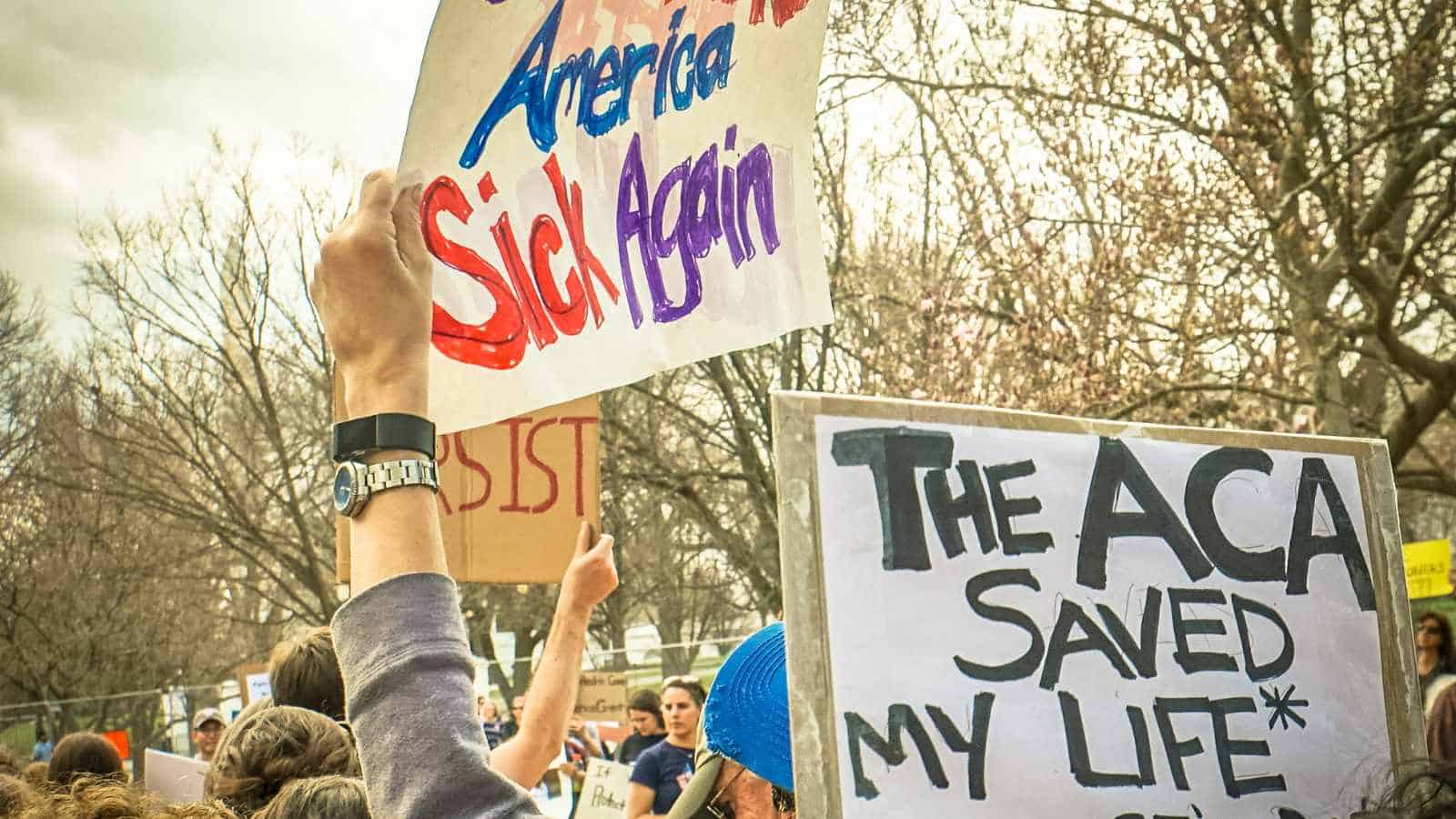
Whether one sees the current situation as a policy consequence or political strategy, the data point to the same structural reality: the ACA marketplace is entering a more unstable phase.
Enrollment is lower than recent peaks. Premiums are rising faster than wage growth in many regions. And state-level responses are creating a patchwork system where access increasingly depends on geography.
At the center of the debate is a question that goes beyond partisan framing: how much of the American health insurance system should be exposed to political cycles?
Unlike most consumer markets, insurance coverage does not reset each year neatly. A missed payment, a subsidy change, or a policy shift can determine whether millions of Americans remain insured or fall into gaps that are difficult to re-enter.
And that is ultimately why this debate is intensifying now. Not just in policy papers, but in public forums like Reddit, where frustration over affordability is merging with broader questions about intent, fairness, and control over essential services.
The system is under strain. The harder question, and the one now driving political tension, is whether that strain is an unavoidable feature of the system or the result of choices made long before most Americans feel the impact at their kitchen tables.
Like our content? Be sure to follow us







.jpg)
.jpg)
.jpg)
.jpg)