12 everyday things people 70+ can do that signal exceptionally healthy aging
Growing older does not automatically mean losing independence or quality of life. In fact, many adults in their 70s, 80s, and beyond continue to live active, fulfilling lives. According to the World Health Organization (WHO), the number of people aged 60 years and older will reach 2.1 billion by 2050, nearly double the 2020 figure. The WHO emphasizes that healthy aging is not simply the absence of disease but the maintenance of the functional ability that enables well-being in older age.
Research also shows that physical capability predicts long-term health. A 2022 scientific statement from the American Heart Association noted that measures such as walking speed, balance, grip strength, and the ability to perform everyday activities are strong indicators of overall health and future independence in older adults. Rather than focusing on age alone, these everyday abilities often reveal how well someone is aging.
Here are 12 everyday things people over 70 can do that often signal exceptionally healthy aging.
Moving through the stairs without losing confidence

A flight of stairs may seem like an ordinary part of daily life, but it quietly tests strength, balance, coordination, and confidence. Whether it is climbing steps at home, entering a building, or visiting another floor, this movement requires several parts of the body to work together.
For many older adults, being able to use stairs comfortably represents more than physical ability. It can reflect the confidence to move through familiar spaces without constantly needing support or changing daily routines.
Maintaining this skill can be an encouraging sign of independence and resilience. While everyone experiences changes over time, the ability to climb stairs shows that the body can still handle one of life’s most common physical challenges with control and stability.
Getting down and standing back up independently
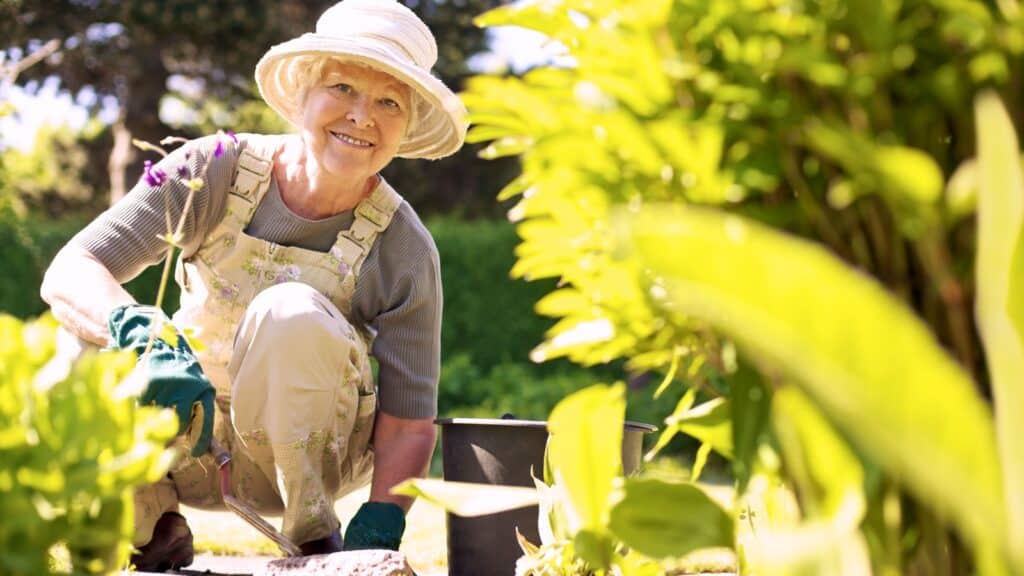
Getting down to pick something up and standing back up afterward are movements people often take for granted. These actions require flexibility, balance, leg strength, and body control that support many everyday activities.
For older adults, completing this movement without relying heavily on furniture can help preserve confidence at home. It can make simple moments easier, from picking up dropped items to spending time on the floor with grandchildren.
This ability represents more than physical movement. It can show that someone still has the independence to handle unexpected situations and continue daily routines with greater confidence.
Carrying groceries and household items with ease

Carrying grocery bags from the car, lifting laundry baskets, or moving items around the house may seem like simple responsibilities. However, these tasks require strength, coordination, and enough stability to complete everyday activities comfortably.
Maintaining this ability can help people continue caring for themselves and their surroundings. Small tasks often become meaningful because they represent the freedom to manage personal needs without always depending on others.
Healthy aging is not about performing impressive physical achievements. It is about preserving the strength needed to enjoy normal moments and maintain a sense of independence.
Keeping balance during everyday movements
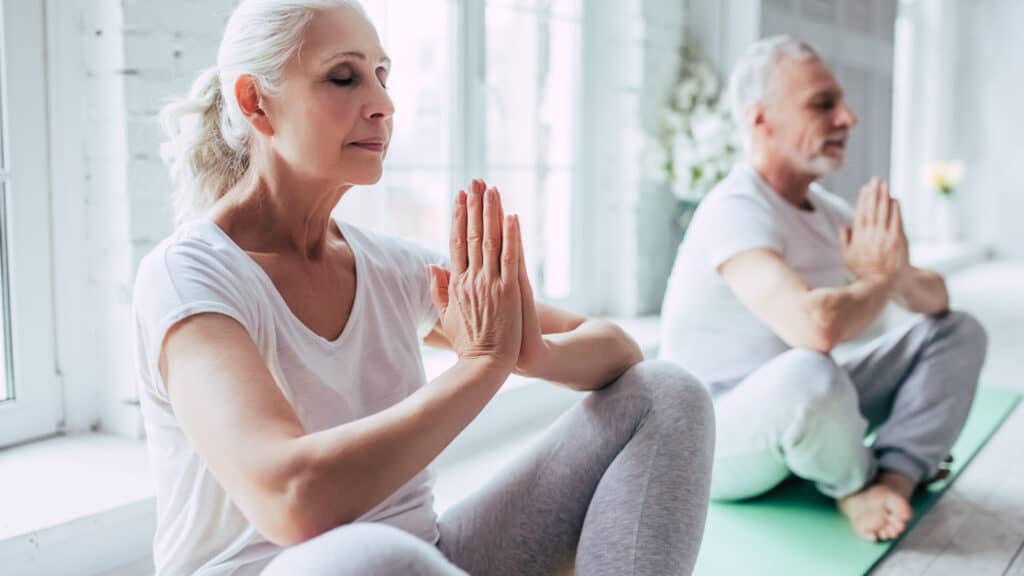
Balance plays a role in nearly every daily activity, from standing while getting dressed to walking across different surfaces. The body constantly makes small adjustments to keep movements steady and controlled.
For many older adults, good balance can provide confidence during normal routines. Feeling stable while moving around the home, shopping, or spending time outside can make everyday activities feel safer.
The CDC notes that falls remain a major concern among older adults, which is why maintaining strength and balance can be an important part of staying active. These abilities can support confidence and continued independence.
Turning and changing direction smoothly

Turning around in the kitchen, changing direction while walking, or moving around furniture may seem automatic. These simple actions require coordination between the brain, muscles, and joints.
Being able to change direction comfortably can help people move through daily routines with less hesitation. It allows the body to respond naturally to surroundings without needing every movement to be carefully planned.
These abilities often go unnoticed because they feel normal. However, they are important signs that someone can continue navigating everyday spaces with confidence and control.
Reaching overhead without difficulty
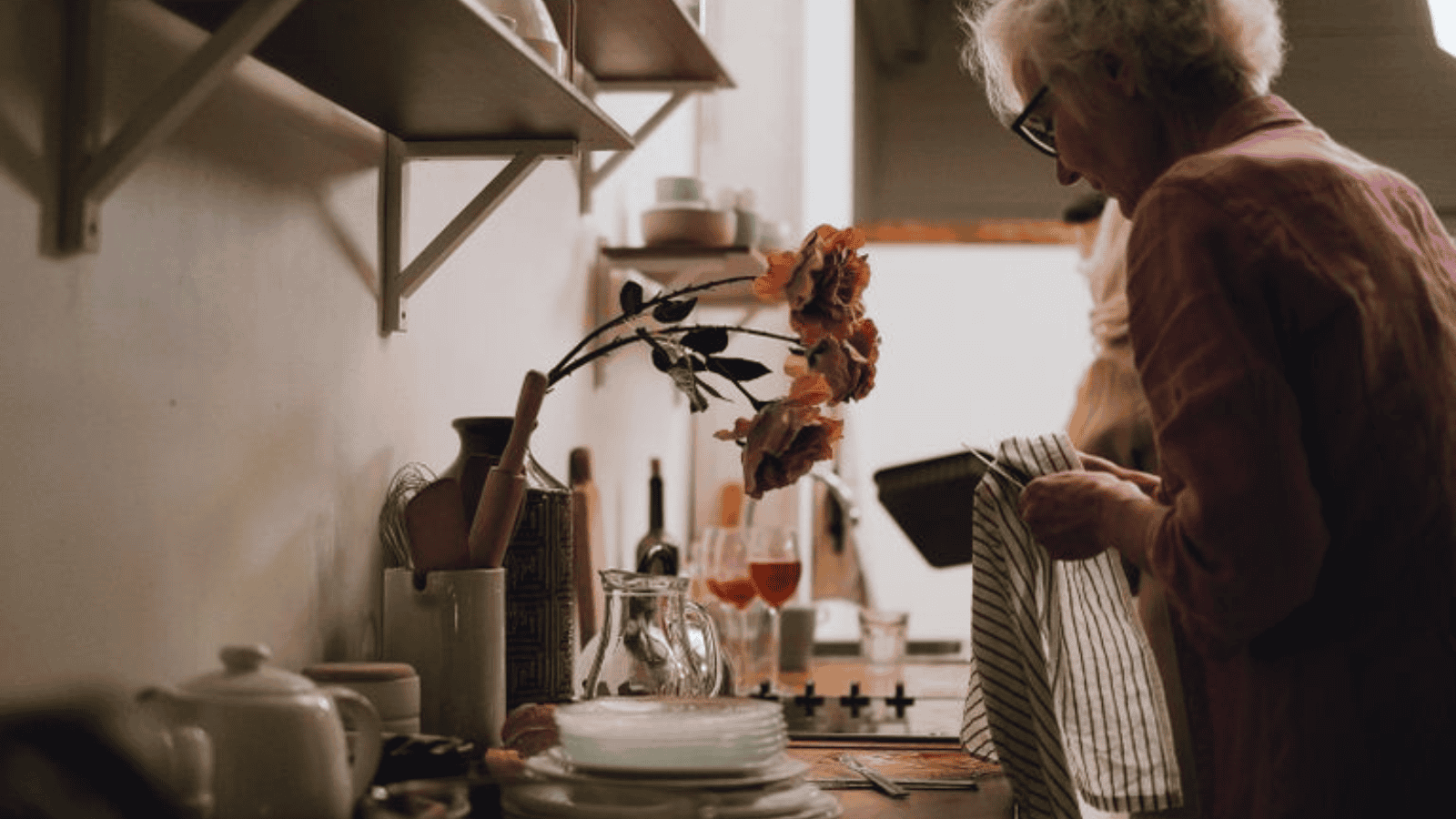
Reaching for dishes, grabbing something from a shelf, or placing items in a cabinet requires flexibility in the shoulders, arms, and upper body. These movements may seem small, but they play a major role in completing daily tasks independently.
Maintaining this ability can reduce the need for help with simple household activities. It allows people to continue managing familiar routines and making choices about how they use their own space.
Small freedoms like reaching, stretching, and moving comfortably can have a powerful impact on confidence. These everyday actions often help people maintain a stronger connection to their normal routines.
Keeping up with household responsibilities
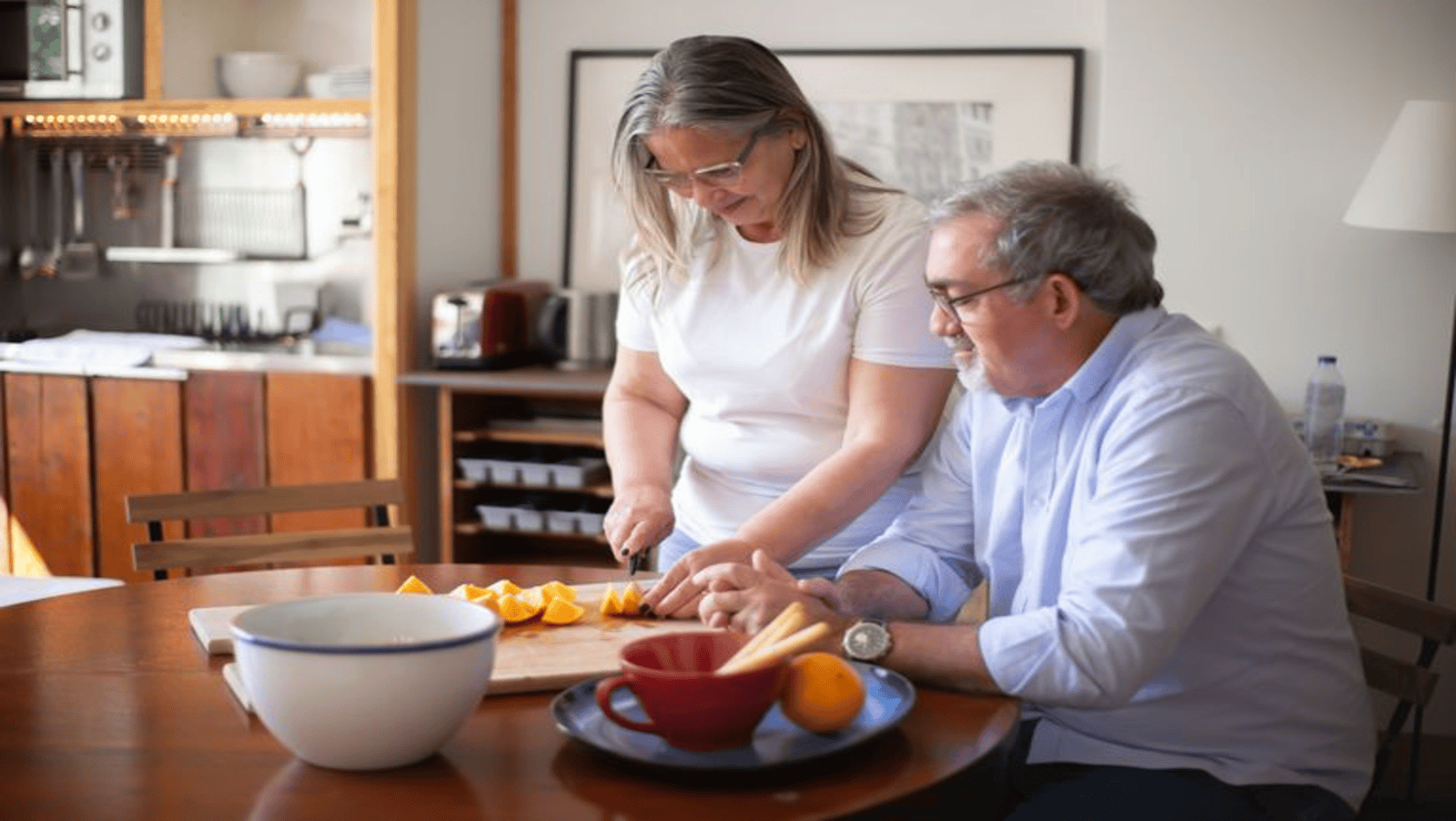
Cooking, cleaning, gardening, and organizing the home often involve more movement than people realize. These daily activities require standing, walking, bending, reaching, and carrying, all while managing multiple tasks simultaneously.
For many older adults, keeping up with household responsibilities provides more than a clean living space. It creates a sense of routine, purpose, and involvement in the environment around them.
Being able to continue these familiar tasks can be a meaningful sign of independence. It shows that someone is still actively participating in daily life and maintaining control over important parts of their routine.
Recovering after an unexpected stumble
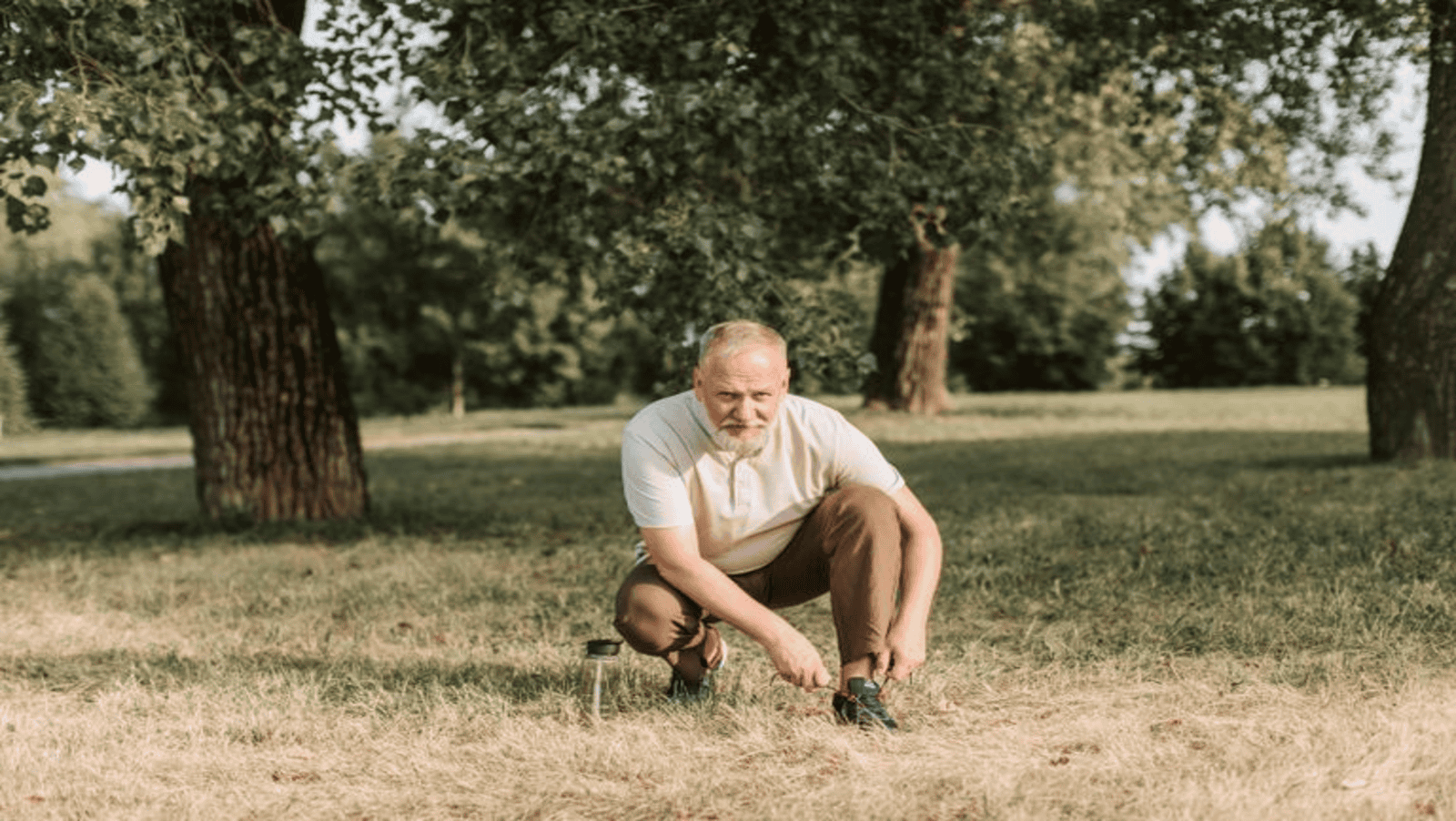
Unexpected moments can happen at any time, such as stepping on an uneven surface or reacting to something crossing a walking path. The ability to quickly regain balance depends on awareness, coordination, and confidence.
Recovering after a small stumble does not mean someone will never experience a fall. However, maintaining these skills can help people feel more prepared and secure as they navigate different environments.
This ability reflects how the body responds when situations change suddenly. Feeling capable in unexpected moments can build confidence and reduce fear in everyday movement.
Walking comfortably through daily activities
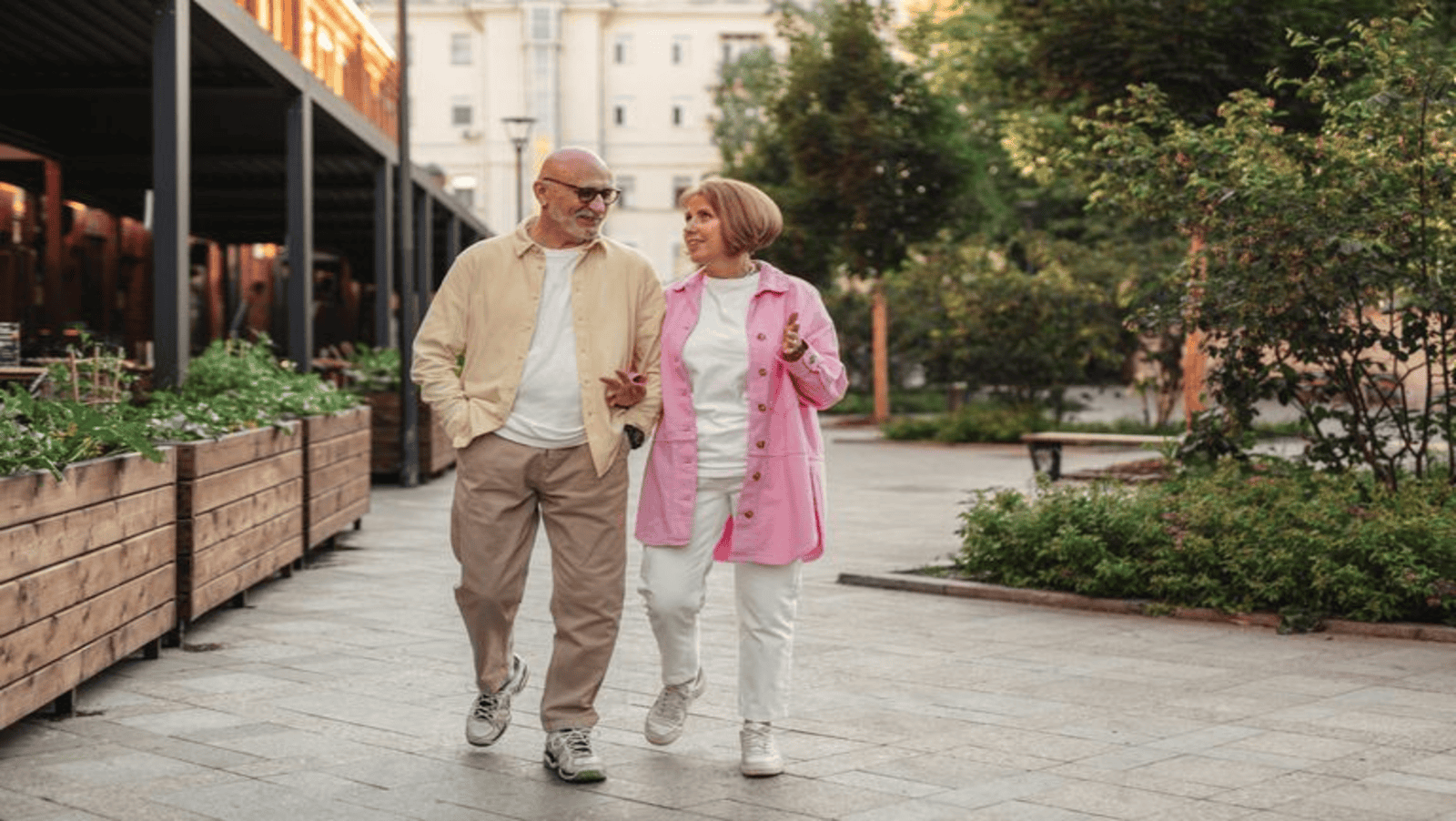
Walking is one of the simplest forms of movement, but it supports many important parts of daily life. It allows people to visit friends, complete errands, enjoy outdoor spaces, and remain connected to their communities.
For many older adults, walking represents more than physical activity. It represents freedom, confidence, and the ability to continue participating in activities that bring enjoyment.
A steady walk can be one of the clearest signs that someone remains engaged with the world around them. Even simple movement can help support independence and maintain connections with daily life.
Rising from a chair without struggling
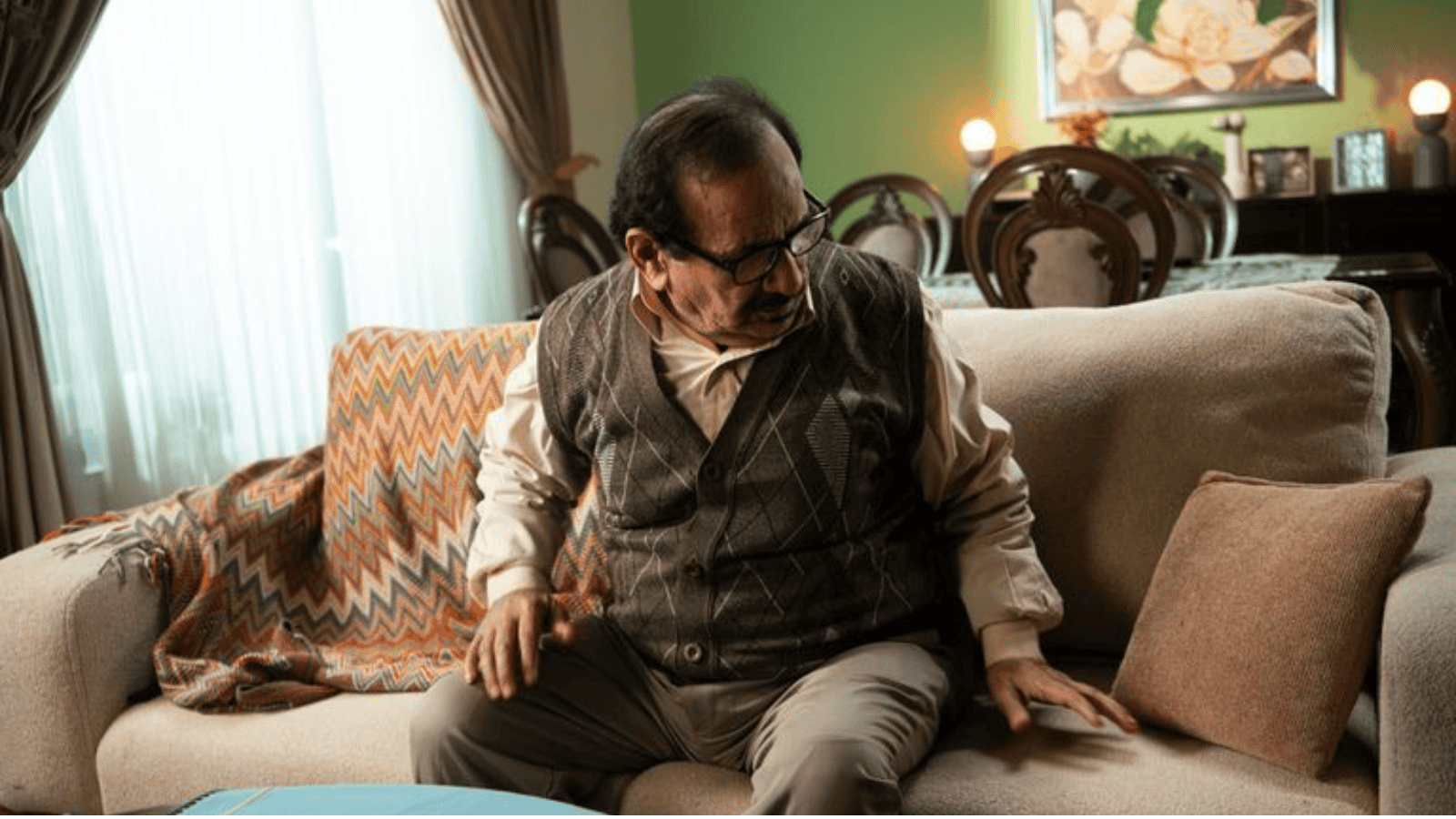
Standing from a chair is a movement people perform many times each day without thinking about it. However, this simple action requires strength in the legs, balance, and coordination.
Being able to rise comfortably can make everyday routines easier and more manageable. It supports small moments like getting up during meals, leaving a vehicle, or moving around the home.
These ordinary movements can reveal how well someone continues handling familiar activities. Maintaining this ability can help protect confidence and reduce dependence on others.
Maintaining hand strength for everyday tasks
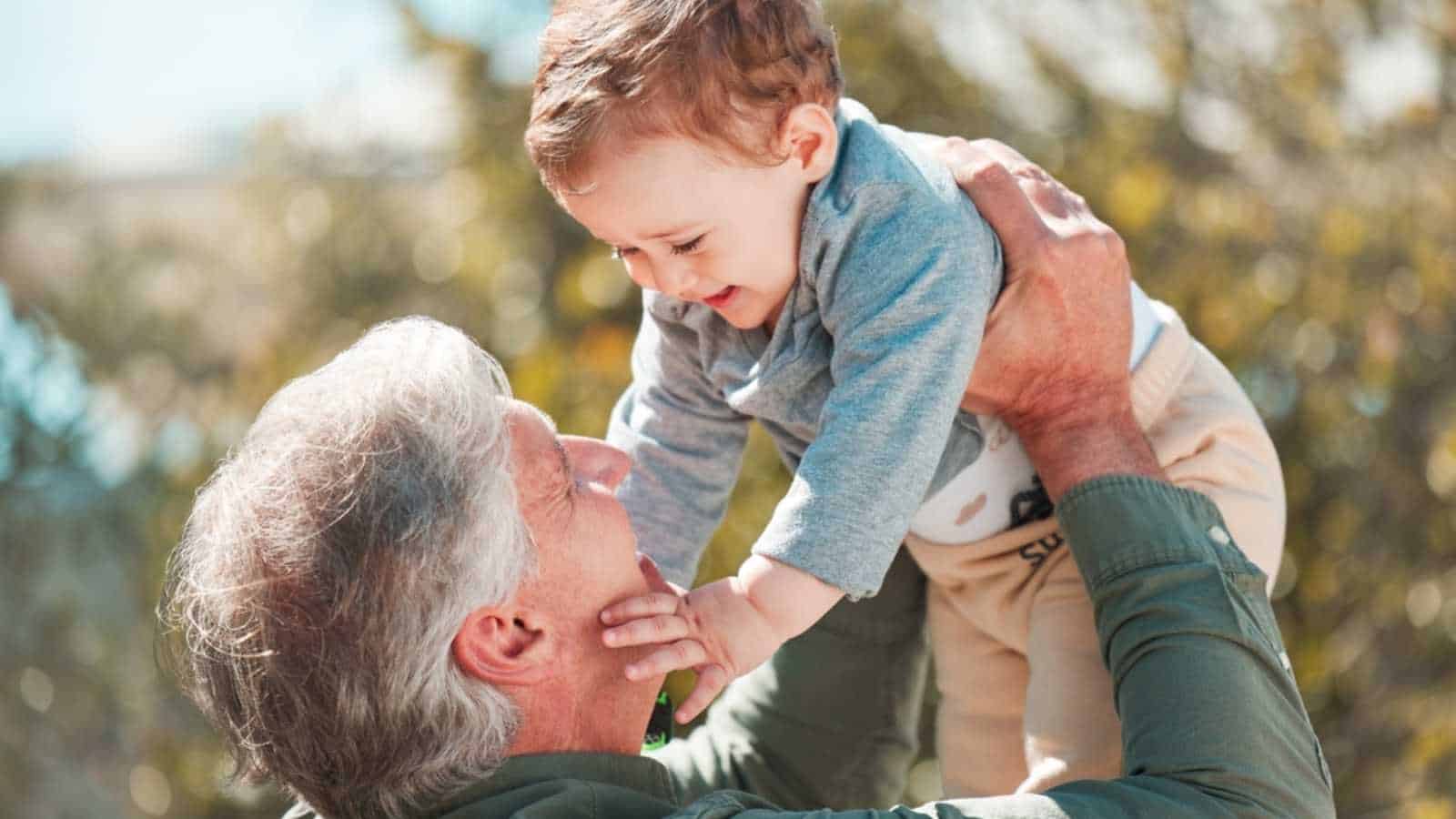
Hand strength supports many activities people rely on each day. Opening containers, holding objects, carrying bags, and using household tools all require control and coordination.
Maintaining functional grip strength can help people continue to complete important tasks without undue difficulty. These abilities support independence by allowing people to manage many everyday needs themselves.
Research published in The Lancet has examined grip strength as an indicator of physical function and overall health. Maintaining strength throughout adulthood can play an important role in preserving everyday abilities.
Staying active and connected to daily life

Healthy aging is not only about physical ability. It is also about continuing to enjoy relationships, hobbies, routines, and experiences that bring meaning.
For some people, staying active means spending time with family, traveling, gardening, cooking, or continuing activities they have enjoyed for years. These experiences can provide purpose and a stronger connection to everyday life.
Remaining involved can be one of the strongest signs of aging well. It shows that growing older does not mean stepping away from the moments, people, and activities that matter most.
Key takeaway

The small things people do every day can reveal a lot about how they are aging. Walking comfortably, carrying items, maintaining balance, and handling household tasks can all reflect strength, confidence, and independence.
These abilities are not about being perfect or avoiding every change that comes with getting older. They are about maintaining the skills that help people continue enjoying routines, relationships, and activities that bring meaning to life.
Healthy aging is often found in ordinary moments that people rarely celebrate. The ability to move confidently, complete familiar tasks, and stay connected to the world around them can be one of the clearest signs of aging well.
Disclaimer – This list is solely the author’s opinion based on research and publicly available information. It is not intended to be professional advice.
Like our content? Be sure to follow us