11 foods you rarely hear about that are served in American jails
State prison kitchens serve up a world of strange, budget-driven meals where survival, creativity, and cost-cutting collide on every tray.
Prison food often brings to mind images of mystery meat and stale bread on metal trays. Pop culture paints a grim picture of culinary life behind bars. However, the reality of what inmates eat is far more complicated and strange than movies suggest. The cafeteria trays hold dishes that most people outside the system have never seen.
State budgets heavily influence the daily menus served to millions of incarcerated individuals. We are taking a look at some of the most unusual items served inside American correctional facilities. Get ready to learn about eleven surprising foods found in jail cafeterias.
Nutraloaf
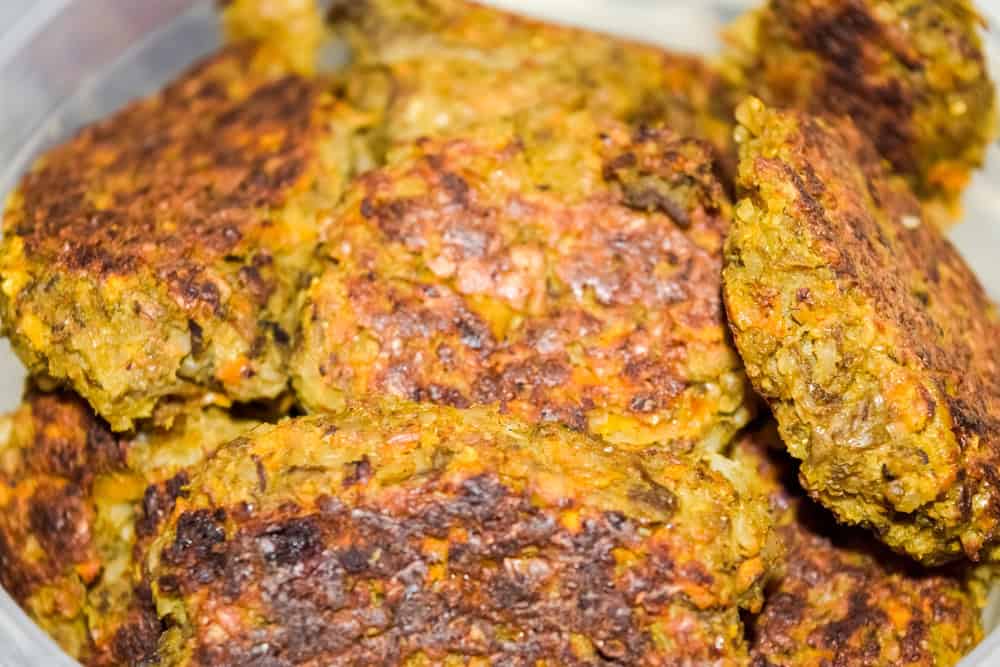
Nutraloaf is a baked block of blended ingredients often used as a disciplinary meal. Many states have faced lawsuits over this brick of food because inmates consider it a form of cruel punishment. Most states spend less than three dollars a day on inmate food.
The recipe usually includes potatoes, beans, carrots, and sometimes ground meat baked into a dense loaf. Eating this tasteless block is meant to deter bad behavior in solitary confinement. Thankfully, many correctional departments have recently banned this controversial item completely.
Chi Chi
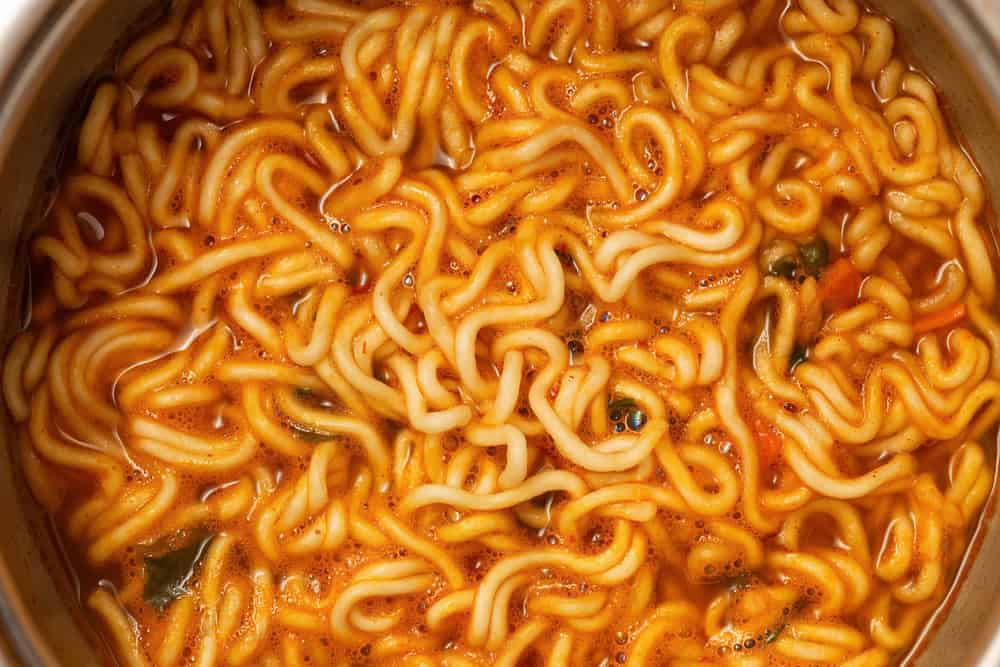
This makeshift comfort food is not served by the cafeteria but created by the inmates themselves. A Chi Chi is a heavy mixture of ramen noodles, cheese curls, and meat sticks cooked in a plastic bag. Hot water from a shower or sink is used to soften the ingredients into a thick stew.
Inmates rely heavily on the commissary to build these high-calorie meals. A report by the Prison Policy Initiative revealed that incarcerated people spend an average of 947 dollars annually at the commissary. Sharing a Chi Chi is often a way to build community and celebrate birthdays behind bars.
Mechanically Separated Chicken
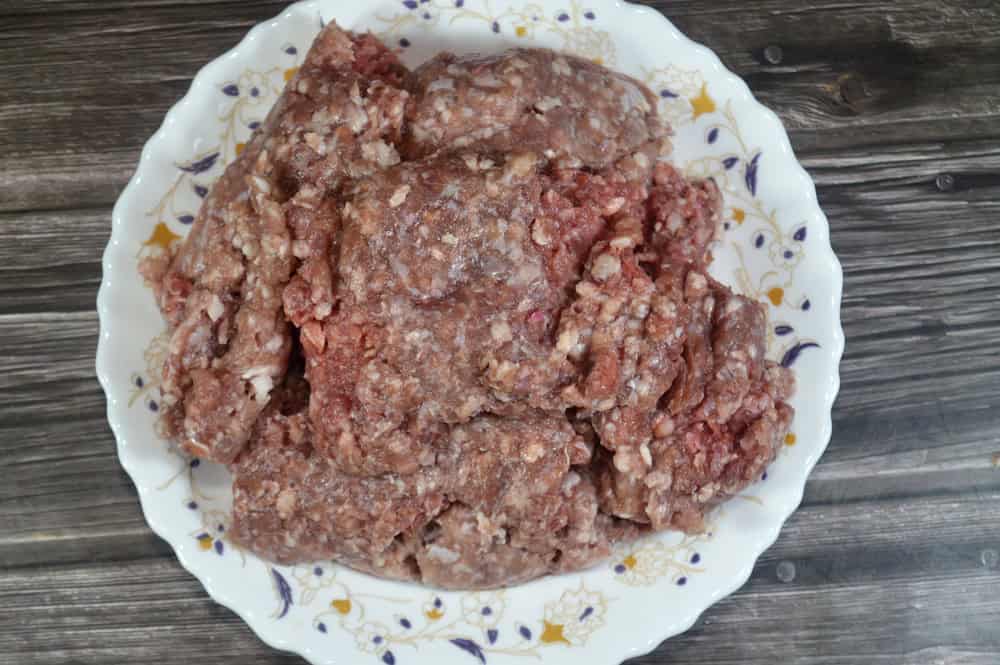
Many facilities rely on ultra-processed meat pastes to meet daily protein requirements on a tight budget. Mechanically separated chicken is a paste created by forcing bones and edible tissue through a sieve under high pressure. This process yields a cheap protein source that is formed into patties or nuggets.
Quality control in prison kitchens can sometimes fall short of standard commercial expectations. The Centers for Disease Control and Prevention found that incarcerated individuals are 6 times more likely to suffer from a foodborne illness than the general population. Facilities save money by buying this specific meat in massive bulk quantities.
Soy Meat Substitute
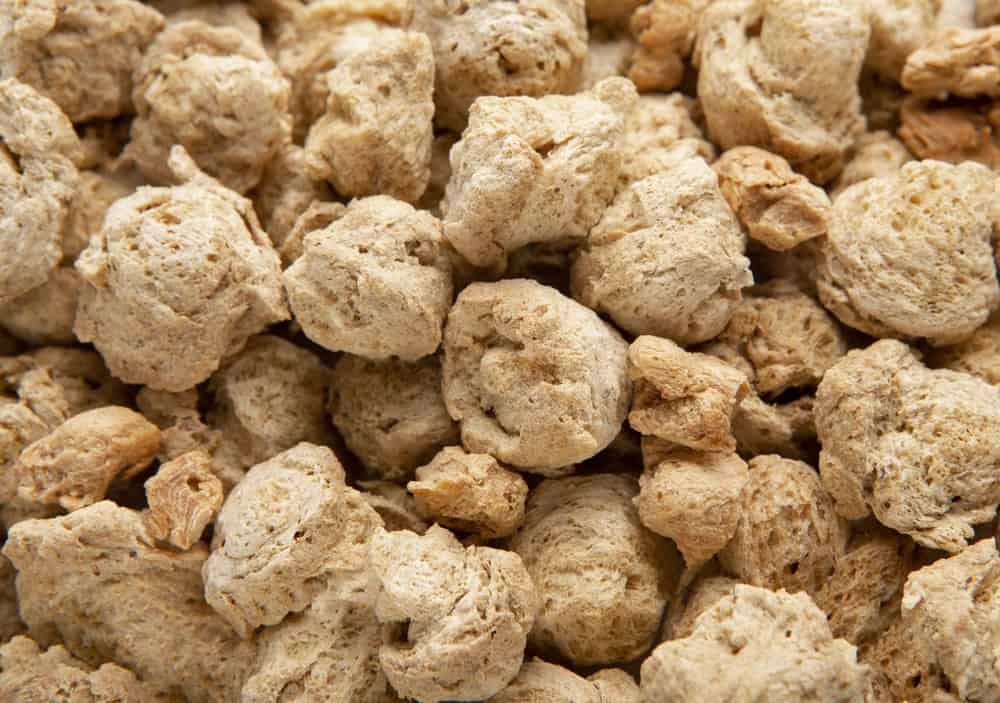
Real beef is incredibly expensive and rarely makes an appearance on a standard prison menu. To save cash, many states substitute real beef with textured vegetable protein made entirely from soy. This filler is heavily seasoned and mixed into chili, tacos, or pasta sauce to mimic the texture of ground beef.
The heavy reliance on soy products has caused medical concerns for some inmates with specific dietary needs. Vera says in a 2020 report by Impact Justice, 75 percent of formerly incarcerated respondents reported being served spoiled or rotten food during their sentences. Despite the complaints, soy remains a staple ingredient because of its incredibly low cost per serving.
Prison Pizza
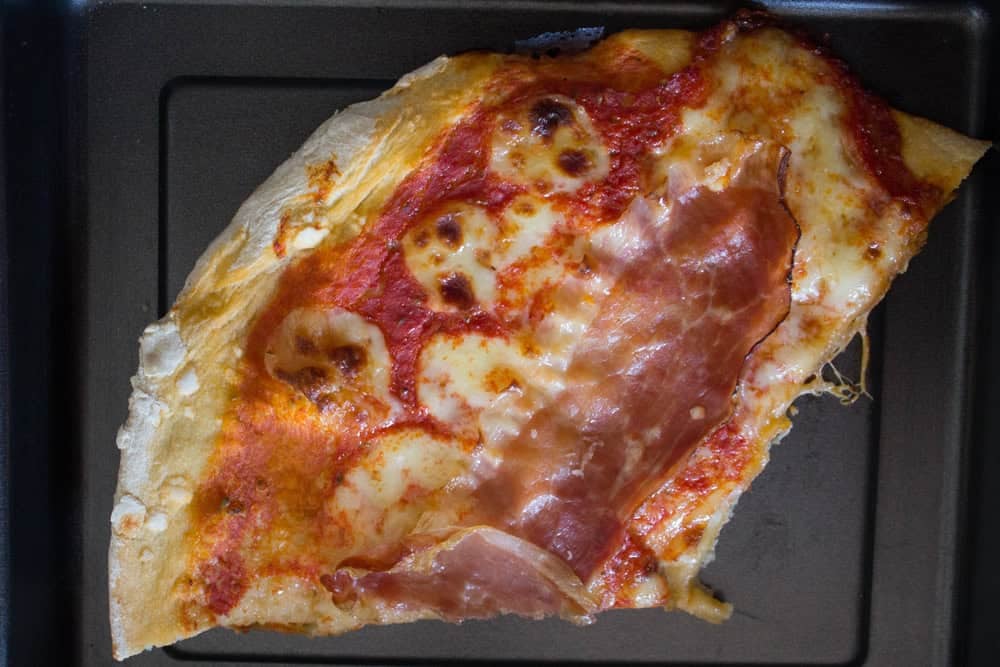
Traditional pizza is impossible to find, so resourceful individuals make their own versions using crushed crackers. The crust is typically formed by wetting crushed saltines or ramen blocks and pressing them into a flat circle. Packaged tomato paste and processed cheese squeeze bottles provide the classic toppings.
Inmates cook these pizzas in the microwave if they are lucky enough to have access to one. These homemade creations offer a brief taste of normal life outside the prison walls. Creating these dishes requires patience and a good amount of commissary funds.
Fortified Drink Mixes
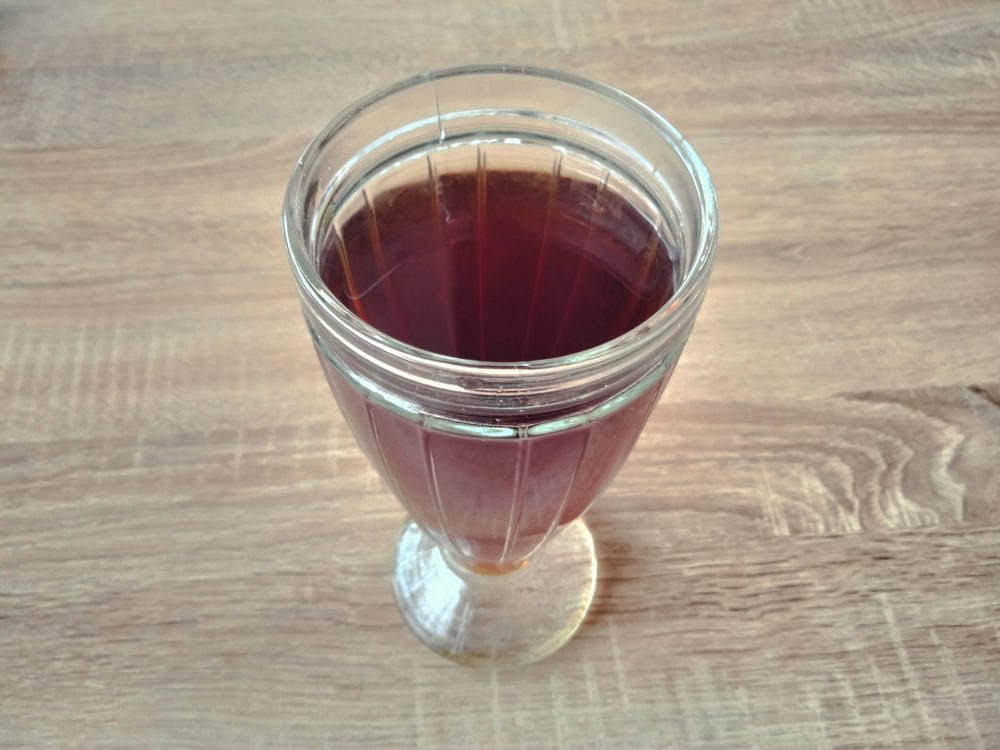
Fresh fruit juices are practically nonexistent in state facilities due to cost and fermentation risks. Prisons serve artificially flavored powder mixes that are fortified with basic vitamins to meet nutritional guidelines. These brightly colored drinks taste like diluted fruit punch and are served with almost every dinner.
The sugar content in these daily beverages is shockingly high. A study by the BMC Public Health noted that state prisoners suffer from a high rate of chronic health conditions like diabetes or high blood pressure. Swapping fresh juice for sugary powders certainly does not help improve those health statistics.
Canned Whole Potatoes
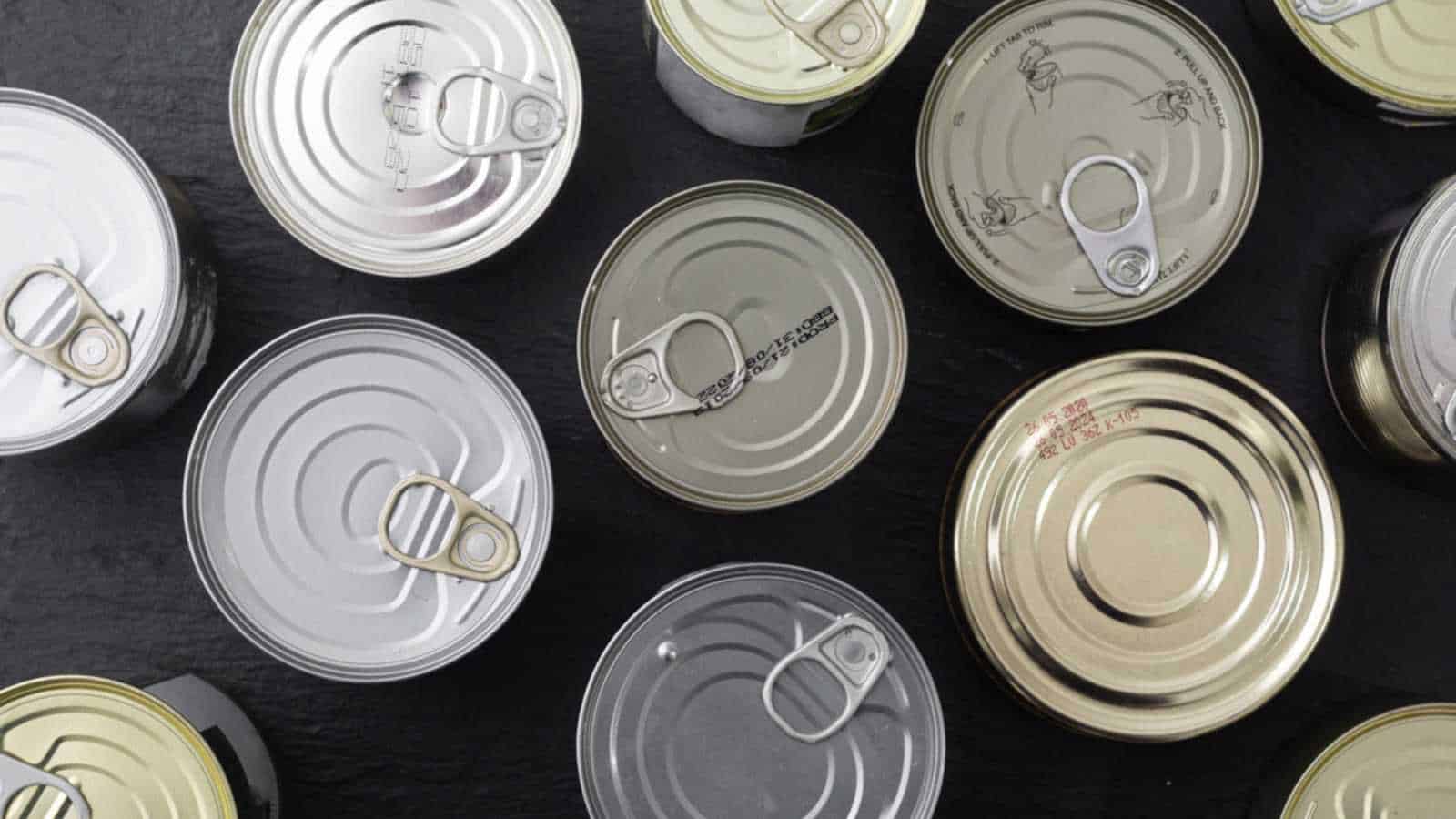
Fresh produce is a rare luxury in the cafeteria line because it spoils quickly and costs too much. Kitchens rely on massive industrial cans of whole peeled potatoes to serve as a starchy side dish. These potatoes are often boiled until they lose all texture and flavor.
Workers serve these bland potatoes plain or mix them with diluted gravy to make them palatable. They provide cheap calories to keep the daily operating costs as low as possible. Most inmates cover them in hot sauce just to get them down.
Watery Oatmeal
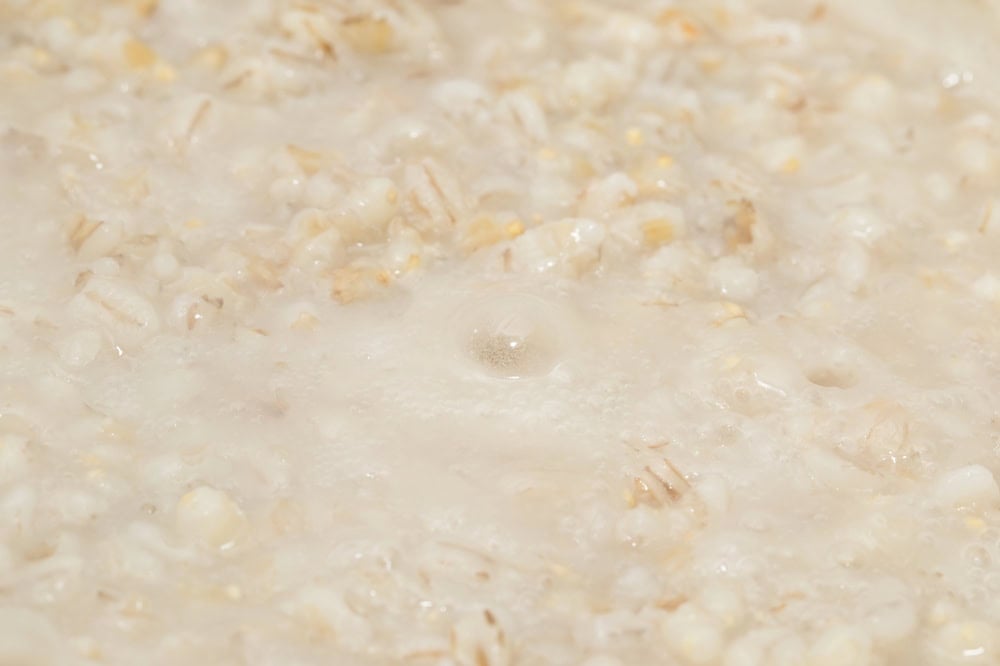
Breakfast in a county jail is usually served before the sun even comes up. The staple morning meal is a severely watery bowl of oatmeal that lacks sugar or butter. It resembles a thin gruel rather than the hearty breakfast food you might eat at home.
Families often have to send money so their loved ones can buy better breakfast options. According to a study published on the OxJournal, families spend roughly 2.9 billion dollars a year on commissary accounts and phone calls. Without these funds, inmates must face the dreaded watery oats every single morning.
Bologna Sandwiches

The cold cut sandwich is a universal staple of the prison lunch diet across the country. Facility kitchens assemble thousands of basic bologna sandwiches every day to feed the massive populations. The meat is extremely thin and usually served between two slices of plain white bread.
There is rarely any mayonnaise or mustard provided to add flavor to this dry meal. Many individuals end up trading their bologna for other snacks if they simply cannot stomach the taste. It is a fast and efficient way to process the midday meal with minimal cleanup required.
Dehydrated Beans
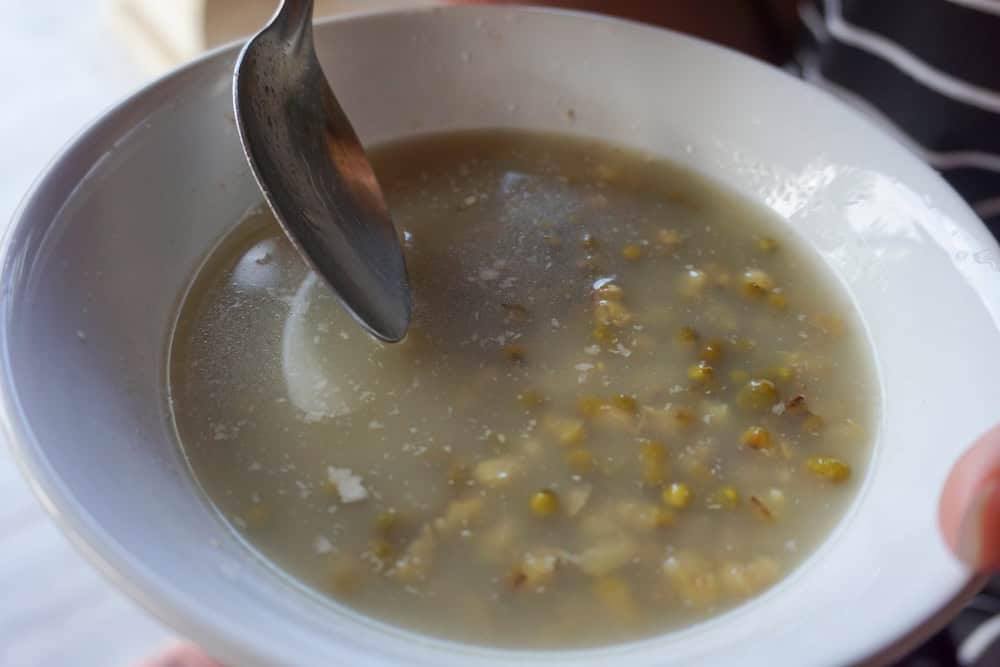
Beans are a fantastic source of cheap protein and fiber for massive institutional kitchens. Instead of canned beans, prisons often buy massive sacks of dehydrated bean flakes that are reconstituted with boiling water. The resulting texture is mushy and completely lacks the firmness of a normal cooked bean.
Kitchen staff flavors these rehydrated flakes with heavy amounts of salt to mask the strange consistency. This high sodium content is a major factor in the poor cardiovascular health of many long-term inmates. Despite the unappetizing look, these beans are served multiple times a week.
Mystery Meat Stew
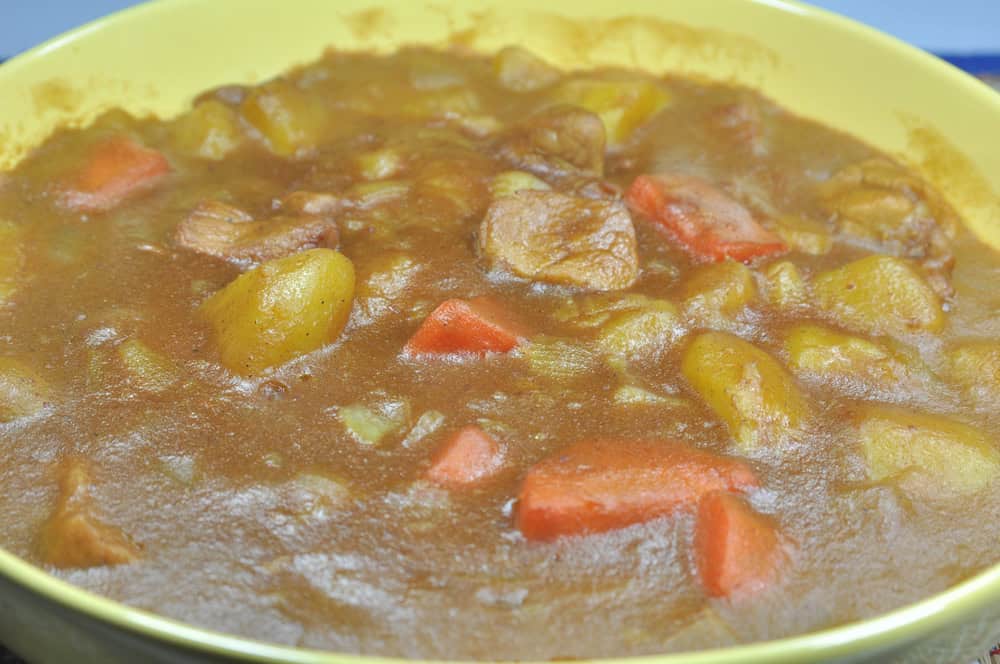
Leftovers in a commercial prison kitchen never go to waste if they can be repurposed. Cooks often combine uneaten vegetables and unspecified meat trimmings into a large boiling vat of thick stew. Inmates casually refer to this recurring dish as mystery meat because the ingredients are completely unrecognizable.
It takes a very brave stomach to consume a bowl of this recycled cafeteria creation. You will rarely hear anyone praise the culinary merits of this budget-conscious dinner option. It stands as a perfect example of how institutional kitchens prioritize cost over quality.
Like our content? Be sure to follow us