12 bizarre fears Americans once believed could ruin their lives
Fear has always been part of the human experience, but history shows that many once-common anxieties eventually proved to be exaggerated, misunderstood, or completely unfounded. Throughout American history, social changes, new technologies, medical discoveries, and cultural shifts have sparked waves of public concern over everything from electricity and comic books to bicycles and telephones.
Research suggests these fears were often widespread. According to the Pew Research Center, Americans’ perceptions of risk are frequently shaped by media coverage, personal experiences, and uncertainty rather than objective danger.
Meanwhile, psychologists have long documented that people tend to overestimate unfamiliar or poorly understood risks, a phenomenon known as the “availability heuristic.” Studies published by the American Psychological Association have also found that fear spreads quickly during periods of rapid technological or social change, even when evidence of harm is limited.
Looking back, many of these worries now seem strange or even amusing. Here are 12 bizarre fears Americans once believed could ruin their lives, and why history proved otherwise.
Elevator Sickness
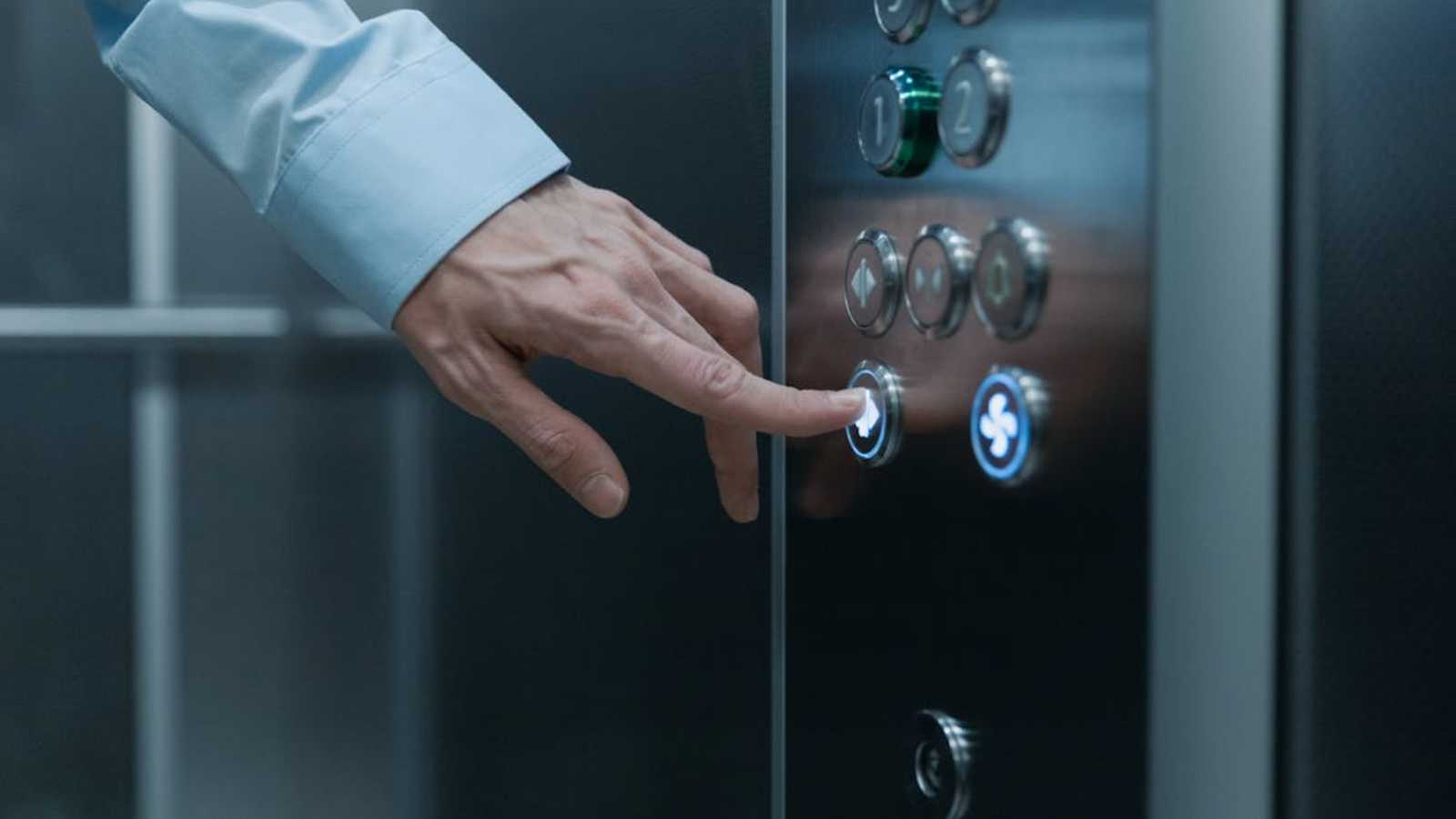
When passenger elevators were first installed in high-rise buildings, doctors warned of a new physical ailment. They claimed that the rapid vertical movement would cause internal organs to shift violently inside the human torso. There was a genuine fear that the sudden drop in air pressure would trigger brain damage or heart attacks.
Women were considered especially susceptible to this mysterious illness, which supposedly caused them to faint upon stepping inside the cab. Architects responded by installing elegant mirrors and plush seating in early elevators to calm anxious passengers down.
It did not take long for people to realize that vertical travel was both safe and necessary, and elevators became an ordinary part of urban life rather than a health hazard.
Bicycle Face

In the late nineteenth century, the sudden popularity of two-wheeled travel sent doctors into a panic. Medical professionals warned that the strain of keeping a bicycle balanced would permanently distort a rider’s facial features. They claimed that clenching one’s jaw and bulging one’s eyes to stay upright would leave people with permanent, ghastly expressions.
This bizarre medical condition was used to discourage women from seeking independent recreation and public freedom on bikes. Newspapers and advice columns framed cycling as risky for women’s health and morals even as the bicycle quietly expanded personal freedom.
Fortunately, riders soon realized that their facial muscles returned to normal after their rides, exposing the diagnosis as total nonsense.
Telephone Moral Decay

When the telephone first entered the market, critics feared it would destroy the fabric of the home. Traditionalists worried that allowing voices directly into private parlors without a formal introduction would invite criminals and scam artists. There was a genuine fear that young women would be easily corrupted by fast-talking strangers calling them on a whim.
Social commentators warned that effortless calling would undermine neighborhood visiting traditions and erode face-to-face contact, sparking early worries about how media use might affect social ties and mental health.
People worried that the sheer convenience of the technology would eliminate local gatherings and ruin communities. Over time, the device became a tool for keeping families connected rather than a gateway to absolute social ruin.
Novel Reading Mania

Long before the internet, older generations believed that reading fiction would rot the minds of young citizens. Critics argued that getting lost in romantic stories made people lazy and detached from their actual duties. They claimed that devouring these books was as addictive as eating sweets with no nutritional value.
Some commentators even suggested that reading in bed could lead to severe physical ailments and moral corruption, treating fictional stories like a bad habit that drained a person’s energy and focus.
Today, many studies on media and wellbeing show that the real risks tend to stem from excessive use of attention-grabbing digital content, while moderate engagement can be neutral or even helpful. Parents now often celebrate when children choose books over endless scrolling.
Railway Madness

When steam locomotives first arrived, they were viewed as terrifying iron monsters. Experts argued that traveling at a speed of 15 miles per hour would disintegrate the human body or cause instant brain damage. There was a widespread belief that the rapid motion would trigger temporary insanity by rattling the delicate nervous system.
Some early accounts warned that fast trains might cause dizziness, nausea, or nervous strain, and one popular article marveled at “a mile a minute” in ways that made everyday riders uneasy.
People also worried that cows would stop grazing and pregnant passengers would suffer terrible health complications from the sheer speed. The public eventually adjusted to the pace, and locomotives became the preferred mode of regional travel, proving that fears of speed rarely match reality.
The Menace of Recorded Music

In the early twentieth century, famous composers believed that phonographs would destroy the soul of American culture. Critics argued that machine-made music would make people passive listeners rather than active creators. They worried that mothers would stop singing lullabies to their children and instead rely on mechanical wheels and spinning metal plates.
This panic was summarized by John Philip Sousa in a famous essay where he wrote, “I foresee a marked deterioration in American music and musical taste” due to recording devices.
Despite these predictions, the recording industry did not kill live performance. It actually expanded artists’ global reach and introduced millions of people to new genres, reshaping everyday entertainment without stifling musical creativity.
Nickelodeons and Moral Ruin
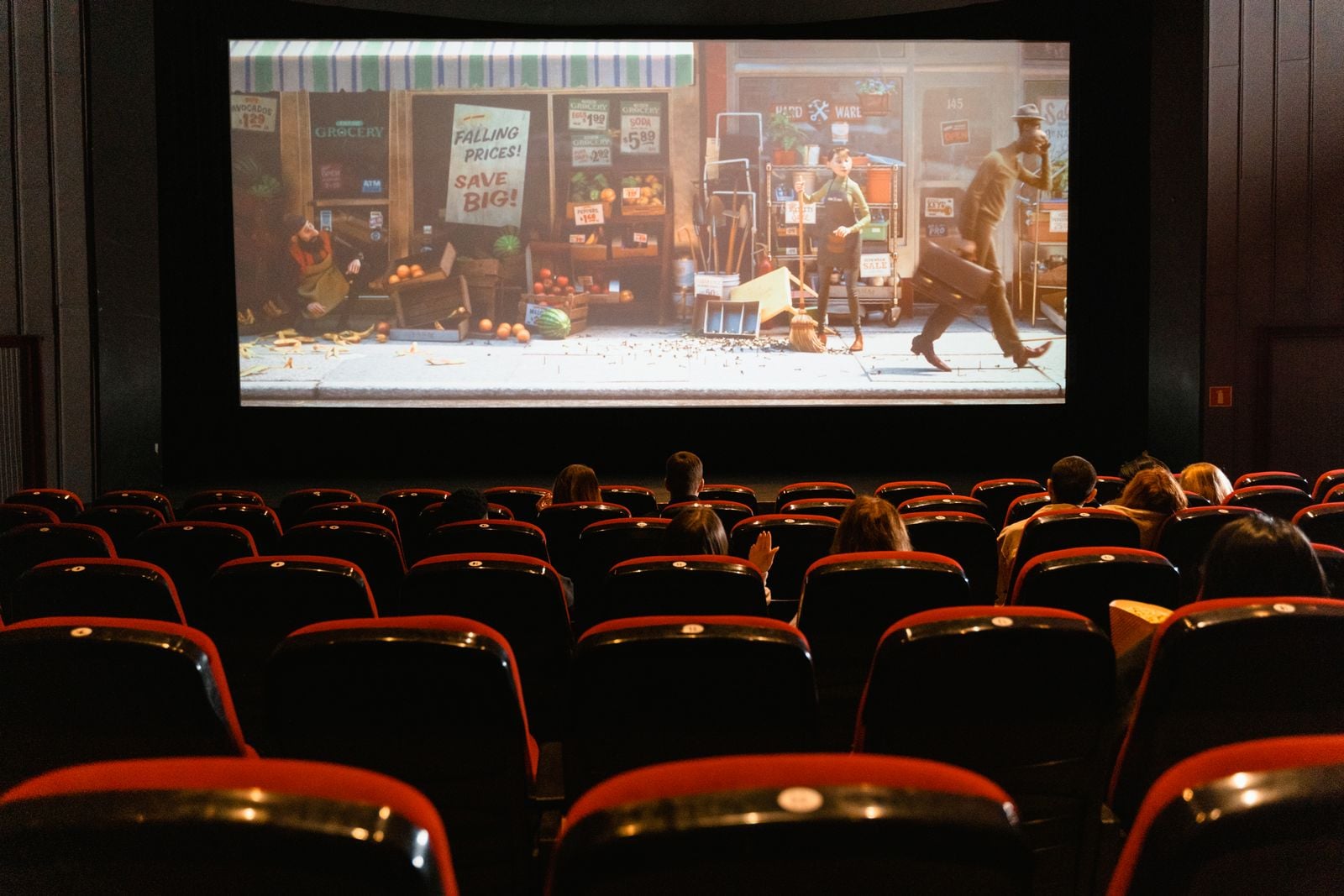
The earliest movie theaters, known as nickelodeons, were treated as breeding grounds for youth delinquency and general crime. Critics claimed that the dark, crowded rooms allowed young boys and girls to mingle without any adult supervision. City officials were convinced that watching silent films would corrupt children and turn them into hardened pickpockets.
The panic became so intense that the mayor of New York City shut down hundreds of movie theaters on Christmas Eve in 1908, a move documented in early film history research as a dramatic response to fears about “moving pictures”.
Religious leaders applauded the closure, claiming it saved youth from moral degradation. Eventually, theaters introduced brighter lights and family-friendly showings to salvage their reputation in the public eye.
Comic Books and Juvenile Delinquency
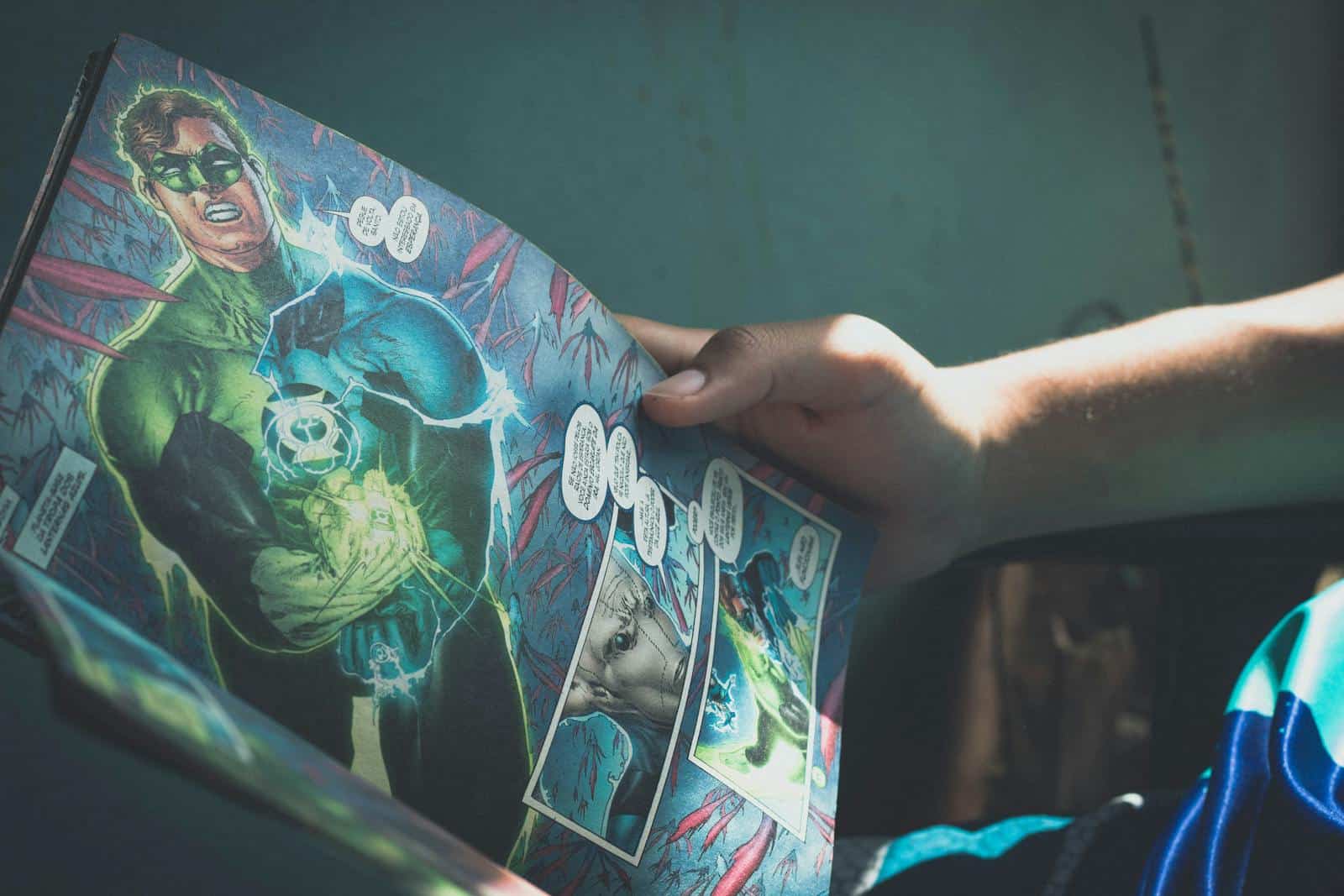
During the nineteen fifties, illustrated stories were blamed for a sudden rise in teenage crime across the country. Psychologists claimed that colorful tales of superheroes and monsters were actively corrupting the youth. Parents were urged to burn comic books in large bonfires to protect their children’s minds from negative influences.
The national panic reached such a fever pitch that about 70% of Americans in a Gallup poll said comic books contributed to juvenile delinquency.
This outcry forced publishers to censor their own stories and establish strict codes to keep their panels wholesome. Decades later, these once-feared comic books became the foundation for some of the most successful film franchises.
Pinball Machine Gambling Rings

During the 1940s, pinball was banned in major cities because it was viewed as a dangerous game of chance. Politicians claimed that the machines were operated by underground mobs to steal pocket change from school children. The game was depicted as a gateway to gambling addiction and a complete waste of precious time.
New York City police officers even conducted dramatic raids, smashing and dumping thousands of pinball machines directly into the Hudson River in a widely publicized campaign against vice.
The ban lasted for over thirty years until players proved that pinball was actually a game of genuine skill. Today, retro arcades are celebrated as harmless nostalgic venues rather than shady dens of organized crime.
Dungeons and Dragons Panic

In the nineteen eighties, a tabletop roleplaying game became the target of a massive nationwide conspiracy. Concerned parents and religious groups claimed that rolling polyhedral dice would lead teenagers into occult practices and dark rituals. The game was blamed for various tragic teenage incidents, creating absolute panic in quiet suburban neighborhoods.
Later reviews of the evidence found no clear link between playing tabletop games and self-harm, and broader research into media and youth shows that heavy use or sensational coverage often drives anxiety more than the content itself.
Schools banned the rulebooks, and parents threw away expensive game sets to protect their children’s mental health. Today, the game is recognized as a brilliant tool for building social skills and creative thinking.
The McMartin Preschool Trial

The late twentieth century saw a massive panic regarding childcare centers and secret underground ritual abuses. Across the nation, parents became convinced that their children were being targeted by organized groups performing bizarre ceremonies. Investigators used highly aggressive questioning techniques that accidentally planted terrifying, imaginary memories in the minds of young toddlers.
The highly publicized McMartin trial lasted for years and cost taxpayers more than 15 million dollars before ending in total acquittals, and legal analyses note that no physical evidence of secret tunnels or rituals was ever found.
The case remains a tragic warning about how quickly collective fear can override logical thinking and evidence, especially in sensitive areas like parenting and child safety.
Jazz Music Madness

In the nineteen twenties, the energetic rhythms of jazz were treated as a direct threat to American civilization. Critics claimed that the syncopated beats would cause brain damage and drive listeners to commit violent crimes. Some medical experts even argued that the wild music could physically alter the human heartbeat in dangerous ways.
Reformers blamed jazz for distracting workers, tempting young people into nightlife, and undermining public morals, but later cultural histories show that jazz became one of America’s most influential art forms and a source of pride rather than decay.
Instead of disappearing, the genre helped shape modern music worldwide, proving that the fear was totally baseless and that new art can support shared wellbeing.
Key Takeaway

Ultimately, historical panics show that our fears say far more about our struggle with progress than any actual danger. When faced with new ideas, keeping an open mind helps us avoid making the same silly mistakes.
Next time a new invention comes along, take a deep breath before assuming it will ruin your life, and remember that most “end of civilization” predictions fade while everyday life quietly improves.
Disclaimer – This list is solely the author’s opinion based on research and publicly available information. It is not intended to be professional advice.
Like our content? Be sure to follow us