12 things customers should know about drive-thru tipping screens
Coffee is hot. The line moves. Then a screen asks for 18%, 20%, or 25% before the handoff.
Pew Research Center polled 11,945 U.S. adults. It found that 72% saw tip requests in more places than they had five years earlier. Yet just 34% knew when to tip, and 33% knew how much.
The screen is a request, not a command. No one rate fits each lane or budget.
Tip fatigue is more than an internet complaint

That tired sigh at the screen is not just online noise. Pew asked U.S. adults about set tip choices. Some 40% opposed them. Just 24% liked them, while 32% had no firm view. Card data also shows smaller tips, but it cannot tell us why.
Square said its average quick-service tip fell from 14.64% in early 2025 to 14.2% in the next quarter. Toast found an average of 19.1% at full-service spots in that same quarter. That was its lowest mark in seven years.
The two firms track different shops and use different methods. Their numbers cannot form one smooth trend. Still, the mood is plain. Screens keep asking, while many guests give less. That gap can make a ten-second sale feel like a test. The strain is real.
The suggested buttons are not neutral
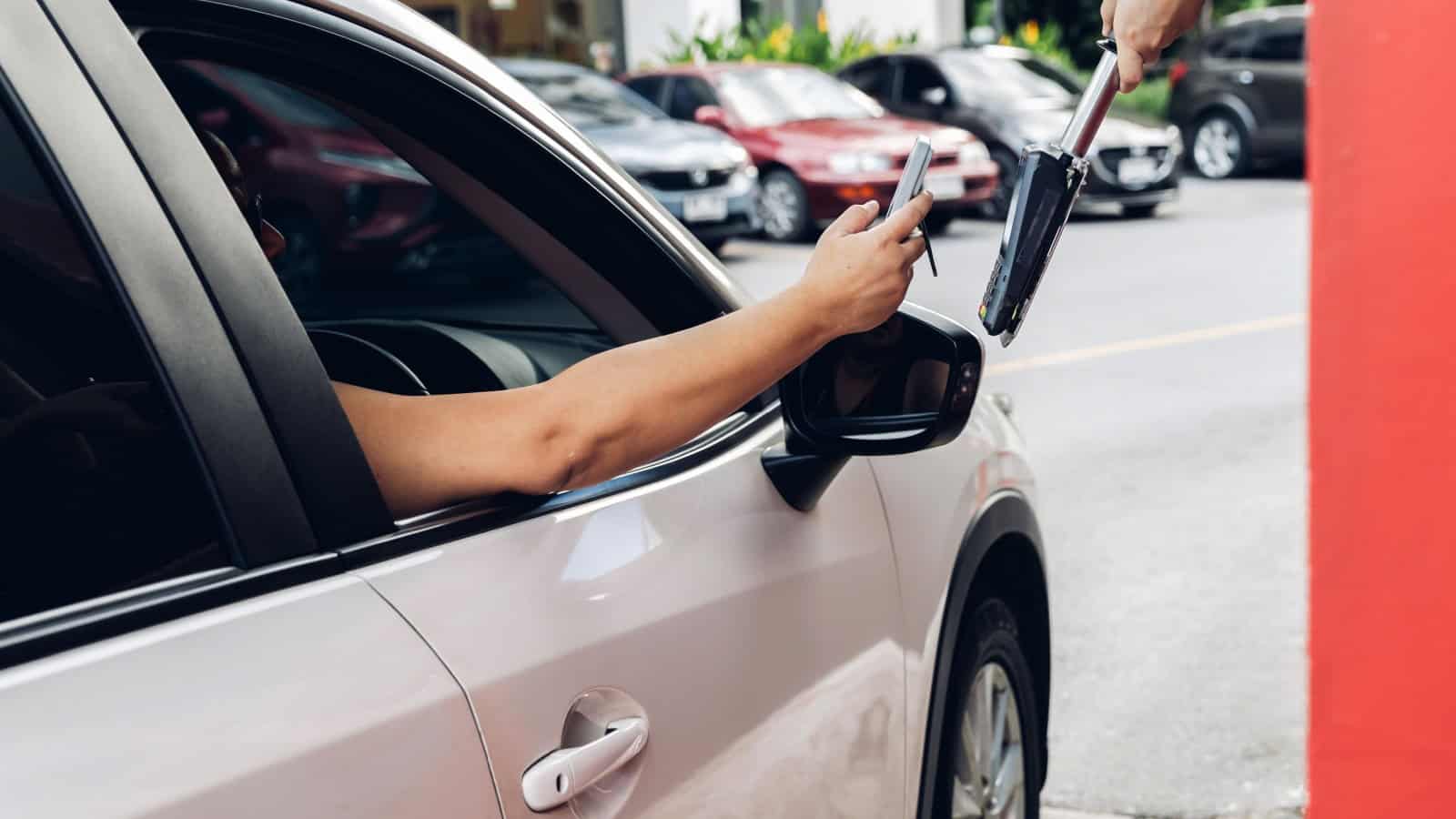
A screen that starts at 20% can make 20% feel like the norm. That can happen even if you planned to leave $1. Alei Fan, Laurie Wu, and Yiran Liu studied these tip prompts. They found that set amounts raised tips but made people less happy with the pay step.
Busy screen layouts made that bad feeling worse. The team wrote that “the presence of tip suggestion can frustrate consumers.” A 2021 paper from the Marketing Science Institute found a close link. It used one field study and four tests.
Lower tip choices led to better guest ratings than higher ones. People felt that they had more control. The work did not focus solely on drive-thru lanes. Buttons can shape what feels normal. The custom box and zero choice are valid, too.
A small tip can matter, but the screen hides the paycheck
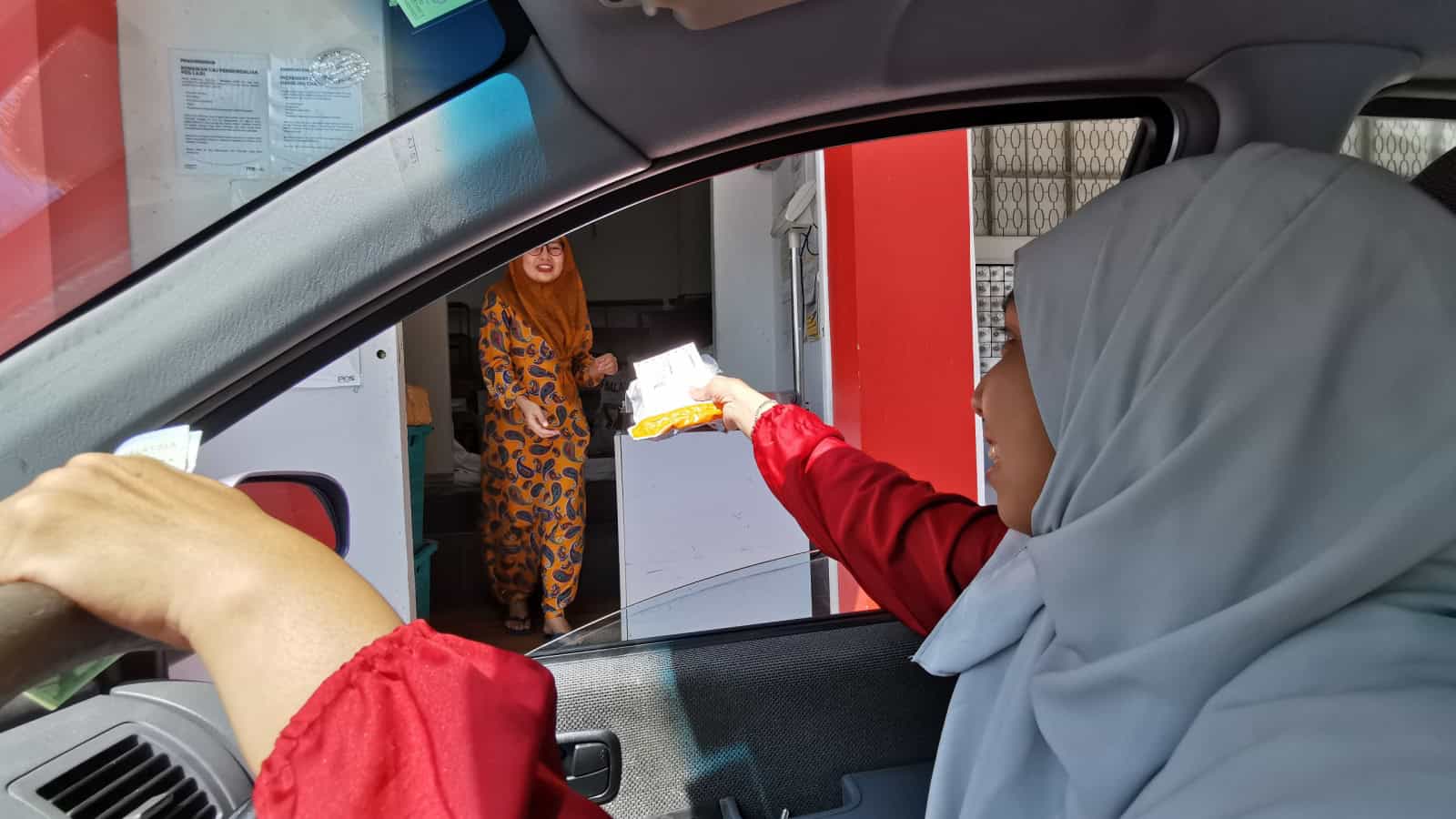
The person at the window may do far more than wave. They may take your order, help make it, pack it, and keep a six-car line on track. Square said tips made up close to 23% of total pay for the average food worker in its 2024 data.
The figure covers many types of food spots. It is not a drive-thru count. Still, it shows why a few dollars can mean a lot. Ming-Tai Huh, Square’s Head of Food and Beverage, said “workers are taking home less” as tips fall.
Yet the screen does not show base pay, work hours, or each person’s share. A tip can be a warm thank-you for extra care. You should not have to solve a firm’s pay plan during a ten-second handoff. That hidden gap adds strain to the glass. It stays hidden.
Drive-thru workers do not share one wage model

A tip screen does not prove that the worker earns a server’s cash wage. U.S. Labor Department rules classify someone as a tipped worker if they regularly earn more than $30 a month in tips.
A firm that uses the federal tip credit may pay $2.13 an hour in cash wages. The federal base rate is $7.25. The firm must fill any gap if wages and tips do not reach $7.25. State laws may set a higher cash rate.
Some states do not let firms use the tip credit at all. Many quick-service staff receive a set hourly wage and view tips as extra pay. Other shops rely on tips as part of their normal earnings. The screen seldom tells you which plan applies. That is why a fixed U.S. drive-thru rate would make little sense.
Drive-thru screens are part of a much wider shift
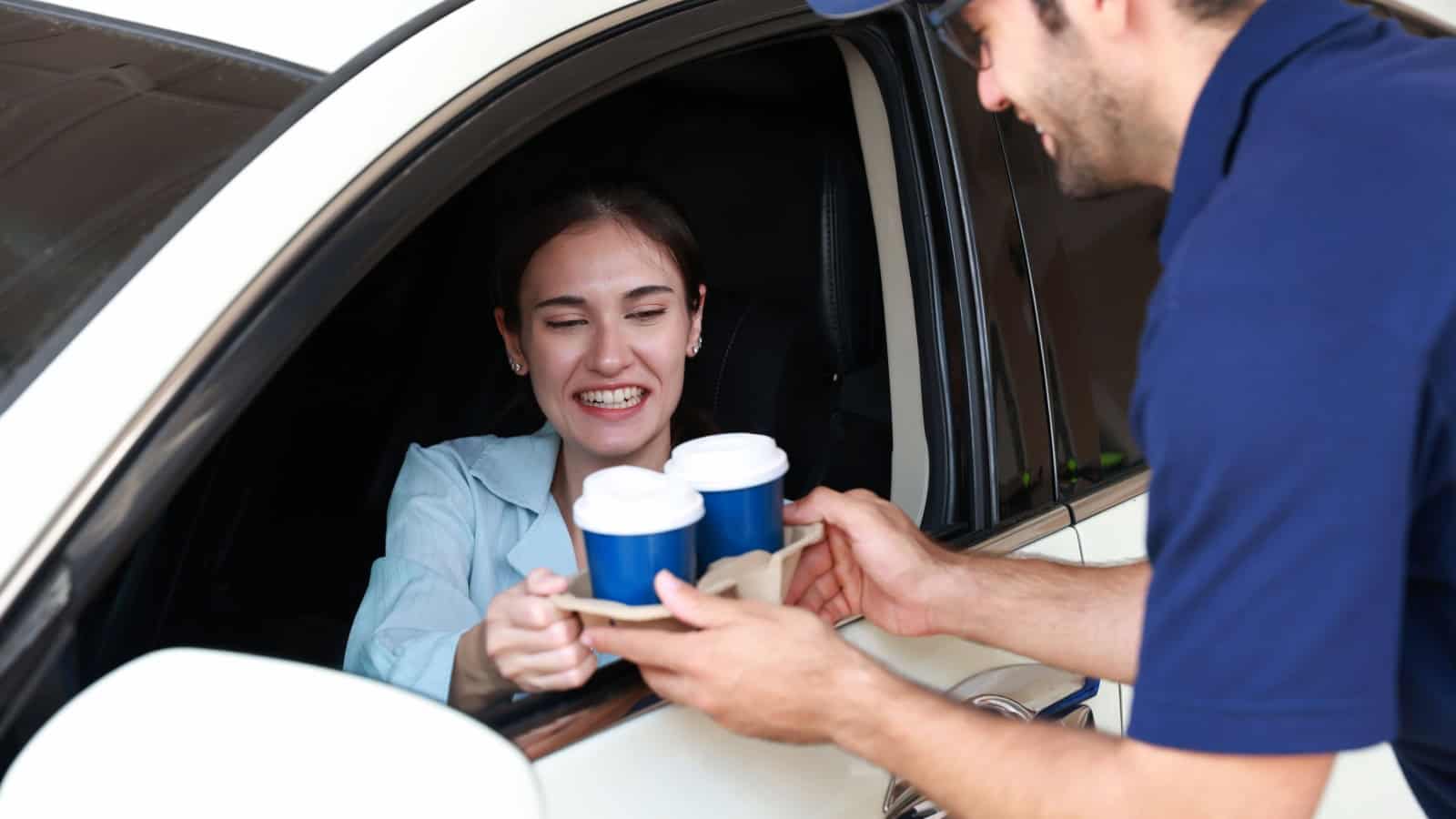
The drive-thru did not cause confusion about tipping. It just brought the pay screen to the car window. Pew found that 72% of adults saw tip requests in more places than they did five years earlier. Yet habits still changed a lot depending on the setting.
About 92% often or always tipped at a sit-down meal. The share fell to 25% for coffee and 12% at fast-casual spots with no servers. A drive-thru can blend all three signs. There is food, there may be coffee, and there is a brief handoff.
That mix helps explain why two kind guests may make two different choices. Neither person has to be rude. U.S. data on drive-thru tips alone is still thin. For now, the bright prompt is a store option. It is not a firm rule shared from coast to coast.
Higher menu prices change the emotional math
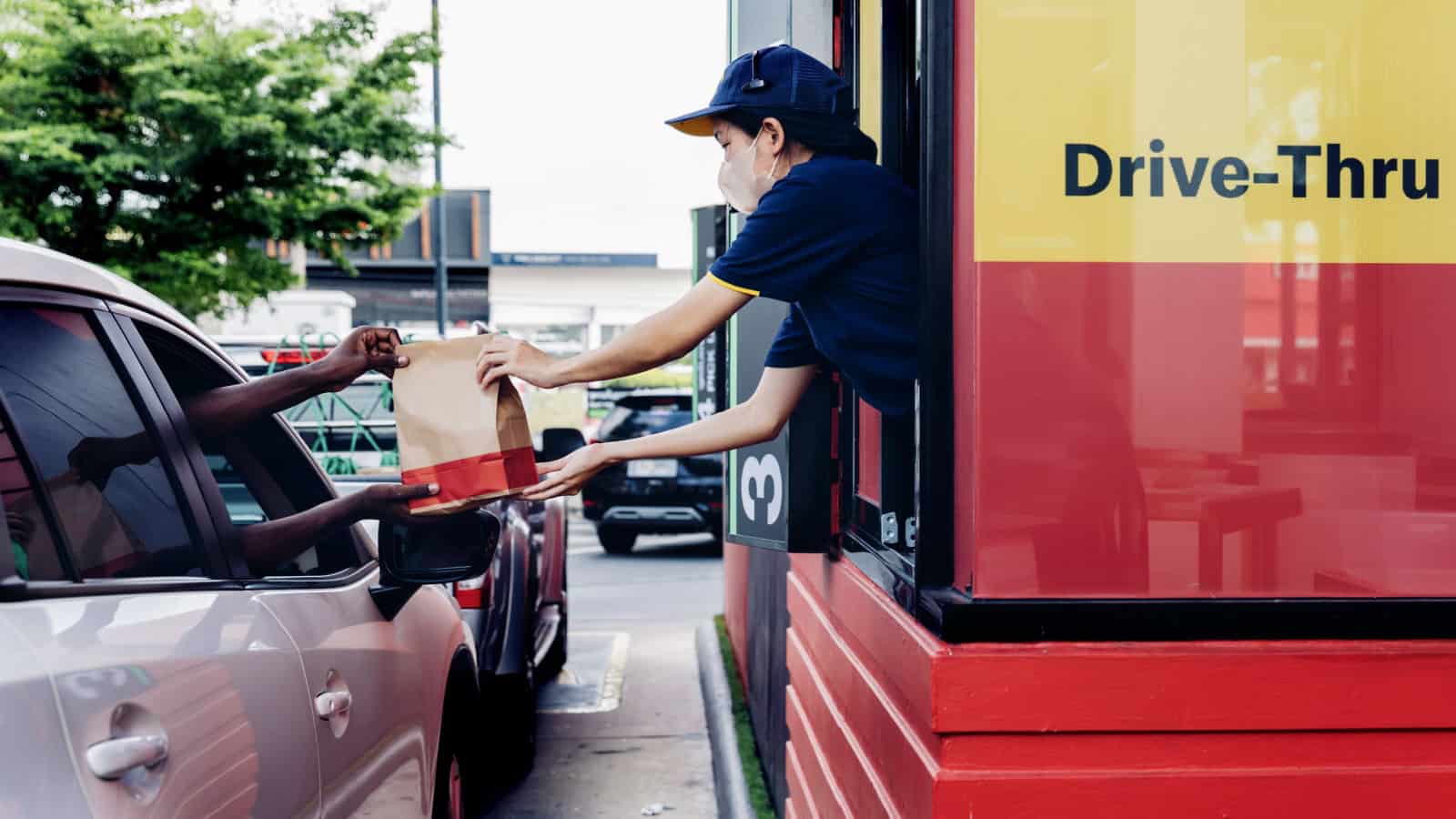
A tip rate feels quite different after food prices rise. U.S. labor data show that food bought away from home cost 3.4% more in June 2026 than it did one year earlier. Limited-service meals, which include many drive-thrus, rose 3.1%. Food bought for home rose 2.7%.
Square also saw its average quick-service tip rate fall from 14.64% to 14.2% between early and mid-2025. The two trends do not prove that one caused the other. They still meet in your wallet.
A 20% prompt adds $2 to a $10 order. It adds $4 to a $20 order, even if the handoff takes the same time. It is fair to see that gap. Check the full bill, then pick a sum your budget can hold. That cash may be lunch money, bus fare, or part of a bill. That gap is real.
The worker’s presence can add pressure, but results are mixed

That tense feeling at the window has been tested. The work is still young. A University of Nebraska-Lincoln preprint used fake short-service sales. One study had 235 college students. A second had 149 U.S. adults online.
People felt worse about tip screens than tip jars. Yet the stronger test found no clear rise in tip size from the screen. A worker in view did not raise it either. That finding challenges the claim that each swivel screen forces more cash out of us. Store gear can also differ.
Some screens may show a choice at once. Other systems may hide it or send it to a back-end record. You do not need to think that a worker is scoring each tap. A calm choice beats one built on fear. That matters.
Your tip may support more than the person at the window
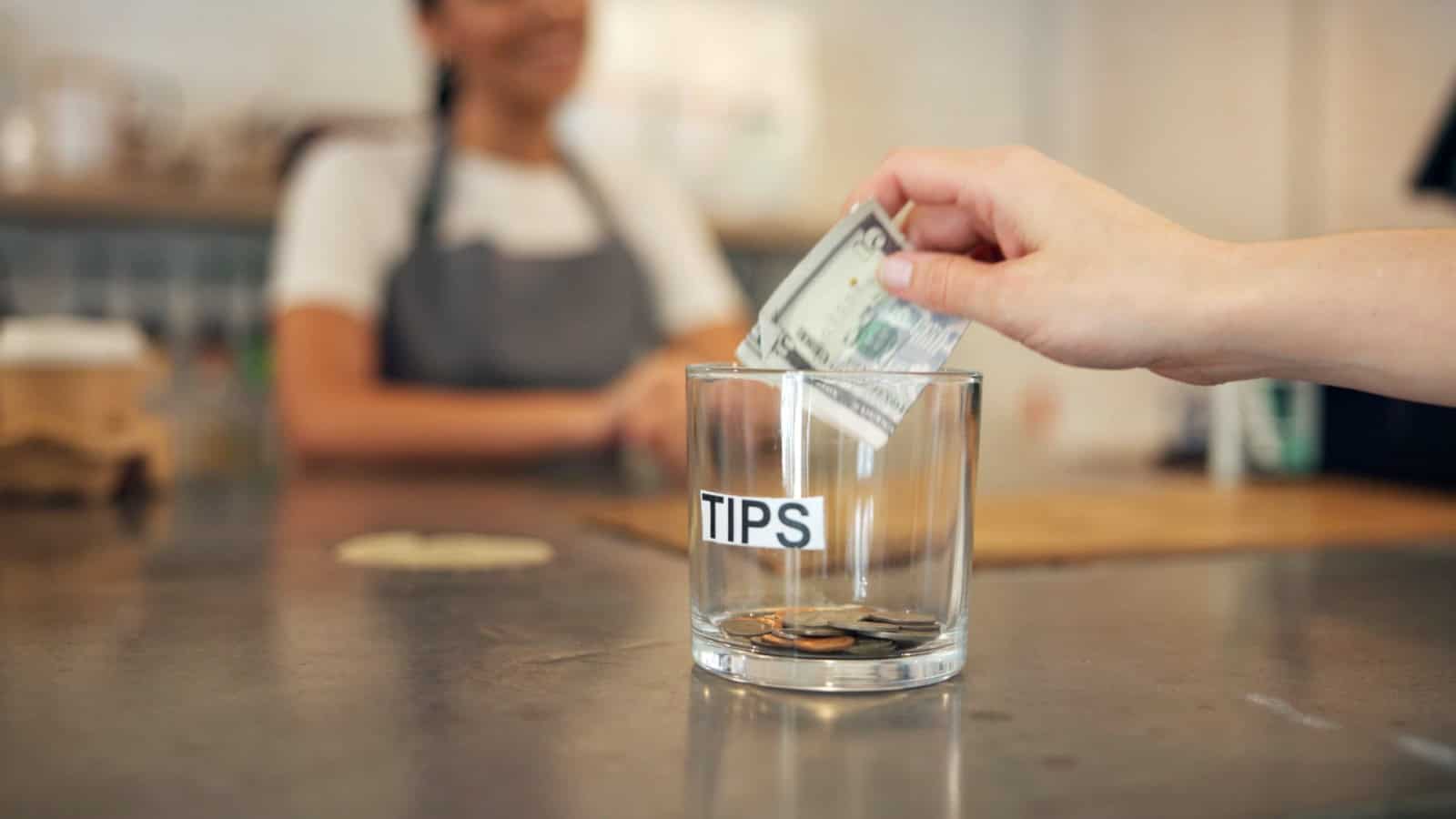
The hand that gives you the bag is the end of a longer chain. Federal rules let shops use a lawful tip pool. Your gift may be split among the staff rather than staying with a single cashier.
The U.S. Labor Department says a basic pool can include front-counter staff and other workers who often get tips. A wider pool may include cooks or dish staff if the firm pays at least the $7.25 federal base wage before tips. Bosses and store leaders often cannot take staff tips from the pool.
The rules guard staff, but each shop may use a different split. Your $1 may thank the order taker, cook, and packer at once. If that split matters to you, ask with care. A posted store rule may also tell you more than the screen. It counts.
A service charge is different from a voluntary tip
Read the slip before you tap. The U.S. Labor Department defines a forced 15% service fee as money that is not a tip under federal wage rules. A tip is your choice and goes to the worker or a lawful pool.
A set fee belongs to the firm, which pays it out under its own plan. Food shops are trying other paths. A 2026 study spoke with 13 owners and store heads. It identified six alternatives to the usual tip-credit plan.
They included set fees, shared sales, higher base pay, and broad tip pools. Guests are wary of some plans. Pew found that 72% opposed fees added by default. Clear labels matter. No one wants to pay a set fee and then accidentally add a second amount. A clear slip can stop that.
Falling tip averages need careful labels
Tip data can look far neater in a headline than it is.
Toast found an average of 19.1% at full-service spots in spring 2025. Its sample came from selected shops on a system that served about 148,000 sites by June 30. Square put its quick-service average at 14.2% for the same quarter.
Both facts help, but they track different groups through different systems. Card records may miss cash tips. Each firm may also use its own math. The figures show a broad drop in tips. They do not prove that 15% is the new drive-thru rule.
The fair reading is small and plain. Habits are shifting, old customs feel less firm, and no U.S. drive-thru rate has won wide support. Clear labels keep both the math and the claim fair.
There is no settled drive-thru percentage
Pew found that 49% of adults said a tip depends on the case. Some 21% saw it mostly as a choice. Another 29% saw it mostly as a duty. Service still led the list of reasons. About 77% said the quality of the work was a main factor.
Cornell professor Michael Lynn caught the odd charm of the custom: “It represents a rare instance where people voluntarily pay extra after services have been delivered.” A drive-thru screen can ask before the full order arrives, which makes that idea less clear. Flexible advice fits this gray space.
You may tip for a large custom order, kind help, or curbside care. You may pick a small sum or no tip for a plain handoff. A warm thank-you costs nothing either way. That is fair.
One tap is a choice, not a vote on the whole system
Food shops can study thousands of sales. They may then change the tip buttons, pools, prices, or pay plans. One tap will not remake the whole trade.
The 2026 owner study found six other pay models, so firms have tools beyond a row of tip rates. Pew also found that 40% opposed set tip choices. That gives store owners a good reason to use clear screens with less push.
Your role can stay small and human. Check for fees. Look at the full bill. Think about the work, then pick what fits your means. A tip can show thanks. A zero can show a tight budget or faith in the listed price. Neither tap needs a speech at the window. A clear screen should keep each choice easy to find, from a warm tip to a calm zero.
A small screen, a human moment
The screen glows for five seconds. Square found tips made up close to 23% of food workers’ 2024 pay.
Pew found that 40% opposed set-tip choices. Fair pay and clear prices can share one lane.
Key Takeaways
Drive-thru advice should stay loose. Pew found that only 34% felt sure about the right tip moment, while 12% often tipped at fast-casual spots with no servers.
Check for fees and shared pools. Then pick what fits the work and your budget. In the next 6 to 12 months, more shops may test lower prompts and higher base pay. A clear choice needs no shame.
Disclaimer – This list is solely the author’s opinion based on research and publicly available information. It is not intended to be professional advice.
Like our content? Be sure to follow us