Your favorite restaurant may have new rules you don’t know about
That dinner reservation you waited weeks to get may come with more rules than you expect.
Across the country, restaurants are quietly changing the way they handle reservations, cancellations, payments, and guest requests. Some policies that once felt unusual, from stricter cancellation fees to limits on special requests, are becoming more common as restaurants try to protect every table.
The reason is simple: restaurants are operating in a tougher environment, with rising costs, crowded reservation systems, and customers expecting more flexibility than ever. The National Restaurant Association’s 2026 outlook projects $1.55 trillion in U.S. restaurant sales this year, while OpenTable’s 2026 dining research found that 55% of Americans expected to spend more on restaurant meals.
That creates a new balancing act. Diners want convenience and control, but restaurants need reliable bookings, predictable revenue, and fewer last-minute disruptions.
The result? Some familiar restaurants now have policies that feel more like rules from private clubs, and diners are discovering them before, during, and sometimes after their meals.
Most of these policies remain lawful when restaurants clearly disclose them, apply them consistently, and follow civil-rights and disability protections.
Dress codes can block the door

A restaurant can set a dress code and turn away guests who ignore it. The policy may cover shorts, beachwear, athletic clothing, hats, or open-toed shoes. Staff must apply the standard evenly, not selectively. The U.S. Department of Justice says federal law bars restaurant discrimination based on race, color, religion, or national origin.
State and city laws may protect more groups, so a neutral rule still needs careful enforcement. That consistency protects guests and helps staff avoid ugly confrontations.
Table time can run out

Management can place a time limit on a table, especially during busy dinner periods. The restaurant should display the limit before guests order or book. OpenTable’s 2026 research found that walk-in diners would wait an average of 39 minutes for a table. That pressure makes predictable seating windows valuable to staff and waiting customers.
The ADA’s business guidance may still require a reasonable adjustment for a diner whose disability affects the meal’s pace. A quick heads-up also lets diners choose a slower venue.
Outside food can stay outside
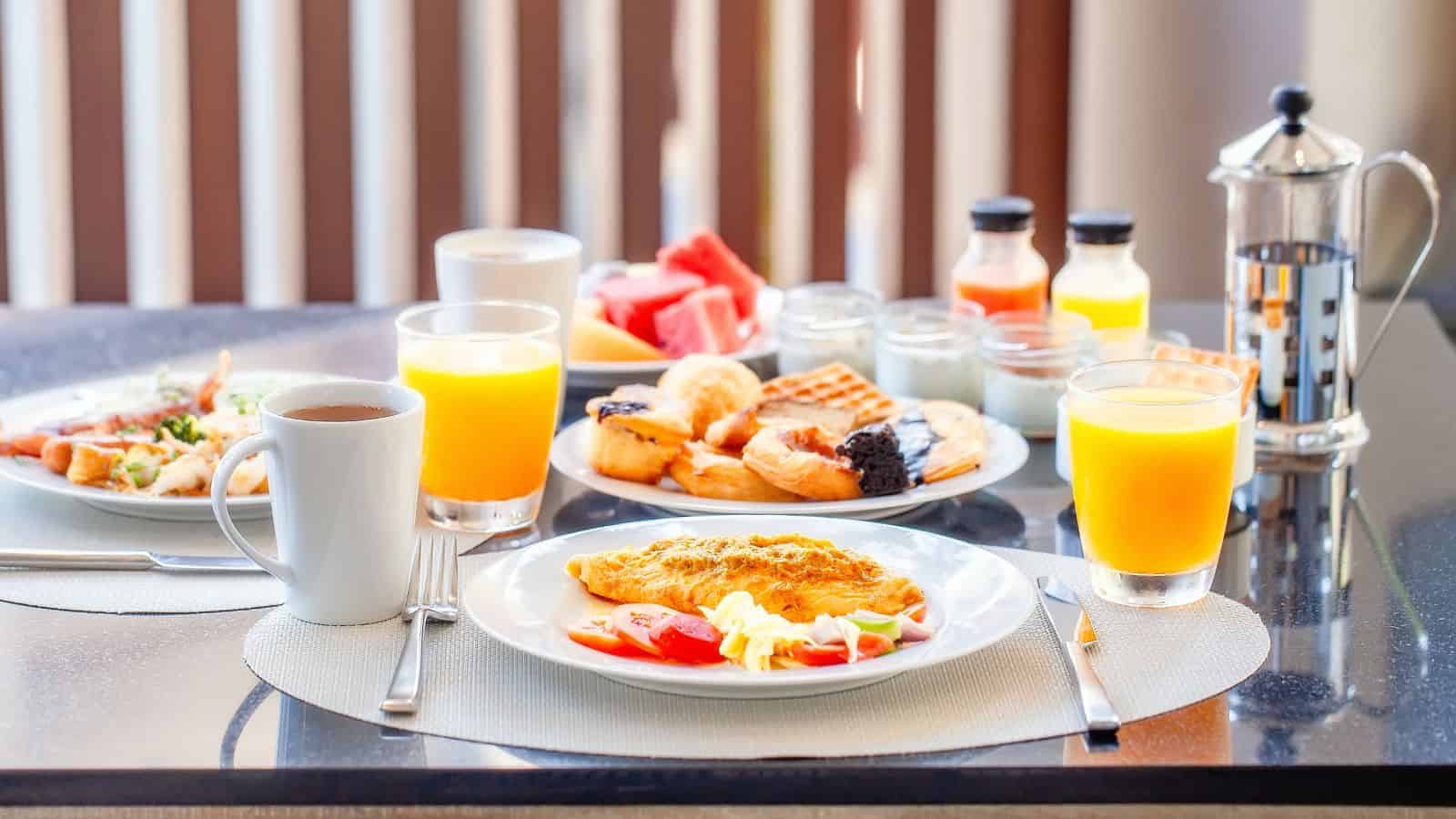
Most restaurants can prohibit outside meals, drinks, birthday cakes, and snacks. The rule helps kitchens manage allergens, sanitation, alcohol licensing, and food-safety risks. The Food and Drug Administration says state and local agencies usually oversee restaurant food safety and commonly use its Food Code as a model.
Still, federal disability guidance says restaurants may need to accommodate medically necessary food in some situations. Guests should contact the venue early instead of surprising the host at the door. Ask about approved desserts and any handling charge before arriving.
One check may mean one check
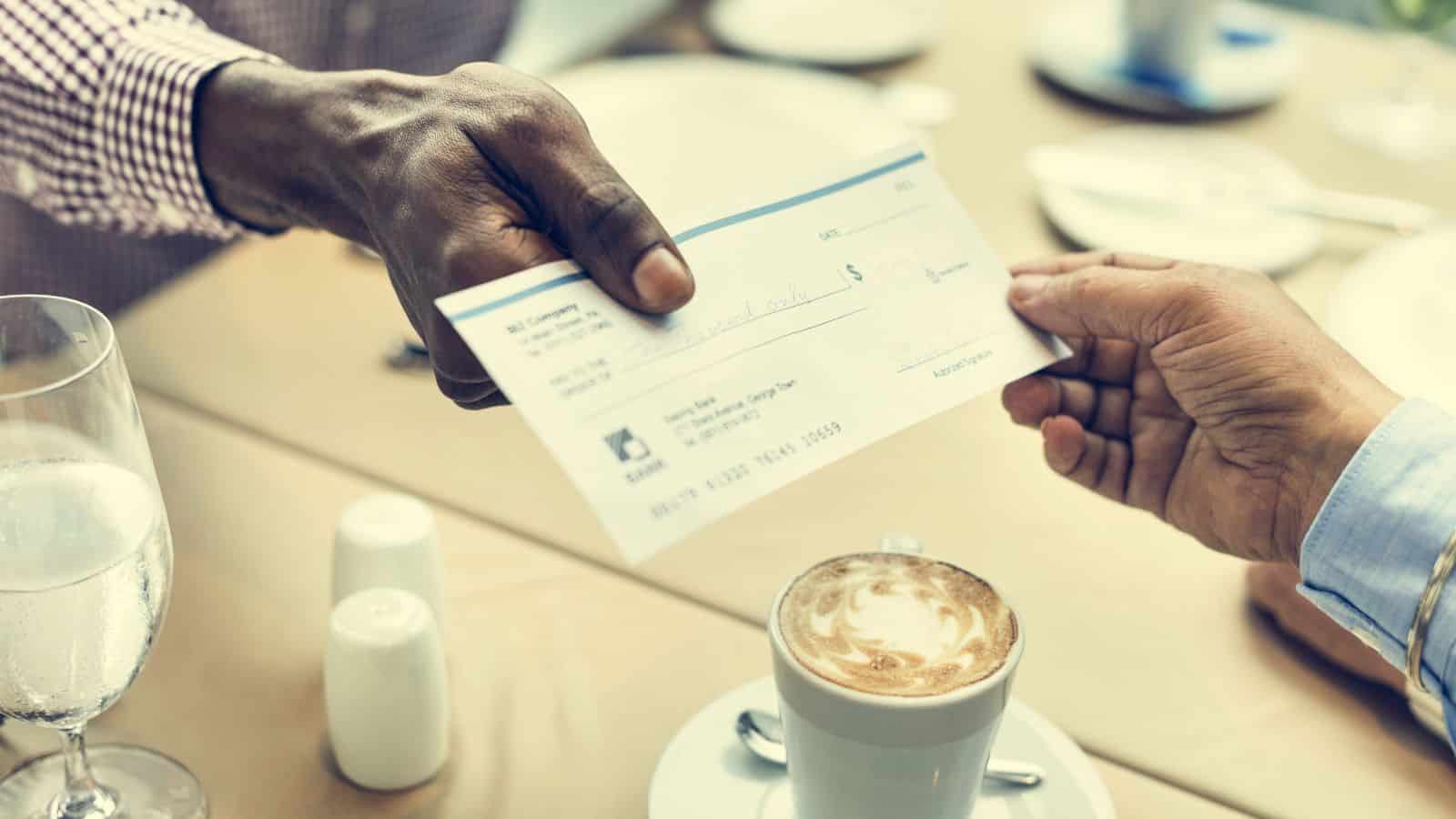
A restaurant can decline separate checks, even when a large group asks politely. Splitting bills adds payment steps, delays table turnover, and increases the chance of mistakes.
OpenTable’s hospitality data recorded an 8% rise in dining by parties of six or more during 2025. That growth gives operators a reason to simplify group payment rules.
The clearest venues post the policy online, on menus, or during booking so nobody discovers it after dessert. Payment apps can handle the math after one person pays.
Service charges can be mandatory

A venue can add a mandatory service charge when it clearly tells diners before they commit to the purchase. That charge does not automatically count as a tip.
The IRS updated its guidance in July 2026 and classifies employer-set service charges as wages rather than voluntary gratuities when businesses distribute them to workers.
State disclosure rules can add more requirements. Diners should read the menu and receipt carefully before adding another tip. The restaurant may not pass the entire charge to the server.
Deposits can protect reservations
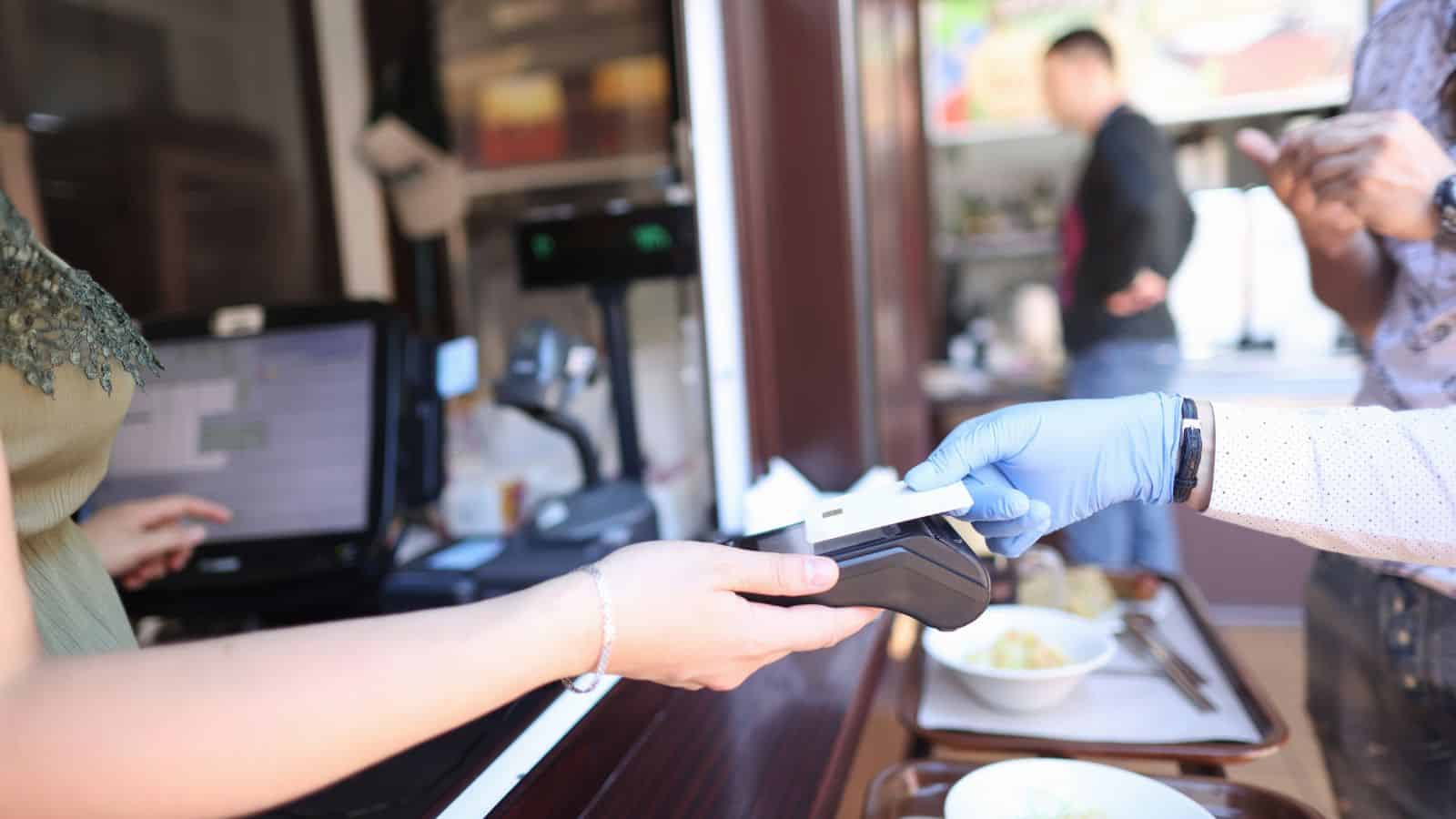
Popular restaurants can require a deposit, card hold, or prepaid menu before confirming a table. They can also charge a disclosed fee after a late cancellation or no-show. OpenTable’s 2026 trends report encourages deposits and card holds for large-party bookings.
These tools protect scarce seats and reduce uncertainty on high-demand nights. Guests should check the refund deadline, party-size terms, and cancellation window before tapping the final booking button. A screenshot of the terms can prevent later confusion.
Some dining rooms can limit children

A restaurant may set age limits or create adults-only hours, especially for bars, tasting menus, or late-night service. Federal public-accommodation law lists race, color, religion, and national origin, but not age.
Local and state rules may offer broader coverage, so operators cannot assume every child restriction works everywhere. Staff must also avoid using an age policy as cover for unlawful bias. Clear notices help parents plan without facing an awkward surprise at the host stand.
Cameras can lose their welcome

A dining room can ban flash, video, tripods, or all photography because the business controls conduct on its private property. The ACLU’s photography guidance explains that private property owners may set photo rules and ask rule-breakers to leave.
OpenTable’s 2026 survey found that 54% of Americans would pay more for a one-of-a-kind dining experience. That demand makes atmosphere valuable. Some chefs protect it by limiting screens, bright lights, and lengthy photo shoots. A quick, polite snapshot usually causes less friction than a production.
Pets can stop at the entrance
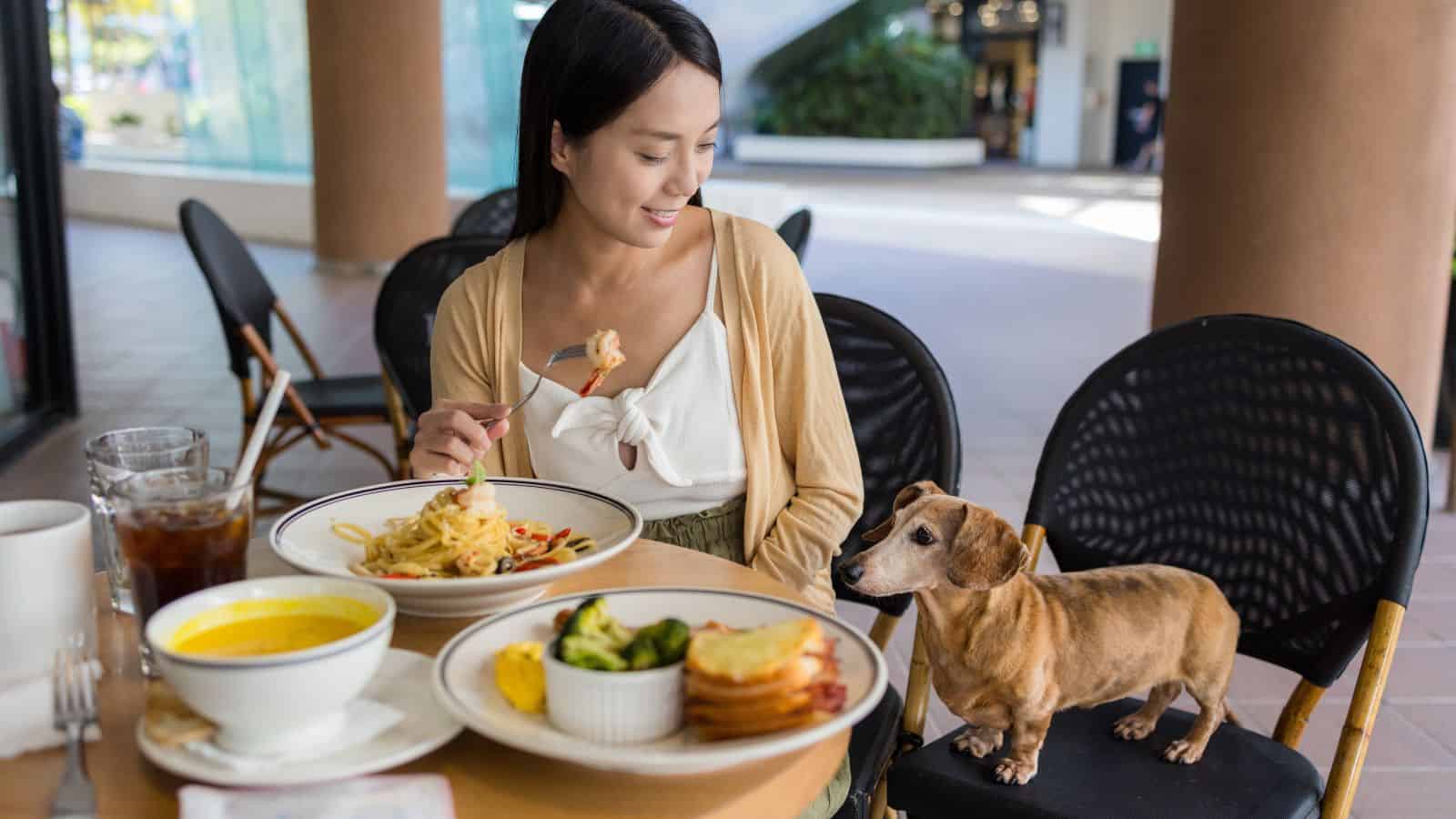
Restaurants can refuse pets indoors and may restrict them on patios under local health rules. They cannot treat a trained service animal like an ordinary pet.
Food establishments generally must allow service animals in public areas, even where health codes prohibit pets. Staff may ask only limited questions when the need for the animal remains unclear.
They can remove the animal if it loses control or creates a direct safety problem. Emotional-support animals do not receive the same federal access right.
Minimum spending can apply

A restaurant can require each guest or table to spend a stated minimum, especially in lounges, clubs, and prime seating areas. The business should reveal the amount before seating or booking.
The National Restaurant Association’s 2026 findings showed that 42% of operators reported no profit for 2025, which helps explain the push for firmer revenue rules. A minimum spend cannot excuse deceptive pricing or discriminatory treatment. Ask before ordering if the wording looks vague.
Staff can quiet the room
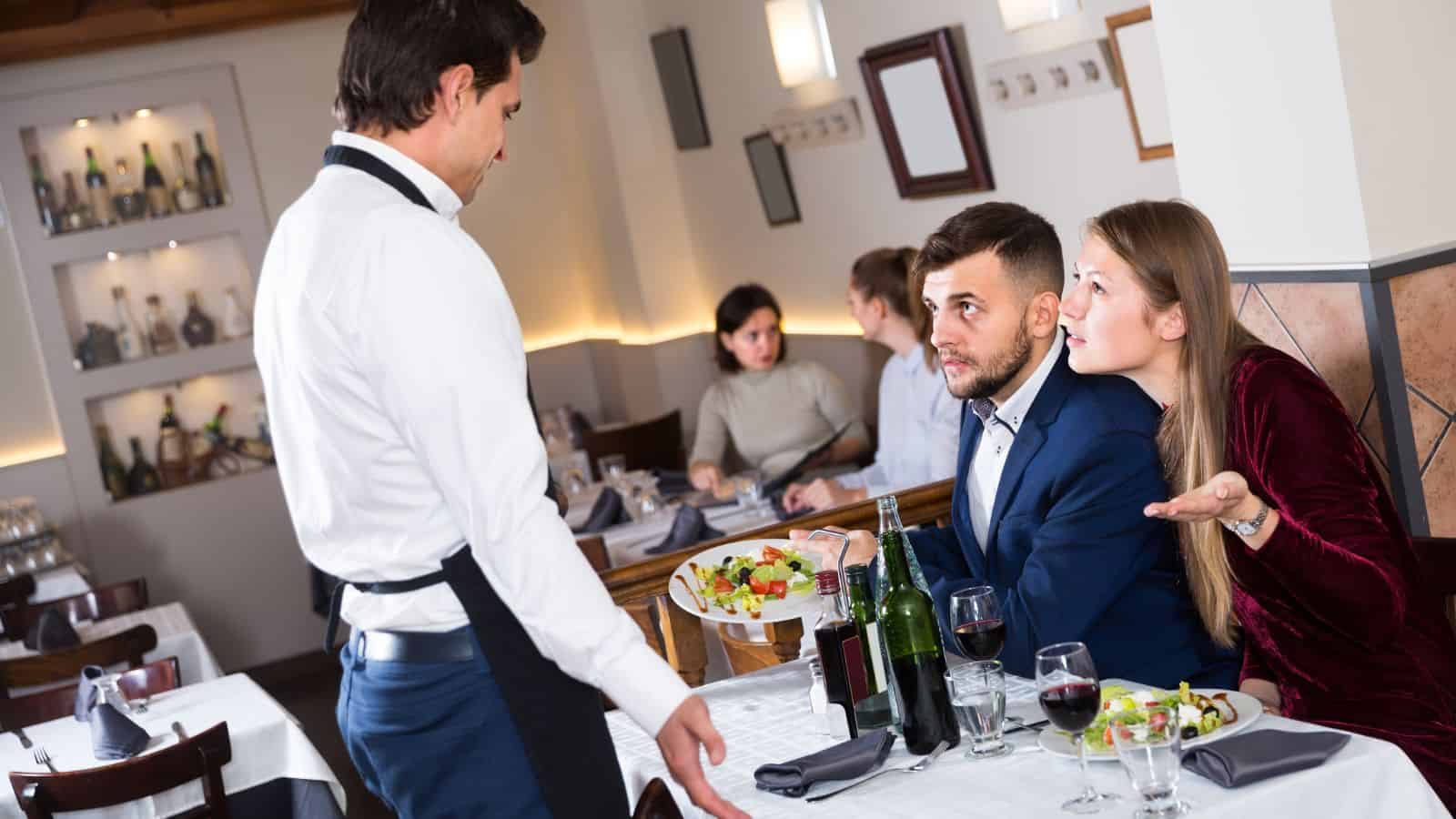
Managers can stop shouting, speakerphone calls, harassment, or conduct that disrupts other tables. They may warn the guest, cut off alcohol, or ask the party to leave. The rule should focus on behavior, not identity or disability.
Current ADA guidance requires reasonable policy changes when a disability creates a legitimate need, unless the change would fundamentally alter the business or create a direct threat.
Calm, consistent enforcement protects the room without turning a small conflict into dinner theater. Parents may face the same rule if children repeatedly disturb nearby tables.
Service can end before dessert

A restaurant can refuse or end service because of threats, intoxication, fake identification, property damage, or repeated rule-breaking. California’s alcohol regulator tells licensees to refuse alcohol to guests who appear obviously intoxicated. Restaurants elsewhere must follow their state alcohol rules.
A lawful refusal targets safety or behavior, not personal dislike. Managers should explain the reason briefly and avoid public humiliation.
Key takeaway
Restaurant hospitality does not erase house rules. Owners can manage clothing, timing, payments, reservations, noise, photography, pets, and guest conduct.
Yet every policy sits beneath federal, state, and local protections. Clear notice and consistent treatment separate sensible management from unfair surprise. Diners can avoid most disputes by checking the booking page, menu notes, and cancellation terms before arriving.
Disclaimer – This list is solely the author’s opinion based on research and publicly available information. It is not intended to be professional advice.
You May Also Like: 7 Overused Restaurant Buzzwords: A Deep Dive into Misleading Marketing Tactics
Like our content? Be sure to follow us.