8 states that endured extreme heat wave and 4 essential lessons to stay safe during hot weather
The 2026 summer heat wave did not arrive like a sudden storm. It built slowly, turning ordinary afternoons into dangerous stretches of extreme heat and leaving many residents searching for relief long after the sun disappeared.
Across parts of the United States, temperatures climbed 15 to 25 degrees above normal, pushing more than 90 local records toward new highs, CNN reports. The biggest challenge came at night, when unusually warm conditions trapped heat inside homes and gave millions of people less time to recover before another day of scorching temperatures.
The heat wave also challenged the idea that only desert states face serious heat danger. Residents from coastal cities to northern communities discovered that unreliable cooling, limited preparation, and long exposure could turn a summer day into a serious health threat.
California
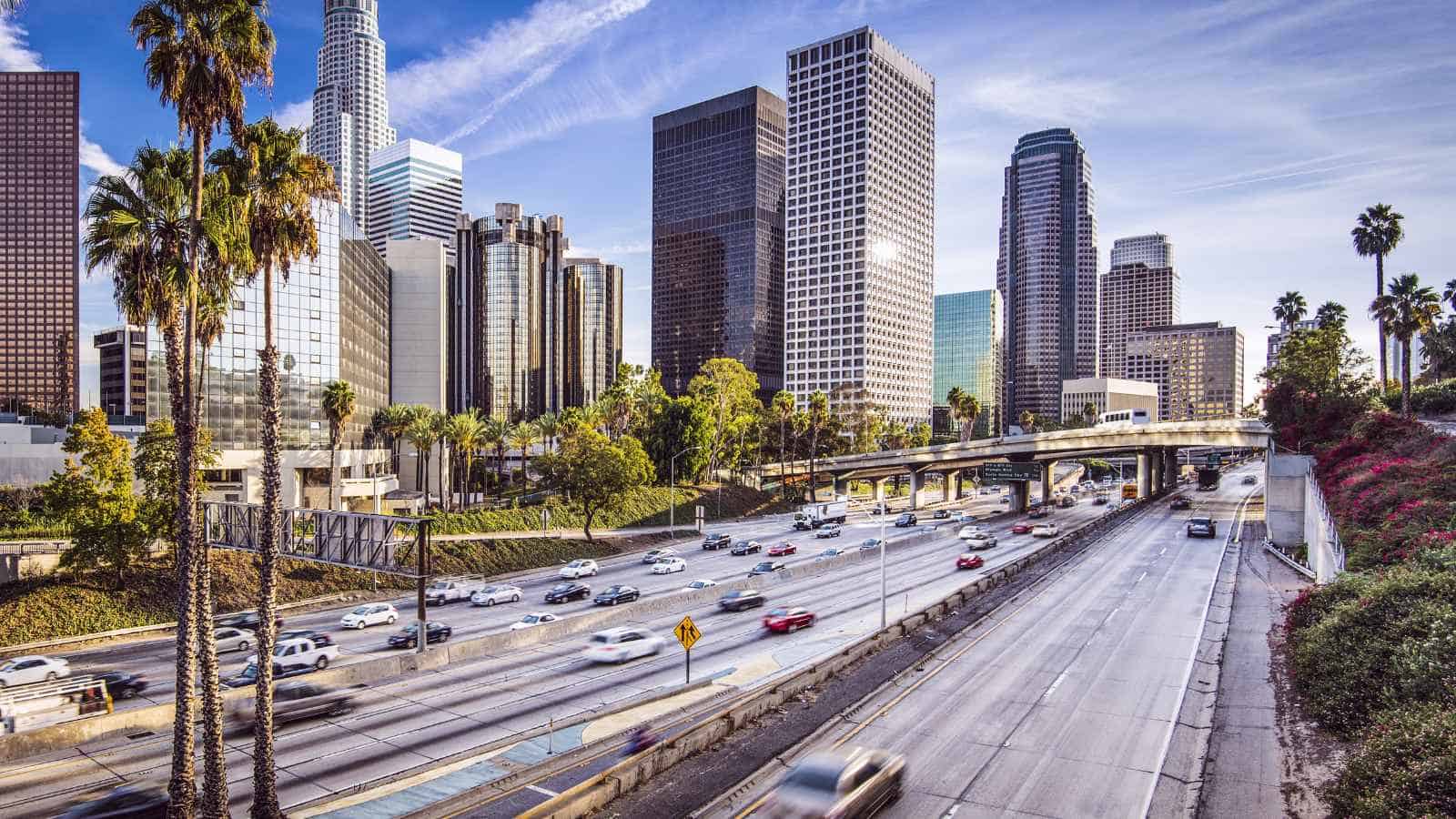
California showed how quickly a comfortable summer day could turn dangerous. You could leave a cool coastal area in the morning and face triple-digit conditions after a short drive inland.
The 2026 event pushed Southern California into a broad heat corridor that affected millions of residents. Inland areas absorbed the worst conditions, forcing people to change outdoor plans, work schedules, and daily routines.
Even places known for milder weather felt the impact. San Francisco recorded its hottest July day since 2015, while Livermore reached 99°F and Vacaville climbed to 102°F.
You faced a bigger challenge if your home lacked reliable air conditioning. Closing curtains before afternoon sunlight entered, finding cooled public spaces, and preparing early helped you avoid dangerous indoor conditions.
Nevada
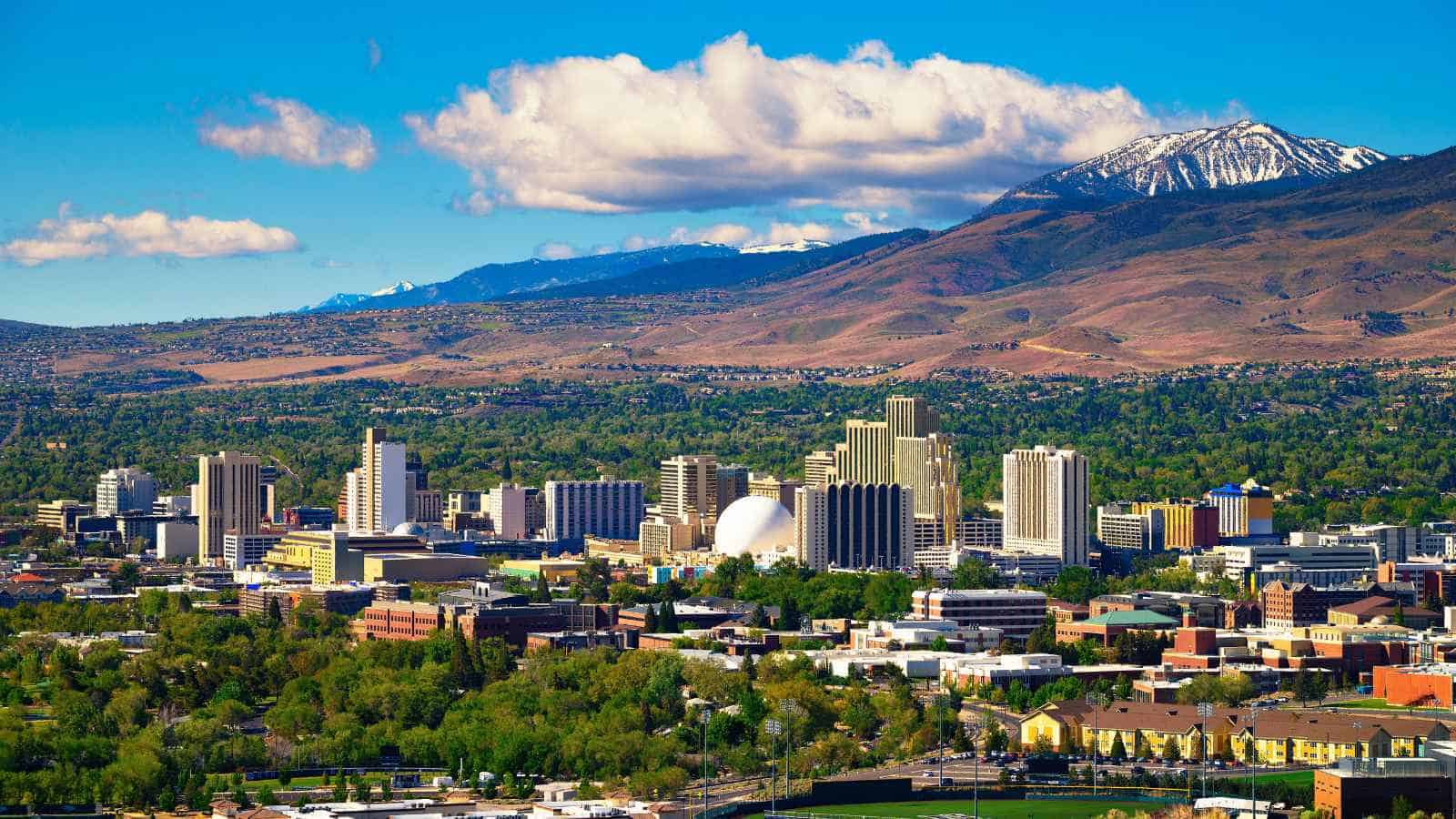
Nevada residents knew summer heat, but the 2026 event pushed familiar conditions into a more dangerous category. According to The Nevada Globe, Temperatures locked in near 109°F to 110°F by Wednesday, June 24, as the heat wave intensified across desert communities and kept extreme conditions in place for extended periods.
“Las Vegas is the fastest-warming city in the nation,” says Lehmann. The city continued to battle the urban heat effect during the 2026 heat wave, as concrete, asphalt, and buildings absorbed heat during the day and released it slowly after sunset. That trapped warmth kept nighttime temperatures higher and made it harder for residents, especially those without reliable cooling, to recover before another hot day arrived.
You had to respect the heat even if you had lived through Nevada summers before. Drinking water regularly, limiting outdoor activity during peak afternoon hours, and using air-conditioned spaces became essential steps to protect your health when the desert heat refused to ease.
Utah
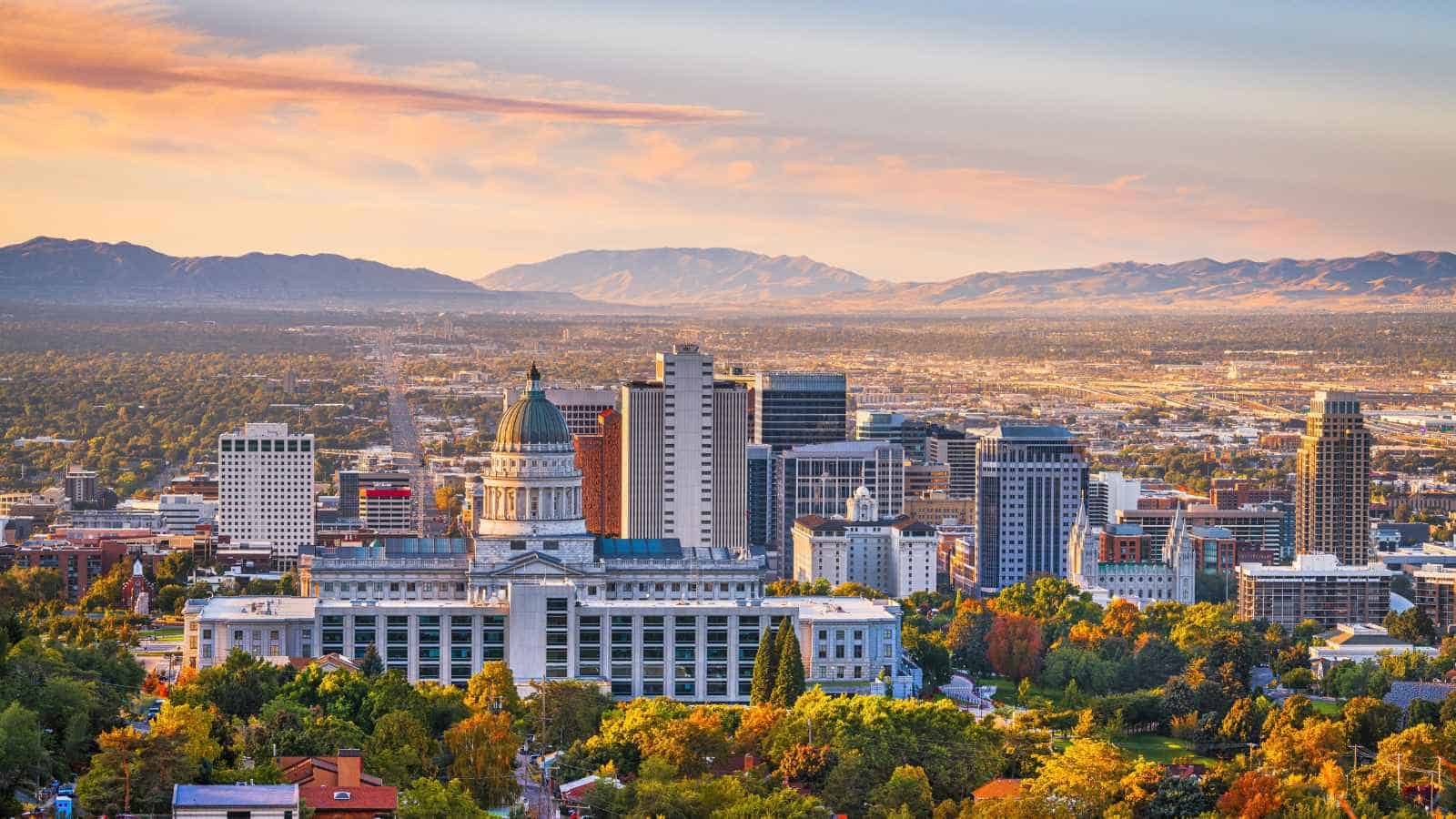
A clear blue sky can make a Utah hike look inviting, but the extreme heat created a hidden danger. The July 2026 heat wave pushed the state into record territory, with NASA Earth Observatory reporting Deseret reaching 111°F, Salt Lake City climbing to 109°F, and Randolph hitting 100°F.
The dry climate created another challenge because sweat evaporated quickly, making it harder to notice how much fluid your body had lost. Hikers, outdoor workers, and visitors could become dehydrated faster than expected while spending hours under intense sun.
The safest move was preparation before stepping outside. Carry extra water, start outdoor activities earlier in the day, take breaks in the shade, and recognize warning signs like dizziness, nausea, and cramps before heat turns into an emergency.
Wyoming
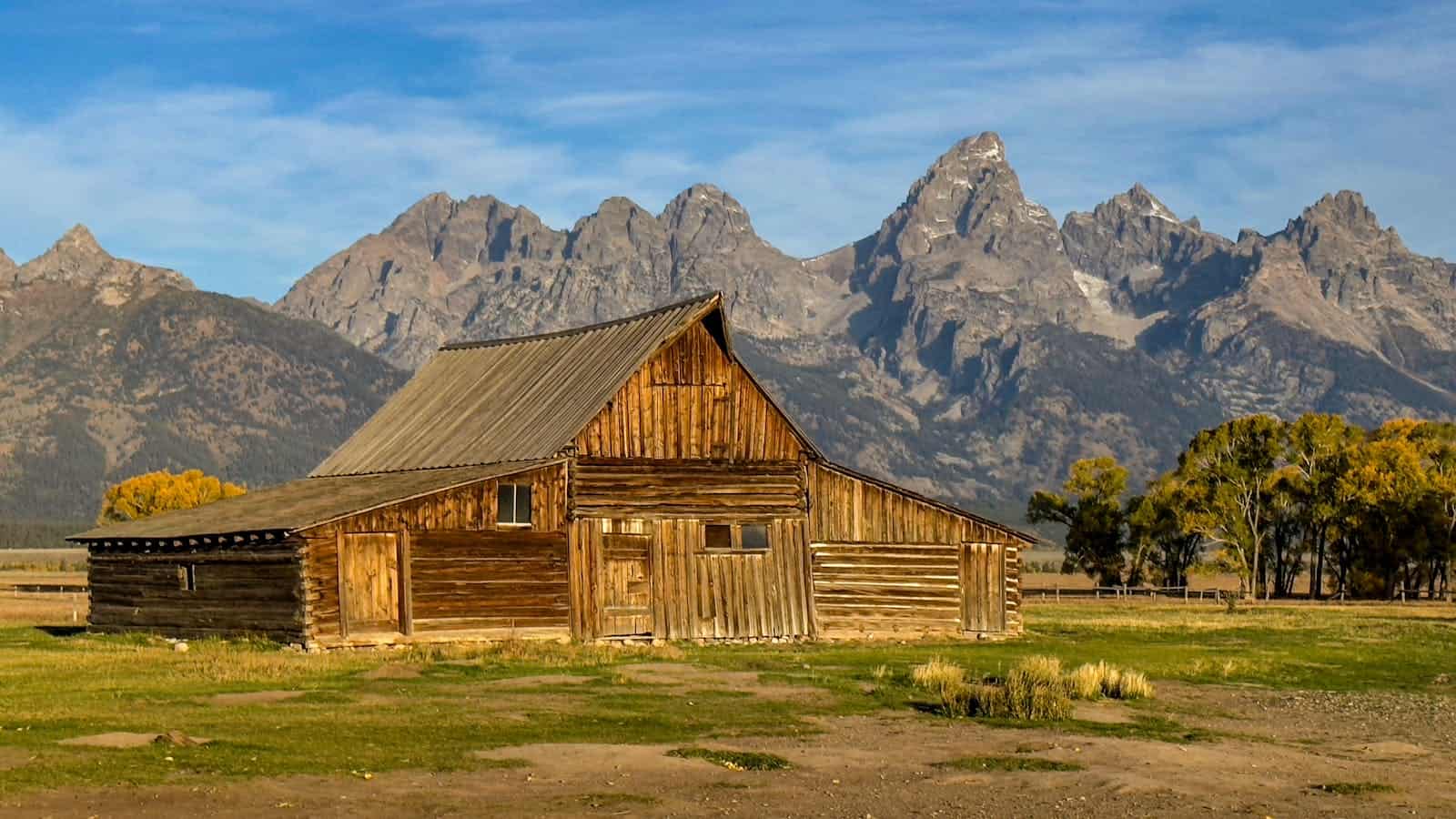
Wyoming’s reputation for cooler landscapes collided with temperatures that felt more like desert heat during the 2026 heat wave. Sheridan County Airport recorded 109°F on July 12, marking an extraordinary temperature for a region better known for wide-open plains and colder seasons.
The heat pushed ranch workers, construction crews, and outdoor workers into dangerous conditions. Wyoming’s vast distances also created another challenge because some people worked far from immediate medical help when heat symptoms appeared.
You learned that pushing through extreme heat could quickly turn a manageable day into a crisis. Taking breaks, finding shade, drinking water, and stopping when your body sent warning signs became essential steps for surviving record temperatures.
Idaho
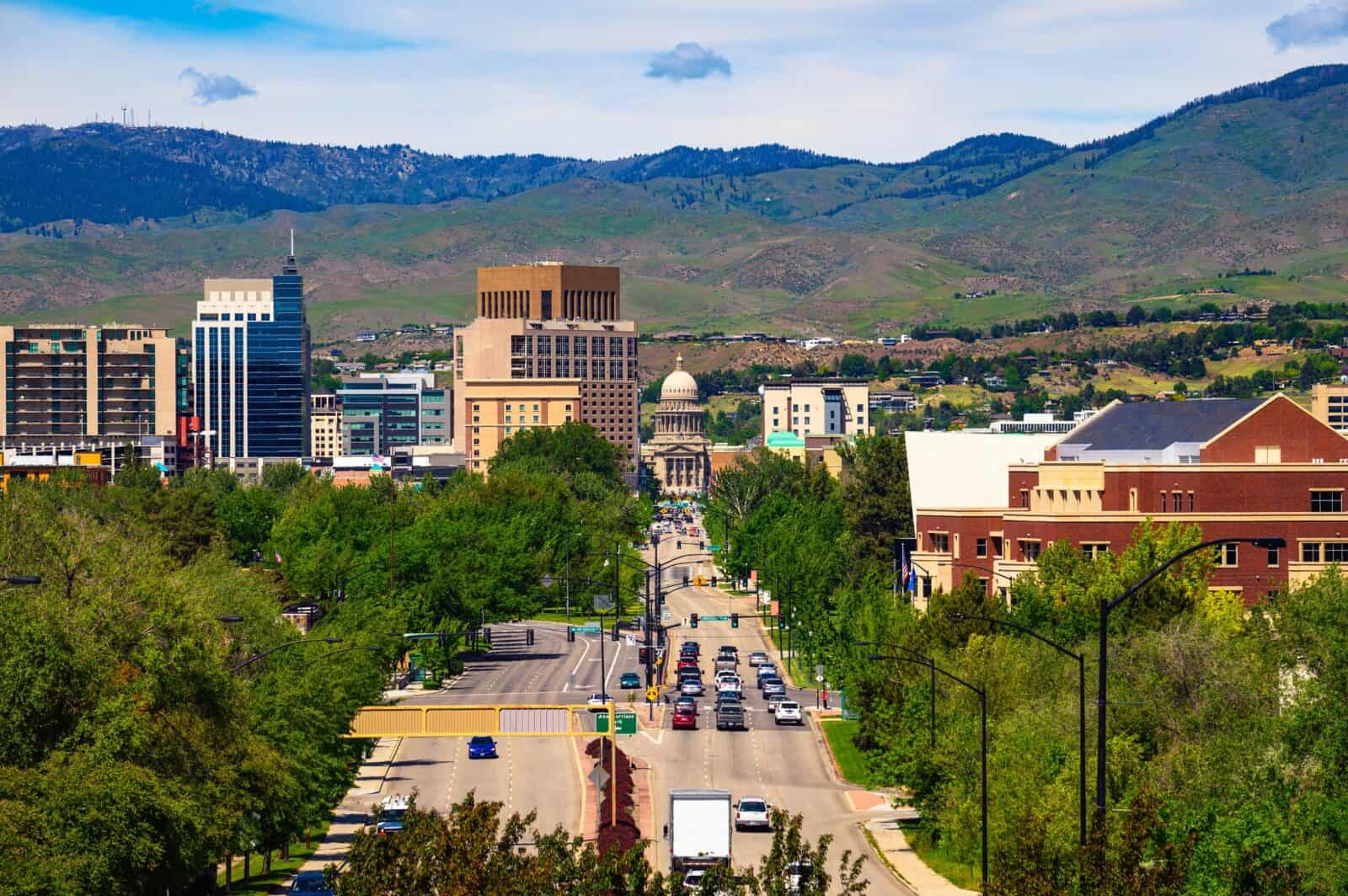
Idaho took a double hit during the heat wave as extreme temperatures collided with wildfire smoke. Outdoor workers, farmers, hikers, and forestry crews battled rising heat while breathing air filled with smoke and pollutants.
Physical activity already raised your internal body temperature, and triple-digit heat made it harder for your body to cool down. Opening a window during smoky periods could bring polluted air inside while indoor temperatures continued climbing.
The safest move was to watch more than the thermometer. Check air-quality reports, move to cleaner indoor spaces, and reduce outdoor exposure before heat and smoke combined to push your body beyond its limits.
South Dakota
A prairie wind may feel refreshing, but it can hide how quickly your body loses fluids under direct sunlight.
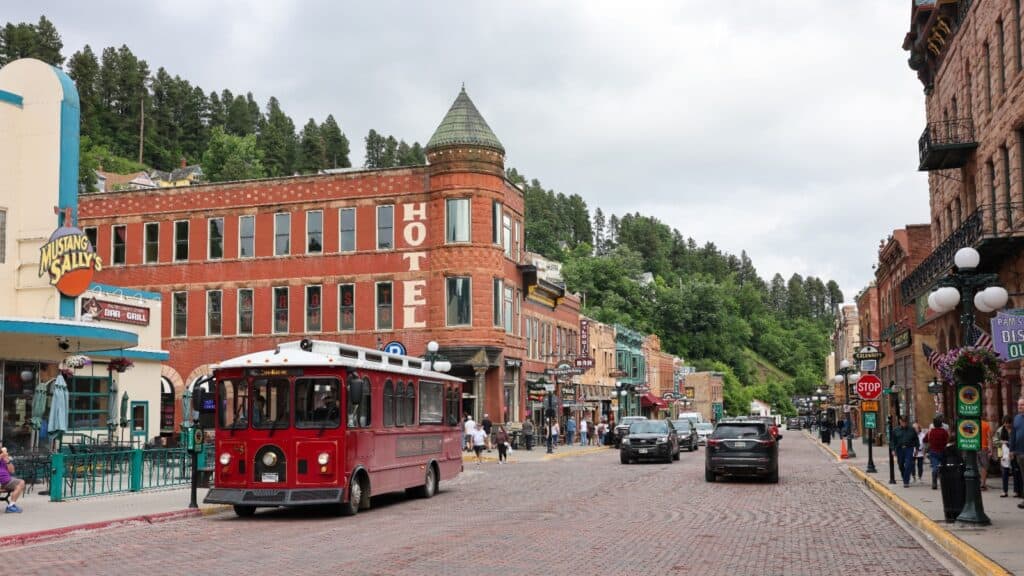
South Dakota felt the force of the 2026 heat wave as temperatures climbed into dangerous territory. Rapid City reached 102°F, tying its record, while Spearfish and the Regional Airport hit 103°F, and Ft. Meade soared to 106°F. Farms, roads, and parks offered little protection as residents searched for shade during the hottest hours.
Many people continued normal routines, including long drives, outdoor work, and recreation, without realizing how quickly extreme heat could overwhelm the body. The combination of high temperatures and limited shade turned everyday activities into serious challenges.
The safest move was preparation before the heat took control. Carry more water than you expect to drink, schedule breaks before thirst appears, and find shade or cooled spaces before the temperature pushes your body beyond its limits.
Montana

Montana shattered expectations when temperatures reached levels many residents never expected to see.
The state recorded some of the strongest heat during the event. Billings reached 111°F, while Miles City soared to 115°F, breaking temperature records that had lasted for decades.
Miles City did not simply match history; it moved beyond it by four degrees. The numbers showed that extreme heat could reach places many do not immediately associate with dangerous temperatures.
No AC? Don’t wait until your home feels unsafe. Close curtains early, head to cooled public spaces, and avoid peak afternoon heat before the heat tests your limits.
North Dakota
Warm nights trapped residents inside stifling homes, giving their bodies little time to recover before another dangerous day began. North Dakota endured intense heat during the 2026 event, creating extra challenges for people without reliable cooling systems.
Older adults faced the greatest danger because age can weaken thirst signals and the body’s ability to regulate temperature. Some medications can also make it harder for the body to respond to extreme heat.
The simplest safety step? Make one phone call. Check on family members and neighbors before symptoms appear, and help anyone with a failed cooling system reach an air-conditioned location before the heat becomes a medical emergency.
Safety Measures

The heat wave showed that preparation mattered as much as the temperature itself. Simple choices, from staying hydrated to finding cooler spaces and recognizing early warning signs, helped people protect themselves when extreme conditions pushed their bodies to the limit.
Don’t Wait for Thirst

If your mouth feels dry, you’re already falling behind. During moderate work in the heat lasting under two hours, NIOSH recommends 8 ounces every 15 to 20 minutes. That works out to roughly 24 to 32 ounces per hour, taken in small, regular amounts.
If you sweat for several hours, you may also need a balanced electrolyte drink. Food can replace some lost salt, but water should remain your main defense. Avoid alcohol intake because it speeds fluid loss and makes warning signs easier to miss.
Medical conditions can change how much water you should drink. Heart or kidney problems may limit your safe intake, and drinking excessive amounts can also cause harm. Follow your doctor’s guidance instead of forcing yourself to meet a generic target.
Stop Trying to Beat the Heat
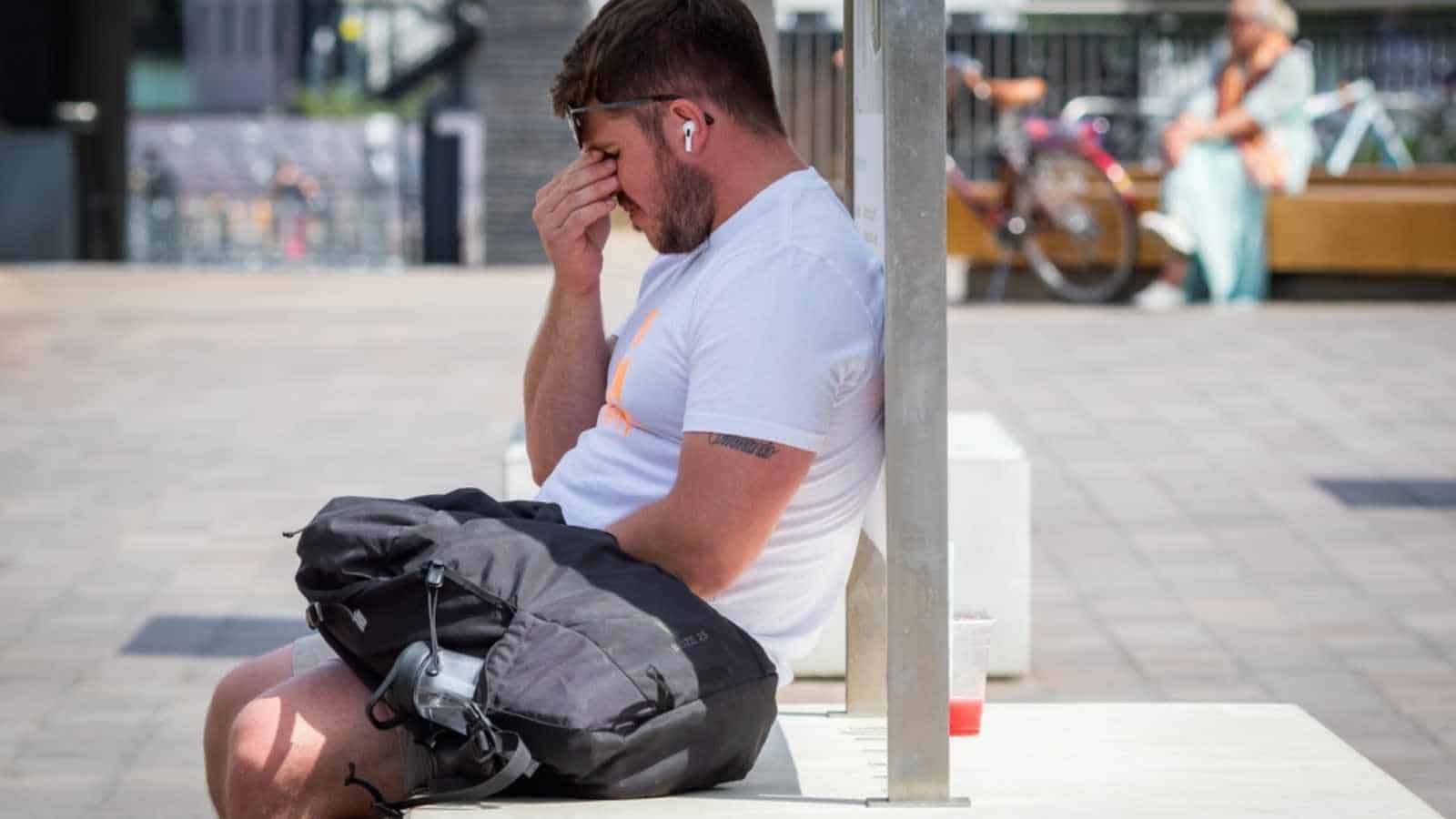
Every workout or physical job adds heat inside your body. Running, roofing, hiking, or mowing pushes you closer to your limit. Slow down before your body forces you to stop.
Move demanding tasks to early morning or evening when temperatures drop. Take regular breaks, find shade, wear loose clothing, and shorten your workload. Extreme heat isn’t a strength test because pushing harder can put your life at risk.
Starting a new outdoor job or returning after time away? Build your workload slowly and give your body time to adjust. Stop immediately if cramps, nausea, dizziness, weakness, or a pounding headache appear.
Find Real Cooling
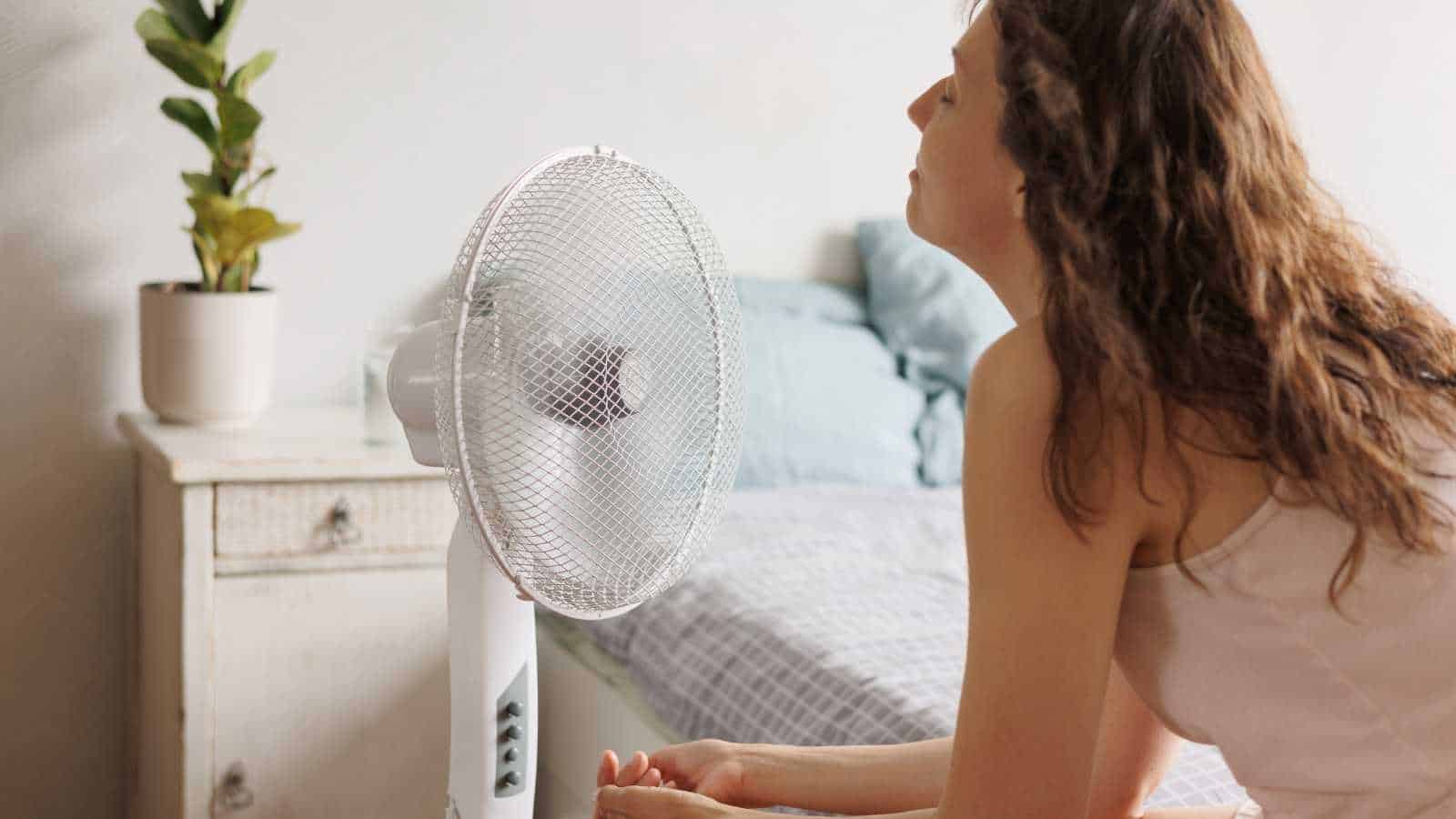
Air conditioning gives you the strongest protection from extreme heat, which can cause illness and become deadly. CDC reports that there are more than 700 heat-related deaths each year. If your home stays hot, check local cooling center hours and head to a library, mall, or community building before temperatures peak.
Fans can trick you into feeling safer than you are. Close your curtains early and spend the hottest hours in the coolest room available.
A power failure can quickly ruin your cooling plan. If you rely on refrigerated medication or a powered medical device, arrange a backup cooling and charging location. Keep emergency contacts and transportation ready before you need them.
Know When Discomfort Becomes Danger
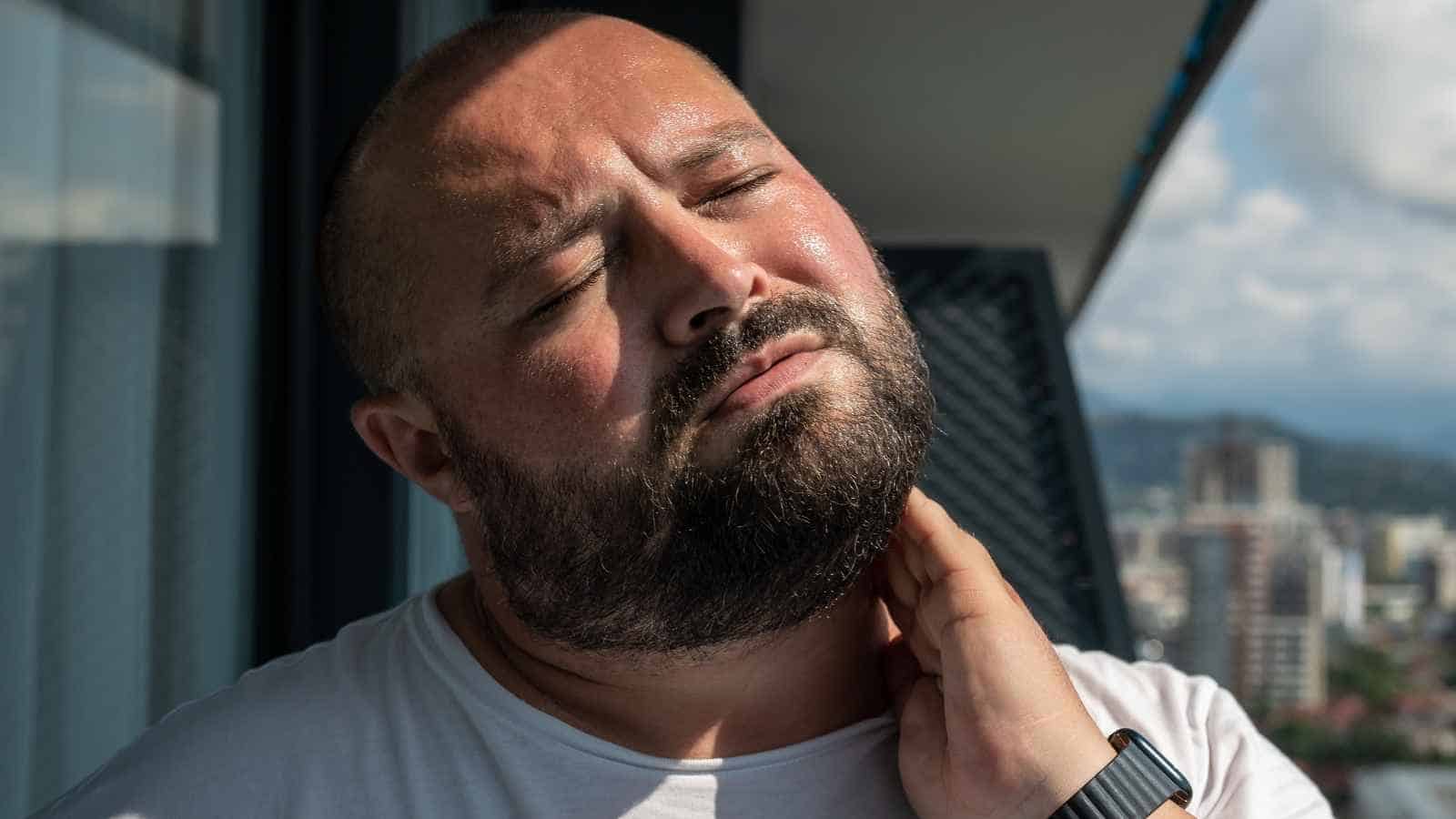
Heat exhaustion can cause heavy sweating, thirst, nausea, cramps, weakness, dizziness, or clammy skin. Move into a cool space, loosen extra clothing, and apply cool, wet cloths. Sip water slowly if you remain alert and can swallow safely.
Heat stroke is different, and it can kill you. Confusion, fainting, seizures, poor coordination, or sudden behavior changes mean you should call 911 immediately. Begin cooling while help is coming, but never force water into someone who can’t swallow.
Danger doesn’t always arrive beneath dark storm clouds. The sky may stay beautifully blue while your body quietly loses its ability to cope. Pay attention early because silent danger can become fatal fast.
Key takeaways

Extreme heat can strike places you don’t normally associate with dangerous temperatures. California, Nevada, Utah, Colorado, Wyoming, Idaho, Montana, North Dakota, and South Dakota all faced serious heat concerns during the July event. Hot nights can become especially dangerous because your body loses its chance to cool and recover.
You can lower your risk by drinking water before you feel thirsty, reducing physical effort, and spending the hottest hours in an air-conditioned space. Watch for early signs such as cramps, nausea, dizziness, weakness, and heavy sweating. If confusion, fainting, seizures, or poor coordination appears, call 911 and begin cooling immediately.
Your preparation shouldn’t stop with checking the temperature on your phone. Find a nearby cooling location, plan for power loss, and check on older relatives or neighbors who live alone. A few simple decisions made before the heat peaks could save a life.
Disclaimer – This list is solely the author’s opinion based on research and publicly available information. It is not intended to be professional advice.
Like our content? Be sure to follow us