13 reasons America’s dependence on cars is becoming a growing problem
Getting behind the wheel once represented the ultimate American dream of open roads, swift travel, and total personal freedom. Today, that sweet promise feels more like a costly daily grind filled with bumper-to-bumper traffic, soaring repair receipts, and endless fields of hot asphalt.
Most of our modern communities were constructed exclusively around four wheels instead of two feet, trapping millions of everyday citizens in an exhausting cycle where owning a personal vehicle is the only viable way to live, work, and survive. That stark reality is taking an increasingly heavy toll on our monthly wallets, our long-term physical well-being, and the social fabric of our local neighborhoods.
Findings from AAA’s Your Driving Costs analysis show that owning and operating a new vehicle now costs $11,577 per year, or about $965 every month. Breaking down why this deep-rooted automotive addiction is fracturing our pockets and communities reveals clear, undeniable evidence that our streets desperately need a radical rethink.
Decreased Mobility Excludes Non-Drivers

When entire regions require a personal automobile to navigate daily life, people who cannot or choose not to drive face severe social, physical, and economic barriers. Seniors, teenagers, individuals with physical disabilities, and those who simply cannot afford a vehicle often find themselves stranded at home.
Relying entirely on private automobiles creates two distinct classes of citizens based strictly on mobility access. Without affordable public transportation networks or safe walkable streets, non-drivers struggle to access job opportunities, medical facilities, and social gatherings independently.
Rising Ownership Costs Strain Household Budgets

Buying, fueling, and maintaining a personal automobile in America has quietly morphed into a massive financial burden for normal working families. Between skyrocketing insurance premiums, unpredictable gas prices, routine maintenance, and high-interest auto loans, vehicle owners are watching their hard-earned paychecks disappear into their driveways month after month.
The total annual cost to own and operate a new vehicle surged to $11,577, or just over $965 every single month. Managing personal finance options becomes extraordinarily tough when a required commuter car swallows such a huge portion of household earnings.
Traffic Fatalities Claim Too Many Lives
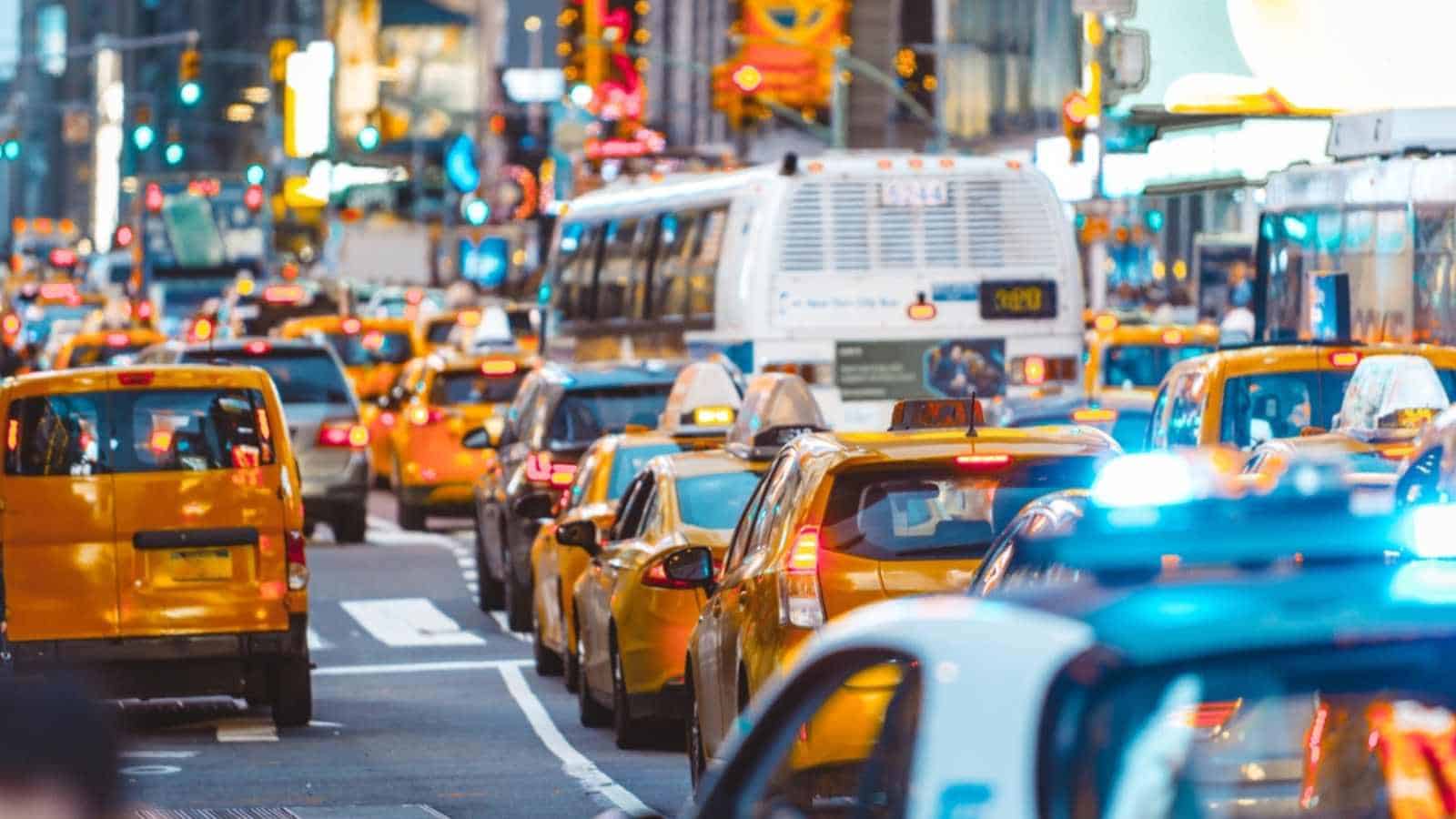
Our heavy dependence on personal vehicle travel turns daily routines into risky adventures on wide asphalt thoroughfares. High-speed roadways are frequently cut directly through suburban neighborhoods, forcing pedestrians, cyclists, and motorists to share crowded spaces that leave virtually zero margin for ordinary human error.
The scale of this public safety crisis remains staggering across towns and cities nationwide. Early estimates from NHTSA indicate 39,345 Traffic Fatalities in 2024, indicating that motor vehicle crashes claimed 39,345 lives on U.S. roadways in a single year.
These preventable tragedies highlight the steep human cost of constructing transit networks around fast-moving automobiles instead of fundamental human safety.
Transport Emissions Drive Climate Damage
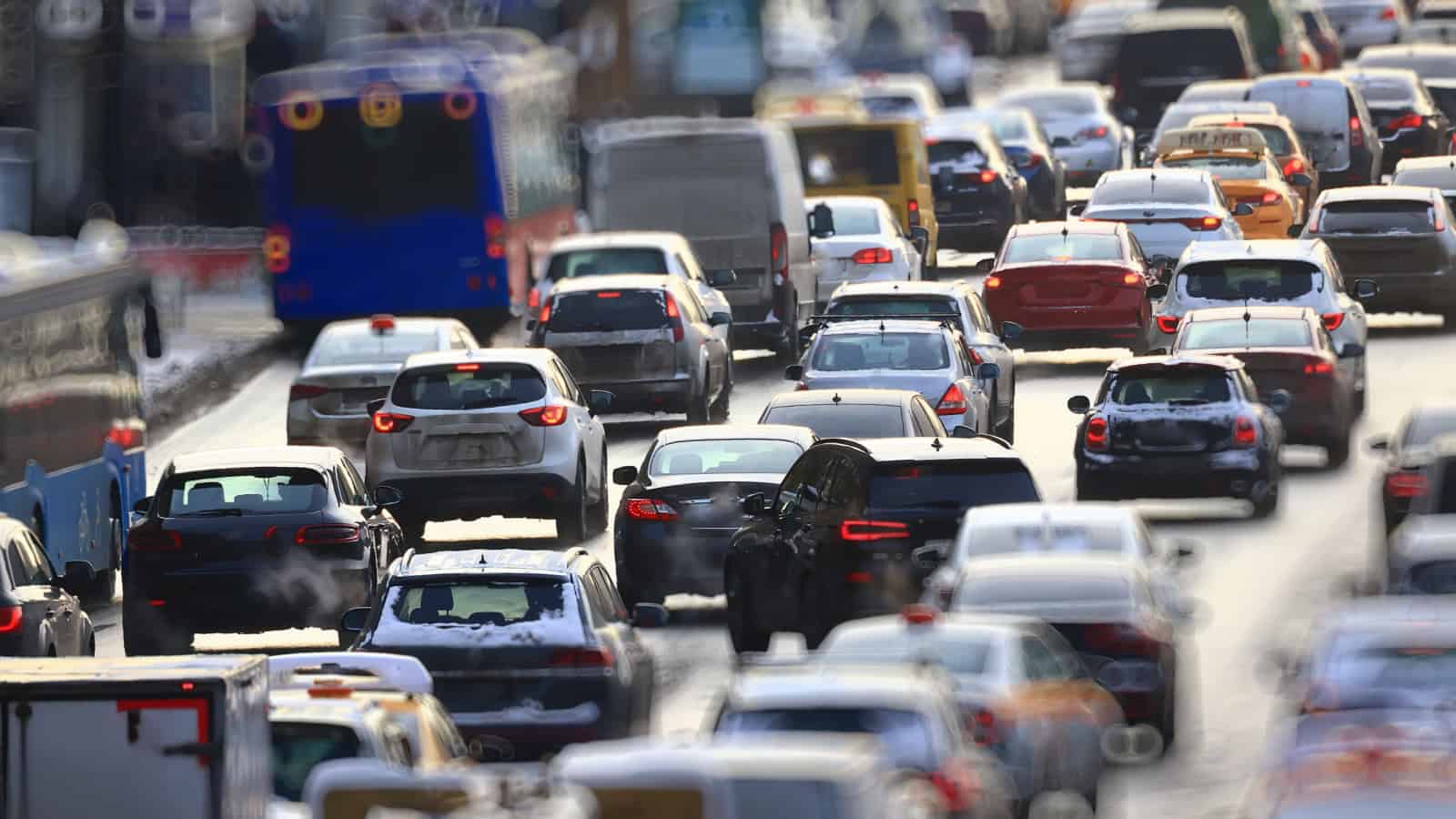
Tailpipes across the country release a steady stream of toxic carbon emissions every minute of every single day. Because alternative transportation options like light rail or bike paths remain extremely scarce in most suburban areas, millions of daily commuters have no choice but to idle in heavy rush hour traffic while burning through precious fossil fuels.
EPA data from Transportation Sector Emissions shows that transportation accounts for about 29% of total U.S. greenhouse gas emissions, the largest share of any sector.
That high percentage makes transportation the single largest economic contributor to atmospheric pollution in the United States. Shifting away from solo vehicle trips is absolutely essential if we want to clean up our skies and protect local ecosystems.
Gridlock Steals Hours of Daily Life

Sitting stuck in heavy traffic congestion isn’t just frustrating; it steals precious hours that could otherwise be spent resting at home, cooking dinner, or relaxing with loved ones. As suburban development spreads further outward, major highway corridors quickly choke under the weight of thousands of commuters traveling identical routes at identical times.
The aggregate time lost to daily traffic jams adds up to an incredible waste of personal energy and economic productivity.
Research from the INRIX Global Traffic Scorecard 2025 reports that the typical American driver lost 49 hours to congestion in a single year, with an estimated $894 in lost time per person. Those lost hours sitting on red brake lights represent irreplaceable moments of life we never get back.
Transportation Expenses Burden Household Budgets

For lower-income households, owning a vehicle isn’t a luxury; it is a mandatory expense just to hold down a job. When reliable public transit options are completely absent from a region, families are forced to prioritize auto loan payments, mandatory car insurance, and gas above other vital life necessities.
Federal spending data highlighted in BTS Transportation Economic Trends shows transportation remains one of the largest household expense categories, second only to housing in many budgets. Sticking to a balanced family budget is nearly impossible when unexpected mechanical breakdowns can wipe out emergency savings in a single afternoon.
Sedentary Commutes Harm Public Health

Spending hours trapped in a car seat replaces natural physical movement with passive sitting, contributing directly to widespread chronic health challenges like obesity and heart disease.
When neighborhoods lack basic sidewalks, crosswalks, or nearby shops, simple errands like fetching fresh bread or grabbing a light breakfast require a motor vehicle trip instead of a pleasant walk.
National maps from Adult Physical Inactivity Data show that roughly 25.3% of American adults report no leisure‑time physical activity, meaning more than one in four people miss out on the health benefits of regular movement. Replacing active walking with passive vehicle travel undermines long-term physical vitality and overall health across entire communities.
Solitary Commuting Widens Social Distance

Car-dependent infrastructure isolates individuals inside private metal bubbles during their daily routines, cutting off spontaneous social interactions with neighbors and community members.
Instead of sharing a quiet train ride or strolling down a lively main street, drivers spend hours reacting to stress, road rage, and traffic delays in total isolation.
Findings from Drive Alone to Work show that 69.2% of U.S. workers age 16 and older travel to work driving alone. This ingrained habit of solitary travel reduces valuable opportunities for genuine human connections and healthy civic engagement.
Urban Sprawl Consumes Natural Green Spaces

As cities expand continuously outward to accommodate massive parking lots and multilane expressways, beautiful forested areas and fertile farmland disappear under thick layers of dark asphalt. This continuous outward growth forces residents to drive even further distances just to accomplish basic daily tasks like visiting friends or grabbing groceries.
Evidence summarized in How Walkable Cities Benefit Communities shows that more walkable, human-scaled areas can reduce car dependence, boost local business, and protect green space. Transforming open natural landscapes into vast asphalt fields creates intense heat islands and permanently destroys vital local ecosystems.
Road Maintenance Costs Drain Public Funds
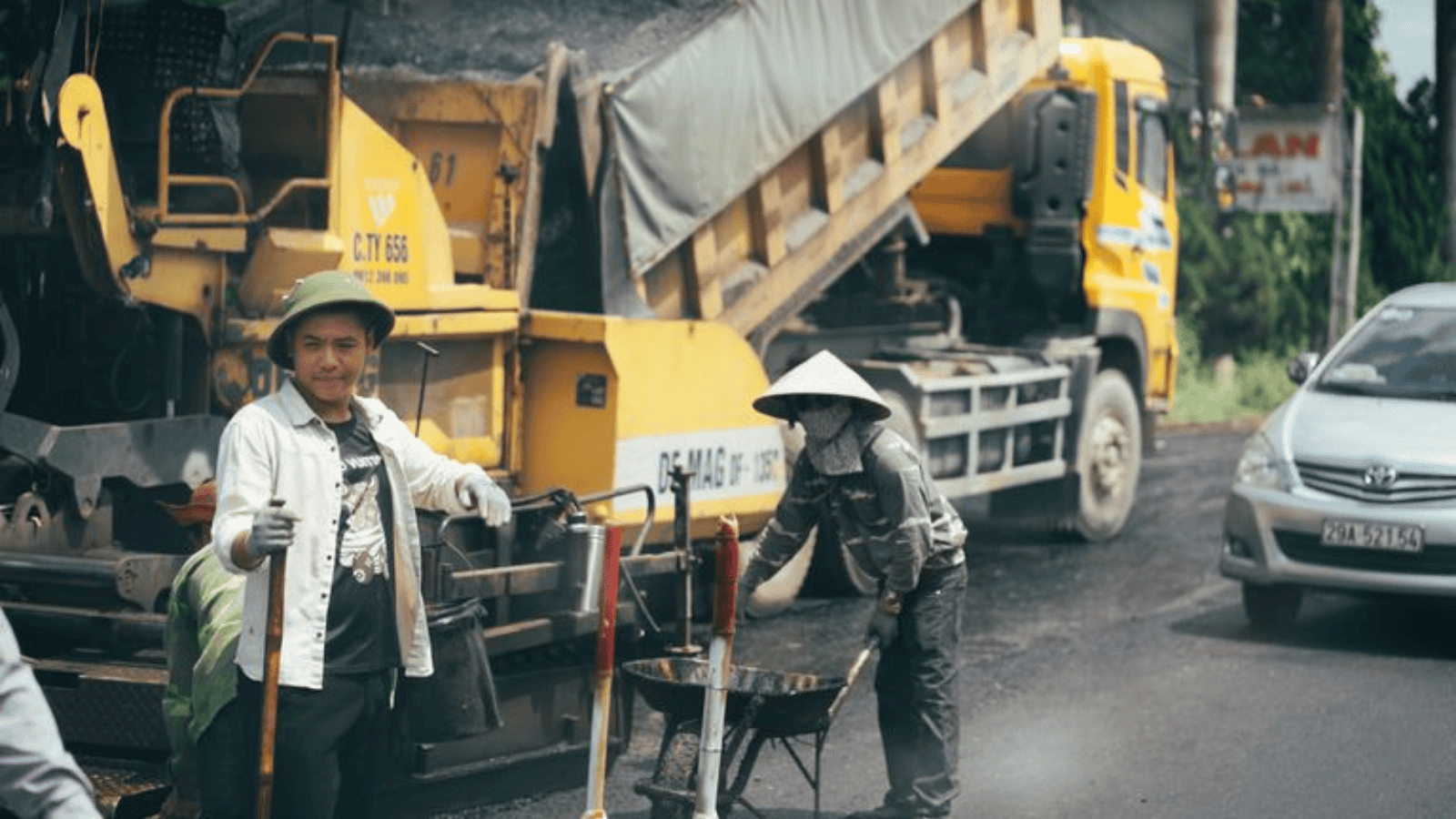
Maintaining thousands of miles of local roads, multi‑lane highways, and concrete overpasses creates an unending, multi‑billion dollar financial commitment for state and local governments.
Taxpayer dollars that could otherwise fund public schools, community parks, or public libraries end up constantly diverted toward patching potholes and resurfacing highways.
Heavy passenger vehicle traffic causes constant wear and tear that quickly outpaces municipal repair capabilities. As suburban road networks deteriorate much faster than road crews can fix them, cities fall deeper into infrastructure debt just to keep basic daily traffic moving.
Noise Pollution Degrades Quality of Life

The constant roar of combustion engines and highway traffic creates a harsh background noise that severely impacts millions of residential neighborhoods. Acoustic pollution from rushing tires, loud mufflers, and blaring horns disrupts sleep patterns, elevates stress hormones, and degrades overall neighborhood serenity.
Living directly alongside busy arterial roadways exposes families to persistent noise levels that hinder outdoor relaxation, quiet conversation, and mental rest. Studies on acoustic environments show that high traffic noise impairs cognitive development in growing children and increases long-term cardiovascular stress for nearby residents.
Parking Infrastructure Consumes Prime Real Estate
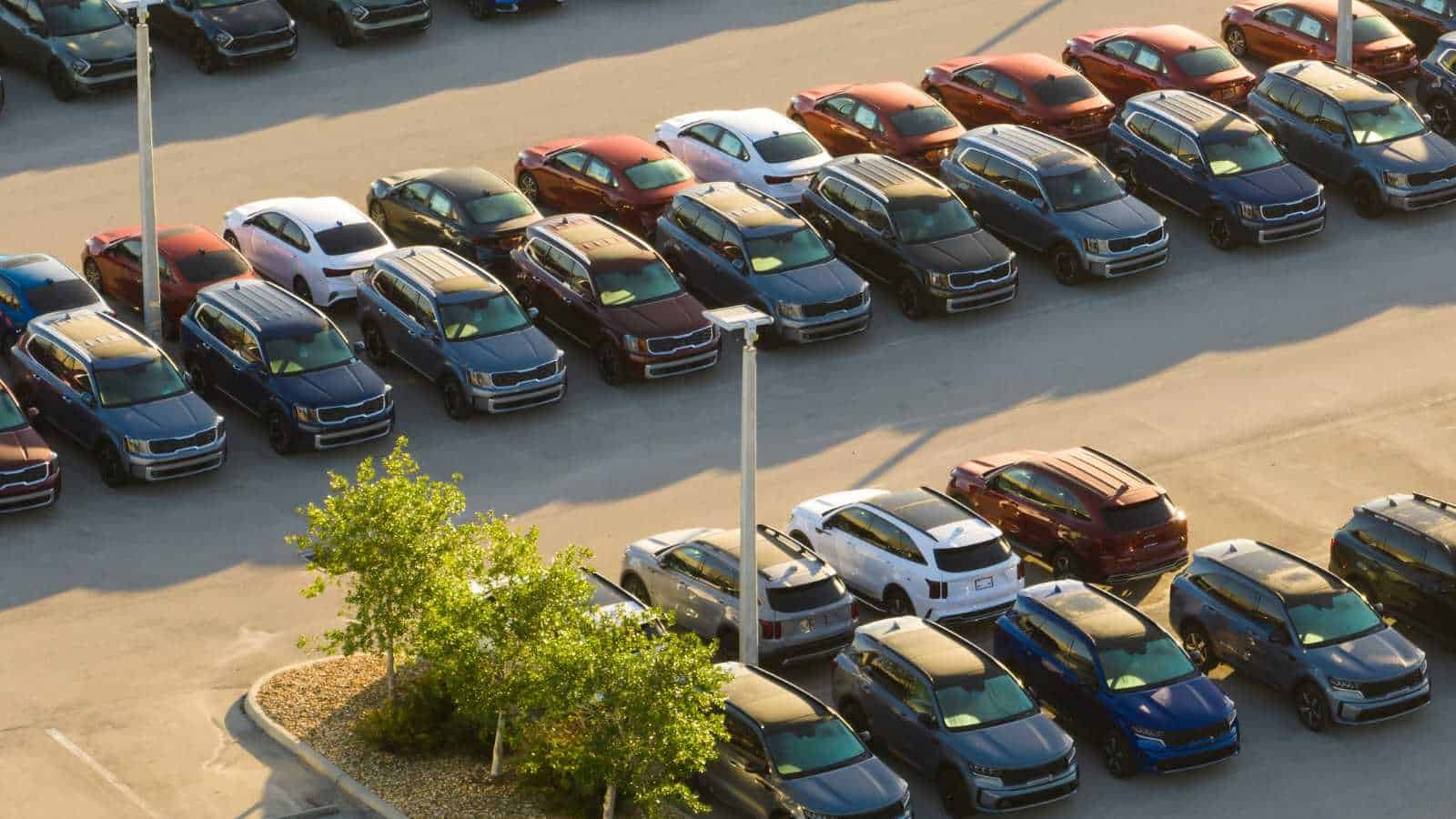
Vast paved parking lots cover massive portions of American downtowns, turning valuable urban land into empty, unproductive concrete fields. These oversized storage spaces for idle vehicles displace potential housing units, local retail shops, and vibrant public parks that could enrich community life.
Analysis shows that people‑oriented, walkable streets generate more tax revenue and economic value per acre than car‑oriented layouts dominated by parking. Because average passenger cars sit parked for roughly 95% of their operational lives, cities sacrifice immense economic potential simply to store private property.
Compounded Financial Stress Disrupts Life Goals

The relentless financial obligation of financing, fueling, insuring, and maintaining personal vehicles drains extra capital that families could otherwise invest in higher education, homeownership, or emergency savings. Over time, this constant outlay of cash restricts upward economic mobility for millions of hardworking households.
When personal transportation constantly consumes such a large slice of monthly income, extra personal financial choices become tightly constrained. Diverting hard-earned income toward rapidly depreciating mechanical assets prevents families from building long-term financial security and achieving major life milestones.
Key Takeaways

America’s deep reliance on automobiles extracts a heavy toll on our personal finances, public safety, physical wellness, and environmental stability. Rebuilding our towns around walkable streets, reliable transit, and human-scaled neighborhoods offers a path toward a safer, healthier, and more connected future.
Disclaimer – This list is solely the author’s opinion based on research and publicly available information. It is not intended to be professional advice.
Like our content? Be sure to follow us