France sees 1,000 more deaths as extreme heat breaks records
A sudden, brutal heatwave has turned European cities into literal ovens, leaving a trail of devastation. It’s a terrifying wake-up call for a continent that’s simply not built for these extreme temperatures. France’s public health agency has reported at least 1,000 excess deaths in just five days as a record-shattering heat dome settled over the country.
The silent killer inside European homes

The spike in deaths wasn’t just a minor statistical bump; it was an absolute catastrophe for vulnerable citizens. Between June 24 and June 28, daily fatalities jumped from the seasonal norm of 900 to over 1,400 on Thursday and Friday. About 85% of those who lost their lives were aged 65 or older, proving once again that the elderly bear the heaviest burden of extreme heat.
Shockingly, the sharpest increase in deaths didn’t happen in hospitals, but right inside private homes. The Île-de-France region, which includes Paris and its suburbs, was hit incredibly hard by this tragic trend. It’s a grim reminder of how dangerous isolation and profound loneliness can be during a climate emergency.
The physical setup of Parisian apartments turned simple living spaces into dangerous traps. Zinc roofs and dense stone walls, designed to keep apartments cozy in winter, ended up absorbing and trapping heat. Without residential air conditioning, residents had no escape from the relentless heat.
How the human body reaches its limit

The human body can handle a lot of stress, but extreme heat eventually breaks down natural defenses. Dr. Agnès Ricard-Hibon, a spokesperson for France’s emergency units, noted that the body easily adapts during the first few days of a heatwave. But after a certain point, the ability to adapt is completely exceeded, and health rapidly declines.
The problem gets much worse when nighttime temperatures stay incredibly high. Parts of France endured tropical nights in which the mercury didn’t drop below 30 degrees Celsius, preventing the body from recovering from daytime heat. When the night offers no relief, cardiovascular strain escalates, and silent heat stress turns lethal.
Hospitals in Paris quickly reached a breaking point amid a sudden surge in patients. Public emergency rooms treated nearly 3,000 heat-stressed patients daily, about a third more than normal. The crisis pushed local mortuaries beyond capacity, leaving funeral directors completely overwhelmed.
Zouhaeir Hertelli, a Parisian funeral director, described a truly catastrophic situation. He received hundreds of calls daily and had absolutely no space left in his facilities. The rapid onset of high mortality completely saturated the city’s immediate post-mortem care capacity.
A continent-wide infrastructure meltdown

This wasn’t just a French disaster; the entire continent of Europe was buckling under the pressure. All-time national temperature records fell like dominoes over a single weekend. The blistering heatwave pushed temperatures above 40 degrees Celsius across multiple nations.
The extreme conditions triggered a cascade of failures across critical public systems. Highways cracked open, railway tracks warped from thermal expansion, and overhead power lines snapped. Even the power grid struggled, as low river flows forced nuclear plants to cut electricity generation.
Desperate for relief, people flocked to rivers and lakes, leading to a tragic rise in drownings. In France alone, at least 74 people have drowned since June 18. It shows how a lack of safe public cooling spaces can drive people to make risky choices.
The undeniable fingerprints of climate change
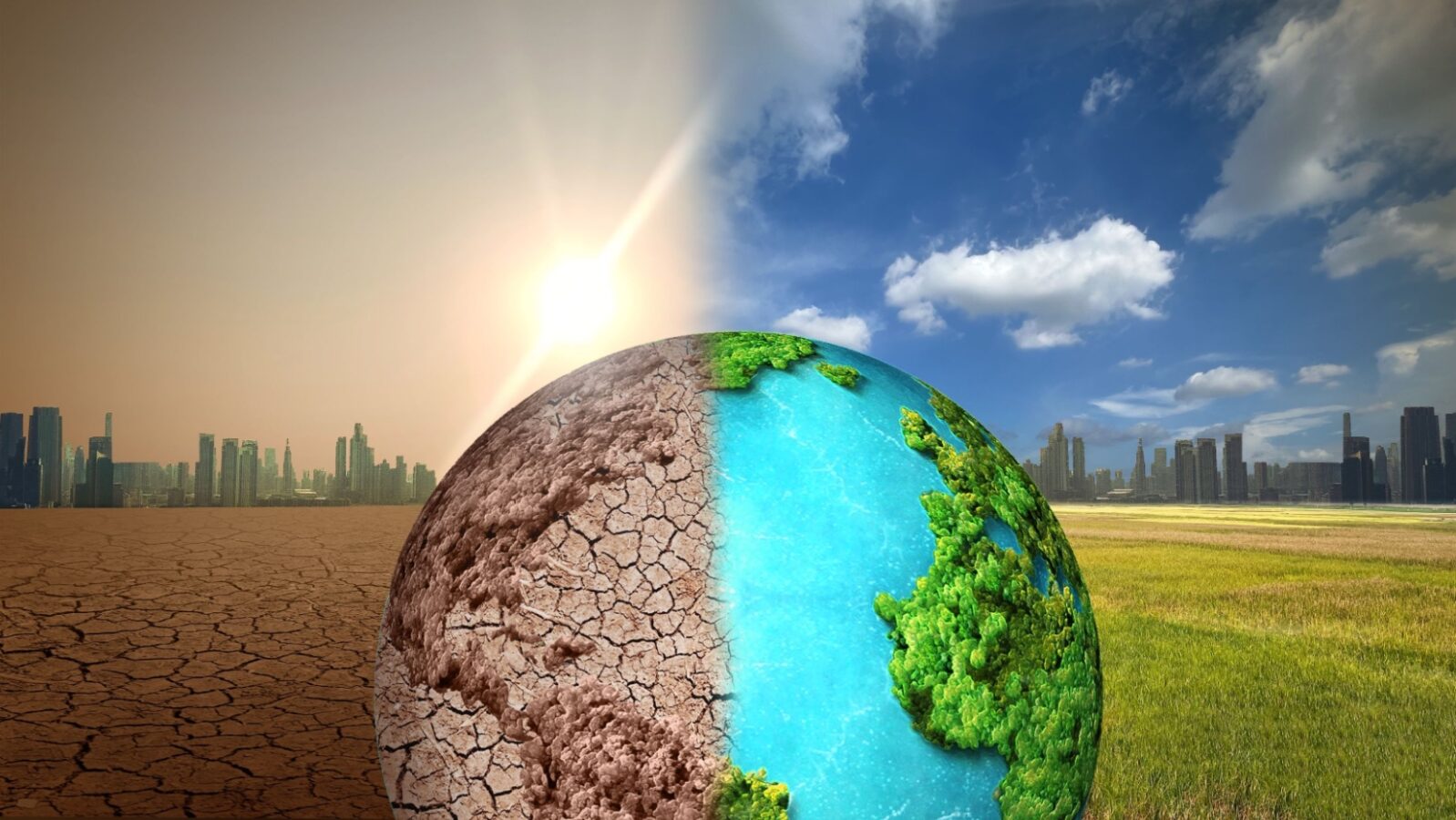
It’s tempting to brush this off as just a typical summer, but science tells a very different story. A rapid study by the World Weather Attribution group concluded that this heatwave was virtually impossible 50 years ago. Fossil-fuel emissions are directly responsible for making these extreme heat-stress events a regular occurrence.
The study also completely ruled out any influence from the El Niño weather cycle. The extreme heat was driven solely by global warming, which is warming Europe twice as fast as the global average. Europe is now the fastest-warming continent on Earth, and its old infrastructure is completely unprepared.
The contrast between the past and the present is incredibly stark. As climate expert Friederike Otto warned, scientists are tired of sounding like a broken record while emissions keep climbing.
The political backlash and future solutions

With the death toll rising, the French government is facing intense political heat of its own. Opposition politicians and climate activists have criticized authorities for a massive lack of preparedness. Critics point out that funding for the country’s Green Fund was slashed from €2.5 billion in 2024 to just €837.5 million in 2026.
In response, the government has scrambled to implement emergency measures. Prime Minister Sébastien Lecornu approved a €100 million emergency fund to buy 30,000 air conditioners for hospitals. Additionally, mail carriers are now checking on isolated seniors to make sure they’re staying hydrated.
But experts warn that temporary air conditioning is a double-edged sword. While it saves lives in hospitals, massive AC usage dumps heat outside and worsens the urban heat island effect. True resilience requires structural changes like green roofs, heat-resilient housing, and better urban planning.
What this extreme heatwave actually means for our future

The tragic events in France are a loud, clear warning for the rest of the world. Extreme heat is no longer just a seasonal nuisance; it’s a major, systemic health and economic threat. Unless cities adapt and global emissions decline, these summer records will continue to climb with devastating consequences.
Disclaimer – This list is solely the author’s opinion based on research and publicly available information. It is not intended to be professional advice.
Like our content? Be sure to follow us