How Curvy Women Are Redefining What Health Looks Like
Nearly 42% of American adults fall into the obese category according to the CDC. This staggering statistic has fueled a trillion-dollar diet industry and a medical system that often treats a high Body Mass Index (BMI) as a primary health failure.
However, as the national scale tips upward, a vital question has emerged: Is our definition of obese actually accurate, or are we missing a massive cohort of people who are heavy but metabolically thriving? By relying on a 19th-century height-to-weight ratio, we have overlooked the nuance of body composition, the protective power of muscle, and the biological reality of diverse body types.
A new generation of curvy women is challenging this narrative, proving that you can exist in a larger body while maintaining elite cardiovascular health and metabolic resilience.
Moving Beyond the BMI
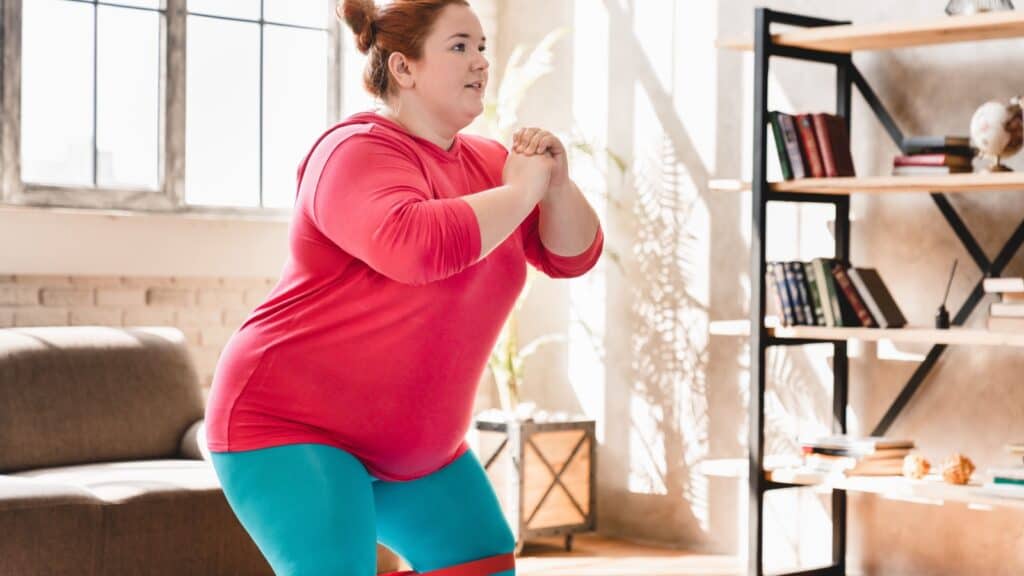
BMI is a century-old calculation that only considers height and weight, failing to distinguish between dense, metabolically active muscle and adipose tissue. For many active, curvy women, this often leads to being incorrectly labeled as overweight or obese despite having high muscle mass and low metabolic risk factors.
By focusing on body fat percentage (BF%) and lean muscle mass, individuals obtain a clearer, more accurate picture of their physical state. Modern sports medicine now agrees that maintaining muscle is a far better predictor of long-term health and mobility than simply losing weight.
The Pear Shape Advantage
Scientific research increasingly supports the idea that the where of weight distribution matters significantly more than the how much of total weight. Women with pear-shaped bodies, who carry weight primarily in their hips and thighs, actually possess a unique metabolic advantage that traditional charts ignore.
This subcutaneous fat acts as a metabolic sink, safely trapping fatty acids and preventing their accumulation around vital organs such as the liver and heart. This is a stark contrast to visceral fat, which is stored in the abdomen and is highly linked to chronic conditions like type 2 diabetes. Therefore, a curvy silhouette is often a sign of a robust and protective biological system rather than a health risk.
Prioritizing Functional Strength

Functional fitness has replaced the waif aesthetic as the primary goal for many women in the wellness community. Rather than exercising to shrink, women are now training to increase their power, endurance, and bone density through resistance training. This approach acknowledges that muscle is a longevity organ; it regulates blood sugar, supports joint health, and keeps the metabolism humming even at rest.
The Impact of Mental Health and Body Neutrality
Chronic dieting and weight stigma have been shown to increase cortisol levels, which can ironically lead to weight gain and poor metabolic outcomes. By removing the pressure to conform to a specific size, women can lower their stress levels and develop a healthier relationship with food and movement. Ultimately, this mental shift is the foundation of a lifestyle that is both physically sustainable and emotionally fulfilling.
Performance Over Appearance
From the explosive power of rugby players to the high-stamina requirements of distance runners and powerlifters, curvy women are proving that higher body mass can be a performance asset rather than a hindrance. This shift in visibility is crucial, as it provides a proof of concept for everyday women, demonstrating that a 176lb frame can be both muscular and highly agile.
Lost the Weight? Here’s What Comes Next for Your Skin
How Inclusive Fashion Fuels Fitness
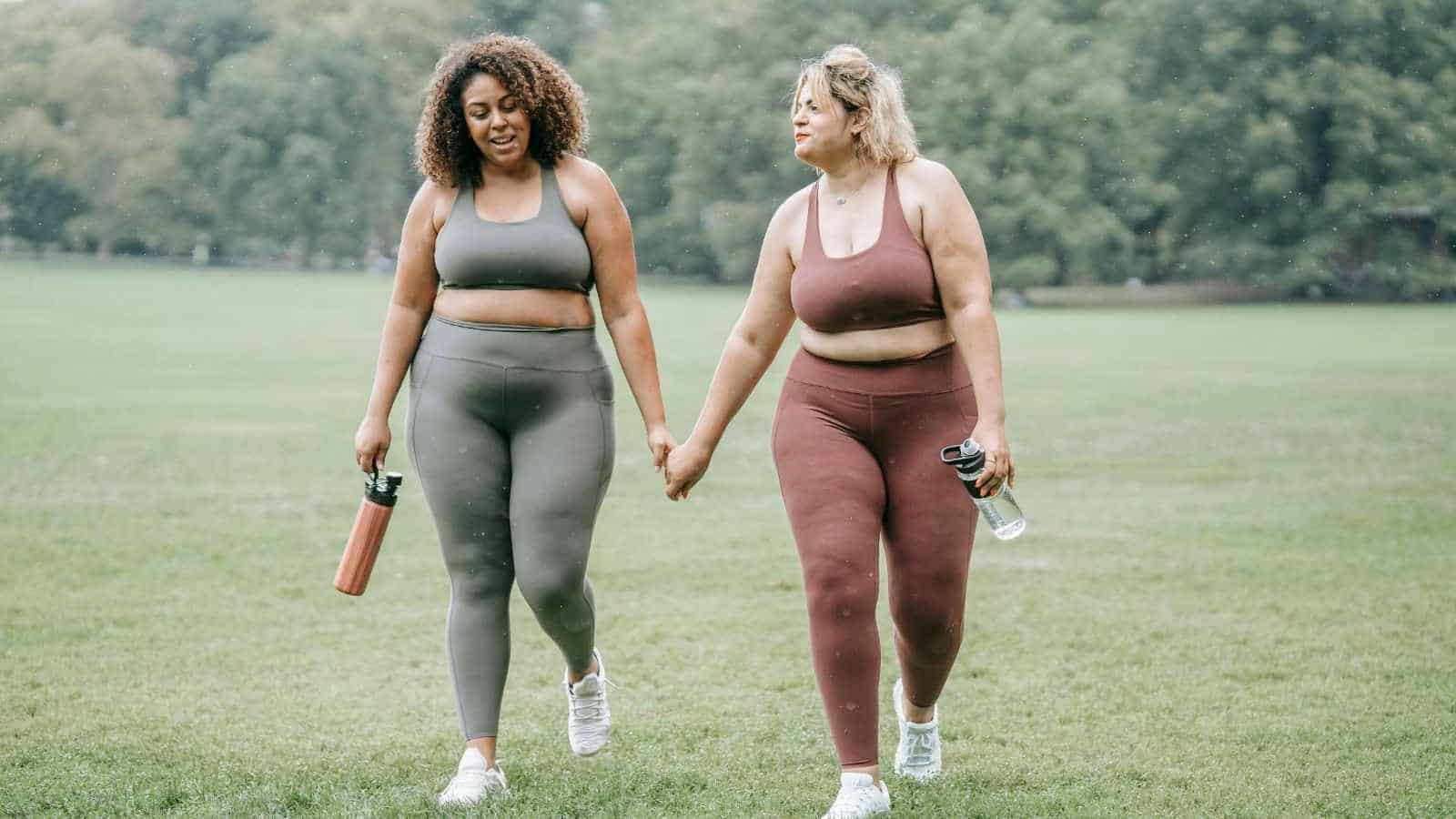
The explosion of high-performance brands offering sizes 1X through 7X is more than a fashion trend. When women have access to supportive, technical gear like high-impact sports bras and compression leggings that actually fit, they are statistically more likely to engage in vigorous physical activity. This visibility in the athleisure market has created a feedback loop where curvy women see themselves reflected as athletes, lowering the psychological barrier to entry at the gym or yoga studio.
Bio-Individual Nutrition: Fueling for Composition
The traditional 1,200-calorie diet is a relic of the past that often does more harm than good for active, curvy women. Instead of viewing food as a deficit to be managed, the new health paradigm treats nutrition as the literal building blocks for muscle mass and hormonal stability.
For a pear-shaped woman focused on body fat percentage, this means prioritizing a high-protein intake to repair muscle tissue while utilizing complex carbohydrates to fuel high-intensity performance. This bio-individual approach recognizes that a 176lb body with high muscle mass requires significantly more energy than a sedentary body of the same weight.
England plans to ban boiling live lobsters & crabs by 2030
Stubborn Weight
Curvy women are increasingly advocating for a deeper look at underlying factors such as PCOS (Polycystic Ovary Syndrome), insulin resistance, thyroid dysfunction, and perimenopausal hormonal shifts, all of which can cause the body to guard fat stores regardless of a calorie deficit. Furthermore, the role of chronic inflammation and the body’s primary stress hormone cannot be overstated; a body in a constant state of fight or flight will prioritize energy storage over muscle definition as a survival mechanism.
Longevity and the Power of Cardiovascular Vitality
Ultimately, the most reliable predictor of a long, vibrant life isn’t the size of one’s jeans, but rather their cardiorespiratory fitness (CRF). Extensive longitudinal studies have shown that individuals with high aerobic capacity have lower mortality rates, regardless of their BMI or body fat percentage. Curvy women are increasingly engaging in joyful movement such as swimming, dancing, or powerlifting- which prioritizes heart health and lung capacity over aesthetic changes.
Redefining the Ideal Body for Future Generations
This cultural pivot is essential for reducing the prevalence of eating disorders and body dysmorphia, which often stem from the pursuit of an unattainable, airbrushed physical ideal. When we celebrate a pear-shaped body for its metabolic resilience or a muscular frame for its functional power, we provide a healthier, more sustainable blueprint for adolescent development.
Key takeaways:
- Composition Over Calories: Health is defined by the ratio of muscle mass to body fat percentage ($bf\%$) and metabolic markers, rather than an arbitrary number on a $BMI$ scale.
- Function Over Aesthetics: True fitness is measured by capability and functional strength, what the body can do rather than how it looks in a mirror or a specific clothing size.
- Biological Individuality: A curvy or pear-shaped frame can be metabolically protective, and weight that seems stubborn is often a signal of underlying hormonal or physiological factors rather than a lack of willpower.
Disclosure line: This article was developed with the assistance of AI and was subsequently reviewed, revised, and approved by our editorial team.
6 tips for successful weight loss for women in 2025

6 Tips For Successful Weight Loss For Women in 2025
Successful weight loss for women often calls for an individualized approach, taking into consideration the unique physiological, psychological, and lifestyle factors that influence a woman’s weight. It’s not just about adopting a generic calorie-restricted diet or a strenuous exercise regime. Instead, it encompasses a holistic view of health, including balanced nutrition, regular physical activity, adequate sleep, and stress management.
In this article, we will walk you through a step-by-step guide to help you on your fitness journey and discuss how Ozempic may benefit your weight loss routine.