Misuse of prescription medication (especially weight-loss drugs) might lead to these 12 severe health consequences
The rapid rise of prescription weight-loss medications, particularly GLP-1 receptor agonists such as Semaglutide and Tirzepatide, has reshaped both the medical treatment of obesity and the global pharmaceutical market in less than a decade. Once largely confined to type 2 diabetes care, these drugs have expanded into mainstream weight management at a pace that has outstripped clinical supply systems, contributing to widespread shortages and pressure on global demand.
Estimates suggest that GLP-1-based therapies have become one of the fastest-growing drug categories in modern medicine, driven not only by clinical efficacy but also by increasing off-label and cosmetic demand. This surge has exposed a structural imbalance between pharmaceutical innovation, healthcare access, and regulatory capacity, in which demand growth has significantly outpaced manufacturing capacity.
Beyond market dynamics, GLP-1 drugs are also reshaping cultural interpretations of weight loss. By chemically altering appetite signaling and reward response, these medications disrupt traditional assumptions about discipline, effort, and visible lifestyle change.
As a result, they have introduced new tensions around authenticity, stigma, secrecy, and perceived fairness in weight transformation. Within this evolving landscape, concerns about misuse, improper dosing, and unsupervised access represent only one layer of a broader shift.
Severe gastrointestinal disruption from improper dosing

The physiological mechanisms of GLP-1 receptor agonists involve slowing gastric emptying, a process that, when accelerated by improper dosing, can trigger gastroparesis, or stomach paralysis.
Clinical data from the University of British Columbia indicates that users of these medications face a 3.67 times higher risk of developing severe stomach paralysis compared to those on other weight-loss treatments.
While manufacturers note that mild nausea is common, the escalation to cyclical vomiting and ileus, where the intestines cease all movement, represents a failure in dose titration often seen in off-label misuse. Dr. Mohit Sodhi, the lead researcher of the JAMA study on biliary disease, emphasizes that these events are not mere side effects but profound metabolic disruptions.
Interestingly, the high rate of gastrointestinal distress actually serves as a biological fail-safe against overeating, though this perspective is controversial as it prioritizes weight loss over systemic organ health.
Nutritional deficiencies from prolonged appetite suppression

Sustained caloric restriction via pharmacological intervention creates a scenario of malnutrition in the presence of plenty, in which the body loses weight but fails to obtain essential micronutrients.
Aggressive appetite suppression leads to significant drops in Vitamin B12, Iron, and Vitamin D levels, as the volume of food consumed is insufficient to meet daily requirements.
This is particularly prevalent in misuse cases where individuals skip meals entirely rather than following a nutrient-dense protocol. The Physiology of Taste by Jean Anthelme Brillat-Savarin famously notes that the destiny of nations depends on how they are fed; modern pharmaceutical suppression essentially bypasses this destiny by silencing the body’s chemical signals that govern survival.
The result is often telogen effluvium, sudden hair loss, and reduced bone density, as the body leaches minerals from the skeleton to maintain blood serum levels.
Gallbladder complications linked to rapid weight loss

The association between rapid fat mobilization and biliary sludge formation is well documented in bariatric medicine. When weight is lost at a rate exceeding two pounds per week, the liver secretes extra cholesterol into bile, which can crystallize into gallstones.
Randomized clinical trials indicate that the use of Glucagon-Like Peptide-1 Receptor Agonists (GLP-1 RAs), such as liraglutide and semaglutide, is associated with a significantly increased risk of gallbladder and biliary diseases. A comprehensive meta-analysis found a 37% higher risk (RR 1.37) of events such as gallstones (cholelithiasis) and gallbladder inflammation (cholecystitis) compared with control groups, with risks increasing at higher doses and with longer treatment duration.
It can also be argued that the gallbladder risk is a byproduct of weight loss rather than the drug’s chemistry, yet the speed of the pharmacological intervention outpaces the liver’s ability to process cholesterol flux. This creates a surgical paradox: patients lose weight to improve health only to require invasive surgery to remove a failing organ.
Pancreatic inflammation risk in susceptible individuals
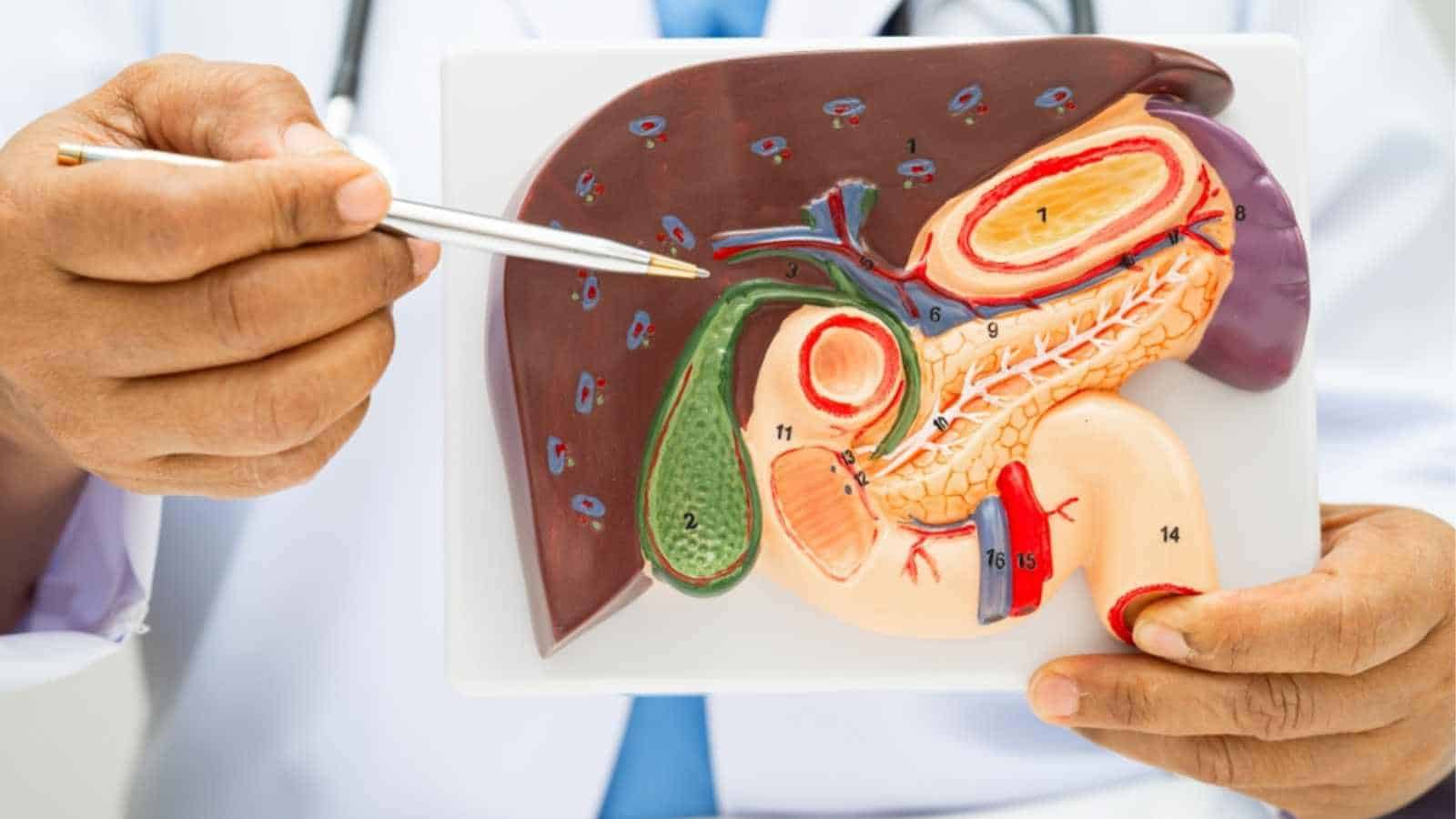
Acute pancreatitis is a life-threatening inflammation where digestive enzymes begin attacking the pancreas itself, a condition that has been linked to the misuse of incretin-based therapies. The FDA’s Adverse Event Reporting System has documented thousands of instances of pancreatic distress, leading to a permanent warning on most injectable weight-loss drug labels.
The mechanism involves overstimulation of pancreatic ductal cells, leading to blockages and subsequent inflammation. Alternatively, critics note that the absolute risk for the general population remains low, but the danger skyrockets in individuals with undiagnosed high triglycerides or a history of alcohol use.
This specific risk highlights the danger of obtaining these medications through gray-market sources or medical spas without prior blood work, as the pancreas has a very low threshold for chemical overstimulation before necrosis begins.
Cardiovascular strain in stimulant or high-dose misuse cases
Misusing weight-loss medications that contain sympathomimetic amines or high-dose hormones can lead to tachycardia and elevated blood pressure, placing a massive workload on the left ventricle. Even non-stimulant weight-loss drugs can increase resting heart rate by 1 to 5 beats per minute, which, while seemingly minor, increases the long-term risk of atrial fibrillation.
In cases of overdose or improper stacking of medications, the risk of a hypertensive crisis becomes acute. A competing view suggests that the cardiovascular benefits of weight loss, such as reduced strain from adipose tissue, outweigh these risks, but this ignores the immediate threat of cardiac remodeling in younger users who misuse these drugs for cosmetic reasons.
The balance between metabolic improvement and cardiac stress is a narrow corridor that is easily breached by unregulated dosing.
Loss of natural hunger cues and dependence on external regulation

Human biology relies on a complex feedback loop of ghrelin and leptin to signal hunger and satiety, a system that is effectively silenced by chronic medication use. When these drugs are misused, the brain loses its ability to interpret homeostatic hunger signals, leading to a state in which the individual no longer knows when they are actually hungry or full.
This creates a permanent reliance on the medication to manage intake. A 2025 study from the Perelman School of Medicine at the University of Pennsylvania, published in Nature Medicine, provided a rare, first-in-human glimpse into how medications like tirzepatide (Mounjaro/Zepbound) affect the brain’s reward center to quiet food noise, often only temporarily.
This pharmacological silencing turns a natural biological function into a managed utility, effectively alienating the individual from their own physical sensations and creating a cycle of dependency.
Anxiety around weight regain after stopping medication

The cessation of weight-loss medication is often accompanied by a phenomenon known as the rebound effect, in which the body aggressively attempts to return to its previous set-point weight.
Participants regain two-thirds of their weight loss within 1 year of stopping semaglutide. This biological reality creates a persistent state of hyper-vigilance and anxiety, as the user realizes their success is tied to a needle or a pill rather than sustainable lifestyle shifts.
This psychological burden is what social critics call biochemical tethering, where the fear of the scale dictates daily mood and mental health. Unlike traditional dieting, the weight regain following pharmacological intervention is often faster and composed of a higher fat-to-muscle ratio, further deepening the user’s despair and drive to resume the medication at any cost.
Emotional dependence on pharmacological control of eating

The shift from internal discipline to external chemical control can erode self-efficacy, leaving users feeling powerless without their prescription. This is a form of learned helplessness in the context of metabolic health. When the medication is the sole driver of success, the individual stops developing the coping mechanisms needed to deal with emotional eating or stress.
This dependence often mimics the patterns of substance use disorders, where the drug becomes a shield against the realities of a toxic food environment. While this may be true, some medical professionals argue that obesity should be treated like any other chronic disease, such as hypertension. This view is countered by those who believe that total reliance on a drug for behavior modification ignores the underlying psychological triggers of overconsumption.
Distorted relationship with food reward and appetite satisfaction

Weight-loss medications often work by dampening the brain’s reward centers, particularly the mesolimbic dopamine system, thereby reducing the pleasure derived from food. This is colloquially known as anhedonia for eating. While effective for weight loss, it can lead to a broader loss of joy in social and sensory experiences.
In his 19th-century treatise The Physiology of Taste, Brillat-Savarin argued that the pleasure of the table is universal, across all ages, conditions, and countries; however, modern pharmacology treats this pleasure as a pathology to be suppressed.
Some patients report that they no longer find any hobbies exciting, suggesting the drug’s effect on dopamine is not limited to food. This creates a hollowed-out existence where the goal of thinness is achieved at the expense of the ability to experience satisfaction, leading to a unique form of chemical depression.
Stigma around effortless weight loss and perceived unfair advantage

The rise of high-efficacy weight-loss drugs has birthed a new social friction regarding the authenticity of transformation. There is a growing cultural divide between those who lose weight through traditional labor, exercise, and diet, and those who use pharmacological assistance.
People who use medications are often judged more harshly, as their success is seen as a shortcut that lacks the moral virtue traditionally associated with weight loss. This stigma can lead to social isolation, as users feel their achievements are invalidated by the public’s perception of metabolic cheating.
Conversely, some advocates suggest that this technology democratizes health, yet the tension persists in a culture that still views body size as a reflection of character and willpower.
Secrecy and non-disclosure of medication use in social settings

To avoid the aforementioned stigma, many individuals resort to closet dieting, where they hide their medication use from friends, family, and even partners. This lack of transparency creates a barrier to authentic social connection and can lead to dangerous situations during a medical emergency.
In social dining scenarios, users may move food around their plates to simulate eating, leading to a performance of health rather than its reality. This secrecy is a psychological weight that matches the physical weight lost, creating a paradox: being thinner yet more burdened.
The lack of open dialogue also prevents the spread of accurate information about side effects, as users are too ashamed to admit they are experiencing complications from a drug they claim they aren’t taking.
Access inequality driven by cost, insurance coverage, and demand pressure

The exorbitant cost of these medications, often exceeding $1,000 per month, has created a metabolic class divide.
Those with high-tier insurance or significant disposable income can access these health-altering tools, while those in lower-income brackets are left with rising obesity rates and limited options.
This inequality is exacerbated by shortages, where off-label cosmetic users deplete the supply intended for those with clinical Type 2 diabetes.
High demand drives up prices, but in healthcare, this results in a priority crisis in which the most vulnerable are priced out of the market. This systemic failure ensures that the benefits of the latest medical breakthroughs are reserved for the elite, turning a public health tool into a luxury commodity.
Key takeaways

- Misuse and unsupervised use of prescription weight-loss drugs like GLP-1 receptor agonists can lead to serious medical complications, including gastrointestinal disorders, gallbladder disease, and rare but severe pancreatic inflammation.
- The effects of these medications extend beyond physical health, as they can alter natural hunger signaling, reduce appetite awareness, and create long-term reliance on pharmacological regulation of eating behavior.
- Rapid weight loss driven by these drugs can trigger psychological consequences such as anxiety about weight regain, emotional dependence on medication, and disrupted relationships with food reward and satisfaction.
- The rise of GLP-1 drugs has exposed significant social and economic inequalities, where access is shaped by income, insurance coverage, and geography, turning metabolic health into a stratified system.
- Beyond individual health risks, these medications are reshaping cultural perceptions of weight loss, creating tension around effort, authenticity, stigma, and the visibility of medical assistance in body transformation.
Disclaimer – This list is solely the author’s opinion based on research and publicly available information. It is not intended to be professional advice.
Like our content? Be sure to follow us