People reveal early red flags that suggest a child may grow into a terrible adult
Ever watch a kid do something so chilling you just knew they were bad news? I remember babysitting a neighbor’s six-year-old who looked me dead in the eye and dropped my brand-new phone into a glass of water, just to see my reaction. It wasn’t an accident. It was a test. While we usually write off bad behavior as “kids being kids,” psychologists suggest some actions signal deeper issues. IMO, ignoring these signs does everyone a disservice.
You do not need to panic over every temper tantrum, but persistent patterns matter. In fact, research from the National Institutes of Health indicates that approximately 40 percent of children diagnosed with Conduct Disorder grow up to develop Antisocial Personality Disorder.
Regular Cruelty To Animals Or Weaker Kids

Isolated roughness with a pet is common. Persistent, deliberate cruelty is different. ResearchGate data shows that children who are repeatedly cruel to animals are more likely to report a wide range of delinquent behaviors in adolescence and adulthood, including violence and property crime.
Animal cruelty and bullying together act as early behavioral markers of later delinquency risk, reflecting empathy deficits that are harder to change than ordinary misbehavior.
A Pattern Of Callous Unemotional Behavior

Callous-unemotional, or CU, traits are a cluster of behaviors such as a lack of guilt, shallow or flat affect, and low empathy. Longitudinal research published in the Journal of Adolescence shows that children with persistently high CU traits from as early as age 3 are at significantly higher risk for severe, chronic antisocial behavior, bullying, and later diagnoses like conduct disorder and antisocial personality disorder.
One review notes that CU traits are among the best early predictors of future psychopathic traits in adulthood and should be taken very seriously when they are stable over time, not just occasional.
Never Showing Guilt After Harmful Behavior

All kids test limits and sometimes lie. What worries clinicians is when a child consistently hurts others or breaks rules, gets caught, and shows no remorse, distress, or desire to repair the damage.
Frontiers’ study of preschoolers with high CU behaviors finds that they display less empathy, guilt, and moral regulation of their actions, and those traits remain more stable into grade school compared with other early behavior problems. This cold indifference is associated with later, more serious aggression, not just “strong personality.”
Chronic Bullying, Not Just Occasional Meanness
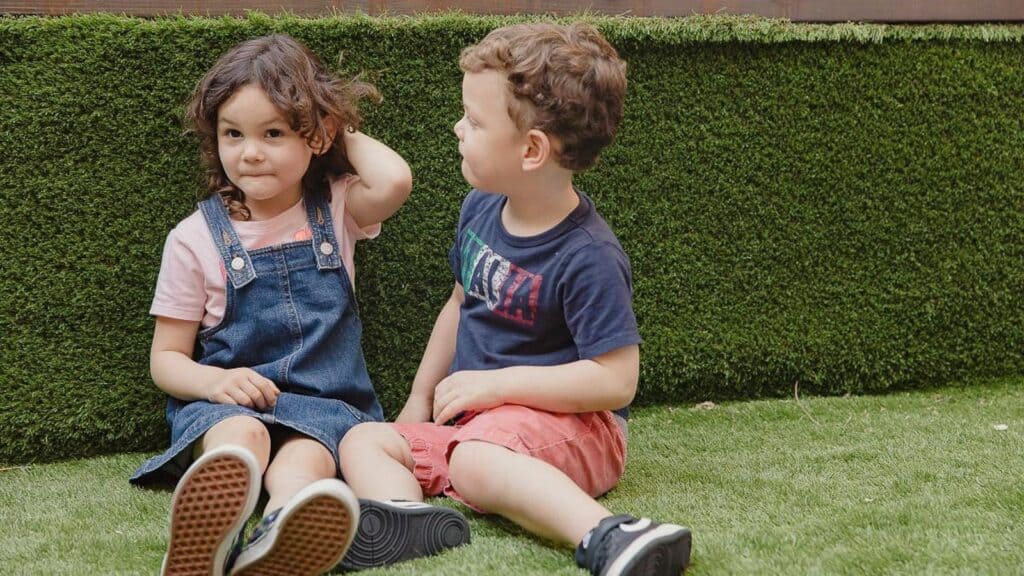
Bullying is widespread, but frequency and severity matter. A study published in the International Journal of Law and Psychiatry shows that repeated bullying behavior, especially when combined with other adversities, is linked to a greater risk of later depression, conduct problems, and criminal behavior.
Each additional childhood adversity increases the odds of bullying, with those exposed to 10 or more adversities having more than four times the likelihood of bullying others. When bullying is persistent, targeted, and paired with enjoyment of others’ pain, researchers see it as a serious warning sign, not just “kids being kids.”
Enjoying Others’ Distress Or Pain

Most children feel at least a little bad when someone is crying or hurt. A smaller group laughs, mocks, or appears excited by others’ distress, which CU research flags as a hallmark of callousness.
Adolescents with high CU traits anticipate less guilt and judge harmful acts as less wrong than their peers, suggesting a fundamentally different emotional response to others’ suffering. When a child repeatedly seems to delight in cruelty or humiliation, experts see this as a high-risk pattern for serious interpersonal problems later.
Persistent Lying, Stealing, and Rule Breaking Without Fear Of Consequences

Lying and stealing can be developmentally normal at certain ages, but persistent, sophisticated deception combined with disregard for consequences fits the picture of early-starting conduct problems.
A study published in the Journal of Abnormal Psychology of youth with early aggressive and rule-breaking behavior shows they are more likely to follow a “life course persistent” antisocial trajectory, with continued problems into adulthood, compared with later onset or situational rule breakers. When adults report that “nothing scares this kid, not even real consequences,” researchers pay attention.
Zero Empathy Over Time, Even With Warm Parenting

Temperament matters. Some toddlers are naturally more inhibited or less expressive, and empathy develops at different speeds. When a child shows very low empathy across multiple years, despite positive, warm parenting, their risk for later social and behavioral problems increases. Preschoolers who were rated high in callous-unemotional behaviors by parents had lower empathy and guilt and were more likely to continue to exhibit behavior problems into first grade.
Blaming Others For Everything, Never Taking Any Responsibility

Children who chronically externalize blame, “it is always someone else’s fault,” are at elevated risk for later aggression and relationship difficulties. Adolescents with strong CU traits and conduct problems often show a pattern of minimizing harm, denying their role, and rationalizing wrongdoing, which predicts continued antisocial behavior. While occasional defensiveness is normal, a solid refusal over the years to accept any part in conflicts is a red flag that goes beyond simple immaturity.
Controlling, Manipulative Behavior Toward Peers And Adults

Some children learn early that they can get what they want by emotionally manipulating others, using charm, threats, or guilt rather than direct requests. They seem unusually skilled at reading others’ vulnerabilities but use that insight to exploit rather than connect, a pattern reminiscent of adult psychopathy. When manipulation is chronic, calculated, and tied to a lack of remorse, it signals a higher-risk pathway than ordinary boundary-testing.
Aggression That Starts Very Early And Does Not Fade

Many toddlers hit or bite in frustration, but most improve with guidance. A subset of children begin serious aggressive behavior very early and continue well into school years.
“Early starting” aggressive children, especially those with CU traits, are more likely to develop severe conduct problems, substance abuse, and criminal records as adults. Clinicians see a combination of early onset and persistence across settings, home, school, and peers, as especially concerning.
Total Disregard For Rules That Protect Safety

Ignoring arbitrary rules is one thing. Repeatedly ignoring rules that protect safety, like running into streets, lighting fires, hurting animals, or playing with sharp objects, even after serious warnings, is another.
Research by the AAETS found that kids who mix high-risk taking with cruelty and low empathy are more likely to be involved in violence and self-destructive behavior later. When “no” never lands around safety and harm, experts recommend early evaluation.
A Home Environment Full Of Unaddressed Adversity

Sometimes the biggest red flag is not in the child but around them. The cumulative burden of childhood adversities such as harsh verbal abuse, parental incarceration, and sexual abuse has a strong, incremental effect on the likelihood of bullying behavior.
Kids who experienced three adversities already had about double the odds of bullying others, and those exposed to ten or more adversities had nearly five times the odds. While adversity does not doom a child, failing to address ongoing trauma and instability makes it far more likely that early red flags will solidify into harmful adult patterns.
Why Red Flags Are Warnings, Not Life Sentences

Across these studies, a few themes stand out. Early callous-unemotional traits and cruelty are among the strongest predictors of serious antisocial behavior, but they are influenced by both genetics and environment, including parenting. Importantly, a study published in the American Journal of Psychiatry found that warm parenting and consistent positive reinforcement can buffer even heritable risk for CU behaviors and reduce the likelihood of severe antisocial trajectories.
That means early red flags are exactly that, warnings that a child needs help, structure, and empathy skills, not labels that they are destined to become a “terrible adult.” When adults who work with kids talk about early warning signs, the science is clear. Persistent cruelty, lack of remorse, chronic bullying, and delight in others’ pain are never just “phases” to be laughed off. But catching them early, understanding the stress and temperament behind them, and putting in place evidence-based support can dramatically change the path a child eventually takes into adulthood.
Disclosure: This article was developed with the assistance of AI and was subsequently reviewed, revised, and approved by our editorial team.
Weight Loss Journal Ideas- How To Use Bullet Journaling To Lose Weight

Weight Loss Journal Ideas- How To Use Bullet Journaling To Lose Weight
Your weight loss journal doesn’t have to be anything fancy. You can start by just using a notebook and a pen. But if you want something a little more organized, you can use bullet point templates specifically designed for weight loss journals. Bullet journals are so hot right now!
You can use them to organize everything in your life, not just weight loss. But they’re perfect for weight loss because you can use them to track your progress and keep yourself accountable.
10 Cheapest Countries To Visit and Have a Great Time

10 Cheapest Countries To Visit and Have a Great Time
Without sugarcoating, traveling can be expensive, but that doesn’t always have to be the case. Various factors could influence how much you spend when on the move, but many expert travelers believe your choice of destination may determine how much you should be budgeting.
If you are looking for a lush, less dollar-gulping country with all the perks of unforgettable adventure, this list promises to hand you the fullness of your dream vacation without you first going broke.