The ethical cost of a bowl of pistachios, can we afford it?
A bowl of pistachios can look harmless on a coffee table, yet it quietly carries the weight of aquifers, migrant labor, and corporate power.
World Pistachio Day is supposed to be light and snacky, but there is a less cheerful truth hiding in that bowl on the coffee table. Behind the bright green kernels and “heart‑healthy” labels is a supply chain built on intensive water use, long‑distance shipping, and labor that is not always easy to trace or regulate. For a crop that now spans everything from small family orchards in the Mediterranean to industrial‑scale farms in California’s Central Valley, the question is no longer just whether pistachios are good for you. It is whether your pistachios are good for the people and places that grow them.
The invisible water in your snack
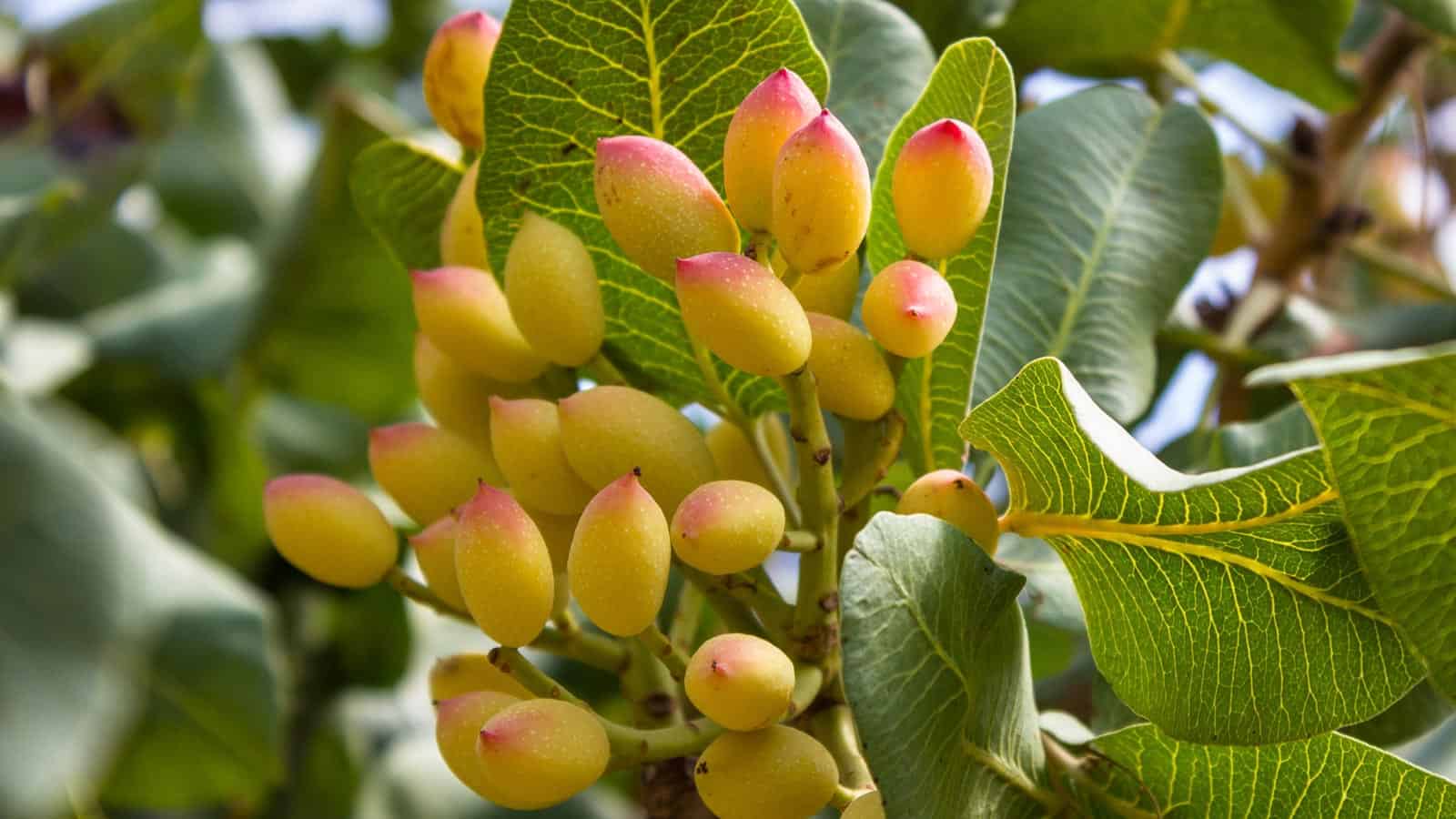
Pistachios have a reputation as “drought tolerant,” which is true in a relative sense: they can survive in conditions that would stress some other crops. But commercial pistachio orchards still require a lot of water, especially in hot, dry regions where most export‑bound nuts are grown. In California, where nearly all U.S. pistachios come from, trees draw on irrigation systems and groundwater in a state already grappling with over‑allocated rivers and sinking aquifers. When you scale that up across hundreds of thousands of acres, every bag of nuts carries a hidden water footprint that is far larger than most shoppers realize.
The ethical question is not simply, “Do pistachios use water?” It is, “What else could that water be doing?” In areas where local communities face well failures, groundwater contamination, or higher costs for drinking water, the decision to keep expanding thirsty orchards becomes a moral as well as economic calculation. An “ethical” pistachio is one grown in a system that takes long‑term water availability and community needs seriously rather than treating them as externalities.
Monoculture, land use, and climate risk
Pistachio trees are long‑lived; once planted, they can stay in the ground for decades. That makes them a high‑commitment choice for farmers and investors and encourages large, continuous blocks of single‑crop orchards. In regions like California’s Central Valley or parts of the Middle East, this can mean hundreds or thousands of contiguous acres devoted almost entirely to pistachios. Monoculture at that scale raises ethical questions about biodiversity, soil health, and resilience. When one crop dominates, local wildlife habitat shrinks, pests can spread more easily, and the entire system becomes more vulnerable to disease or extreme weather.
Climate change makes this worse. Pistachios need specific patterns of winter chill and seasonal timing to produce good yields. As temperatures rise and precipitation becomes less predictable, farmers may respond with more inputs—water, pest control, fertilizers—to maintain production. That can lock regions into a feedback loop where short‑term profit relies on practices that undermine long‑term environmental stability. Asking whether a pistachio is ethical means asking whether it comes from a landscape designed to weather that future or one being pushed to the breaking point.
Labor in the orchards
Pistachios do not harvest themselves. Large‑scale orchards use mechanical shakers and specialized equipment, but there is still plenty of human labor involved in pruning, maintenance, sorting, and processing. In many producing regions, that labor is carried out by seasonal and migrant workers who may face low wages, limited legal protections, and unsafe working conditions. Because pistachios are often processed and packed through multiple intermediaries before they reach a supermarket shelf, the people who did the hardest work are the easiest to overlook.
There is a growing consumer focus on fair trade coffee, cocoa, and bananas, but nuts—including pistachios—often escape the same level of scrutiny. That does not mean the issues are smaller; it usually means they are less visible. An ethical pistachio would come from operations that pay fair wages, provide adequate safety training and protective equipment, and allow workers to organize or raise concerns without retaliation. Without third‑party audits or certifications, consumers are asked to take those assurances on faith.
Who controls the green gold?
Another ethical layer sits at the level of ownership and power. In some regions, pistachios are grown by smallholders with a few hectares each; in others, they are dominated by large agribusinesses, investor‑backed orchards, or vertically integrated companies that own everything from the trees to the processing plants and export channels. When a handful of players control most of the acreage and the brand‑name marketing, they also control how benefits and risks are shared.
This concentration has ripple effects. Small farmers may be pushed into contract arrangements with little leverage on price. Communities may find that political decisions around water, land zoning, and infrastructure favor large pistachio operations over other uses. Even research and public messaging about pistachios—health benefits, environmental claims, “superfood” narratives—can be shaped by entities with a financial stake in expanding demand. Ethical consumption here means being aware that the smiling nut is also a symbol of who holds power in modern agriculture.
Cross‑border footprints and shifting supplies
Pistachios are a global commodity. Major producers include countries like the United States, Iran, Turkey, and others around the Mediterranean and Central Asia. Their relative shares of the market shift as political tensions, sanctions, droughts, and trade deals change the flow of nuts around the world. When a bag on a U.S. shelf says “Product of USA,” that tells part of the story; when it is labeled from elsewhere, it often reveals very little about how it was grown or who handled it along the way.
Ethical concerns look different from place to place. In some countries, political instability and sanctions have squeezed growers and workers while leaving consumers in richer markets largely insulated from the human costs. In others, environmental regulations may exist on paper but be poorly enforced. A genuinely ethical pistachio supply chain would not treat human rights, environmental standards, and transparency as optional extras that only apply when convenient or profitable.
Greenwashing and the limits of labels
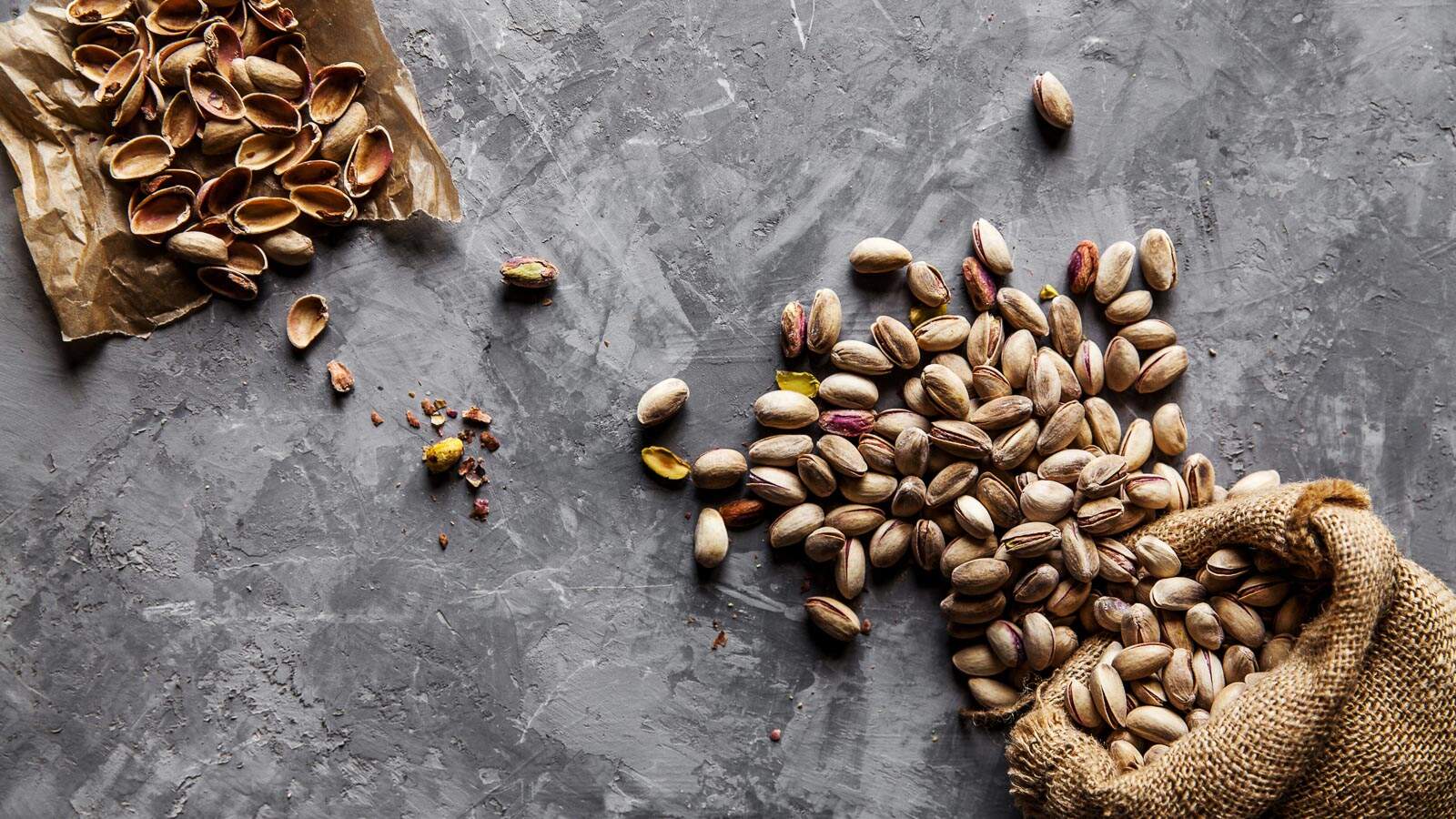
As consumers ask more questions, pistachio brands and trade groups have leaned into sustainability language. Packaging and ads tout efficient irrigation systems, carbon‑smart farming, or community investments. Some of these efforts are real and meaningful; others veer into greenwashing, where a few selective facts are used to mask ongoing problems. The average shopper has very little way to tell the difference.
Traditional “ethical” certifications—like organic, fair trade, or various sustainability seals—can help, but they are imperfect. Organic production might reduce pesticide use, for instance, while doing little to address water scarcity or labor conditions. A company may sponsor tree‑planting projects while expanding water‑intensive orchards in a drought‑stricken basin. Labels are a starting point, not a guarantee. Ethical pistachios would come with robust, independently verified reporting on water use, worker treatment, and environmental impacts, not just reassuring slogans.
What you can actually do as a consumer
If all of this makes a single handful of nuts feel like a moral exam, it helps to focus on what is within your control. As a consumer, you cannot rewrite water law or labor regulations, but you can nudge the system in better directions:
- Look for transparency. Brands that share specific information about where their pistachios are grown, how they are irrigated, and how workers are treated are at least opening themselves up to scrutiny. Vague language about “sustainably sourced” without details is a red flag.
- Prioritize certifications with teeth. Organic, fair trade, or region‑specific ethical labels are not perfect, but they provide a baseline. If you care about pesticides, choose organic. If you care about workers, look for fair‑labor or cooperative structures where available.
- Diversify your nuts. From an environmental perspective, it can be helpful not to rely excessively on a single high‑demand crop from one water‑stressed region. Rotating pistachios with other nuts or seeds spreads your footprint.
- Support policy and watchdogs. Ultimately, truly ethical pistachios require strong regulations and enforcement. Following and supporting groups that track agricultural labor, water policy, and environmental justice does more than swapping brands in the snack aisle.
So, is your pistachio ethical?
There is no simple yes or no. Many pistachios come from growers trying to balance environmental limits, economic survival, and community needs. Others come from systems that push landscapes and people harder than they should, then hide that reality behind heart‑shaped health icons and feel‑good marketing. The ethics of your pistachio live at the intersection of water, land, labor, and power—far beyond the nutrition label.
The most honest answer may be that your pistachio is as ethical as the questions you are willing to ask about it. Until companies and regulators make those answers easier to find, every cracked shell on World Pistachio Day is also a reminder that even the smallest snacks are part of much bigger stories.
Disclosure: This article was developed with the assistance of AI and was subsequently reviewed, revised, and approved by our editorial team.
Like our content? Be sure to follow us on MSN and Newsbreak
Water Shortages: A Crisis America Isn’t Ready For
Most Americans do not have to worry about running out of clean drinking water, but we should. We’re lucky now but might not be so privileged regarding water access in the future.
Water scarcity is a growing global concern that threatens the well-being of communities, economies, and ecosystems. As we face increasing pressure on our water resources, it’s crucial to understand the potential consequences and take action to mitigate them. Learn more.