World Athletics proves sport is never just a game
In a tiny Caribbean nation, a sprinting dynasty was born; in East Africa’s highlands, distance legends emerged—and together they turned a sporting event into a cultural epic.
The World Athletics Championships are more than a showcase of speed, strength, and stamina. They are a mirror of cultural pride, national identity, and even political ambition. Since the first Championships in Helsinki in 1983, nations have used the event not only to celebrate athletes but also to project power, unity, and inspiration. Let’s look at how different countries have used the Championships to shape more than just sporting history.
Jamaica’s Sprint Dynasty

For Jamaica, the Championships are inseparable from sprinting dominance. From Usain Bolt’s 9.58 second world record in Berlin in 2009 (World Athletics) to Shelly-Ann Fraser-Pryce’s multiple golds, Jamaica has turned sprinting success into a source of national pride. The island nation of under 3 million people consistently outpaces larger countries, proving that talent and culture can outweigh size. Track victories have become symbols of Jamaican resilience and creativity on the world stage.
Kenya and Ethiopia’s Distance Heritage

Kenya and Ethiopia have defined the 5,000m and 10,000m races for decades. Legends like Haile Gebrselassie and Kenenisa Bekele of Ethiopia and Kenya’s David Rudisha and Vivian Cheruiyot have made long-distance running an art form. Success at the Championships cements their reputations globally and inspires young runners at home to lace up and dream big. In both nations, running is not just sport—it’s tied to rural upbringing, school systems, and pathways to opportunity.
The United States and the Power of Depth

With the largest pool of athletes and resources, the United States often tops the medal table. Stars like Allyson Felix, who became the most decorated athlete in World Championships history with 20 medals, symbolize American athletic dominance and its deep sporting infrastructure. For the U.S., the Championships reflect not only personal excellence but also a system that cultivates talent across universities and pro leagues, reinforcing the nation’s global sporting reputation.
Japan 2025 Hosting as Soft Power

In 2025, Tokyo will welcome the World Athletics Championships, the first time Japan has hosted the event since 1991. Much like the 2020 Summer Olympics, this opportunity is more than a sporting event; it is global diplomacy. By showcasing efficiency, hospitality, and modern facilities, Japan uses athletics as part of its broader cultural export strategy. Hosting the Championships reinforces Japan’s image as a leader in international sports and soft power influence.
Emerging Nations Finding a Stage

Beyond established powers, smaller nations often seize the Championships to announce themselves. Athletes from countries like Qatar, Bahrain, and Grenada have won medals that elevated their countries onto the global stage. Kirani James of Grenada, for instance, turned a gold medal in the 400m into a national holiday back home. For these nations, one victory can transform international perception and ignite a new generation of athletes.
Politics on the Podium

The Championships are not free from political narratives. Nations sometimes use medals to send messages of unity or progress. For example, South African athletes like Caster Semenya have sparked debates around gender, identity, and fairness, forcing the global audience to reckon with broader human rights issues. Similarly, moments of protest or symbolic representation, though less frequent than in the Olympics, still ripple through the Championships as reminders that sport cannot be separated from society.
Inspiration Beyond Borders

Each medal, each record, and each unexpected victory sends ripples far beyond the track. Kids in Kingston, Addis Ababa, or rural Kenya may watch their heroes on TV and believe that they too could one day compete at the world’s highest level. The Championships become more than sport; they are inspiration, identity, and aspiration woven into national and cultural stories.
The Takeaway

The World Athletics Championships are not just about gold medals. They are about nations carving out identities, cultures expressing themselves, and athletes carrying the weight of their countries on their shoulders. From Jamaica’s sprinting pride to Japan’s soft power diplomacy, the Championships remain a stage where sport and society meet, and where every race is part of a much larger story.
Women and the US Open: 10 Moments That Changed the Game Forever
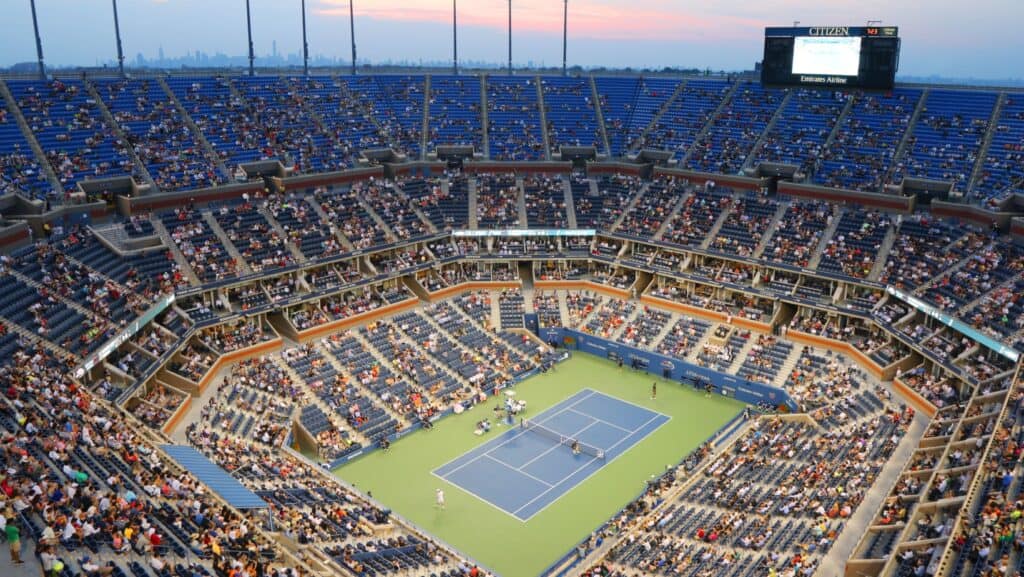
From Billie Jean King to Coco Gauff, the US Open has been at the forefront of gender equality in sports—leading the fight for equal pay and inspiring generations of champions.
READ: Women and the US Open: 10 Moments That Changed the Game Forever