10 Reasons Why Nobody Notices When Women Are Tired, According to Scientists
It feels like a universal truth for many women: you are running on empty, but no one seems to notice.
You juggle work, family, and personal commitments, feeling the weight of exhaustion with every step. Yet, your fatigue often goes unseen and unacknowledged. This isn’t just a feeling; it’s a phenomenon supported by scientific research. Societal expectations, psychological conditioning, and even biology contribute to masking female fatigue.
Let’s explore ten reasons, according to scientists, why women’s tiredness often goes unnoticed.
The “Effortless Perfection” Standard

Society often holds women to a standard of “effortless perfection,” the expectation to manage numerous responsibilities gracefully and without showing signs of strain. This pressure can compel women to hide their exhaustion.
A study published in Communication Studies found that women are often socialized to appear competent and in control at all times, making the admission of tiredness feel like a failure. This performance of capability means their genuine fatigue is intentionally concealed.
The Mental Load is Invisible

The “mental load” refers to the invisible, cognitive labor involved in managing a household and family. This includes remembering birthdays, scheduling appointments, planning meals, and worrying about everyone’s well-being.
Since this work is cognitive rather than physical, its draining effects aren’t obvious to others. Research published in the Journal of Marriage & Family shows that women carry a disproportionate share of this mental load, leading to significant, yet unseen, mental and emotional exhaustion.
Hormonal Fluctuations Are Dismissed

A woman’s energy levels are deeply connected to her menstrual cycle, perimenopause, and menopause. Hormonal shifts can cause profound fatigue. However, these biological realities are often dismissed by others—and sometimes by women themselves—as simple moodiness or something to be pushed through. This normalization of hormonally-driven fatigue means it’s rarely treated with the seriousness it deserves.
Emotional Labor is Expected

Emotional labor refers to the work of managing one’s feelings and expressions to fulfill the emotional demands of a job or social situation. Women are often expected to be the nurturers, the listeners, and the peacemakers in both their personal and professional lives.
This constant emotional regulation is incredibly draining. As sociologist Arlie Hochschild, who coined the term, explained, this type of labor is taken for granted as part of the female role, so the exhaustion it causes remains invisible.
Higher Pain and Discomfort Tolerance

A study published in eClinicalMedicine shows that women often exhibit a higher tolerance for certain types of chronic pain and discomfort compared to men. This resilience, while remarkable, can be a double-edged sword.
Women may be more likely to “power through” symptoms of fatigue without complaint, leading others to underestimate their level of exhaustion. Their capacity to function while tired becomes the baseline expectation.
The “Second Shift” is Normalized

The concept of the “second shift,” another term from sociologist Arlie Hochschild, describes the labor women perform at home after completing a full day of paid work. This includes cooking, cleaning, and childcare.
Gender Equity Policy Institute reports that women spend twice as much time as men, on average, on childcare and household work. Because this second shift is so deeply ingrained in societal norms, the resulting cumulative fatigue is often seen as a normal part of a woman’s life rather than a problem to be addressed.
The “Tend and Befriend” Response

While the “fight or flight” stress response is well-known, scientists like Dr. Shelley E. Taylor have identified an alternative: “tend and befriend.” This response, more common in females, involves nurturing offspring and seeking social connection during times of stress.
When exhausted, a woman might focus on caring for others or maintaining social harmony rather than withdrawing or showing overt signs of distress. This behavior effectively masks her own depleted state.
The Medical Gender Gap

Historically, medical research has predominantly focused on male subjects. This has led to a significant gap in understanding how various conditions, including fatigue, manifest in women.
Symptoms that don’t align with the male-centric model may be misdiagnosed or dismissed. Women’s complaints of tiredness are sometimes attributed to psychological issues like anxiety or depression rather than investigated for underlying physical causes.
Social Conditioning to Smile and Please

From a young age, girls are often socialized to be pleasant, agreeable, and accommodating. This conditioning can lead adult women to mask negative feelings, including tiredness, behind a smile.
The effort to appear positive and approachable, even when physically drained, prevents others from recognizing their true state. It’s a performance aimed at maintaining social comfort, but it comes at the cost of their own well-being.
Underdiagnosis of Sleep Disorders
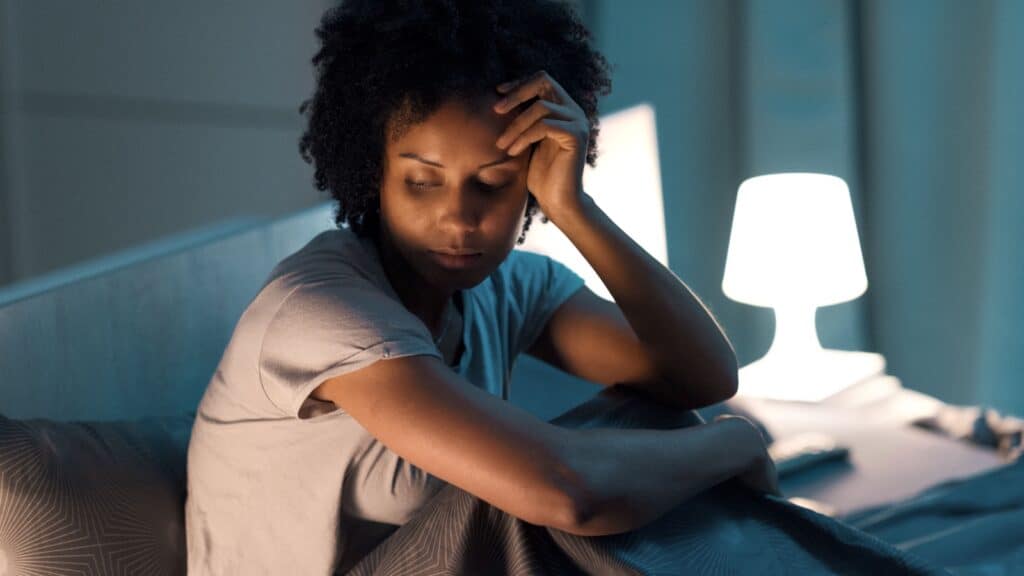
While sleep apnea is often associated with men, it is significantly underdiagnosed in women. According to the American Academy of Sleep Medicine, women may present with different symptoms, such as daytime fatigue, insomnia, and mood disturbances, rather than the classic snoring and gasping. Because their symptoms don’t fit the typical profile, they may not be tested for sleep disorders, leaving a major cause of their exhaustion unidentified and untreated.
Conclusion

The invisibility of female fatigue is a complex issue woven from the threads of societal expectation, psychological conditioning, and biological differences. From carrying the unseen mental load to navigating a medical system that has historically overlooked them, women face unique challenges in having their exhaustion recognized and validated. Acknowledging these factors is the first step toward creating a culture where rest is not a luxury or a secret, but a recognized and respected human need for everyone.
6 tips for successful weight loss for women in 2025

6 Tips For Successful Weight Loss For Women in 2025
Successful weight loss for women often calls for an individualized approach, taking into consideration the unique physiological, psychological, and lifestyle factors that influence a woman’s weight. It’s not just about adopting a generic calorie-restricted diet or a strenuous exercise regime. Instead, it encompasses a holistic view of health, including balanced nutrition, regular physical activity, adequate sleep, and stress management.
In this article, we will walk you through a step-by-step guide to help you on your fitness journey and discuss how Ozempic may benefit your weight loss routine.