11 realities of swiping as a girl that are low‑key brutal
Dating apps like to sell you a fairy tale: endless options, cute chats, maybe a soulmate hiding three swipes away. But if you’re a girl on these apps, the story usually comes with small print. Around 3 in 10 adults in the U.S. have tried online dating, so this is no longer a niche experience; it is part of everyday life. What is not so normal is how uneven that experience is.
Research from Pew shows that nearly half of people who use dating apps have faced at least one form of bad behavior, like unwanted explicit messages, continued contact after saying no, offensive names, or even physical threats.
This list walks through what swiping as a girl really looks like right now.
You Get Harassed Just For Existing

You say “no thanks,” and some people act like that is the beginning of the story, not the end. Pew Research found that 6 in 10 women under 35 who’ve tried online dating had someone keep messaging after they clearly said no, while only about 27 percent of men dealt with that level of persistence.
The same study shows young women are roughly twice as likely as men to be called offensive names or even threatened with physical harm. In a broader look at online harassment, women aged 18 to 34 were twice as likely as men to say they’d been sexually harassed online.
Existing on an app becomes an invitation you never sent, and “leave me alone” becomes the start of a new argument instead of the end of a conversation.
Unsolicited Nudes Are Practically A Feature, Not A Bug
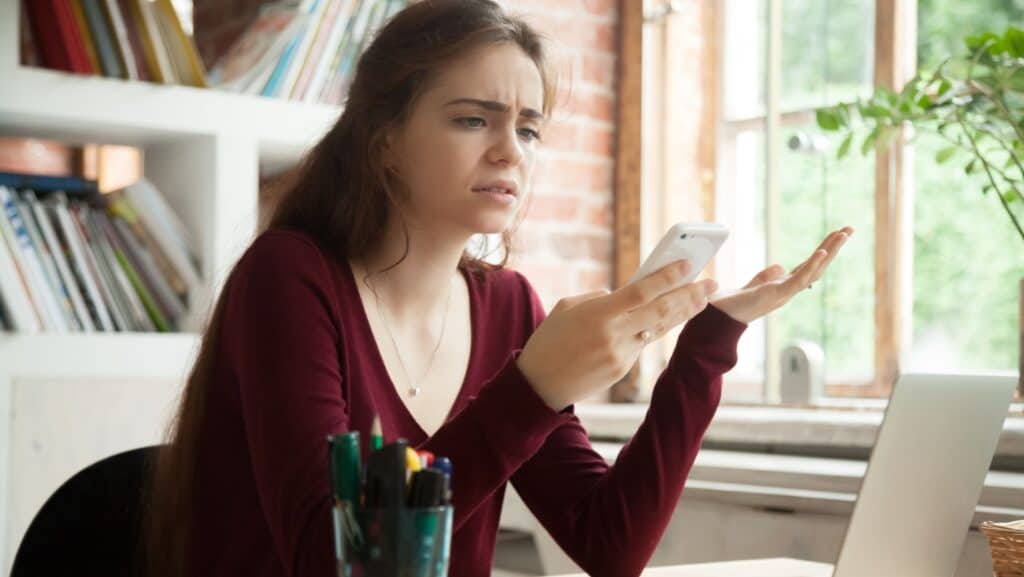
Opening your inbox on a dating app can feel less like checking messages and more like dodging digital landmines. Pew’s research shows that 52 percent of women aged 18 to 34 have received an explicit image they did not ask for, and among young women using dating apps, 57 percent report unwanted sexual pictures or messages.
That is roughly twice the share of men in the same age group, which says a lot about who gets treated like a human and who gets treated like a screen. Women are also more likely than men to say it’s very common for people to receive these explicit messages they never requested.
So you end up treating every notification like a maybe‑monster: is it a normal “hey” or another photo you’ll immediately delete and then think about all day.
You Have To Swipe For Safety, Not Just Attraction

For a lot of men, swiping right is easy and quick. For many women, it is a careful choice. Studies on Tinder use show men swipe right much more generously, while women swipe right only on a small fraction of profiles they’re genuinely interested in.
That difference isn’t just pickiness; it is risk management. Interviews with women on Bumble found many deliberately limit their swipes to weed out anyone who seems controlling, aggressive, or disrespectful, because those traits online can turn into real‑life danger.
So every time you swipe left, it is not just “not my type,” it is also “not worth worrying if he will blow up my phone later.”
You Match With Everyone… But Talk To Almost No One

Because men swipe right on a huge number of profiles, almost every thoughtful right swipe from a woman turns into a match, even if she has been super selective. Research reported by Business Insider found that only about 7 percent of male matches led to a message, compared with about 21 percent of female matches.
That means your feed fills up fast with people who will never say a word, like a wall of digital ghosts wearing backward caps. It creates a strange kind of loneliness: surrounded by faces, drowning in “potential,” but starving for a real chat that lasts more than three lines and a “wyd.”
Dating App Burnout Hits Women Harder
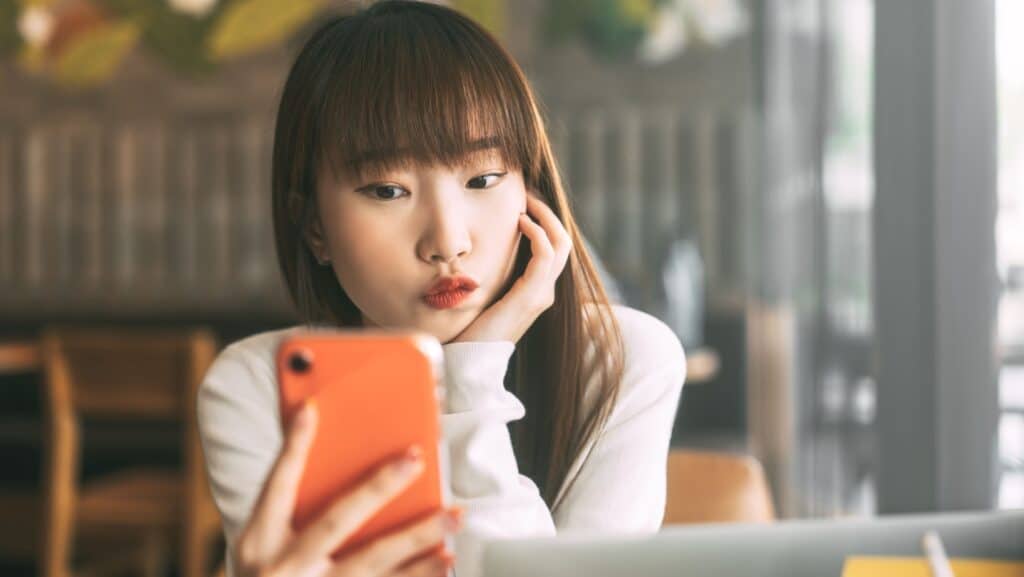
At first, swiping can feel fun, like a little game. Over time, it starts to feel like a chore. A recent survey highlighted in coverage of dating trends found that about 78 percent of app users feel some level of burnout, with women slightly more likely to report feeling drained than men.
The main reasons people gave were a lack of meaningful connections (around 40%), constant disappointment (around 35%), rejection (about 27%), and the same boring conversations repeating over and over (about 24%).
For many women, this turns dating apps into emotional “busy work” instead of something joyful. You log in, reply, get your hopes up, feel let down, and then close the app feeling more tired than before.
You’re Constantly Scanning For Red Flags And Danger

Before a date, some people think about outfits. Many women think about safe exits, backup plans, and who knows where they are. A 2024 survey of single women in the U.S. found that 91% worry about their safety when going on dates, and 88% feel somewhat or very concerned when the date is with someone from an app.
Around 92% said they are uncomfortable being picked up from home on a first date, and 42% have cancelled a date because something felt unsafe. Over three-quarters said dating apps need to do more to protect women’s safety.
So when women share locations, tell a friend the time and place, or plan to leave early if needed, they are not “overthinking.” They are reacting to very real risks.
Harassment Doesn’t Stop When You Log Off
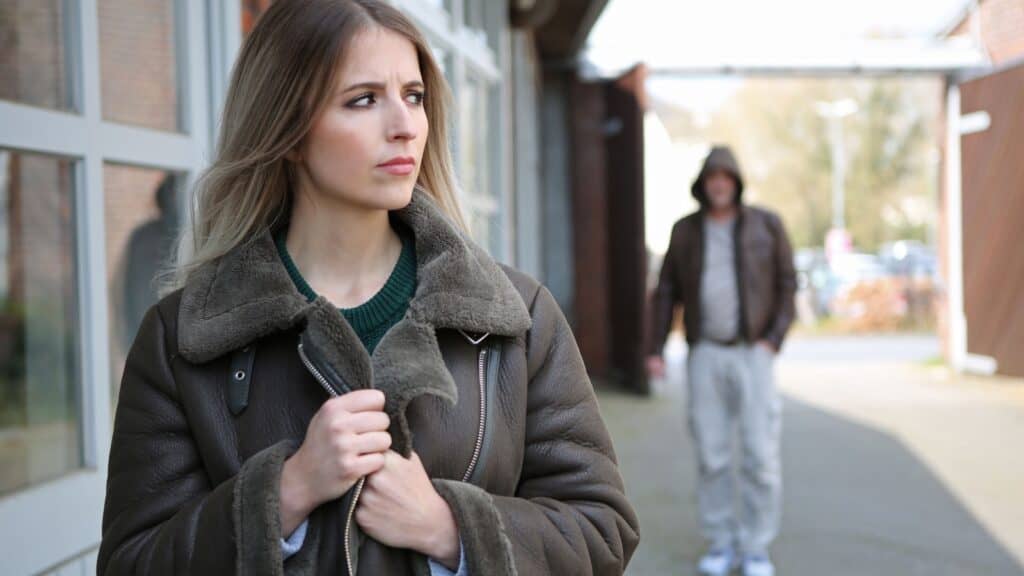
Blocking someone in the app does not always mean you have blocked them from your life. Reporting from the BBC shows that sexist abuse and harassment on dating platforms hit women disproportionately and often spills across multiple apps and social media accounts.
Academic work on electronic dating violence finds that harassment can look like repeated abusive messages, threats, and even offline stalking or physical harm tied to connections that started online.
That means when a woman blocks someone and then sees them pop up elsewhere, it fits into a pattern experts already know. For her, the problem is not “just the app.” It can feel like it follows her across different corners of the internet and, sometimes, into real life.
Fake Profiles And Catfish Are A Constant Background Threat
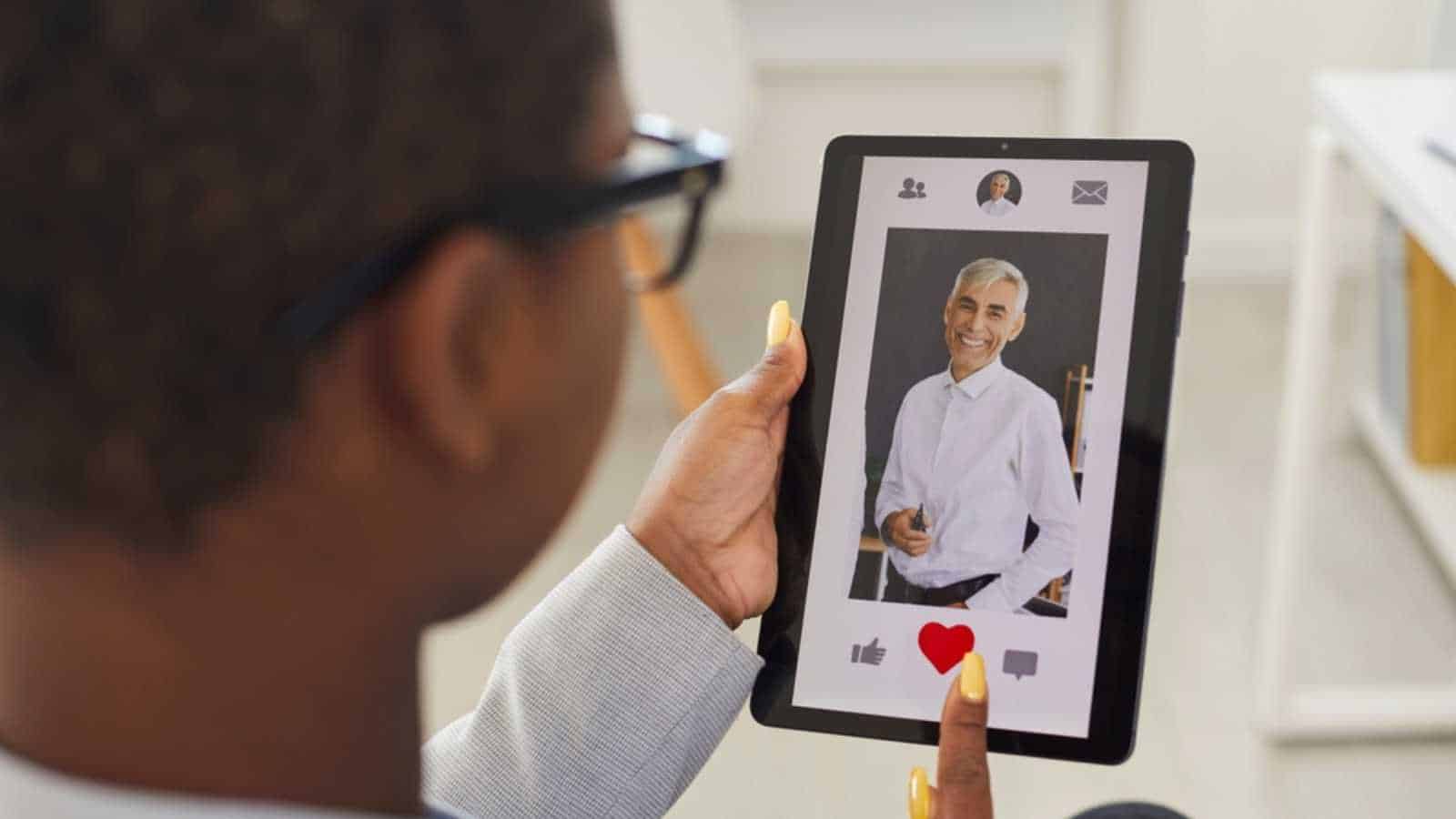
On top of worrying about behavior, women also have to wonder if the person is even real. Cyber safety experts estimate that on some dating and social platforms, about 1 in 10 profiles may be fake, created for catfishing, scams, or other shady purposes.
One report on catfishing found that about 60 percent of victims experienced significant emotional distress after discovering they had been lied to about who someone was. So when women do detective work on names, photos, and mutual follows, it is not just nosiness; it is survival research.
The question is no longer only “are you kind” but “are you actually the person in these photos or a stranger wearing someone else’s life like a costume.”
You Feel Forced To Over‑Protect Your Personal Info

For many women, sharing personal details on dating apps feels like handing out pieces of a map to your real life. Even though about 1 in 10 single women still end up showing some personal information on their profiles, most actively avoid posting their home address, last name, or workplace.
A big reason is the fear of what happens if a match turns into a problem rather than a partner. In that same survey, 37 percent of women said they have a code word or system with friends to get out of a bad or unsafe date.
So the cute bio you see is usually edited carefully: just enough to feel real, but not enough to lead someone straight to their front door.
Even When It “Works,” It’s Still Work

Yes, there are real success stories from dating apps, but they usually come with a hidden backstory. Pew’s findings shared via Fox Business show that about 12 percent of Americans say they have married or been in a committed relationship with someone they met online.
At the same time, a much larger share, especially women, report dealing with harassment, burnout, and safety fears along the way. Many women describe their app use as a constant strategy game: vetting matches on social media, insisting on meeting in public places, tracking who knows where they are that night.
The love story starts with “we matched,” but the hidden prologue is hours of unpaid emotional labor that no one cuts into a wedding slideshow.
Women Are Asking For Help… And Apps Aren’t Fully Delivering
The biggest sign that something is wrong is that women are clearly asking for change. One 2024 survey found that 91 percent of single women want better safety features on dating apps, and about three‑quarters say platforms need to do more to protect them.
Most respondents also agreed there should be more awareness about dating risks, yet only a minority of women who experience harassment or stalking actually report it to the app. That suggests they do not fully trust the systems to help them.
If you do not believe the system will help, you keep your story to yourself and just text your friends instead.
Key Takeaways
Here’s what the data tells us about swiping as a girl:
The Safety Reality: 91% of single women worry about their safety when dating from apps, and 42% have canceled dates due to safety concerns. Women swipe with caution, not just attraction, because every match is also a risk assessment.
The Harassment Gap: 60% of young women get messages even after saying “no,” compared to 27% of men. Women are twice as likely to face sexual harassment online and nearly three times more likely to be targeted specifically because of their gender.
The Burnout Effect: About 78% of dating app users feel burned out, with women slightly more affected. The top reasons include lack of real connections (40%), constant disappointment (35%), and repetitive conversations (24%).
The Match Paradox: Women get tons of matches but very few meaningful conversations. Only 7% of male matches turn into messages, compared to 21% of female matches, creating an illusion of abundance that actually feels isolating.
The Call for Change: 91% of single women want better safety features, and 75% say apps need to do more to protect them. Women aren’t just complaining; they’re asking for structural solutions that the platforms haven’t fully delivered yet.
Disclaimer – This list is solely the author’s opinion based on research and publicly available information. It is not intended to be professional advice.
Like our content? Be sure to follow us