12 common airplane seating mistakes travelers should avoid
The wrong airplane seat can ruin the trip before the wheels even leave the runway. You board with coffee, hope, and a neck pillow, then end up trapped in a middle seat by the lavatory, dodging elbows, carts, and a reclining seatback that feels personally aggressive.
Seat choice matters more than ever because planes are packed and airlines now make serious money from where passengers sit. TSA said it screened 904 million passengers in 2024, up more than 5% from 2023, while a 2024 U.S. Senate report found that five major airlines collected $12.4 billion in seat fees from 2018 to 2023.
IATA projected that global airline ancillary revenue would reach $144 billion in 2025, meaning your seat is no longer just a small booking detail. It is comfort, money, patience, and strategy, all folded into one boarding pass.
Letting the Airline Auto-Assign Your Seat
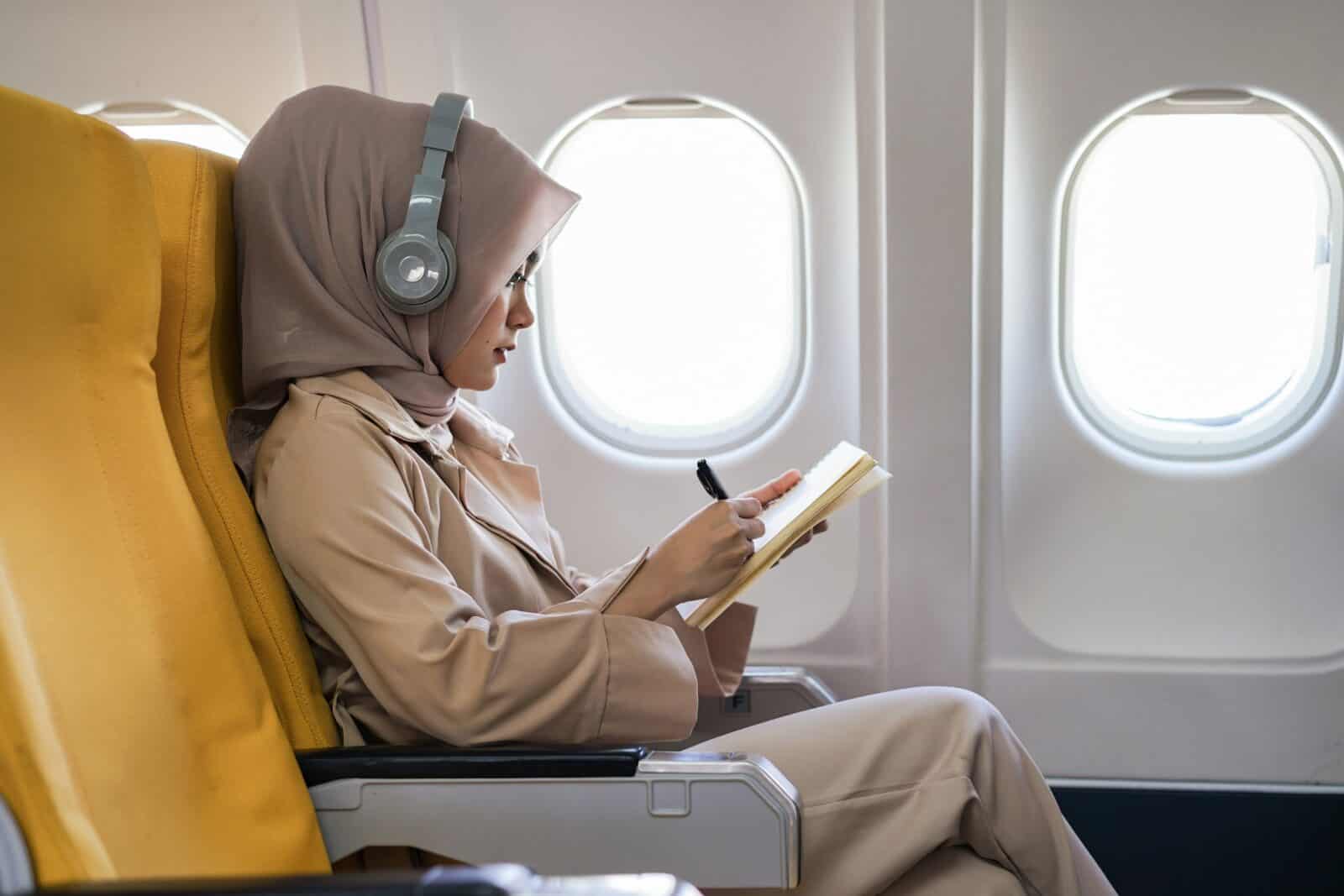
Letting the airline pick your seat can feel harmless, especially if you are trying to keep the fare low. The catch is that the leftovers can be rough: middle seats, back rows, scattered family seats, or spots close to lavatories and galleys.
The Department of Transportation’s Airline Family Seating Dashboard shows why this matters for parents, since only some major carriers commit to adjacent seats for a child 13 or under and an accompanying adult at no added cost, subject to limited conditions. For solo travelers, auto-assignment can still mean losing control over aisle access, overhead bin timing, and noise level.
For families, it can turn boarding into a small crisis before the plane even moves. Saving a seat fee may make sense on a short hop, but on a crowded flight, letting the system choose can feel like handing your comfort to a vending machine and hoping it has mercy.
ignoring “Red Flags” on the Seat Map
A seat map is more than a grid of little squares. It is a warning label if you know how to read it. AeroLOPA describes itself as a source of “uniquely detailed” aircraft seating plans, and that detail matters because a basic airline map may hide the things that later annoy you: missing windows, galley walls, lavatory lines, blocked under-seat storage, fixed armrests, or limited recline.
A 2025 National Academies review of the FAA’s seat width and pitch study shows that seat pitch and width are serious design variables, not just comfort complaints from cranky travelers.
So take two minutes before you click. Look up the exact aircraft, not just the airline. A row that looks fine at booking may sit beside the bathroom door, behind a bulkhead, or right where everyone gathers to stretch. The map is quiet, but it is trying to tell you something.
Waiting Too Long to Check In and Change Seats
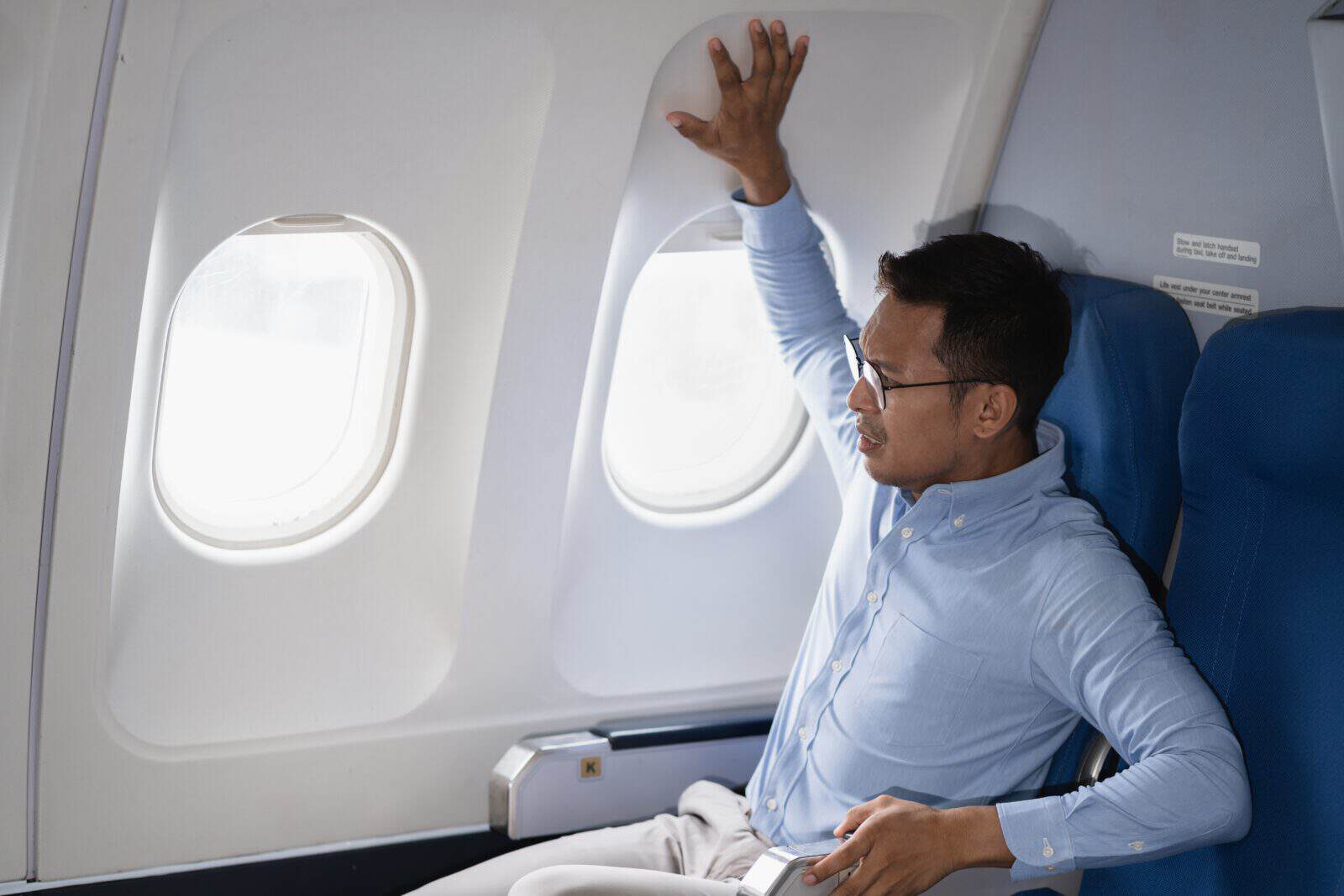
Seat selection is not over after booking. Check-in can be your second chance, and too many travelers waste it. Condé Nast Traveler notes that “see agent” or “seat assigned at gate” can appear for several reasons, including basic economy fares, blocked seats, aircraft changes, oversold flights, or system issues.
That means seats can move, open, disappear, or get reassigned as departure gets closer. On busy routes, logging in late can leave you with the same sad choices everyone else rejected.
The smart move is simple: check in as soon as the window opens, often 24 hours before departure, then look at the seat map again. You may find a better aisle, a front-cabin seat, or a pair of seats that were blocked earlier. The cabin is not a frozen picture. It keeps shifting until the door closes.
Overpaying or Underpaying for the Wrong Seat
Seat fees can feel like a trap, but refusing every fee can also cost you comfort. The Senate Permanent Subcommittee on Investigations reported that American, Delta, United, Spirit, and Frontier collected $12.4 billion in seat fees from 2018 to 2023, with seat-fee revenue rising from $2 billion in 2018 to $3 billion in 2023.
Sen. Richard Blumenthal pushed for more transparency, saying, “The billions of dollars that airlines make in seat fees and other unreported fees must be disclosed to the public.” That does not mean every paid seat is worth it.
A $25 preferred seat may not matter on a 45-minute flight, but extra legroom on a red-eye or long-haul trip can save your back, sleep, and mood. Ask what the seat actually gives you: legroom, location, earlier exit, or peace. If the answer is mostly a prettier label, keep your money.
Falling for Exit Row and Last-Row “Traps.”
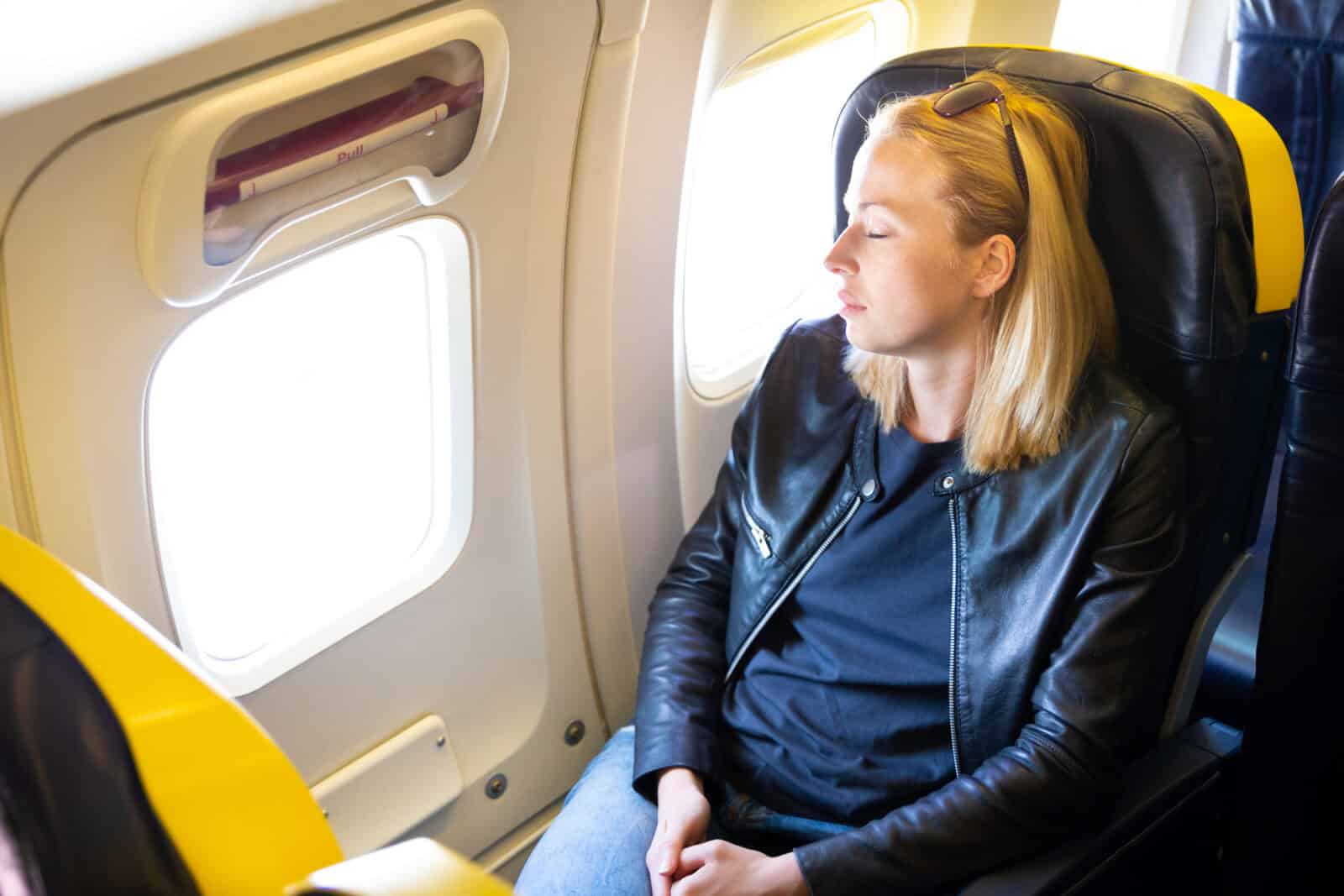
Exit rows and last rows can fool travelers because they look useful on the map. Exit rows may offer more legroom, but they can come with fixed armrests, built-in tray tables, stricter passenger requirements, and no under-seat bag storage during takeoff and landing.
Seats right before exit rows can be worse, since they may lose recline without gaining the extra space. The last row brings its own little thunderstorm: lavatory traffic, galley noise, limited recline, and people hovering in the aisle.
The National Academies’ 2025 review of FAA research shows that seat width and pitch remain part of safety and evacuation discussions, reminding travelers that cabin layout is not random décor.
A seat can be safe and still be miserable. Extra space is useful, but location, recline, storage, and noise decide how that space feels after hour three.
Not Looking Up Your Specific Aircraft Type
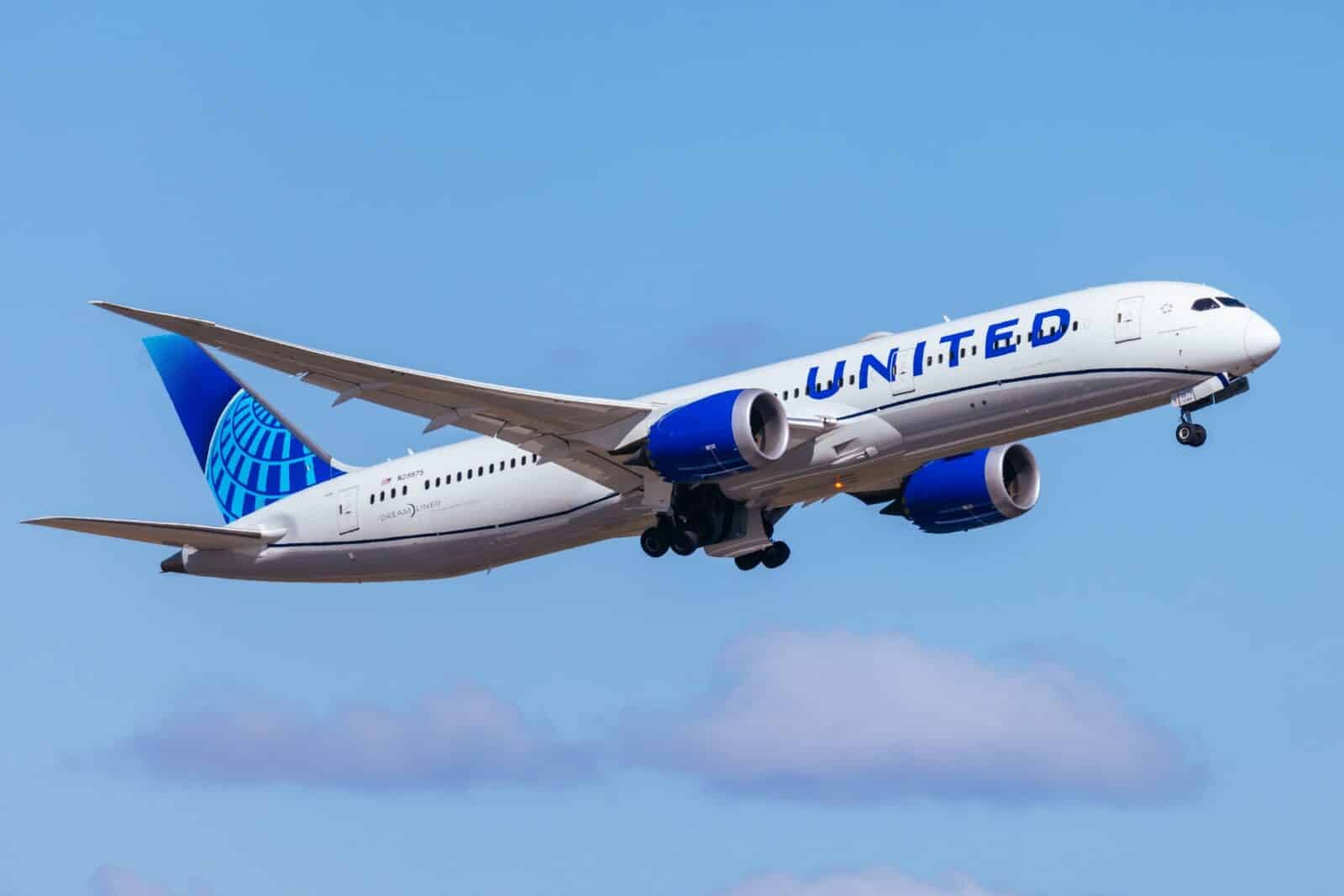
A good seat on one aircraft can be a regret on another. That is why checking the exact plane matters. AeroLOPA lets travelers search detailed seating plans by flight, and the reason is simple: airlines may operate different versions of the same aircraft family, with different row numbers, lavatory locations, bulkheads, premium sections, and exit-row layouts.
The National Academies report also defines seat pitch as the distance between two seats measured from the same point, while seat width is measured between the inner edges of armrests. In normal traveler language, that means “row 12” is not automatically your friend.
A Boeing 737, an Airbus A320, a Boeing 787, or a regional jet can change the whole seating equation. Before paying for a seat, look up the exact aircraft type in your booking. The best seat is not just a number. It is a number on a specific plane.
Choosing Seats Too Far Back If You Care About Noise
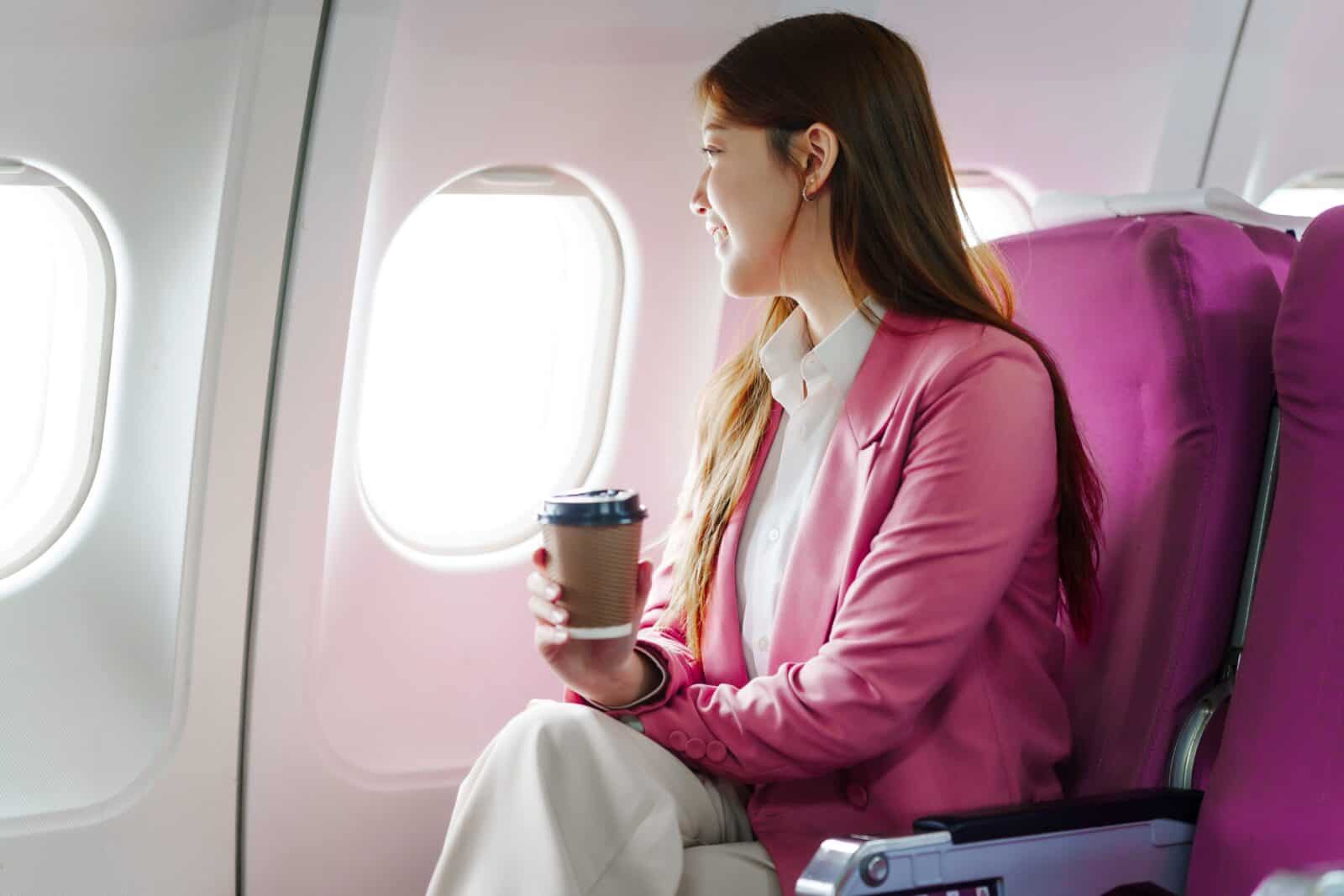
The back of the plane isn’t always bad, but it does require patience. You may wait longer to deplane, face more lavatory traffic, hear more galley movement, and find fewer overhead bin options if boarding is full. Noise can also matter.
A 2022 study that measured cabin noise on five wide-body aircraft found that aircraft type and cabin conditions affect the noise passengers experience. TSA’s 904 million screened passengers in 2024 also tells the bigger story: planes and airports are busy, and full cabins make every seat choice feel louder.
If you have a tight connection, a nervous stomach, or a low tolerance for bathroom lines, sitting far back can turn a normal flight into a slow crawl. A seat closer to the front often means less waiting after landing and less traffic brushing past your knees. Time has a sound, and in the last rows, it can sound like carts, doors, and people saying “excuse me” for two hours.
Misjudging Window vs Aisle
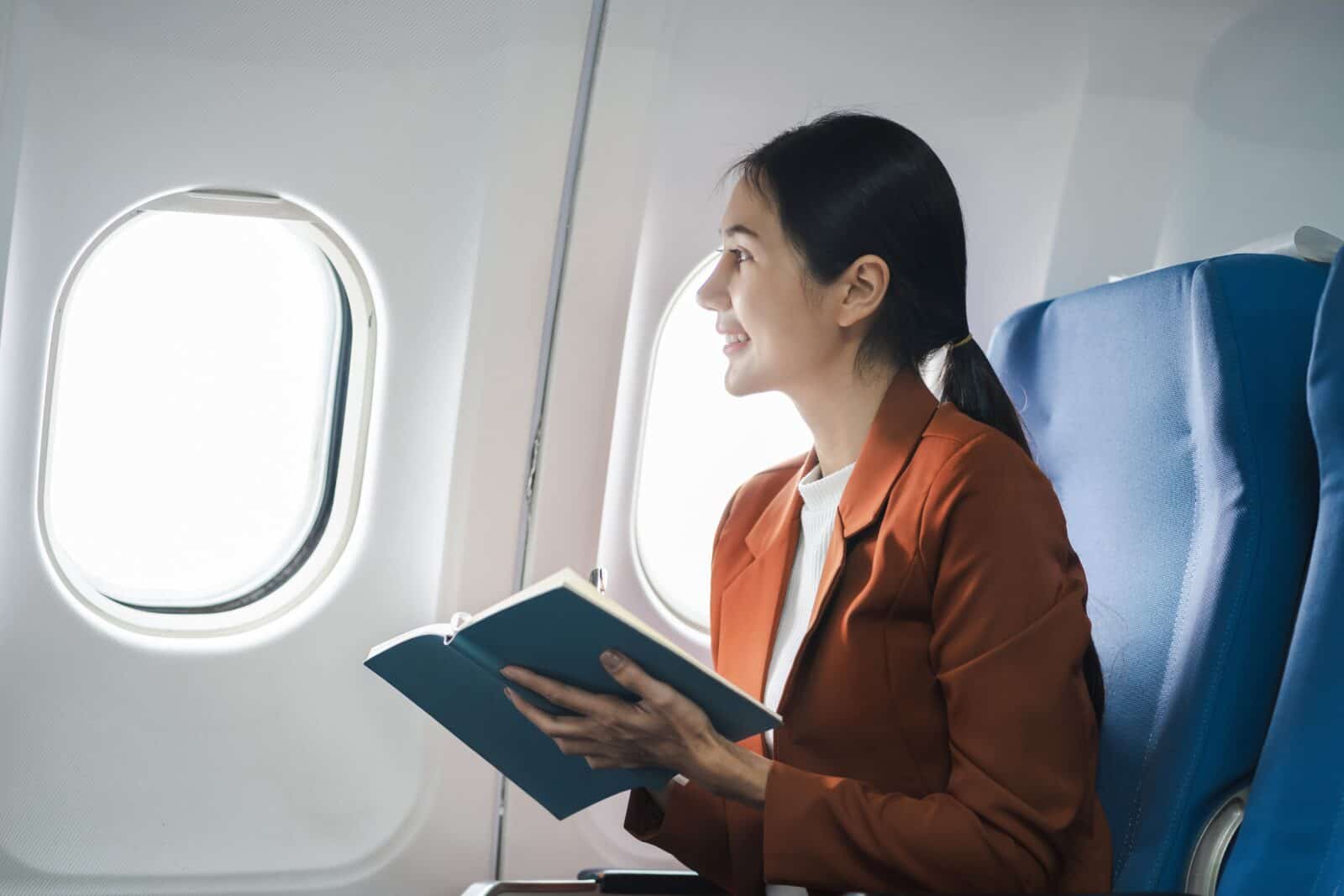
Window versus aisle is not a personality test. It is a body-and-trip decision. The CDC advises travelers to “select an aisle seat when possible” so they can walk every 2 to 3 hours, especially on trips longer than 4 hours, where blood-clot risk can rise.
The University of Rochester Medical Center offers a different approach to motion sickness, advising travelers to sit in a window seat over the wing, which can reduce the sensation of turbulence.
So the “best” seat depends on what you need. A window helps sleepers, anxious flyers who like a view, and travelers who hate being bumped. An aisle helps people who need access to restrooms, plan to stretch, or dislike feeling boxed in.
The mistake is choosing by habit instead of by flight. A window on a one-hour sunset hop may feel lovely. A window on a 10-hour daytime flight with a tiny bladder may feel like a polite prison.
Ignoring Etiquette and Personal Space in Tight Cabins
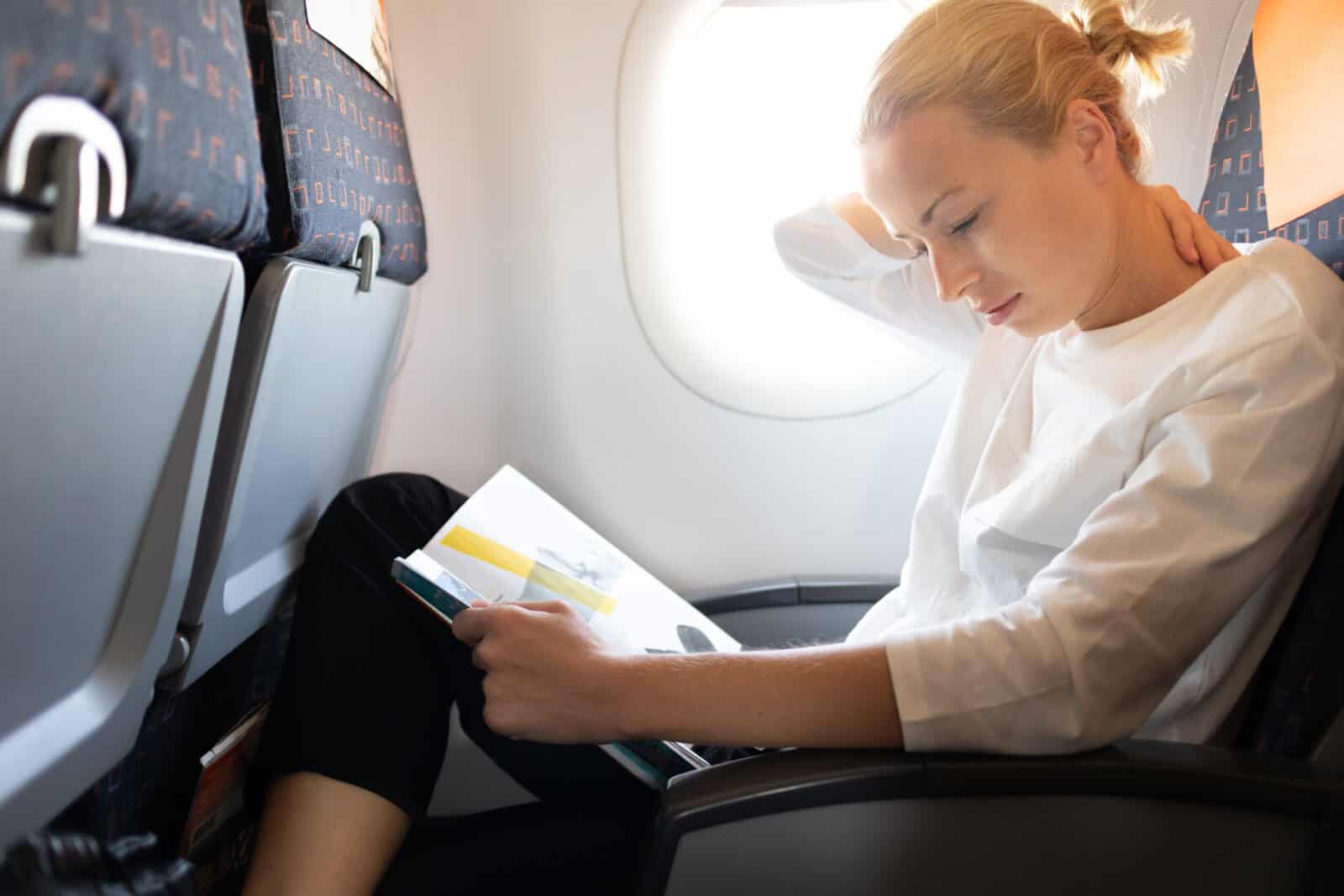
Even a decent seat can become a bad one if the row turns into a turf war. Seat fees have made some passengers more protective of the space they paid for, and the Senate report found that airlines collected $12.4 billion in seat fees over six years.
That money does not make the cabin larger. It just makes the inches feel more personal. Etiquette expert Daniel Post Senning told Upgraded Points, “I like to cede the armrest to the person in the middle seat because they have nowhere else to go.” It is a small courtesy, but small courtesies matter when shoulders are touching, and tempers are tired.
Avoid aggressive reclining, blocking the aisle, dumping bags into someone else’s space, or bringing food that announces itself three rows away. You are not just choosing a seat. You are joining a tiny neighborhood at 35,000 feet, and everyone has thin walls.
Skipping Considerations for Health and Circulation

Seat choice can affect more than comfort. The CDC says anyone traveling for more than 4 hours by air, car, bus, or train is at risk of blood clots and recommends standing, walking, and moving their legs during long trips.
The CDC also advises selecting an aisle seat when possible so you can walk every 2 to 3 hours. That guidance matters for older travelers, pregnant travelers, tall passengers, people at risk of clotting, and anyone who gets stiff after sitting too long.
A window seat may be cozy, but it can tempt you to stay planted for the whole flight because you do not want to bother rowmates. An aisle seat makes movement easier and less awkward. On long flights, comfort is not just about the cushion. It is about blood flow, hydration, stretching, and the ability to stand without conducting a small diplomatic summit with two sleeping strangers.
Overlooking Future-Facing Seat Designs and Trends
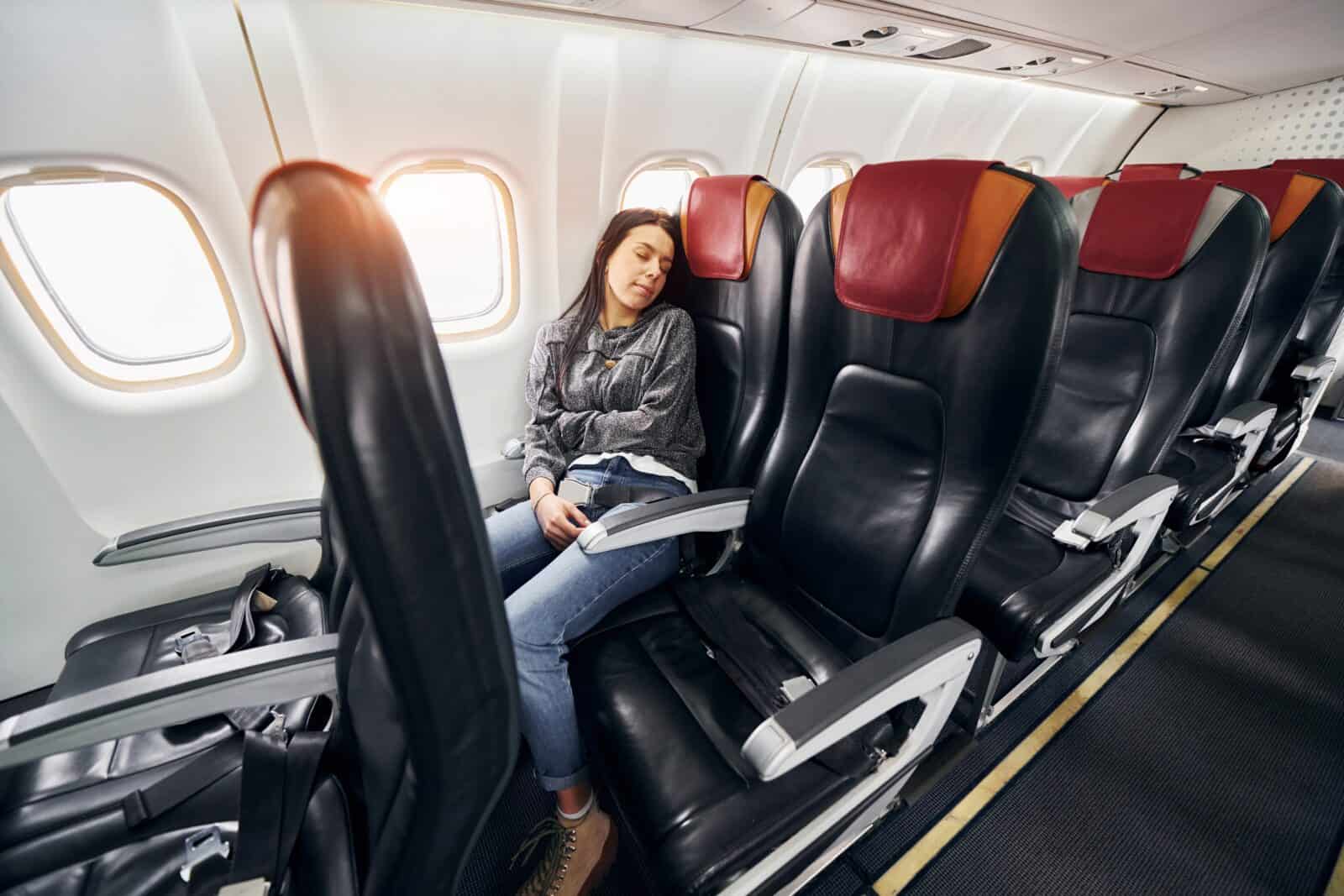
Airplane seats don’t stand still, even if passengers are often stuck in them. IATA projected $144 billion in global ancillary revenue for airlines in 2025, and a later estimate from IdeaWorksCompany projected $157 billion, up from $148.4 billion in 2024.
That tells you where the cabin is heading: more fare types, more seat categories, more paid comfort zones, and more ways to slice the same aircraft into different passenger experiences.
The National Academies’ 2025 peer review of FAA research on seat width and pitch also shows that regulators and researchers are still closely examining how tight cabin configurations affect evacuation performance. Travelers do not need to obsess over every aircraft trend, but they should stop comparing fares solely by price.
A cheaper ticket on a denser layout may cost you in knees, sleep, and patience. In modern flying, the real fare is base price plus the seat you can live with.
Not Asking Nicely for a Better Seat
One of the easiest mistakes is staying silent. A seat assignment can feel final, but airlines still manage blocked seats, family seating, aircraft changes, upgrades, misconnects, and last-minute cabin shifts close to departure.
DOT’s Family Seating Dashboard shows that airline commitments differ, with only some carriers guaranteeing adjacent seats for a child 13 or under and an accompanying adult at no extra cost under limited conditions.
Condé Nast Traveler also notes that “seat assigned at gate” can involve blocked seats, basic economy, aircraft swaps, oversold flights, or other issues. That means the gate agent may have more context than the app shows.
Ask early, ask kindly, and be specific. “Could you help me avoid the last row?” works better than a vague complaint. Onboard, ask the crew before swapping. Politeness is not a magic boarding pass, but it is often the cheapest upgrade strategy left.
A Short Reflective Close
An airplane seat is not just a square on a screen. It is where your knees, sleep, nerves, health, patience, and travel budget spend the next few hours.
TSA’s 904 million screened passengers in 2024 show how crowded the skies have become, and the Senate’s $12.4 billion seat-fee finding shows how much money now lives inside seat choice.
You do not need the fanciest seat every time. You just need to avoid the traps that turn a flight into a cramped little regret.
Key Takeaways
Seat choice now matters because planes are full and airlines make serious money from where passengers sit. TSA screened 904 million passengers in 2024, and Senate investigators found five major U.S. airlines collected $12.4 billion in seat fees from 2018 to 2023.
The smartest travelers check the exact aircraft map, review seat-fee trade-offs, check in early, and avoid obvious trouble zones near lavatories, galleys, and non-recline rows. AeroLOPA’s aircraft-specific maps and the National Academies’ 2025 seat width and pitch review both show why aircraft layout details matter.
Comfort is personal. The CDC says long-distance travelers should move every 2 to 3 hours when possible, while the University of Rochester Medicine says a window seat over the wing can help reduce the sensation of turbulence and reduce motion sickness. The best seat is the one that fits the trip, your body, your budget, and your tolerance for elbows.
Disclaimer – This list is solely the author’s opinion based on research and publicly available information. It is not intended to be professional advice.
Like our content? Be sure to follow us