12 reasons older men quietly drift away from their wives
Emotional withdrawal in long-term marriages is often a gradual process rather than a sudden decision. Researchers studying later-life relationships have found that marital quality tends to decline when couples experience persistent negative interactions, reduced emotional support, and unresolved conflict. At the same time, the rise of “gray divorce” has drawn attention to relationship challenges among older adults.
According to research published in the journal The Journals of Gerontology, the divorce rate among Americans aged 50 and older roughly doubled between 1990 and 2010, while divorce among those aged 65 and older nearly tripled.
Researchers attribute this trend to factors including longer life expectancy, changing expectations of marriage, retirement-related transitions, and long-standing relationship dissatisfaction that may have accumulated over decades.
He stops feeling emotionally seen
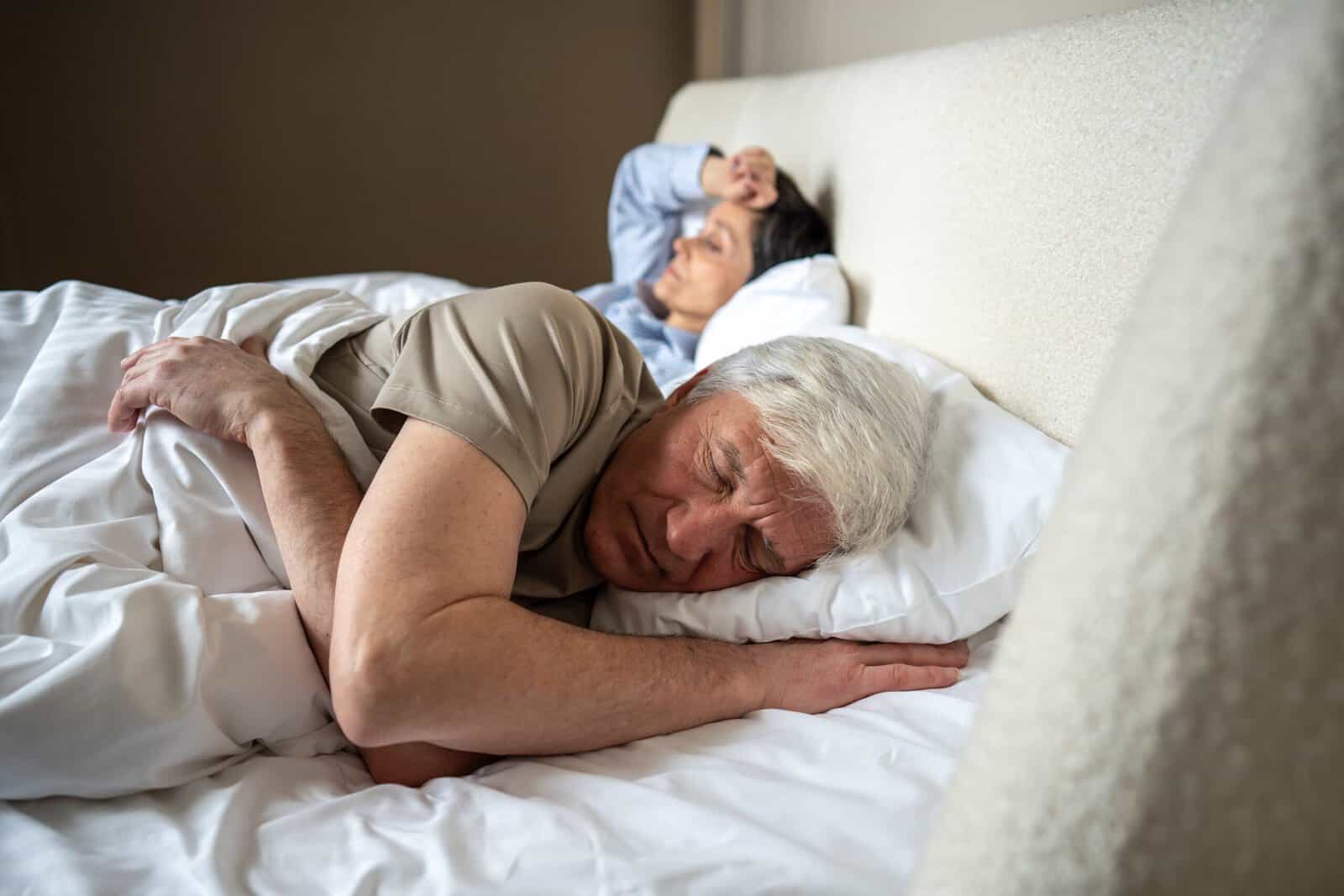
Many older husbands do not drift because they have stopped loving their wives. They drift because they stop feeling known. John Gottman calls bids for attention and closeness “the fundamental unit of emotional communication,” and that idea matters because long marriages run on tiny moments, not grand speeches stolen from a Nicholas Sparks movie. When a man feels that his jokes, worries, disappointments, or small attempts at connection keep landing with a shrug, he often pulls back instead of asking for more.
AARP’s relationship coverage backs that up with a very plain truth from counselor Carlos Escobar: a drop in meaningful conversations often signals fading emotional intimacy. Ever notice how some couples can discuss dentist appointments, grocery lists, and cable bills with Olympic-level precision, yet never touch what actually hurts? Once that pattern takes over, distance starts to feel safer than honesty, and quiet becomes the third person in the marriage.
Retirement scrambles his identity

Retirement looks glamorous from a distance. Then Tuesday arrives at 10:17 a.m., nobody needs you, your routine vanishes, and you suddenly realize your job carried half your identity around for decades. Researchers using Health and Retirement Study data found that a spouse’s retirement can spill over into the other partner’s health, with men, in particular, showing some of the strongest negative spillover effects when their wives retired.
That makes sense in real life, does it not? Many men built structure, status, friendships, and self-worth through work, so retirement can leave them feeling unsteady even when they claimed they could not wait for it.
AARP notes that retirement often brings a lack of solitude and forces couples to renegotiate space, routine, and expectations, and newer longitudinal research says retirement can reshape routine, identity, finances, and social connection all at once. That cocktail can make a husband withdraw long before he finds words for what he lost.
They start talking like coworkers
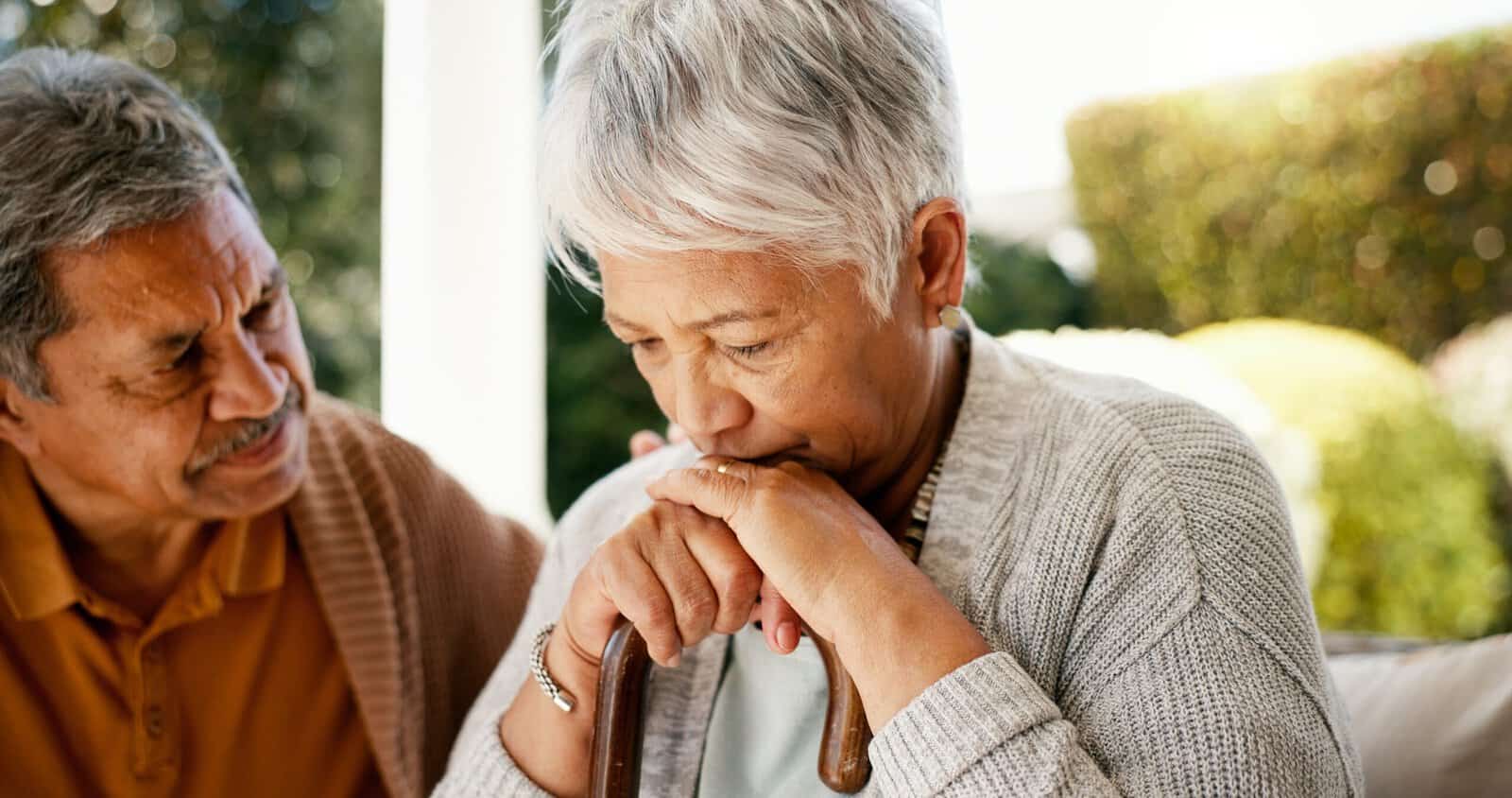
Some couples do not fight much in later life. That sounds healthy until you realize they also do not connect much, laugh much, flirt much, or dream much. They run the house like a small regional insurance office: efficient, polite, and emotionally thrilling in all the worst ways. When conversation shrinks to chores, errands, appointments, and who forgot to pay the water bill, warmth usually exits through the side door.
I always think this reason hides in plain sight because it looks so respectable from the outside. AARP’s experts warn that emotional intimacy fades when couples replace heartfelt conversation with logistics, and Gottman’s work reminds us that connection grows through everyday responses rather than occasional anniversary speeches. A husband who no longer feels curiosity coming his way may stop offering pieces of himself, and once he does that long enough, the marriage starts to feel less like a partnership and more like shared property with laundry.
Old resentments never really left
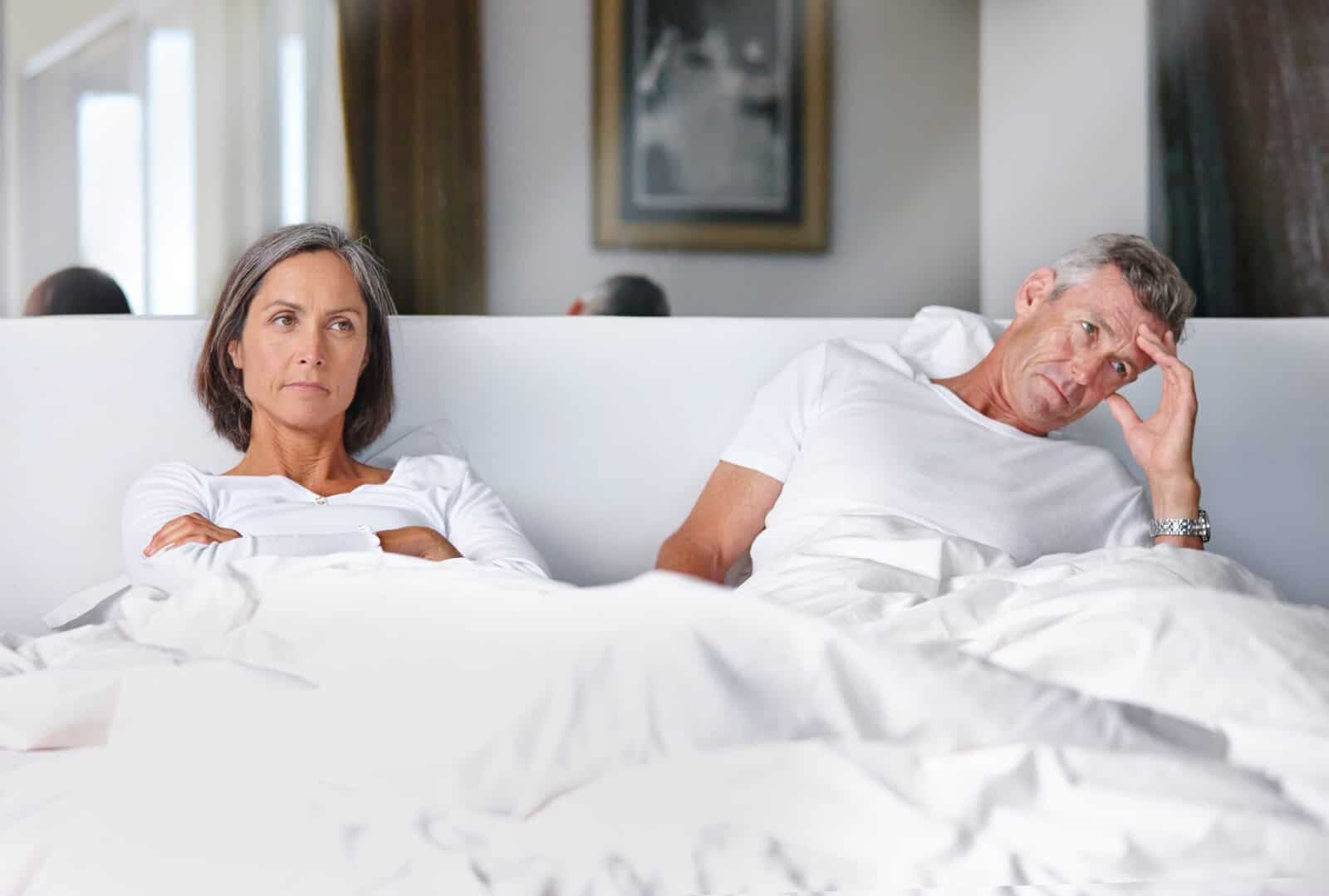
Some older men carry a private archive of hurts they never processed. They remember the criticism, the sexless years, the parenting battles, the money fights, the in-law mess, and the moments when they felt dismissed, and they just never bring them up again. People love to call that peace, but let’s be honest, sometimes it is just resentment wearing a cardigan.
AARP’s reporting on long marriages says that major life transitions, such as empty-nest years, retirement, and caring for aging parents, force couples to redefine who they are as a couple. If they never clean out old wounds, those transitions do not heal anything; they simply expose the cracks under brighter light. A husband who has stacked years of unspoken disappointment may not stage a dramatic exit, but he may quietly stop investing, and that kind of drift cuts just as deep.
Money stress keeps killing the mood

Nothing kills tenderness quite like unresolved money tension. Fidelity’s 2024 Couples and Money study found that 45% of partners admit they argue about money at least occasionally, and AARP says money quarrels remain common enough that financial therapists now treat them as one of the recurring pressure points in long relationships. You cannot build closeness very well when every other conversation turns into a budget ambush.
This reason hits older couples especially hard because retirement planning, health costs, adult children, housing choices, and differing risk tolerances all come into play at once. One partner wants to protect every dollar, the other wants to enjoy the years they worked for, and suddenly dinner sounds like a board meeting with worse lighting.
When a husband starts to feel judged for his spending, scared about the future, or exhausted by constant financial friction, he may retreat emotionally because silence feels cheaper than another fight.
Intimacy fades, and nobody names it

Physical intimacy still matters in later life, even when people pretend it belongs only to the young and aggressively moisturized. AARP’s national survey of adults 40-plus found that 61% say sexual activity plays a critical role in a good relationship, and even among adults 50-plus, 58% still say it matters. The National Institute on Aging adds that many older couples actually enjoy greater satisfaction because they often know their needs better and face fewer distractions.
That means fading intimacy does not automatically come from age. More often, it grows from embarrassment, health changes, mismatched desire, unspoken rejection, or the slow death of flirting.
If a husband feels unwanted and never learns how to talk about it without sounding needy, he may shut down instead, and that shutdown rarely stays in the bedroom. It spreads into affection, patience, humor, and the everyday softness that keeps a marriage from turning into a cold, highly organized roommate arrangement.
He chooses silence over vulnerability
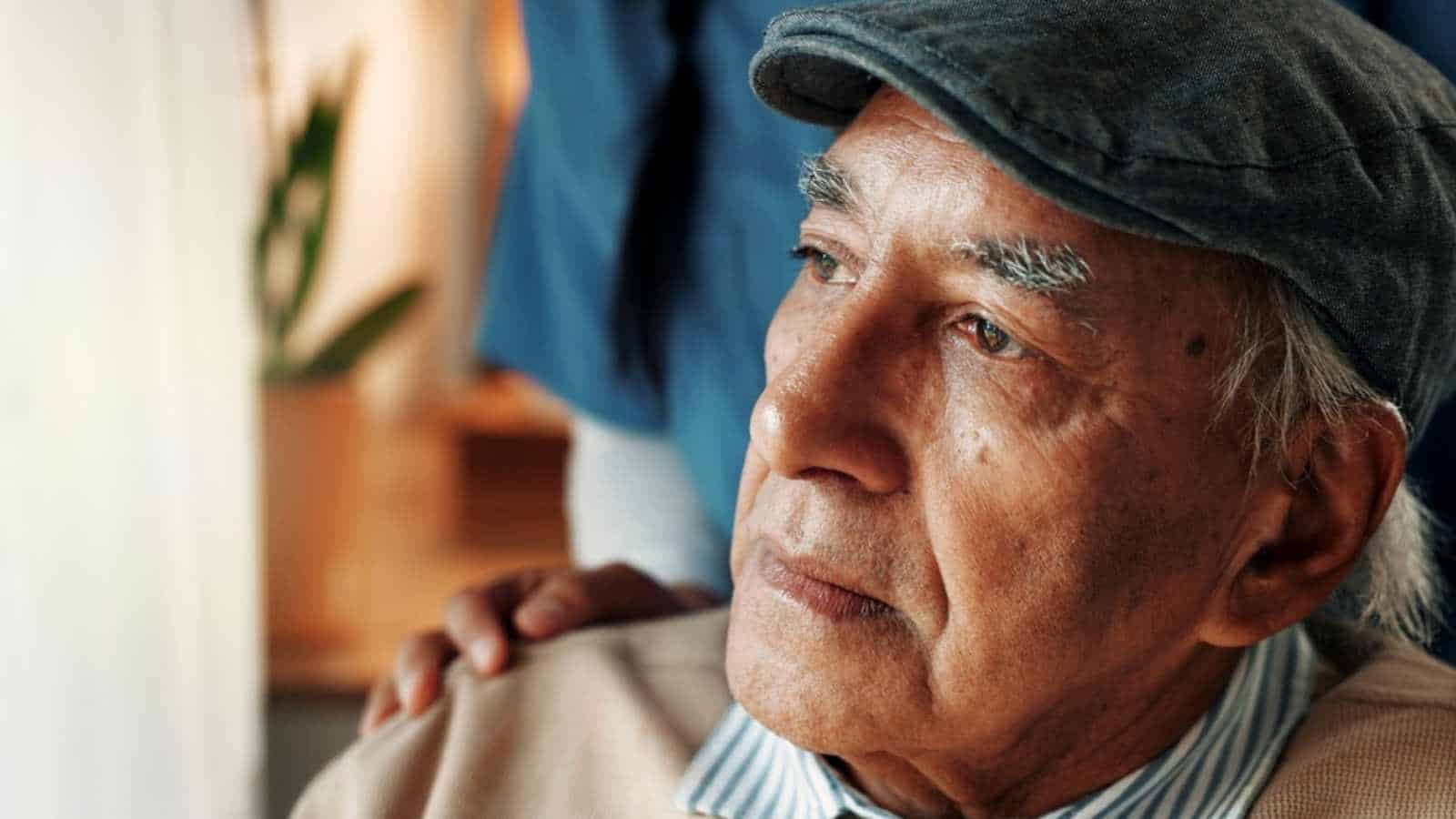
Many older men grew up with one terrible lesson: stay strong, keep it moving, and do not get mushy unless someone wins the Super Bowl. That training can look sturdy from the outside, but it often leaves a man with few tools for emotional repair. CDC data indicate that about 1 in 4 U.S. adults report lacking social and emotional support, and older-adult health research shows that support and low strain within a couple are linked to better self-rated health and fewer functional limitations.
So what happens when a husband feels sad, ashamed, scared, or lonely and still refuses to say it out loud? He often goes quiet, and his wife often reads that quiet as indifference, annoyance, or emotional abandonment.
Then both people feel rejected, both start protecting themselves, and nobody says the actual sentence that could help. That spiral does not need cruelty to grow; it just needs two people who keep guessing instead of talking.
Caregiving turns love into labor
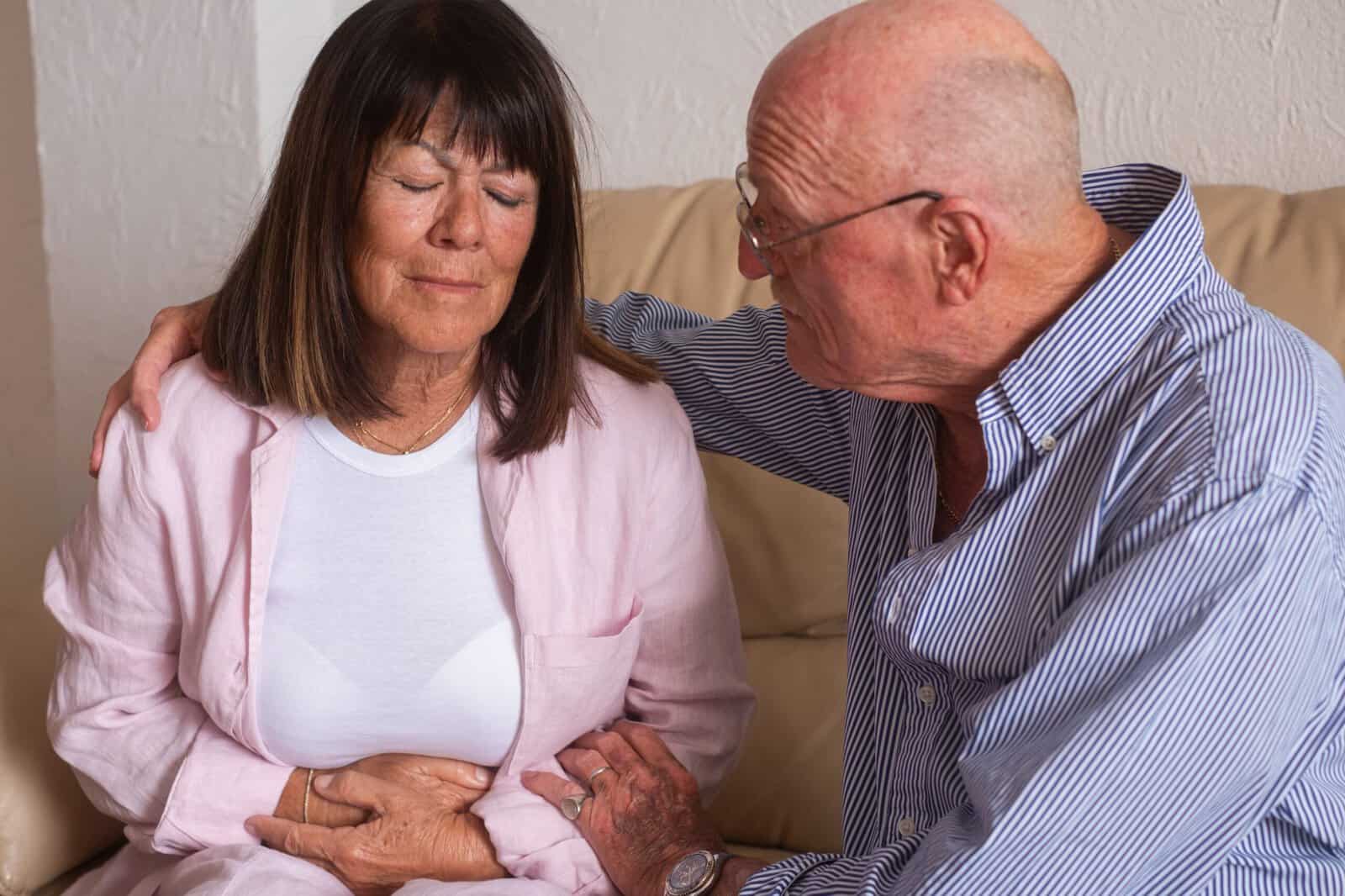
Later-life marriage often asks one spouse to become part partner, part nurse, part scheduler, part pharmacist, and part crisis manager. The National Institute on Aging says caregiving can absolutely feel like a labor of love, but it also brings real stress.
Researchers studying older adult couples have also linked caregiving to poorer psychological well-being, greater life dissatisfaction, and greater functional strain, which suggests this issue carries more weight than sentimental greeting cards admit.
I do not say that to sound gloomy. I say it because couples often blame each other for changes that really began with exhaustion. A husband who feels weak, dependent, embarrassed, or chronically unwell may pull away because he hates feeling like a burden, and a wife who feels overloaded may sound sharper than she means to. Love can survive caregiving, but unmanaged caregiving can drain the romance right out of the room.
They want different versions of later life

One spouse wants to travel. One wants to stay close to the grandkids. One wants to move somewhere warm. One wants to keep every tradition exactly where it belongs, including the recliner that, honestly, should qualify for historic preservation.
AARP’s 2025 report on long marriages says couples often struggle because retirement forces them to confront major questions about time, movement, privacy, and purpose.
Those questions sound practical, but they cut straight to the heart of identity. If a husband imagines freedom, adventure, fishing trips, road travel, or finally doing what he postponed for 35 years, and his wife imagines stability, local routines, and family-centered plans, friction builds fast.
The problem does not come from having different dreams; it comes from skipping the hard conversations that help couples negotiate those dreams in good faith before disappointment turns into detachment.
He loses his outside world
This one sneaks up on a lot of men. Harvard Health notes that loneliness ranks among the greatest health risks for older adults, and it points out that many men struggle to maintain friendships as they age because they built those ties around work, sports, military life, or other structured settings that disappear over time. The CDC also says that about 1 in 3 adults in the United States feels lonely, which makes this more than a sad little side issue.
When a husband loses friends, purpose, routines, and outside validation, he can start leaning on the marriage for everything or, oddly enough, checking out of it because he feels hollow.
NORC and AARP found that older adults who plan social activities report less loneliness and isolation, and married older adults tend to report stronger social plans than unmarried peers. That tells me something simple: when a man stops building a life beyond the marriage, the marriage often starts carrying more weight than it can comfortably hold.
He feels more strain than support
Support does not just help people feel warm and fuzzy. It changes how they function day to day. In a nationally representative U.S. study of couples aged 51 and older, researchers found that people who perceived more support and less strain in their relationships reported better health and fewer functional limitations, and that these benefits increased when their spouses also perceived positive support and low strain.
That matters because some husbands quietly tally the emotional climate of a marriage without ever saying a word about it. If he feels corrected more than encouraged, tolerated more than appreciated, or managed more than loved, he may stop reaching.
He may still show up for dinner, fix the porch light, and ask about the doctor visit, but inside, he starts living a few emotional miles away. That kind of distance rarely begins with one catastrophe; it grows from steady strain and too little repair.
He decides drifting feels easier than fighting

Many older men do not storm out. They fade out. They stop initiating, stop sharing, stop touching, stop imagining a better version of the marriage, and then they call the relationship “fine” because “fine” sounds less threatening than “I feel alone sitting right next to you.”
AARP’s experts on long marriages warn that staying together for decades never guarantees future closeness, and late-life divorce statistics show plenty of couples reach older age without ever truly repairing the disconnect.
That quiet retreat can look calm from the outside, but it often hides grief, disappointment, fear, pride, and plain old emotional fatigue. Ever met a couple who never seemed explosive, yet somehow felt icy? That is the danger here.
Drifting can masquerade as maturity when it actually signals surrender, and surrender can wreck a marriage just as surely as open conflict does.
Key takeaway
Older men usually do not drift away from their wives because of one cartoonishly evil reason. They drift because small disconnections pile up: lost identity after retirement, weakened intimacy, money stress, old resentment, social isolation, caregiving fatigue, and too many conversations about logistics rather than inner life.
Current U.S. data on gray divorce, loneliness, and relationship satisfaction all point in the same direction: later-life marriage still needs attention, tenderness, honest negotiation, and emotional presence.
The hopeful part? Quiet drift does not always end in quiet collapse. Couples can still interrupt the slide when they start naming the real problem, responding to each other’s bids, protecting intimacy, and building a life that includes both shared purpose and individual breathing room.
So the next time a long marriage looks stable from the sidewalk, remember this: silence can mean peace, but sometimes it just means nobody has dared to tell the truth yet.
Disclaimer – This list is solely the author’s opinion based on research and publicly available information. It is not intended to be professional advice.
Like our content? Be sure to follow us.