12 Things You’re Better Off Not Spending Money On
Modern life is filled with tempting purchases, and it’s easy to get caught up in the excitement of buying something new.
Be it the latest gadget, a daily coffee fix, or a subscription to yet another service, it all adds up faster than we realize. The truth is, many of these purchases seem harmless at first, but by the end of the month (or even year), they can leave our bank accounts a lot lighter. In fact, according to the Bureau of Labor Statistics, the average American household spends over $77,000 a year on necessities and nonessential purchases.
If you want to make smarter choices with your money, it’s time to rethink those expenses. Here are 12 things you’re better off not spending money on, and why cutting back on them will leave you with more money in your pocket.
Unnecessary Subscriptions
Subscription services are convenient, but it’s easy to forget about the ones you rarely use. Many people end up paying for streaming platforms, magazines, or gym memberships that don’t get the attention they deserve. Without realizing it, these services can quietly drain your finances over time.
Instead of letting subscriptions pile up, make it a habit to review them periodically. Cancel the ones you no longer need and consider sharing accounts or opting for family plans to lower costs. By making these small changes, you can free up more money for what truly matters to you.
Brand-Name Clothing

We all love the appeal of designer clothes, but you’re often paying for the name more than the actual quality. A Forbes report found that many off-brand clothing options perform just as well as their expensive counterparts, offering similar fabrics and durability for a fraction of the price. Instead of splurging on high-end labels, consider shopping at outlets or thrift stores to find top-quality items for much less.
Buying quality clothing doesn’t mean you need to spend a fortune on designer labels. Often, off-brand or mid-range clothing offers the same material, style, and longevity, helping you build a wardrobe without draining your savings.
Expensive Coffee Drinks

That daily latte may seem like a small indulgence, but it adds up quickly. According to the National Coffee Association, Americans collectively spend $110 billion on coffee products per year. Brewing coffee at home is a simple way to cut down this expense, especially since high-quality beans cost only a fraction of the price per cup compared to those premium coffee drinks.
You don’t need to skip your morning coffee ritual. With a simple French press or drip machine, you can make coffee that’s just as good as what you’d get at a café, but at a fraction of the cost. Plus, you control the quality and ingredients, saving even more in the long run.
Luxury Cars

Luxury cars may seem like a status symbol, but they come with hefty price tags and high depreciation rates. On top of that, maintenance and insurance costs for luxury cars are typically much higher than those for mid-range vehicles. Opting for a more affordable, reliable car can save you thousands in depreciation and ongoing maintenance costs.
Instead of buying a luxury car, focus on a reliable, mid-range vehicle that retains its value better and costs less to maintain. This will allow you to enjoy the benefits of a car without the financial burden.
Gourmet Takeout

Ordering gourmet takeout can be convenient, but it’s also expensive. The Bureau of Labor Statistics reports that the average American household spends over $3,900 annually on dining out and takeout. These costs are even higher when you factor in delivery fees, tips, and service charges. By cooking meals at home or opting for meal kits, you can enjoy delicious, healthy meals at a fraction of the price.
Preparing meals at home also lets you control what goes into your food, saving you money while making healthier choices. Even if time is limited, meal prepping on the weekends or using convenient meal delivery services can help cut down on both costs and effort.
Overpriced Gym Memberships

Gym memberships can be a costly commitment, especially if you don’t go regularly. Rather than spending money on a membership you’re not using, consider free or low-cost alternatives like fitness apps, outdoor workouts, or YouTube workout videos.
Many people find they can stay in shape just as effectively at home or in a local park. If you’re serious about working out, look into more affordable fitness options or local community-based programs.
Expensive Cell Phone Plans

You don’t need to overpay for your cell phone plan. According to Consumer Reports, Americans pay about $135 per month for a cell phone plan. Switching to a more affordable carrier or a prepaid plan can save you up to $500 a year, without sacrificing coverage or performance.
It’s worth regularly reassessing your phone plan to make sure you’re only paying for what you need. By switching to a budget-friendly carrier or a no-contract plan, you could free up more money for other important expenses.
Frequent Online Shopping

Online shopping is convenient, but it can also lead to impulse buys that quickly add up. According to the Bureau of Labor Statistics, the average American household spent over $77,000 a year on necessities and nonessential purchases. To curb this, set a monthly budget for non-essential purchases and avoid shopping when you’re bored or stressed. Take a step back before buying anything non-essential and give yourself time to reconsider whether you really need it.
Consider decluttering and selling unused items you no longer need before purchasing more things. This can help you avoid overbuying and put some extra cash back into your savings.
Also on MSN: 12 Items Frugal People Typically Avoid Buying
Expensive Beauty Products
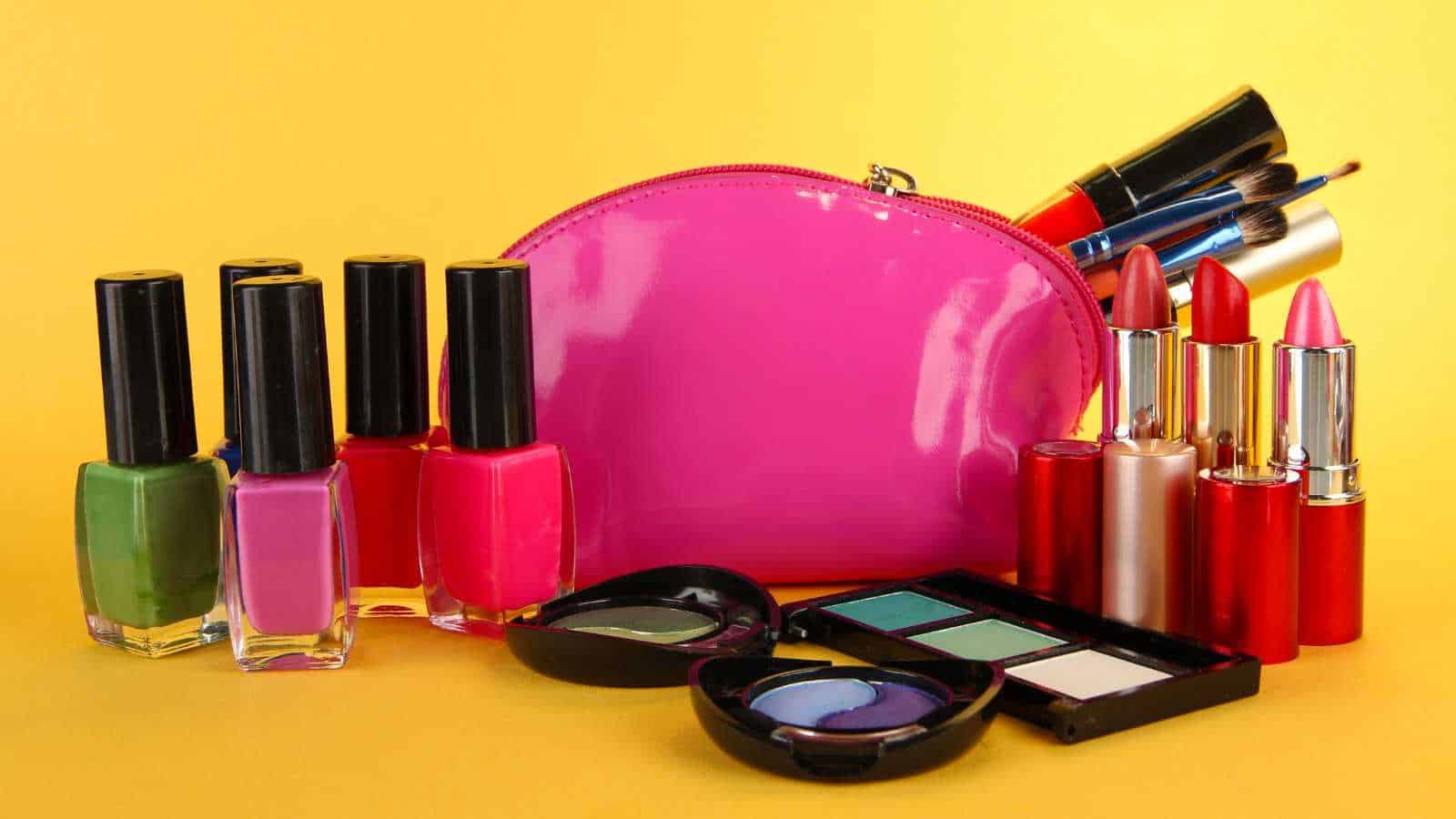
High-end beauty products often carry significant markups. Many drugstore skincare brands perform just as well as expensive designer products. The cost difference is usually due to marketing and packaging rather than superior ingredients or effectiveness. By choosing affordable skincare options, you can still take care of your skin without overspending.
Affordable brands are often just as effective, and many now offer ingredients that rival those of luxury lines. Stick to simpler, budget-friendly routines that focus on the basics for healthy, glowing skin.
Buying New Technology Too Quickly

The latest tech gadgets are always tempting, but they often lose their value quickly after hitting the market. Instead of rushing to buy the newest device, consider waiting for the price to drop or exploring refurbished models that offer the same performance for a fraction of the cost.
Choosing older versions of gadgets or opting for refurbished products can allow you to enjoy the same great features without the steep price tag. By giving it some time after the initial release, you can often score a better deal and still get all the technology you need.
Upgraded Airline Seats

Paying for an upgraded seat on a plane may not be worth it for short trips. According to Skyscanner, many travelers feel that the extra comfort of upgraded seats doesn’t justify the cost, especially for flights under four hours. Instead, book economy seats during off-peak times for better pricing, and use a travel pillow to improve comfort.
If you value comfort, focus on finding better deals in economy class rather than splurging on premium seats. It’s often possible to get extra legroom at a much lower price if you book in advance.
Expensive Weddings and Events

Weddings are a special occasion, but they don’t need to cost a fortune. The Knot reports that the average wedding in the U.S. costs around $33,000, a hefty price tag for one day. Instead of going into debt for a lavish celebration, consider hosting a smaller, more intimate event that focuses on meaningful experiences rather than extravagant spending.
By prioritizing what’s truly important, like the people and memories, you can still have a magical celebration without spending a small fortune. The money saved can be better invested in your future, for a down payment on a home, a savings fund, or a honeymoon.
Key Takeaways

When it comes to managing your finances, it’s important to be mindful of everyday expenses that can add up quickly. Subscriptions, takeout, and impulse purchases may seem harmless at first, but over time, they can drain your bank account. Regularly reviewing subscriptions and cutting back on non-essential services can free up extra cash for more important financial priorities. Additionally, small changes like brewing coffee at home, canceling unused memberships, or waiting for tech prices to drop can make a significant impact on your savings.
Smart spending isn’t about deprivation; it’s about being intentional with your money. By making thoughtful choices about what you buy and when, you can avoid the trap of overspending on things that don’t add lasting value to your life. Whether it’s finding better deals on tech, cooking meals at home, or prioritizing quality over brand names, these adjustments can help you build a healthier financial future while still enjoying the things that matter most to you.
Disclosure line: This article was developed with the assistance of AI and was subsequently reviewed, revised, and approved by our editorial team.
20 Odd American Traditions That Confuse the Rest of the World

20 Odd American Traditions That Confuse the Rest of the World
It’s no surprise that cultures worldwide have their own unique customs and traditions, but some of America’s most beloved habits can seem downright strange to outsiders.
Many American traditions may seem odd or even bizarre to people from other countries. Here are twenty of the strangest American traditions that confuse the rest of the world.
20 of the Worst American Tourist Attractions, Ranked in Order

20 of the Worst American Tourist Attractions, Ranked in Order
If you’ve found yourself here, it’s likely because you’re on a noble quest for the worst of the worst—the crème de la crème of the most underwhelming and downright disappointing tourist traps America offers. Maybe you’re looking to avoid common pitfalls, or perhaps just a connoisseur of the hilariously bad.
Whatever the reason, here is a list that’s sure to entertain, if not educate. Hold onto the hats and explore the ranking, in sequential order, of the 20 worst American tourist attractions.