12 U.S. states that permit overnight car sleeping at rest areas
The open road feels a lot friendlier when you know where you can pull over, lock the doors, and sleep without panic-Googling in the dark. In 2026, rest-area rules still vary widely across the U.S., so drivers need more than vibes and a half-charged phone.
NHTSA reports that 684 people died in crashes involving a drowsy driver in 2021, and drowsy driving appeared in 1.8% of fatal crashes from 2017 to 2021. That single stat explains why safe sleep stops matter, especially for solo travelers, moms driving with kids, night-shift workers, and road-trippers trying to save money.
Federal motor carrier rules also treat rest as part of staying awake and alert, which makes the “just push through” mindset feel outdated and risky. Still, a rest area is not a campground, and the difference matters. Most states that permit sleeping in a vehicle still ban tents, fires, chairs, awnings, and long stays. The smartest move is simple: read the posted sign, stay inside your car, keep the stop quiet, and leave the space cleaner than you found it.
Arizona keeps it simple
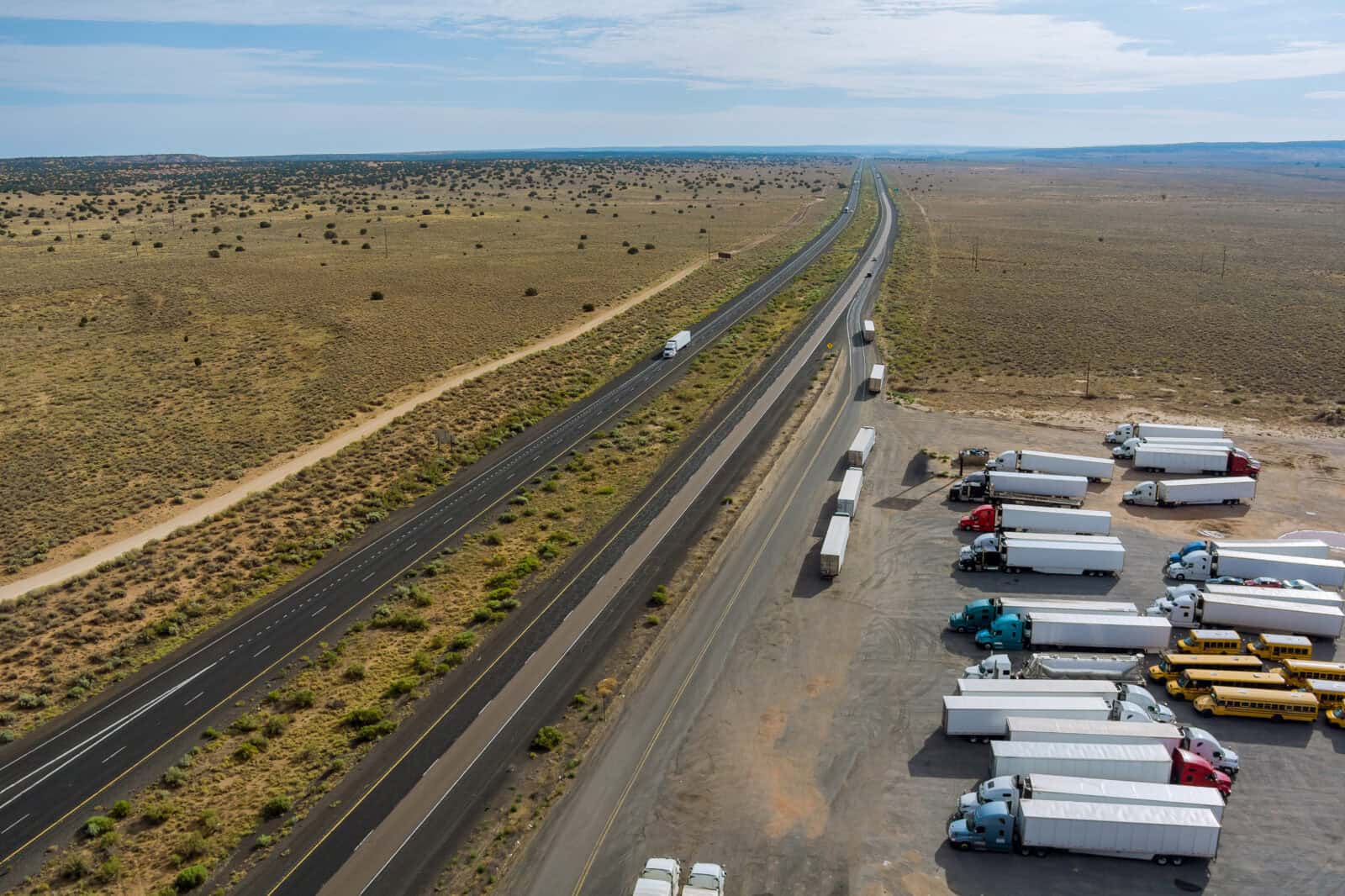
Arizona gives tired drivers a practical reset, especially on long desert highways where the next hotel can feel forever away. ADOT advises travelers to rest adequately before resuming travel, and its posted rest-area rules list camping and campfires as prohibited activities. That creates a clear line for drivers: sleep inside the vehicle, but do not turn the parking spot into a campsite.
The state lists six main prohibited uses on its rest-area rules page, including camping, vandalism, livestock unloading, and dumping. For women driving late, that simplicity helps because the rule feels easy to follow: park properly, lock up, rest, and move on when refreshed. Arizona still expects travelers to obey every posted sign, so a local limit at one stop can matter more than a broad statewide summary.
Arkansas allows a night pause
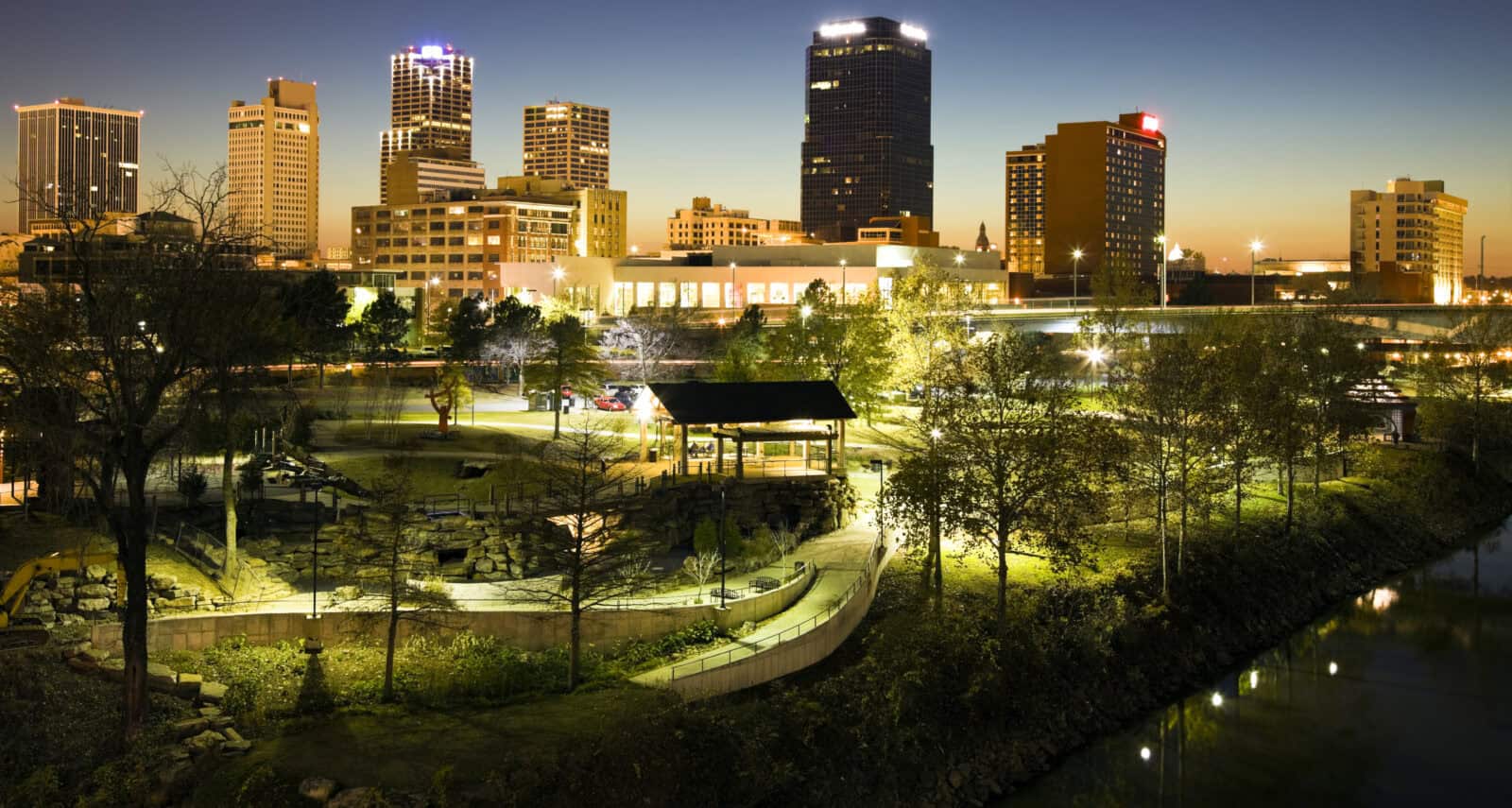
Arkansas offers travelers a useful overnight pause, and ARDOT data shows why public parking spaces matter on busy freight routes. For regular drivers, the takeaway stays simple: use marked spaces, stay inside the car, and avoid acting as if you moved in.
Arkansas welcome centers also keep restrooms available at all hours, even though the centers are staffed only during the day. That makes the state helpful for a tired traveler who needs a safe pause, not a vacation setup.
Idaho stays traveler-friendly

Idaho works well for drivers who need a break from fatigue, but the state draws a bright line around camping. The Idaho Transportation Department says safety rest areas are available for temporary use and advises drivers to stop and rest when they become sleepy or fatigued. It also says those facilities do not offer extended-stay or overnight camping, so the car should be your entire sleeping setup.
ITD describes safety rest areas as places with features like picnic tables, trash receptacles, drinking water, shade, traveler information, and vending machines. That mix helps families and solo drivers reset without having to hunt for a town at midnight. The safest interpretation is simple: take the rest you need, keep it quiet, and avoid anything outside the vehicle that looks recreational.
Iowa keeps breaks open

Iowa gives tired motorists room to recover, but drivers should still check each location before settling in. Current rest-area rule summaries commonly list Iowa as allowing up to 24 hours for reasonable rest, but local signs still control the exact length of stay.
For a person planning a budget road trip, Iowa’s appeal comes from the calm middle ground: you can rest without pretending a rest area is a campground. Keep your doors locked, keep valuables hidden, and leave the truck spaces for truckers.
Kansas makes room for sleep
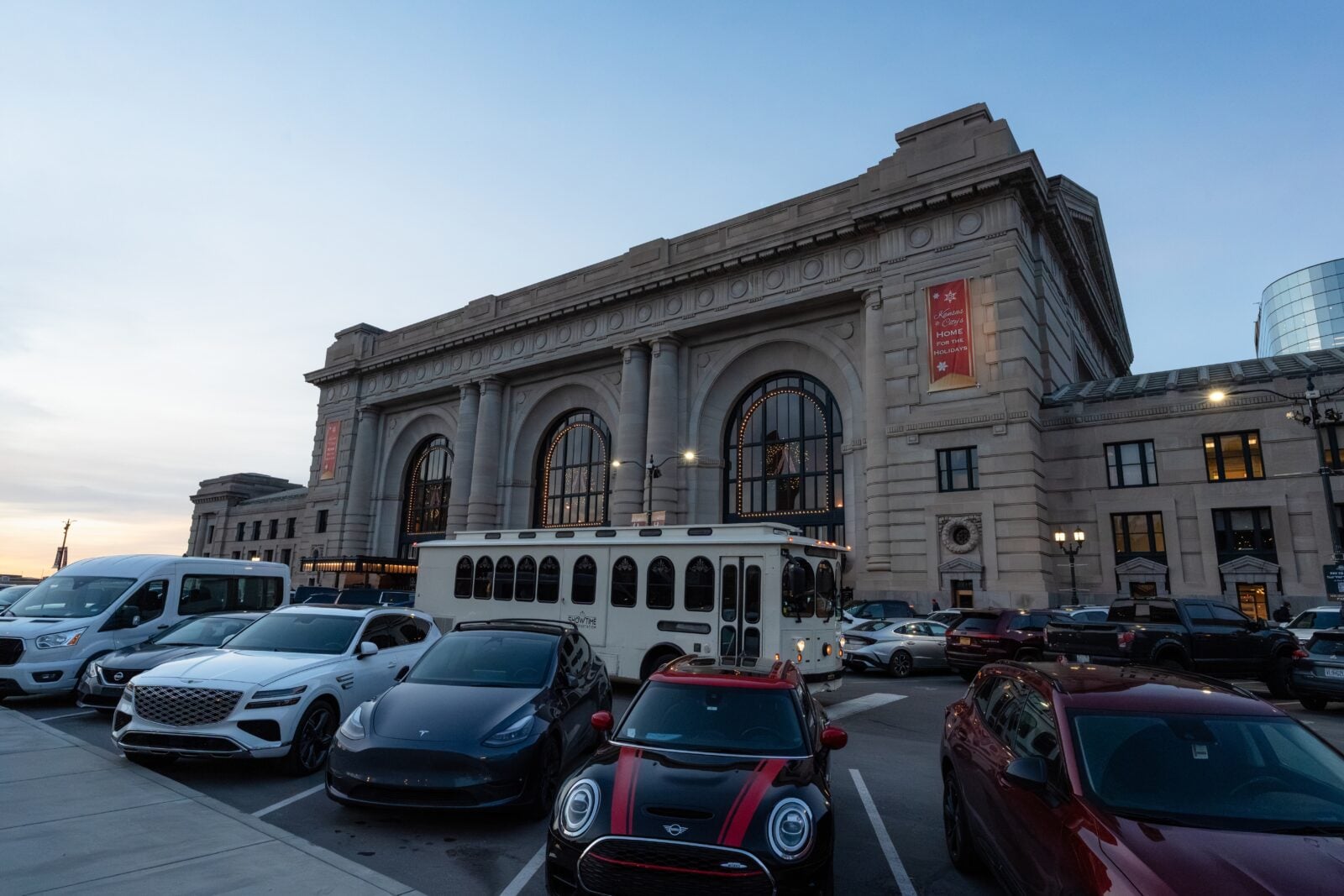
Kansas stands out because its rules give tired travelers more breathing room than those of many other states. Women traveling alone should still choose brighter, busier stops and park where they can leave easily. The best Kansas rest-area strategy keeps the stop short, tidy, and low-key, even with the state’s friendlier rule.
Mississippi supports fatigue relief
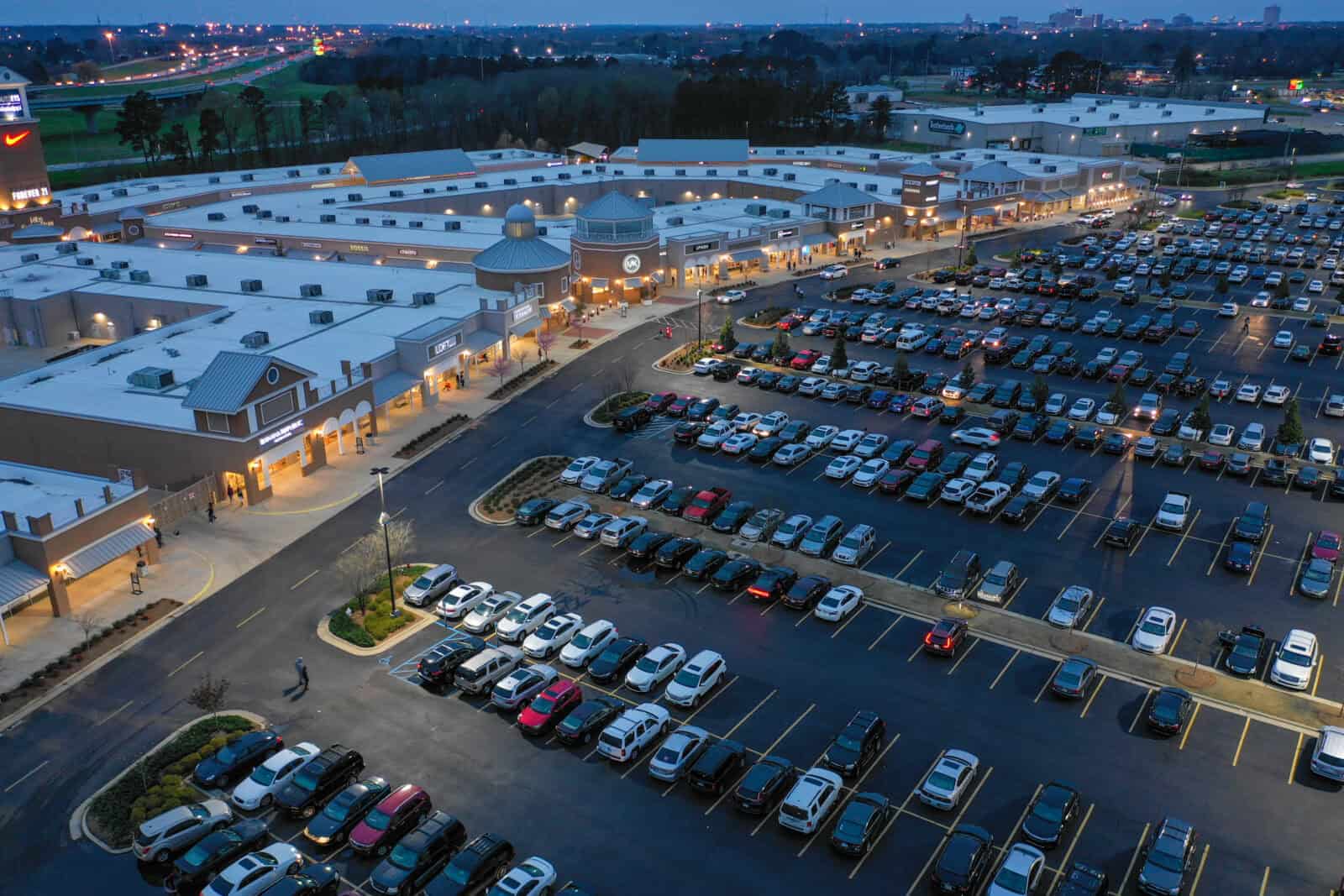
Mississippi practically allows overnight vehicle rest, but it discourages long-term parking. MDOT guidance states that long-term parking at highway rest areas does not align with the purpose and design of those facilities. Rest-area rule summaries often treat eight hours as the key Mississippi benchmark, so drivers should consider the stop a sleep recovery, not free lodging.
That still gives many road-trippers enough time for a meaningful overnight break. The smart move is to stay inside the car, avoid outdoor cooking, and keep the vehicle looking parked rather than camped. If staff or law enforcement checks on you, a calm explanation that you needed rest before driving usually fits the safety purpose of the stop.
Missouri stays flexible

Missouri remains useful for long-haul drivers and road-trippers who need a legal place to stop. Missouri rest stops work best for quiet overnight vehicle sleep, not camping behavior. Keep chairs, grills, and extra gear packed away, and do not take spaces meant for commercial drivers.
If you are driving with kids, Missouri’s spread of facilities can make a late-night route feel less stressful, since you can plan for safer breaks before everyone melts down.
Montana gives drivers a pause point
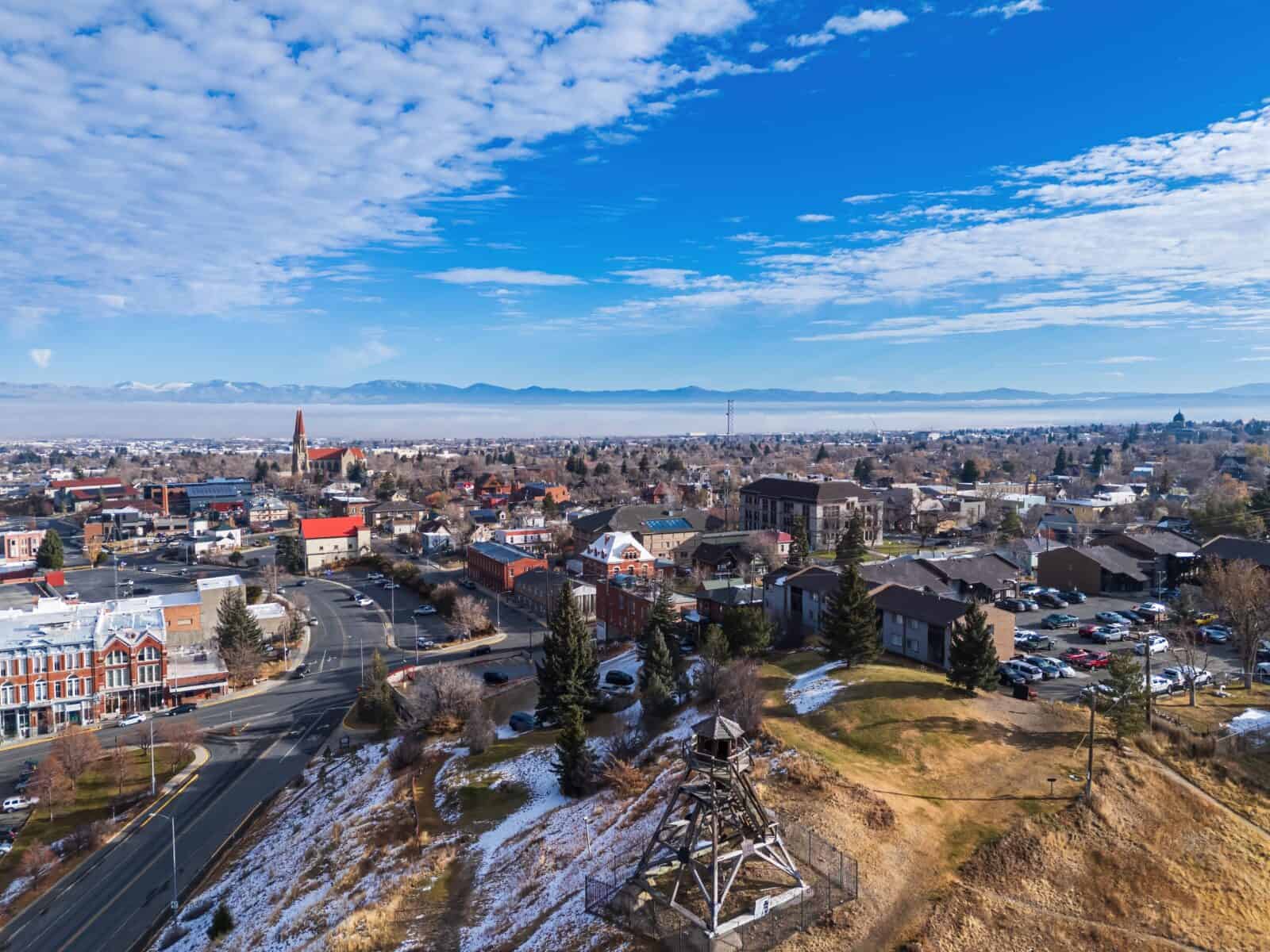
Montana feels built for long drives, and its rest-area rule gives tired drivers a clear limit. The Montana Department of Transportation says overnight parking is allowed, but it limits each vehicle to one parking space and a maximum stay of 12 hours. MDT also prohibits camping in rest areas, so travelers should keep their entire sleep setup inside the car, van, or RV. That 12-hour limit provides enough time for a real rest without allowing any one vehicle to dominate a public facility.
In a state with huge distances and quiet stretches, that balance helps travelers manage fatigue without drama. Women driving scenic western routes should still favor well-lit stops, park near other travelers, and trust their instincts if a site feels too empty.
Nevada offers a wider window
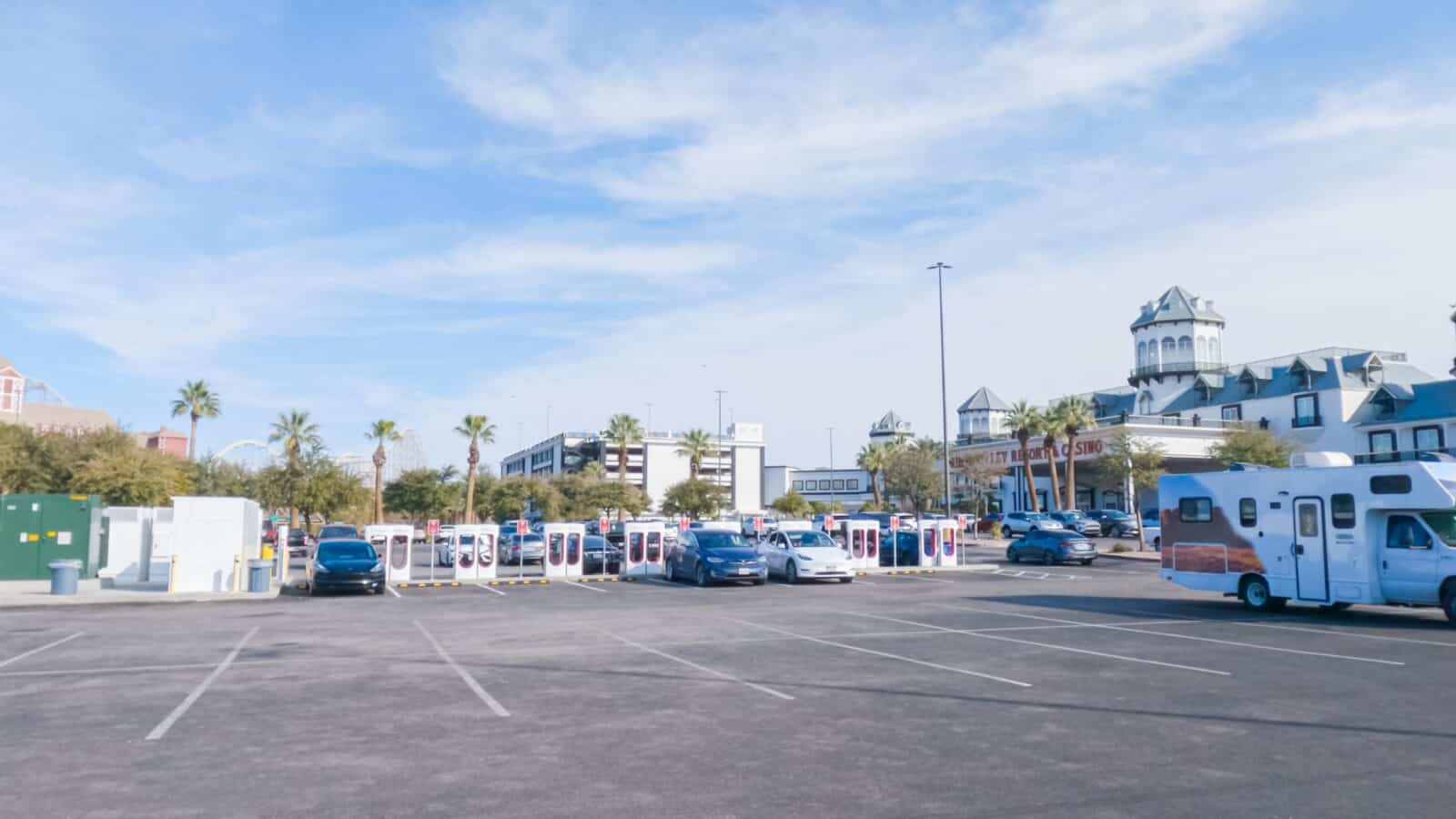
Nevada gives drivers a defined rest window, which helps on desert stretches where service stations can be far apart. Nevada law allows parking at a rest area for up to 18 hours within a two-week period. The same page says signs at each rest area should indicate how long visitors can stay, so the posted rule still leads.
That 18-hour figure gives drivers enough space for sleep, food, and a reset, but it does not support lingering. Nevada also treats rest areas as roadside parks and safety rest areas, so travelers should respect waste, animal, and parking rules. For a late-night driver crossing I-80 or I-15, Nevada’s rule can turn a scary push-through into a safer pause.
New Mexico supports safe pullovers
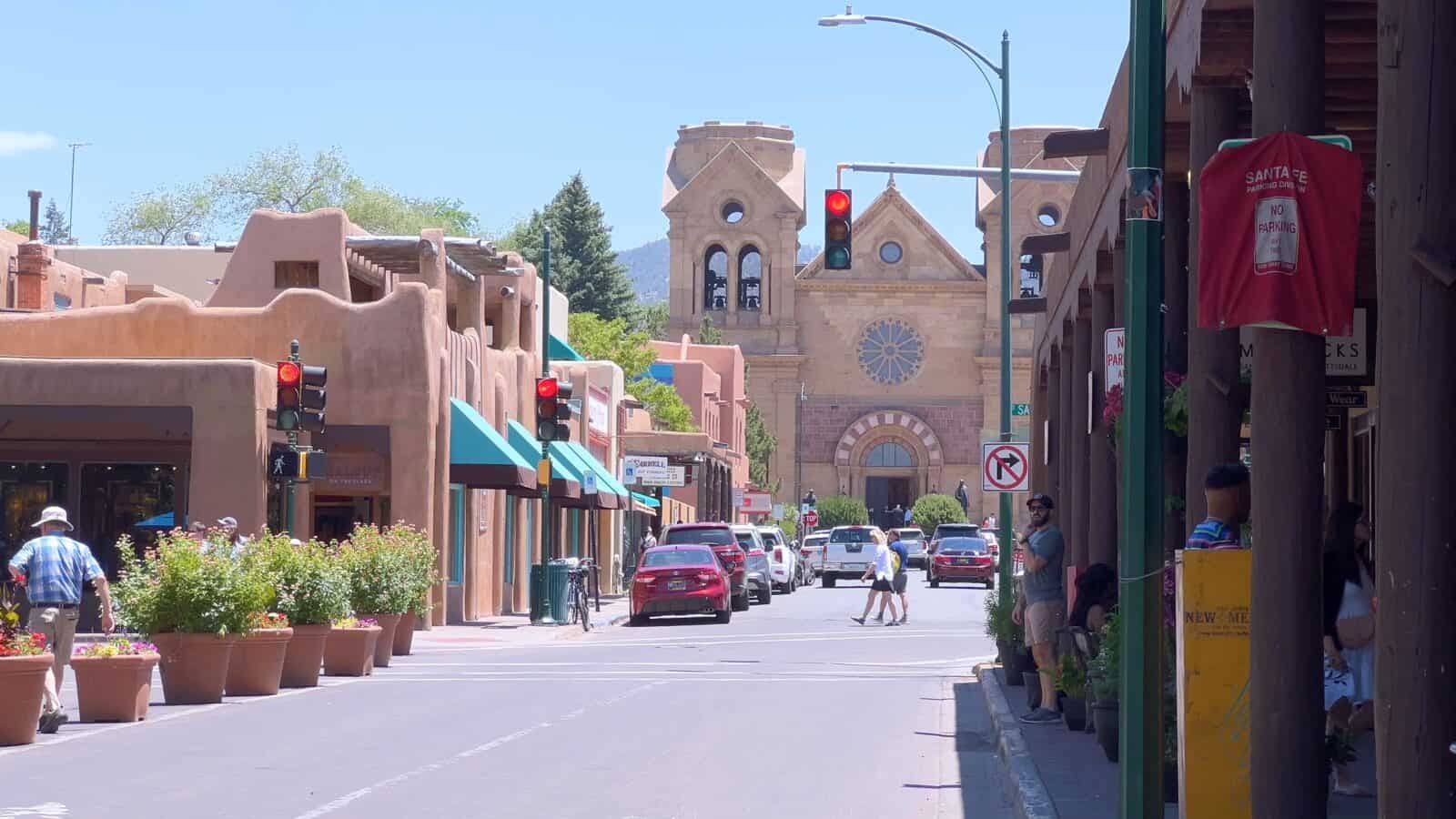
New Mexico offers travelers a reassuring safety cushion on long, open routes. NMDOT lists rest-area site information by district and keeps travelers updated on open and closed locations, which matters because a single closure can quickly change a nighttime plan. Current rest-area summaries commonly list New Mexico with up to 24 hours in three days, but drivers should still follow posted signs at each site.
The state’s desert highways can feel beautiful in daylight and lonely after midnight, so a legal rest option has real value. Keep the stop simple: park in a marked space, sleep inside, and skip any campsite behavior. A woman driving alone should also share her location with someone trusted before settling in, especially in quieter rural areas.
Oregon keeps the door open
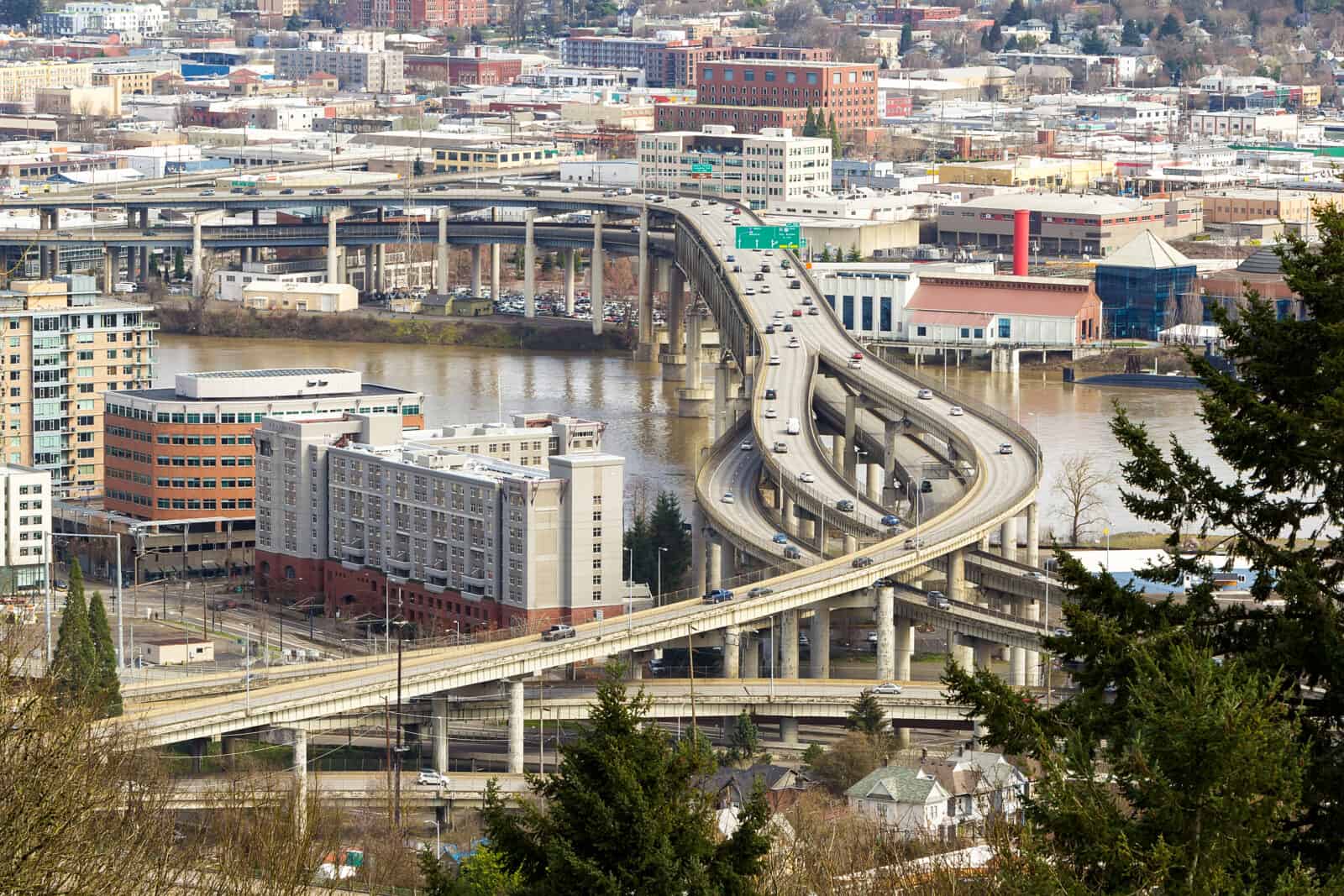
Oregon gives travelers a useful overnight rest option, but it watches the clock. State rules prohibit setting up a tent or other structure, camping, or remaining in a rest area for more than 12 hours within any 24 hours.
That 12-hour limit makes Oregon friendly to tired drivers but firm against living in rest areas. The rule also keeps the distinction simple for road-trippers: sleeping inside your vehicle can fit the purpose of rest, but spreading out outside crosses the line.
Oregon’s rule can help women on coastal drives, dropping off at college, or relocating solo, plan a backup sleep stop without overspending. Just check the sign, stay parked legally, and avoid using restrooms for bathing or washing dishes, since the rules also prohibit that.
Texas works for long hauls
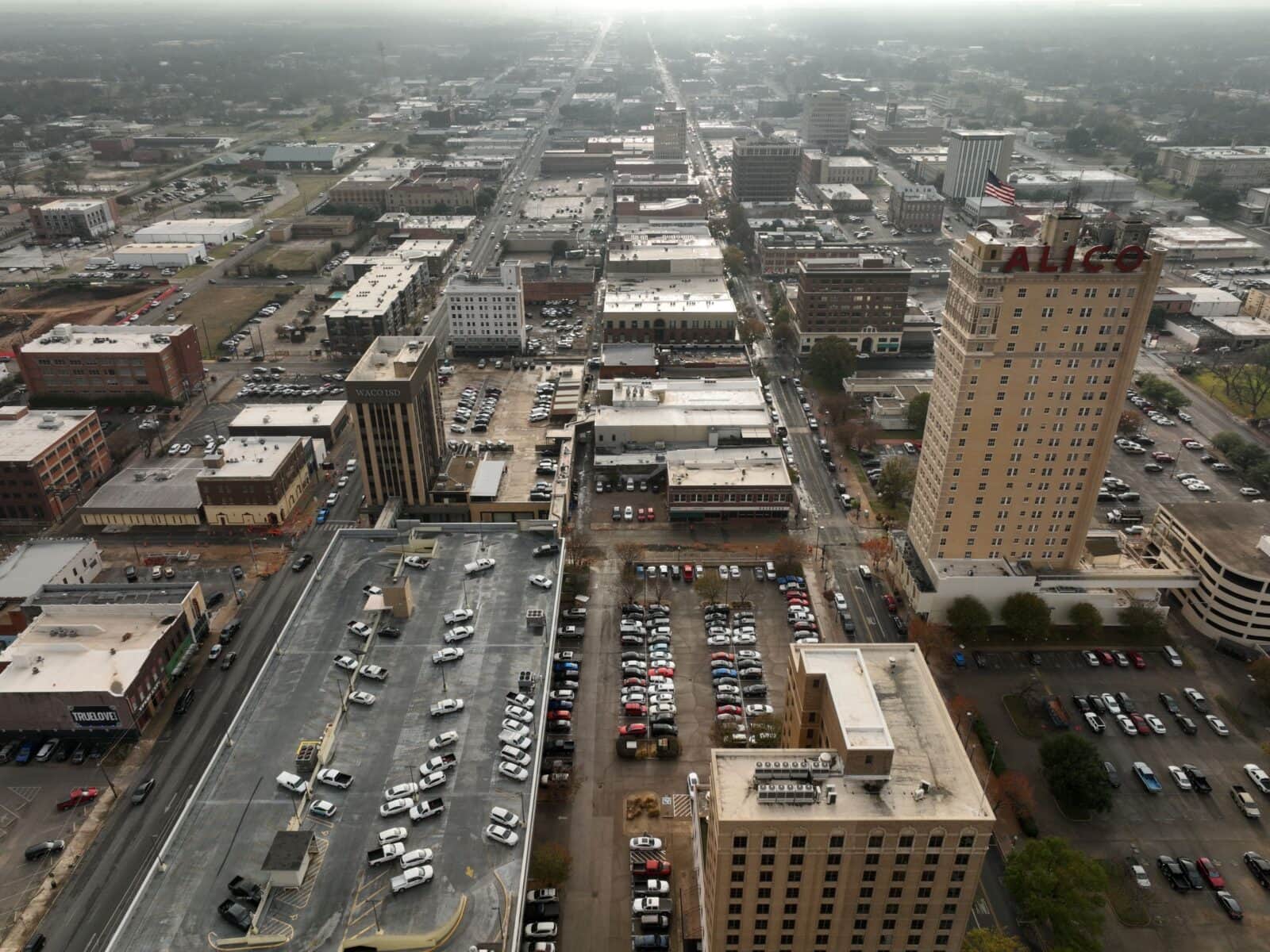
Texas feels almost made for this topic, because a “quick drive” can swallow up half a day. TxDOT says the visitor length of stay at safety rest areas runs up to 24 hours under Texas Transportation Code 545.411. The state also says its safety rest areas can include larger parking areas, separate sections for cars and commercial trucks, information areas, enhanced security, and even play areas for kids.
That mix helps tired travelers reset without leaving the highway corridor. Texas still expects drivers to avoid tents, shelters, and overstaying, so treat the stop as a rest break rather than a free mini vacation. For women driving across Texas with family, pets, or a moving car full of belongings, this rule can offer a calmer backup plan when fatigue hits hard.
Key takeaway

Overnight car sleeping at rest areas can be a smart safety move, but it works best when drivers respect the difference between resting and camping. These 12 states generally allow travelers to sleep in their vehicles, though time limits and posted signs still govern the actual stop.
The safest pattern stays simple: choose a bright area, park in the right section, lock your doors, keep valuables hidden, and leave outdoor gear packed away. The strictest rule across the whole list is not glamorous, but it matters: if the sign says something different, follow the sign. Rest areas exist to help tired people stop before the road becomes dangerous, making them a practical backup for American drivers who want safer, cheaper, less stressful trips.
Disclaimer – This list is solely the author’s opinion based on research and publicly available information. It is not intended to be professional advice.
Like our content? Be sure to follow us.