13 things that will die off with baby boomers
As baby boomers retire, an entire era of analog habits and things is disappearing faster than anyone realized.
As the baby boomer generation moves into their twilight years, they are taking certain habits and items with them. We are witnessing a massive cultural shift where analog traditions are quietly fading into the history books.
It is fascinating to watch how technology and changing values are reshaping our daily lives in real time. What was once essential for survival is now becoming a nostalgic relic for the younger crowd.
Cable TV Bundles

The days of flipping through hundreds of channels to find nothing on are officially numbered. Streaming services have completely taken over the living room, leaving expensive cable packages in the dust.
According to a 2025 report by Nielsen, streaming viewership finally surpassed cable and broadcast combined, capturing 44.8% of total TV time. Younger viewers simply cannot justify paying high prices for commercials and rigid schedules anymore.
Landline Telephones

Most homes today are entirely wireless, and the idea of a phone tethered to a wall seems ancient. You hardly see anyone rushing to answer a ringing house phone during dinner time these days.
In 2023, about 76.0% of American adults lived in households without a landline. For the majority of the population, a smartphone is the only connection they need to the outside world.
Paper Checks
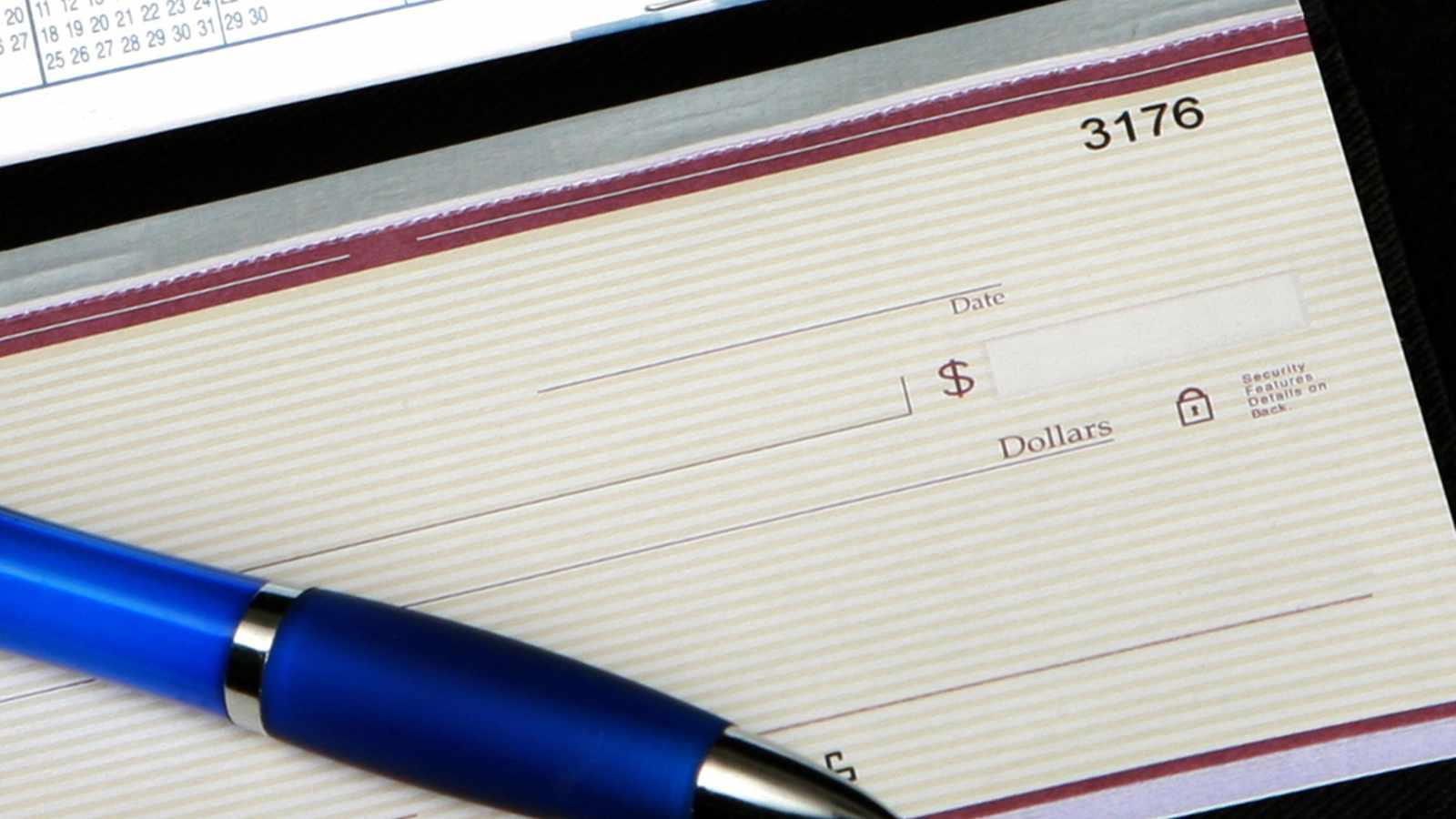
Writing a check at the grocery store used to be a common sight, but now it feels like a scene from a movie. Digital wallets and instant transfers have made the slow process of paper payments obsolete.
A February 2025 Nasdaq report highlighted that 47% of boomers aged 55-64 had not written a physical check in the past year. The convenience of tapping a card or phone has effectively killed the paper check.
Cash In The Wallet

Carrying a thick wad of bills is becoming a rare habit as digital transactions become the standard. Younger generations prefer the ease of Venmo or Apple Pay over fumbling for exact change.
The Federal Reserve found in 2023 that consumers under age 55 used cash for only 12% of their payments. Physical money is quickly becoming a novelty rather than a necessity for daily commerce.
The Department Store

Huge anchor stores that once defined the American shopping mall are closing their doors at an alarming rate. The convenience of online shopping has drained the life out of these massive retail spaces.
Global Web Index reported in 2025 that baby boomers are the only generation where a majority, 58%, still prefer in-store shopping. As this demographic fades, the massive department store model will likely vanish with them.
Print Newspapers

The morning ritual of snapping open a broadsheet newspaper over coffee is largely a thing of the past. Breaking news now travels instantly through social media rather than waiting for the morning delivery.
The News Media Alliance notes that the median age of a daily print newspaper reader is now 57.9 years old. Digital subscriptions have replaced the ink-stained fingers that once came with staying informed.
Fine China Sets

Formal dining rooms filled with expensive plates that are never used are becoming a burden for inheritors. Minimalist lifestyles and casual dining habits have made these delicate collections largely unwanted.
Most young families today prefer durable, dishwasher-safe dishes that can handle the chaos of everyday life. The concept of keeping a separate set of dishes just for special occasions is fading fast.
Ironing Clothes

The sharp creases and perfectly pressed shirts that boomers prized are being replaced by wrinkle-free fabrics. Modern clothing technology has made the iron an appliance that gathers dust in the closet.
Performance fabrics and a more relaxed workplace dress code have made ironing a lost art form. Few people under forty have the time or patience to stand over an ironing board.
The Business Suit

Workplace attire has relaxed significantly, moving from three-piece suits to hoodies and comfortable sneakers. The strict corporate uniform that signaled professionalism is being swapped for authentic personal style.
Even the finance and law sectors are slowly adopting business casual as the new standard for office wear. Comfort is king in the modern workplace, leaving the stiff suit behind.
Workplace Loyalty

The idea of staying with a single company for forty years to get a gold watch is effectively dead. Younger workers jump between jobs frequently to increase their salary and find a better work-life balance.
Companies no longer offer the pensions that once bought such unwavering loyalty from their employees. The modern career path is a winding road rather than a straight ladder.
Physical Photo Albums

Heavy books filled with glossy 4×6 prints are being replaced by cloud storage and digital frames. We take more photos than ever, but they rarely make it off our phone screens.
The tactile experience of flipping through plastic sleeves is being lost to the infinite scroll of a gallery app. Digital clutter has replaced the curated family history that once sat on the coffee table.
Greeting Cards

Sending a physical card through the mail for a birthday or holiday is becoming a lost gesture. A quick text message or a social media post has become the accepted way to say congratulations.
The cost of postage and the effort of mailing a card simply do not appeal to the digital generation. Instant communication has made the slow journey of a paper card feel inefficient.
Phone Books

Those massive yellow and white directories that used to pile up on the doorstep are now practically extinct. Searching for a local business is done instantly on a search engine or map app.
Printing thousands of pages of numbers that are outdated the moment they arrive is incredibly wasteful. The internet has rendered the physical phone book completely useless for finding information.
Like our content? Be sure to follow us.