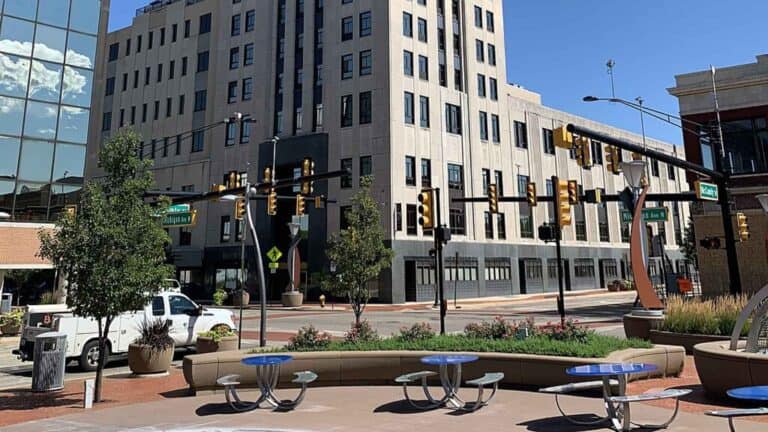
14 things likely to fade out by 2030
By 2030, everything we know is going to look pretty different, and no, it’s not just about flying cars and robot butlers.
Some things we’ve relied on for years are already disappearing. Take retail, for example: 15,000 stores in the U.S. are expected to shut their doors by 2025, according to CNBC, a figure double that of previous years.
That’s just one sign of how fast things are changing. As technology and consumer habits evolve, we’re watching everything from cash to manual transmissions slowly fade away. Here are 14 things likely to disappear by 2030, and why this shift might not be as scary as it sounds.
Data Entry Jobs (Robots Are Here to Steal Your Job)

Data entry jobs, which once required hours of typing away at a desk, are rapidly being replaced by AI and automation. As artificial intelligence continues to improve, it can perform tasks like data processing, input, and auditing faster, more accurately, and without breaks.
This trend is just one example of how automation is disrupting the workforce, making jobs once done by humans obsolete. Workers in these fields will need to reskill or risk being replaced by machines.
Physical Retail Stores (The Struggle Is Real)

If you’ve spent hours wandering through crowded malls or dealing with long checkout lines, you’ll probably agree that physical retail stores are a bit of a hassle these days. With the rise of e-commerce, it’s clear that online shopping is just far more convenient.
The pandemic pushed many reluctant shoppers into the digital world, accelerating the trend. By 2025, 15,000 stores could close across the U.S., CNBC highlights, with many brands opting for online-only models. So, if you’re still holding on to the nostalgia of wandering through the mall, it might be time to face the reality — it’s changing, and fast!
Cash (The ‘Cold Hard Cash’ Is Dead)

Remember when cash was the go-to method of payment for everything from your morning coffee to a shopping spree? Well, those days are slowly slipping away as digital payments take over. In 2024, cash accounted for just 14% of all U.S. transactions, a huge drop from previous years, as highlighted by the Federal Reserve Bank.
With mobile wallets and credit cards taking center stage, it’s no surprise that cash is increasingly being viewed as an old-fashioned way to pay. Apps like Venmo, Apple Pay, and Google Pay are leading the charge, making transactions faster and more convenient for everyone.
In the not-so-distant future, cash could be as rare as a collector’s item rather than a necessity.
Fax Machines (Fax Me… Wait, Never Mind)

Let’s be honest, the fax machine was never as incredible as it sounded. It might have been revolutionary back in the day, but now it’s just an outdated relic. While some industries, like healthcare and law, still rely on fax, the rest of the world has moved on to secure digital transfers, such as email and encrypted platforms.
The reality is, fax machines are being phased out in favor of faster, more efficient tech. Faxes will likely be confined to niche industries and remembered as a quirky part of history. It’s time to say goodbye to faxing, and good riddance, finally!
Landline Phones (Hanging Up for Good)
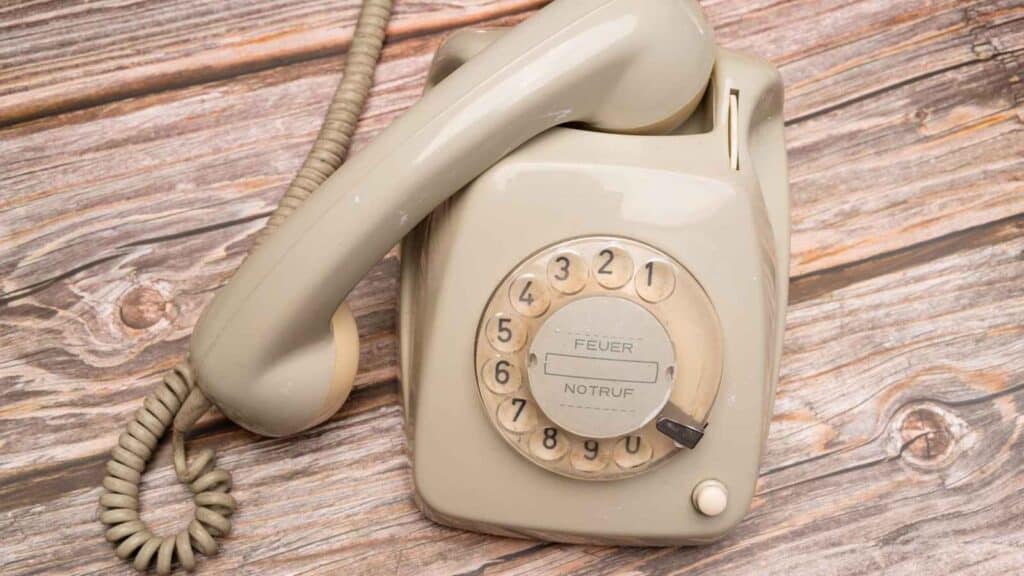
If you’re still holding onto a landline, you’re probably one of the last few people doing so. Mobile phones have long since taken over, and their versatility makes landlines seem almost irrelevant.
Mobile phones are everywhere and increasingly offer all the features we need without the restrictions of a fixed, physical line. Your kids might look at you in confusion when you mention a “landline” in the near future. It’s time to embrace the digital communication era, where one device does it all.
Travel Agents (Click-and-Book, No Human Necessary)

Gone are the days when booking a vacation meant calling up a travel agent and having them do all the work for you. With websites and apps like Expedia, Booking.com, and Google Flights, planning and booking travel has never been easier.
In fact, in the future, traditional travel agents will only be around to handle luxury or highly complex trips. For the average traveler, everything can be booked online with a few clicks. Say goodbye to your travel agent—DIY travel planning is the future.
Cable TV (Unsubscribing in 3… 2… 1…)

Let’s be real—how many of us are still paying for cable TV when there are better, more affordable options like Netflix, Disney+, and Hulu? Cable packages are not only expensive, but they also come with a heap of channels you don’t need or want.
The number of people “cutting the cord” has been growing steadily, and by 2026, it is predicted that only 54.3 million U.S. households will have cable TV, according to EMARKETER. With cable providers offering fewer incentives to keep subscriptions, it’s clear that cable TV will likely be an afterthought.
So, if you haven’t already, it might be time to switch to the streaming revolution.
Paper Maps and Atlases (Google’s Got Your Back)

When’s the last time you used a paper map? Probably a while ago, right? With apps like Google Maps, Apple Maps, and Waze, paper maps have quickly become a thing of the past.
These apps don’t just guide you; they offer real-time traffic updates and suggest reroutes, making them way more convenient than a static map. Having smartphones as our go-to navigation system makes carrying around a paper map feel outdated.
By then, paper maps will likely be seen as relics of the past, something you’d keep in a museum, not in your glovebox. Welcome to the future of navigation!
Physical Media (CDs, DVDs, Blu-ray… RIP)

If you still have a collection of DVDs, Blu-rays, or CDs, you’re part of a shrinking group. DVD, Blu-ray, and UHD Blu-ray sales dropped 23.4% year over year, Cord Cutters News reports. Streaming services like Spotify and Netflix have made it easier than ever to access movies, TV shows, and music instantly. So who needs to buy a physical copy?
Once, owning a physical media collection was the thing, but now it’s a bit of a hassle when all your favorite content is just a click away. If you’re still holding on to your old discs, it might be time to digitize them or let go altogether.
Dedicated GPS Devices (Google Maps Is All You Need)

Who needs a dedicated GPS device when your smartphone already handles it better? Apps like Google Maps and Apple Maps provide real-time traffic updates, alternate routes, and precise location tracking all in one place.
Gone are the days of relying on bulky, standalone GPS units — now everything you need is right on your phone. Plus, smartphones are always with you, while a GPS device is just another thing to carry.
We will likely look back and wonder why we ever used those clunky systems. Smartphones are the future of navigation, and they’re already here.
Manual Transmission Cars (Driving Stick? Not So Much Anymore)

Here’s a fun one: manual transmissions are nearly extinct in new cars. In the U.S., they account for less than 1% of all car sales. With automatic transmissions and electric vehicles (EVs) dominating the market, the demand for manual gearboxes has dropped off a cliff.
Sure, some car enthusiasts still love the control and connection of a manual shift. But for the vast majority of drivers, automatic is just easier, faster, and more comfortable. Plus, with EVs taking over, manual transmissions will soon be as obsolete as the rotary phone. Expect driving a manual to be a niche hobby for a few rather than the standard.
Low-Skill, Repetitive Jobs (AI Is Taking Over)

Assembly line work, cashiering, and telemarketing are all being replaced by AI and automation at an alarming rate. Machines can perform these jobs faster, more accurately, and 24/7, making human workers less necessary.
As a result, millions of workers will need to reskill to remain relevant in the workforce. If you’re in a repetitive role, now is the time to start learning new skills. Automation is the future, and it’s coming whether we’re ready or not. The change is inevitable, and adapting is the key to staying ahead.
Outbound Telemarketing (Bye-Bye, Cold Calls)

Do you love getting cold calls from telemarketers? Yeah, me neither. The good news is that telemarketing is on the decline thanks to AI-powered systems. Automated sales calls and voice bots can reach out to potential customers faster and more efficiently than a human, meaning fewer annoying telemarketers will be interrupting your day.
By 2030, most of these calls will likely be fully automated, leaving the human callers a thing of the past. Goodbye, cold calls—and thank goodness for that..
Manual Toll Booth Operators (The Robots Are Here)

Have you ever been stuck at a toll booth, waiting for a human to take your payment? The days of manual toll booths are numbered. With the rise of electronic toll collection (ETC) systems, we can now pass through tolls without even stopping.
These systems are already in use in many places, and by 2030, manual toll booth operators will be nearly extinct. It’s all about speed, efficiency, and automation. By the end of the decade, expect electronic tolling to replace human toll booth operators.
Key Takeaways

By 2030, many of the things we’re used to will be gone, thanks to technology and automation. Physical retail stores will keep shrinking as e-commerce takes over, and cash will probably be a thing of the past, replaced by digital payments.
We’ll say goodbye to landlines as mobile phones become the default, and cable TV will get left behind by the freedom of streaming. Many low-skilled jobs, like data entry and telemarketing, will be taken over by AI, so workers will need to upskill.
Physical media like CDs and DVDs will fade out as streaming becomes the only way we consume content. Oh, and manual transmission cars? They’ll be pretty rare in a world dominated by electric vehicles. The key to all of this? Embracing the change and getting ready for a more connected, automated, and efficient future!
Disclosure line: This article was developed with the assistance of AI and was subsequently reviewed, revised, and approved by our editorial team.
Why investing for retirement is so important for women (and how to do it)

Why investing for retirement is so important for women (and how to do it)
Retirement planning can be challenging, especially for women who face unique obstacles such as the wage gap, caregiving responsibilities, and a longer life expectancy. It’s essential for women to educate themselves on financial literacy and overcome the investing gap to achieve a comfortable and secure retirement. So, let’s talk about why investing for retirement is important for women and how to start on this journey towards financial freedom.
Coffee and Kidney Health: Risks, Benefits, and What Studies Say

Coffee and Kidney Health: Risks, Benefits, and What Studies Say
The evidence shows that moderate coffee consumption is safe and may even protect kidney health. Problems arise from excessive caffeine, inadequate hydration, and the presence of sugary additives.