12 effective tips to reduce facial puffiness and enhance your natural look
Waking up with a swollen face can feel like a personal betrayal by your own body. I used to dread looking in the mirror each morning because I resembled a pufferfish more than a human being. IMO, nobody wants to start their day wondering where their jawline went.
Did you know that according to the CDC, 89% of US adults exceed daily sodium recommendations? This dietary habit is a major culprit behind that morning swell. If you want to reduce facial puffiness effectively, you need a mix of science, lifestyle tweaks, and a bit of self-care.
Start With a Gentle Lymphatic Facial Massage

You can manually push the fluid out of your face using your hands or a tool. Dr. Melissa Kanchanapoomi Levin explains that massaging lymph nodes helps drain toxins and reduce swelling.
Use a facial oil and gently massage from the center of your face outward and down toward your neck. Always move downwards to guide the fluid into your lymph nodes for disposal.
Rethink Your Sleeping Position and Pillow

Sleep is when your body repairs itself, and missing out shows up on your face instantly. A study on sleep deprivation revealed that lack of rest leads to redder, more swollen eyes and hanging eyelids.
Try to get 7 to 9 hours of quality shut-eye every night. Your face will thank you by looking brighter and tighter in the morning.
Cut Back on High-Sodium Foods

Salt is tasty, but it acts like a sponge for water in your body. The average American consumes about 3,400 mg of sodium daily, far above the recommended 2,300 mg.
When you eat too much salt, your body retains fluids to dilute it. Try seasoning with herbs instead of the salt shaker to see a difference.
Hydrate Strategically to Flush Retained Fluid

It sounds counterintuitive, but not drinking enough water can actually make you more puffy. Your body holds onto water when it’s dehydrated, thinking it needs to store it. Staying hydrated helps your kidneys process sodium more effectively, so you’re flushing out excess fluid instead of retaining it.
So, next time you’re tempted to skip that water bottle, remember: hydration is key to reducing that morning puffiness.
Moderate Alcohol for a Less Puffy Look

Alcohol is inflammatory and dehydrating, a double whammy for facial puffiness. It causes your blood vessels to widen, leading to redness and that classic “hangover face” described by Westlake Dermatology.
Skip the wine if you have an early morning or a photo op. If you do drink, match every glass of alcohol with a glass of water to mitigate the damage.
Cool It: Use Cold Compresses or Cooling Tools

Ever tried a cold spoon under your eyes? It works! Cold constricts blood vessels and reduces swelling. Cool compresses, jade rollers, or even chilled eye patches can help temporarily calm puffiness.
It’s the quickest fix, especially when paired with a solid skincare routine. You’ll notice a difference right away, but remember, it’s a temporary solution. Keep it in your toolbox for those mornings when you need to look fresh, stat!
Support Skin From Within With a Lower-GI, Anti-Inflammatory Diet

Let’s talk about what you eat, because, surprise, it can affect how your face looks! A refined-carb, sugar-rich diet raises insulin levels and increases inflammation, both of which contribute to puffiness and skin issues.
For healthier skin, try incorporating whole grains, lean proteins, and antioxidant-rich fruits and vegetables into your diet. A diet like this stabilises blood sugar and supports healthier skin, making that puffy face less likely to make an appearance.
Also on MSN: 12 beauty mistakes women keep repeating and its costing them
Manage Stress and Check for “Cortisol Face” Red Flags
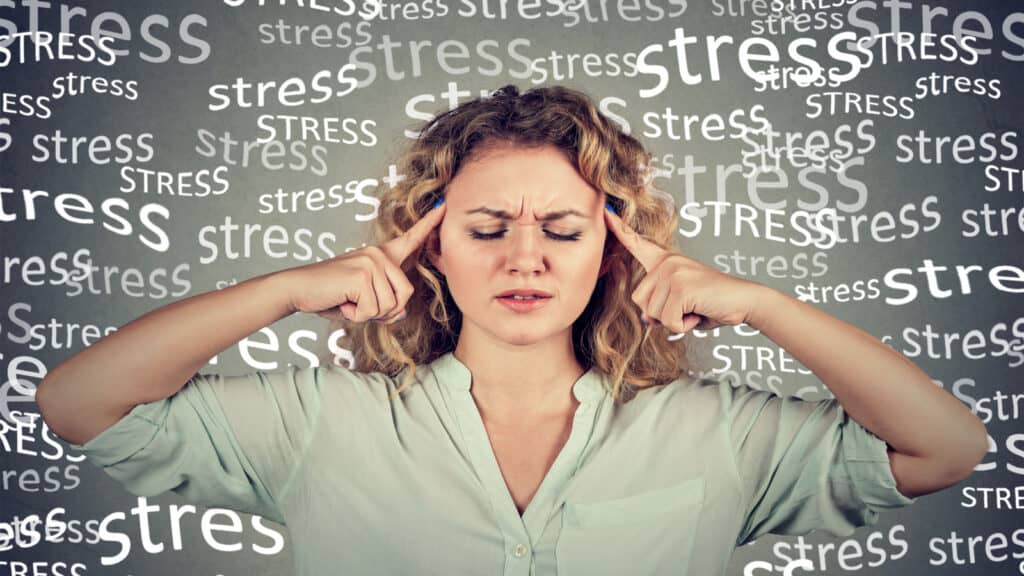
Stress can lead to increased cortisol levels, which in turn cause inflammation and fluid retention. While occasional stress won’t turn you into a puffy version of yourself, chronic stress can definitely make it worse.
If you’re feeling extra puffy around your face or neck, especially if it’s paired with other signs like weight gain, consult a doctor; it could be a sign of something more serious. Managing stress with activities like yoga or meditation can keep your cortisol levels (and your puffiness) in check.
Watch for Allergies, Sinus Issues, and Medical Causes

Not all facial puffiness is created equal. Sometimes, swelling is a sign of an underlying condition, such as allergies, sinus issues, or even kidney problems. If your puffiness is persistent and doesn’t improve with lifestyle changes, it might be time to see a doctor.
Don’t just brush it off as “cosmetic”; getting to the root cause could save you a lot of headaches down the line. If the swelling is sudden, painful, or accompanied by other symptoms, don’t wait to get it checked out.
Adjust Skincare: De-Puff Without Over-Irritating

Are you using heavy, greasy creams around your eyes? That could be a major culprit in your morning puffiness. Opt for lightweight, fragrance-free moisturisers that don’t block your skin’s natural ability to breathe.
The goal is to support circulation, not cause more irritation. Use gentle tapping motions (no harsh rubbing) to apply your skincare, and always remove makeup before bed to avoid extra skin stress.
Move More to Support Circulation and Lymph Flow

Sitting all day? Your face might be showing it. Being physically active boosts circulation, supports lymphatic drainage, and helps your body release excess fluid. Even a simple walk or a bit of light yoga can help reduce that puffiness.
The more you move, the more your lymphatic system can clear out the fluid that causes swelling. It’s a simple, natural way to keep things moving in the right direction.
Time Your Carbs, Salt, and Skincare Before Bed

What you eat and do before bed can set the stage for morning puffiness. Eating a salty dinner or indulging in late-night carbs or alcohol might leave you waking up with a bloated face.
Try to eat healthy, lighter meals earlier, avoid salt-heavy foods, and remove your makeup before bed. Sleeping with your head elevated can also help the fluid drain overnight, leaving you with a less puffy face when you wake up.
Disclosure: This article was developed with the assistance of AI and was subsequently reviewed, revised, and approved by our editorial team.
Like our content? Be sure to follow us