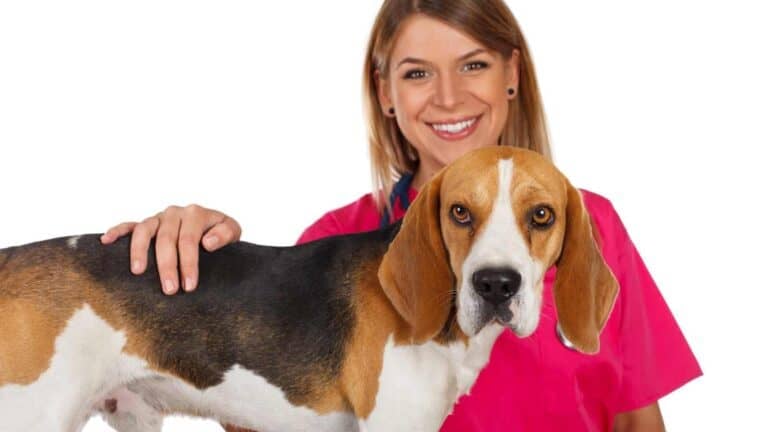
These 15 dogs are topping the list of poorly behaved breeds ever
Lists of “bad” dog breeds are always controversial, but surveys and insurance data do show that some types are more likely to be labeled mischievous, stubborn, or hard to train. A large-scale survey published in ScienceDirect found that about 34% of owners reported at least one noticeable behavioral problem, with fear and disobedience among the most common issues.
Trainers stress that no breed is born “evil,” but high energy, independence, and strong instincts can make certain dogs feel like the worst behaved on the block if their needs aren’t met. Here are 15 breeds that frequently top “poorly behaved” or “least obedient” lists, plus what experts say is really going on.
Japanese Spitz
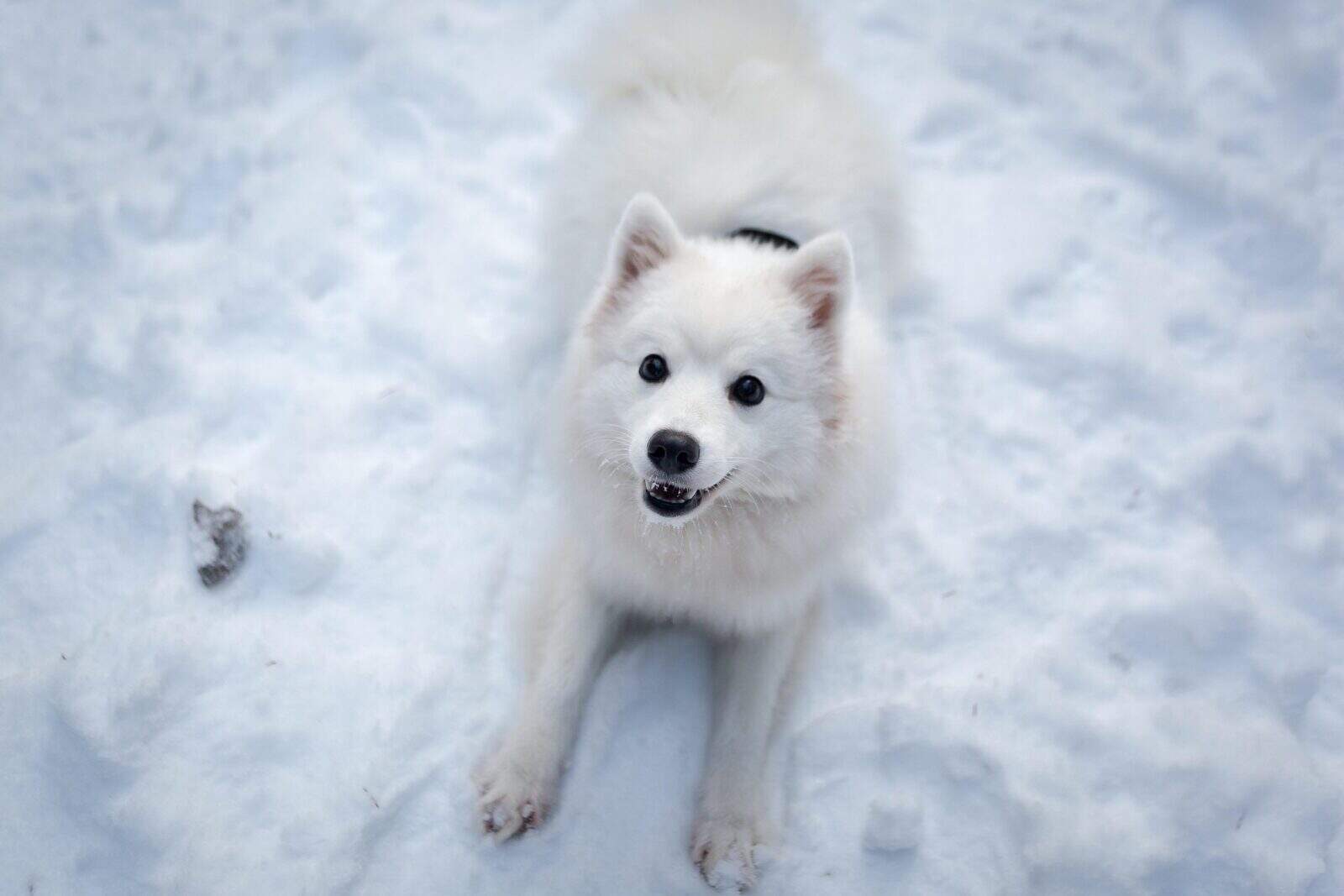
A recent social‑media–based analysis by Upworthy found that the Japanese Spitz generated more “naughty” hashtags than any other breed, with about 86.7 posts per 10,000 mentioning unruly behavior. Owners describe these fluffy white dogs as hilarious, clingy troublemakers who climb all over you, interrupt you, and “maliciously cuddle” you at every chance.
Experts note that their high sociability and energy can turn into barking, attention‑seeking, and destructive behavior when they’re bored. With training and exercise, that mischief can be channeled into play instead of chaos.
Labrador Retriever
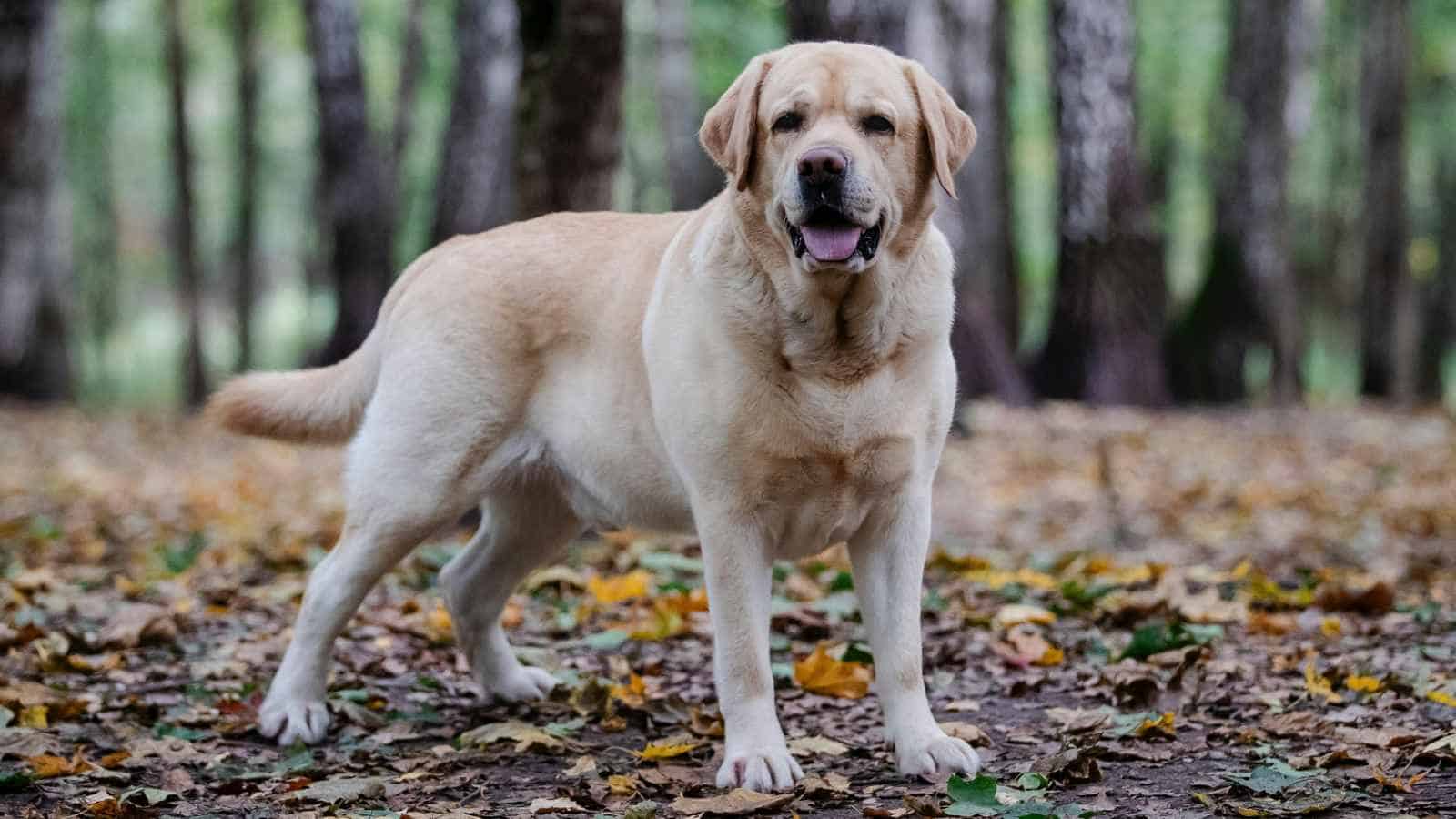
Despite being America’s favorite family dog, Labradors consistently rank among the “naughtiest” breeds in insurance and social‑media data. A ManyPets analysis of thousands of claims and customer reports cited by Country Living named Labs the most mischievous breed, responsible for the most trouble‑related incidents.
The Upworthy study of “naughty hashtags” also placed Labradors near the top for chewed items, stolen food, and general mayhem. Trainers say this isn’t malice. Labs are highly food‑motivated, energetic, and people‑oriented, which can manifest as counter‑surfing and destruction if their needs are underestimated.
Cockapoo
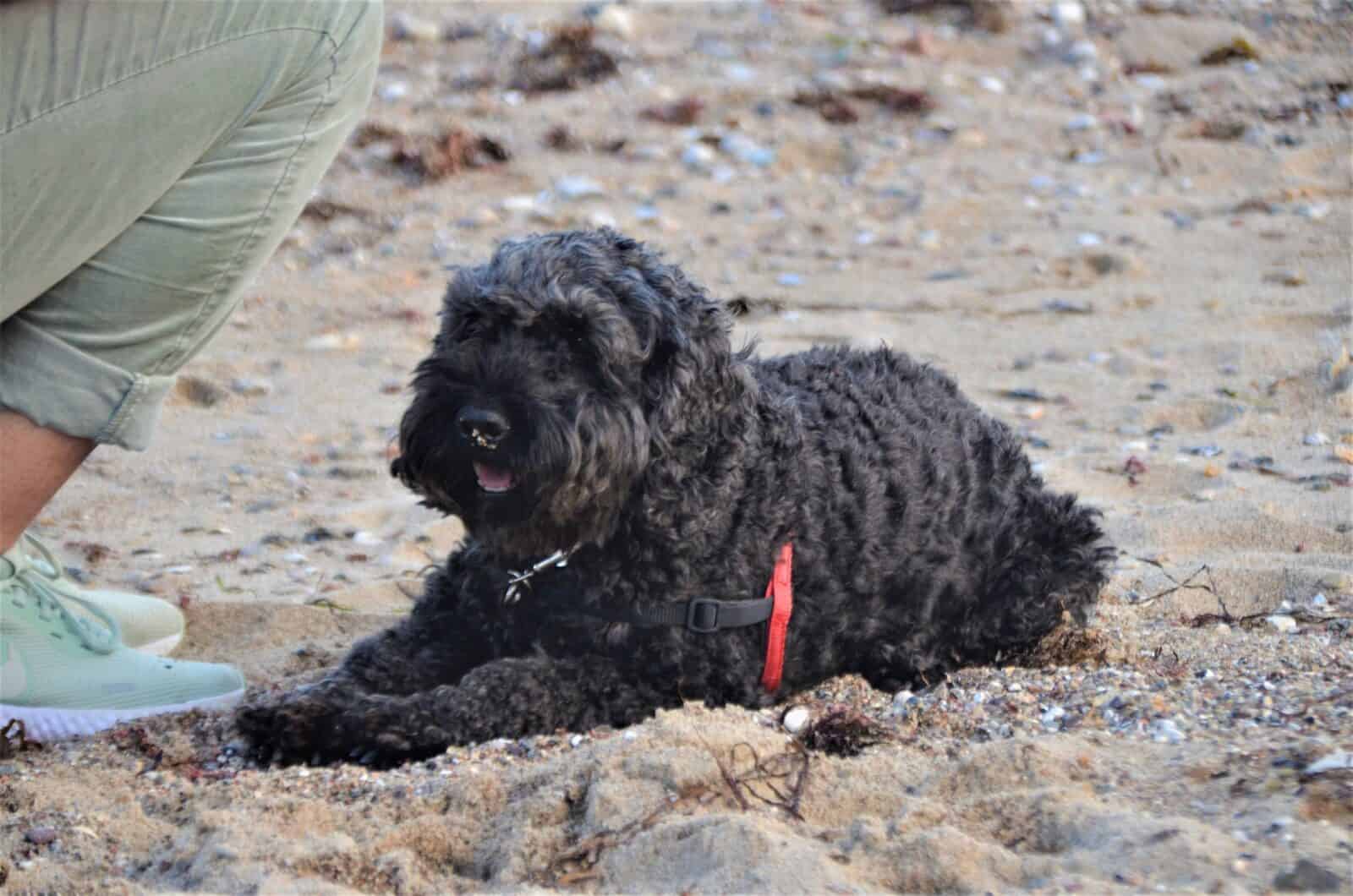
Cockapoos (Cocker Spaniel–Poodle mixes) appear on multiple “naughty” lists, including being ranked the second most mischievous breed by Country Living and also landing high on social‑media misbehavior rankings.
According to PureWow, Cockapoos combine the energy and friendliness of a spaniel with the smarts of a poodle, which can lead to hyperactivity, separation anxiety, and boundary‑testing without structure. They shine with training and enrichment, but left to their own devices, they can be shoe‑destroying tornadoes.
French Bulldog
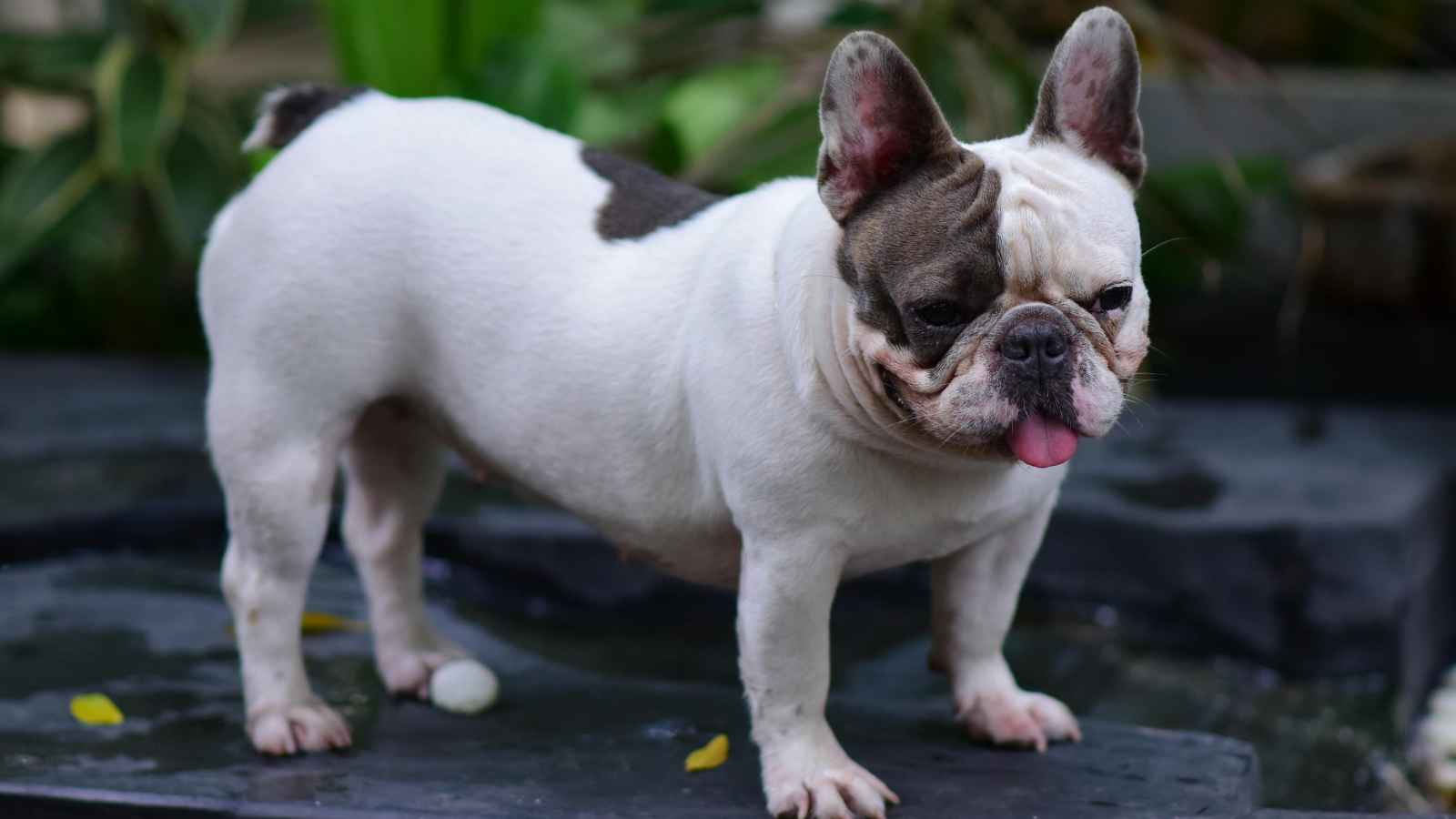
French Bulldogs are wildly popular, but they often score as some of the worst-behaved in owner surveys, ranking among the top “naughty” breeds in recent behavior polls. Lists of “most mischievous” breeds regularly include French Bulldogs for their stubbornness, chewing, and vocal opinions about everything.
Behavior specialists say Frenchies are clever but can be very willful; without consistent boundaries and mental exercise, they quickly learn to get their way via whining, barking, or passive resistance.
Beagle
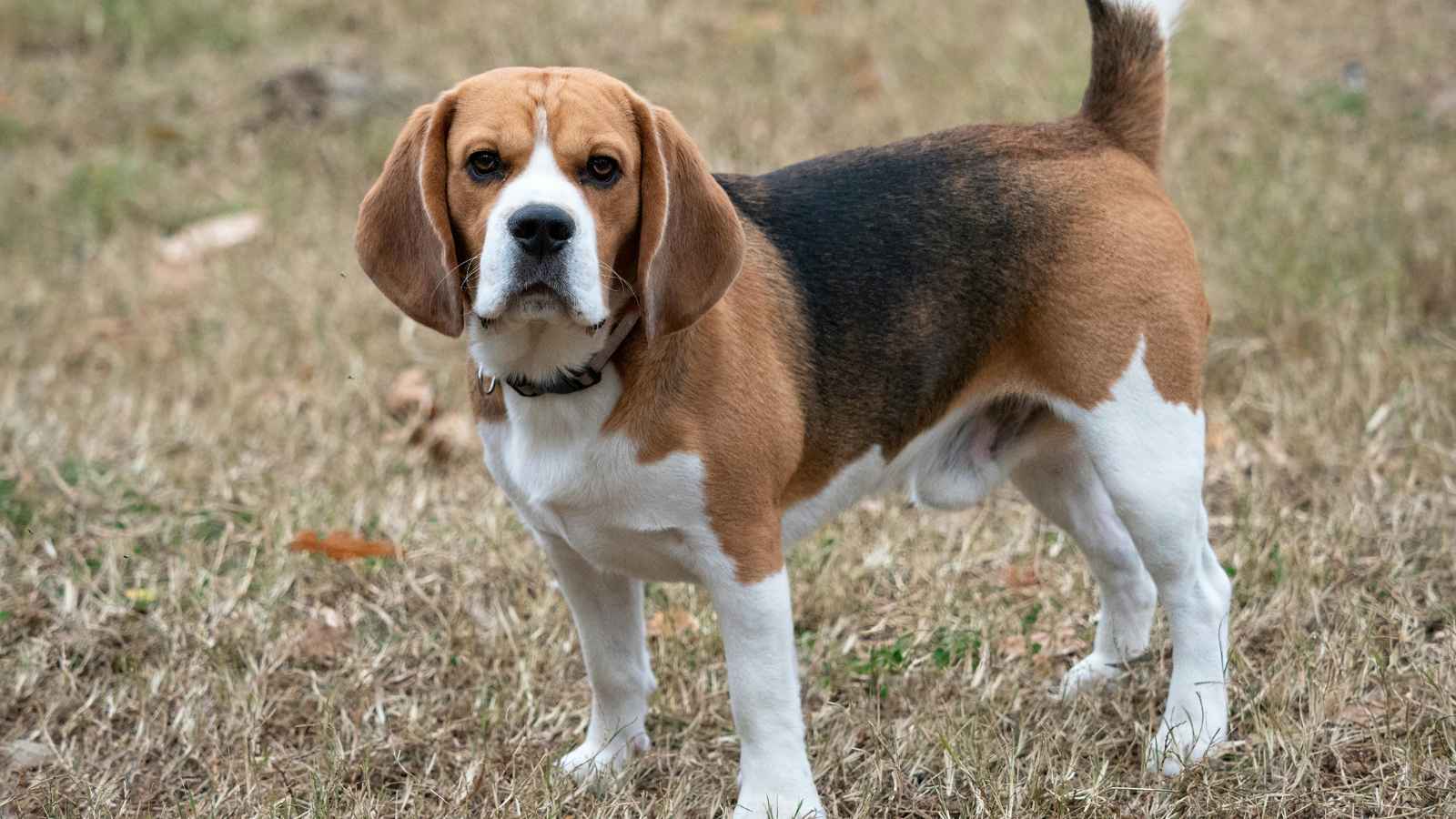
Beagles frequently rank among the least obedient and worst‑behaved dogs in owner surveys, thanks to their nose‑driven independence. One U.S. survey named Beagles among the five “worst behaved” breeds based on owner‑reported disobedience, destructive habits, and ignoring cues.
An obedience ranking compiled from trainer data cited in Newsweek lists Beagles in the bottom tier for reliability, often needing 80–100 repetitions to learn new commands and obeying less than 25% of the time. Their hunting heritage means scent always comes first unless training is rock‑solid.
Siberian Husky
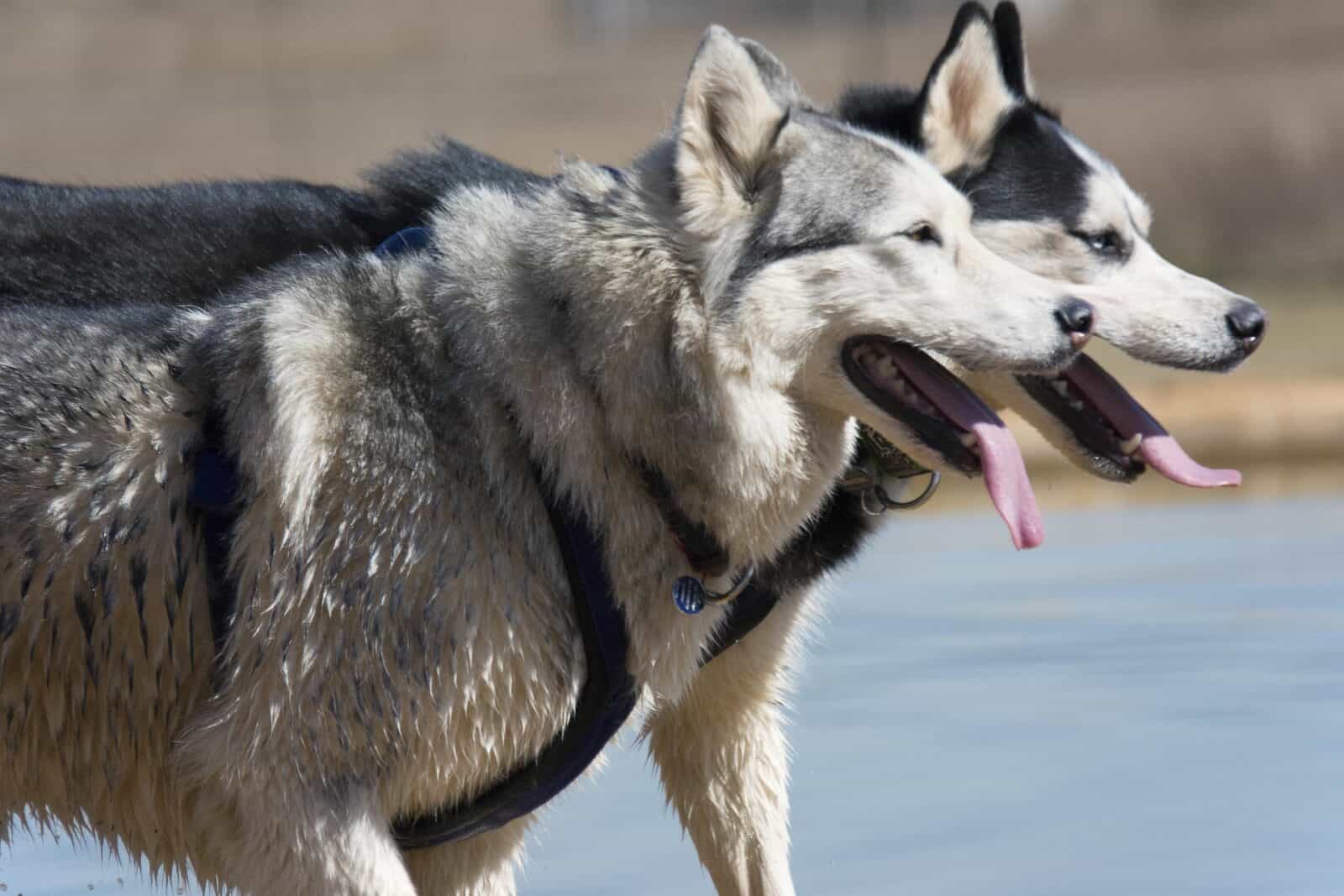
Siberian Huskies rarely behave badly out of malice; they’re bred to run, think independently, and work in teams, but that combination can be a nightmare in a typical suburban home. Behavior surveys and training lists like this one from AlwaysPets consistently rank Huskies among the most disobedient and mischievous breeds, citing escape attempts, destruction, and selective hearing.
A legal review of dog‑bite statistics found Huskies were implicated in 26 deaths between 2014 and 2020, underscoring how their power and independence can become dangerous without proper management. Trainers stress that these dogs need extreme exercise and strong leadership to avoid chaos.
Basenji
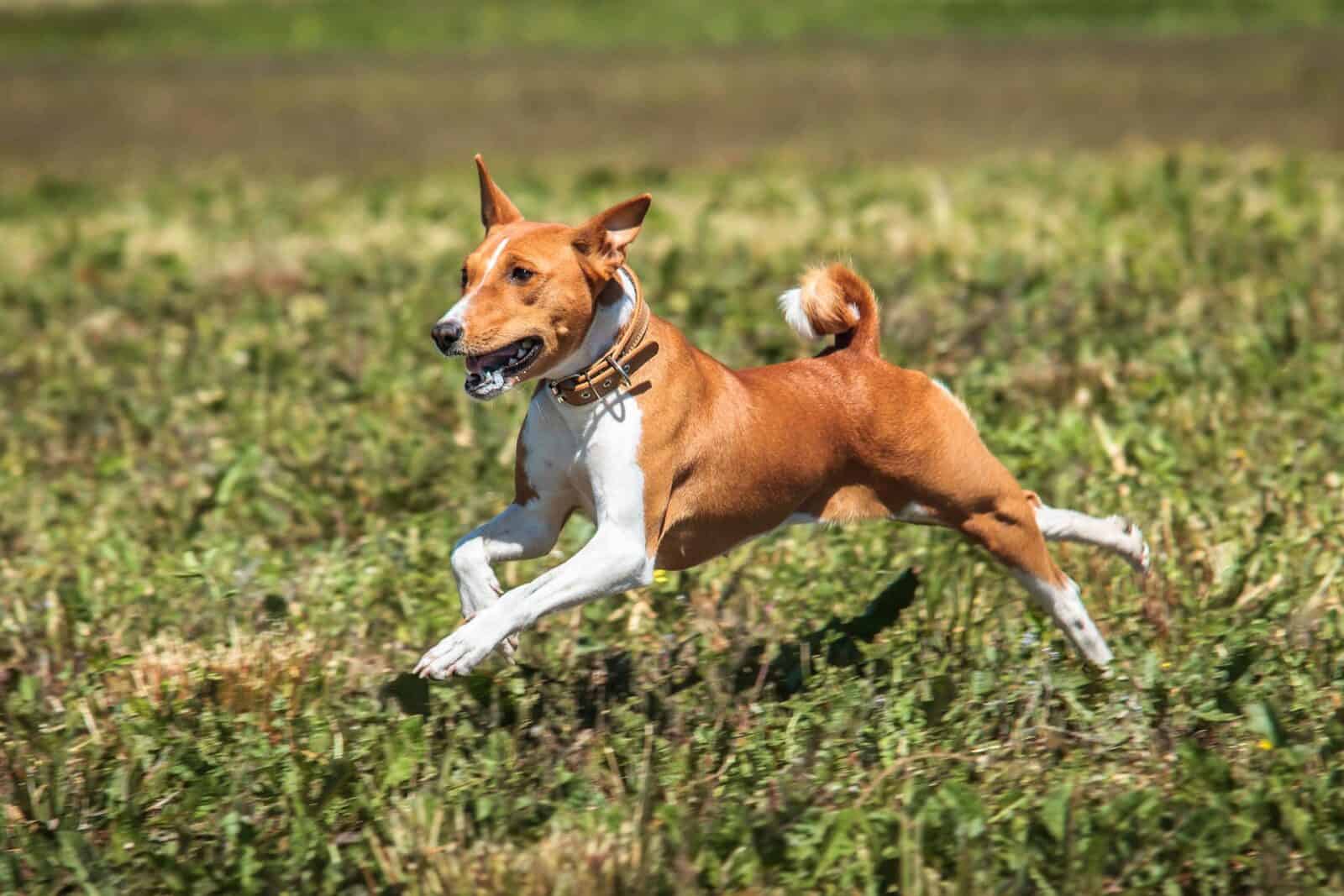
Basenjis rank near the top of multiple “least obedient” lists. The same Newsweek obedience ranking places them second‑worst overall, noting that they often comprehend new commands only after 80–100 repetitions and obey less than 25% of the time.
Behavior writers describe Basenjis as brilliant escape artists who will “turn problem‑solving skills against you” if they’re bored, chewing, or dismantling anything within reach. Their cat‑like independence and high prey drive make them a challenge even for experienced owners.
Afghan Hound
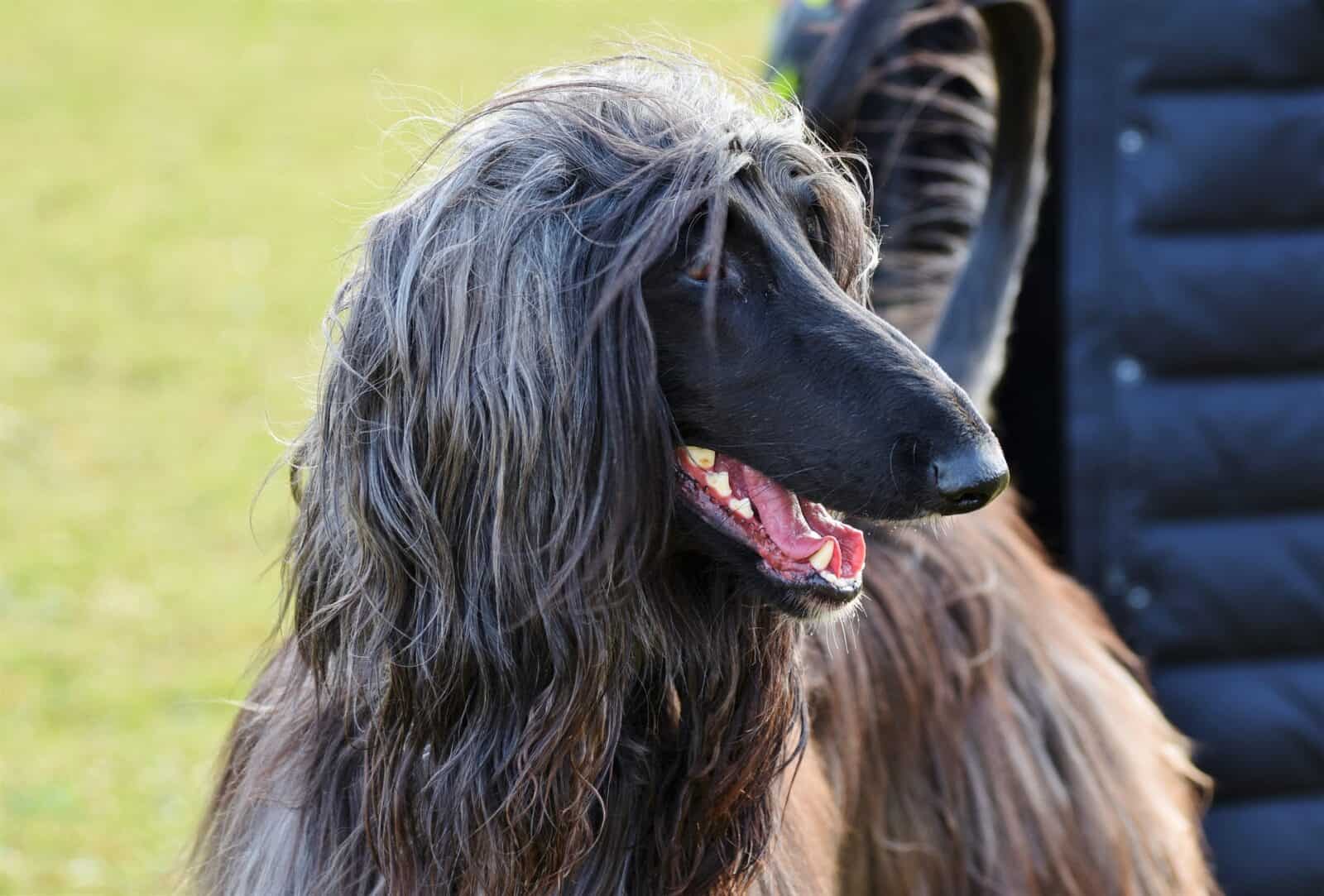
The Afghan Hound is often crowned the single least obedient dog in classic trainer rankings. In one widely cited list, Afghans came in dead last, understanding new commands only after many repetitions and obeying on the first try less than a quarter of the time.
StudyFinds says this isn’t stupidity but independence: Afghans were bred as solitary hunters and are used to making their own decisions. Without patient, positive training, their aloofness reads as spectacular “bad behavior.”
Bloodhound
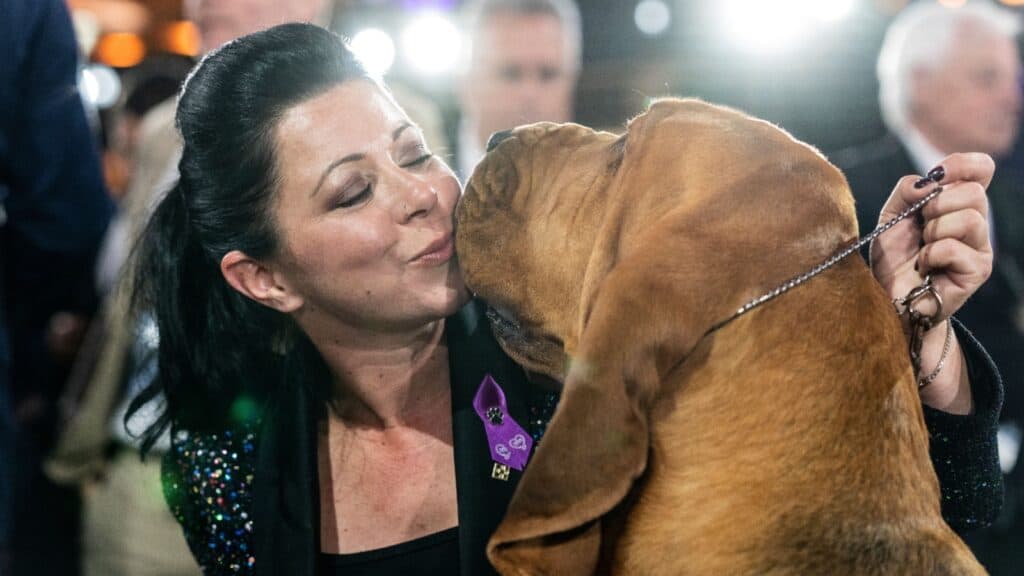
Bloodhounds are sweet‑natured, but their noses and stubborn streak routinely land them on “most disobedient” lists. Trainer‑based rankings place Bloodhounds in the bottom group for obedience, noting that they obey commands 25% of the time or less and are easily distracted by scent.
Experts explain that Bloodhounds were bred to follow trails relentlessly; once they catch a scent, recall becomes difficult, and leash‑pulling, baying, and wandering are common complaints.
Dachshund
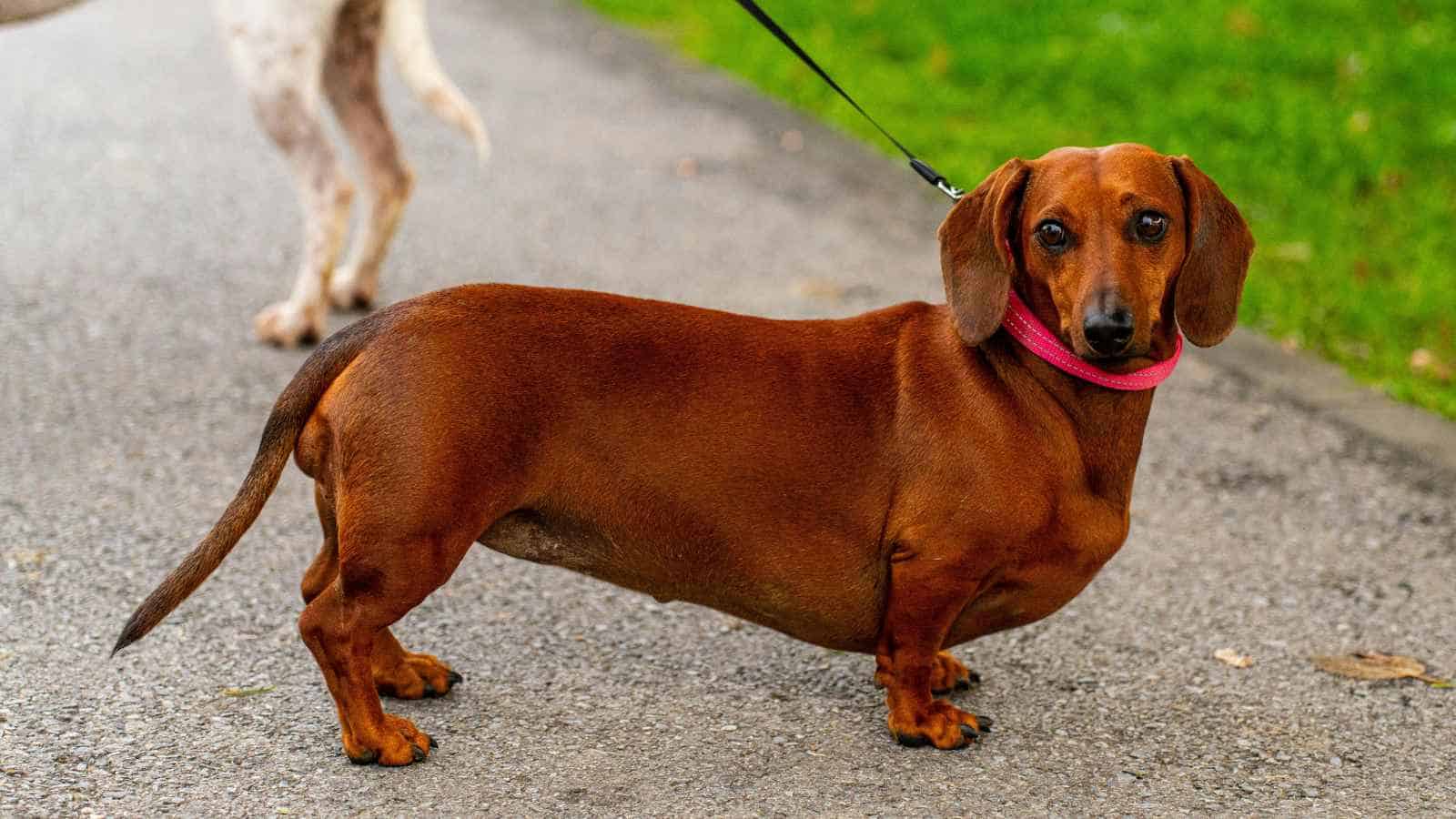
Dachshunds are adorable but notoriously headstrong. Behavior and training lists frequently rank them among the hardest dogs to house‑train and recall, citing their independent hunting background.
Dog‑training experts say their digging, barking, and refusal to listen are all extensions of their original job, chasing badgers underground. Without firm boundaries and enrichment, that determination can look like chronic “bad behavior.”
Chow Chow
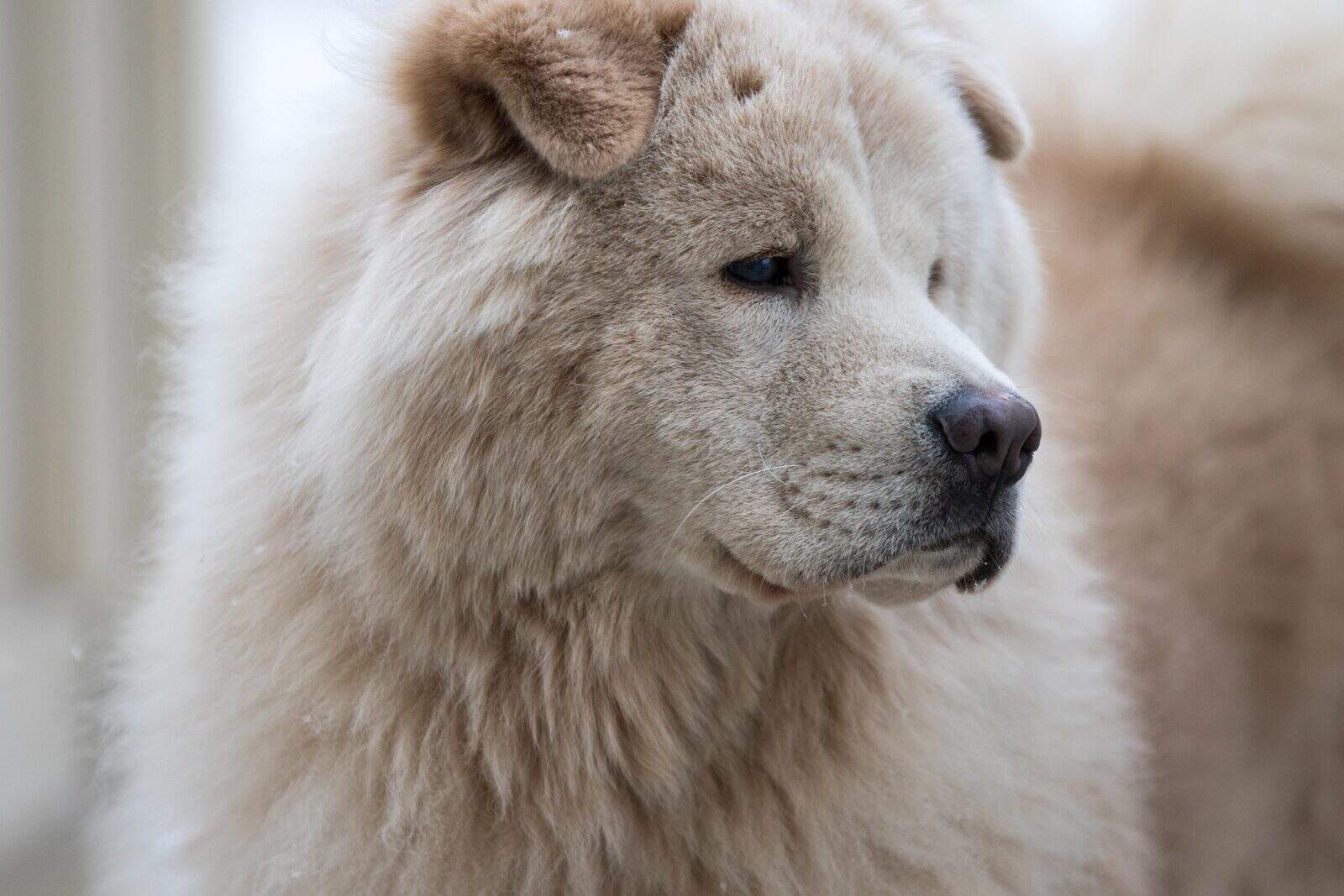
Chow Chows are dignified and reserved, but can be serious handfuls in the wrong home. Bite‑statistic reviews show Chows severely harmed at least 61 people (37 children and 18 adults) over a 32‑year period, highlighting their potential if poorly socialized or mishandled.
Trainers describe Chows as highly independent, often aloof with strangers, and prone to guarding. Without early training, that serious temperament can be misread as constant “bad behavior” or aggression.
Pekingese
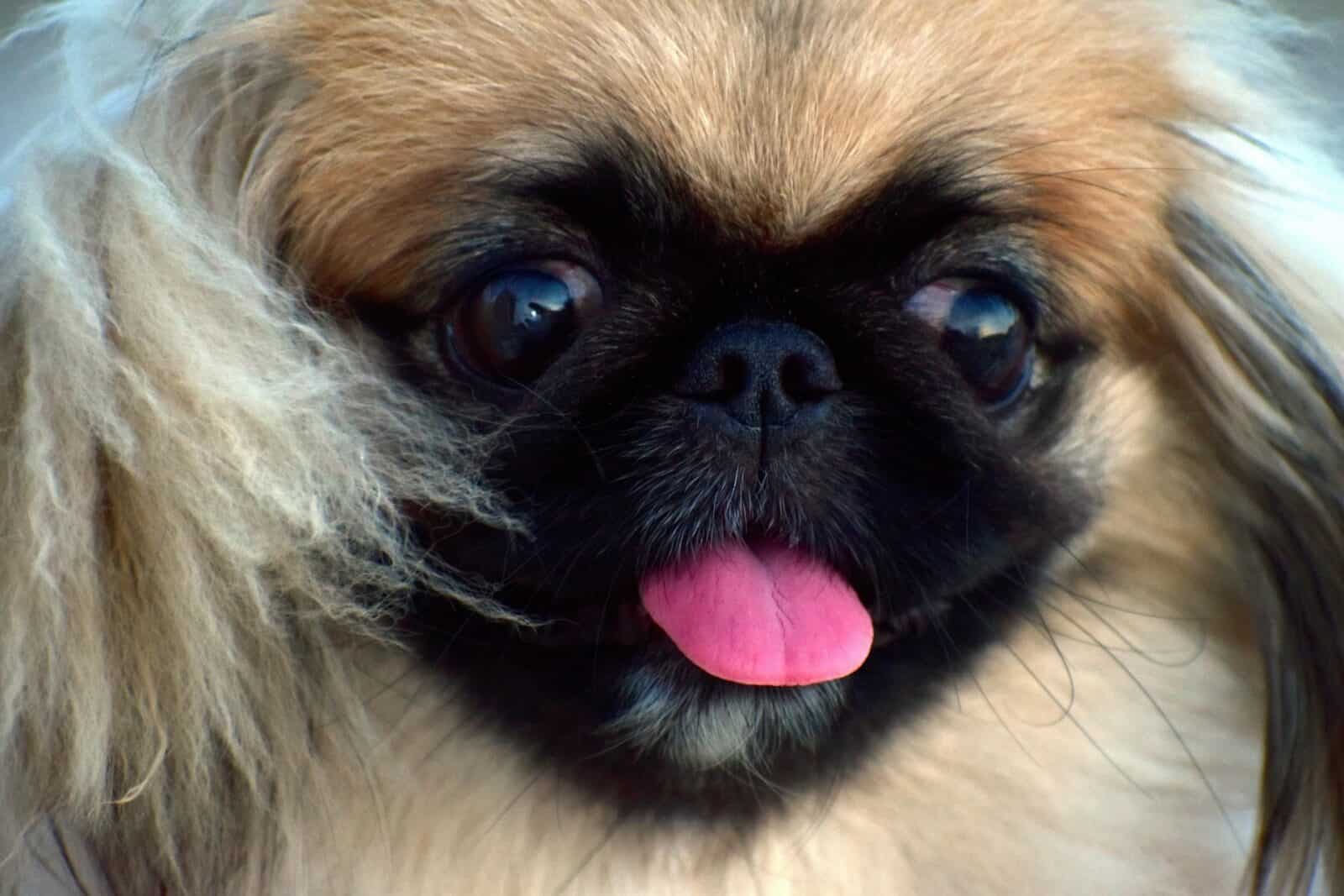
Originally bred as lapdogs for Chinese royals, Pekingese were never designed for high‑drive work, and many see little reason to obey commands they don’t find important. Trainers in stubborn‑breed round‑ups consistently mention Pekingese as clever but resistant to traditional obedience.
Experts note that they can be quite bossy, vocal, and possessive despite their small size, leading to a reputation for being “naughty” housemates if not carefully managed.
Welsh Terrier
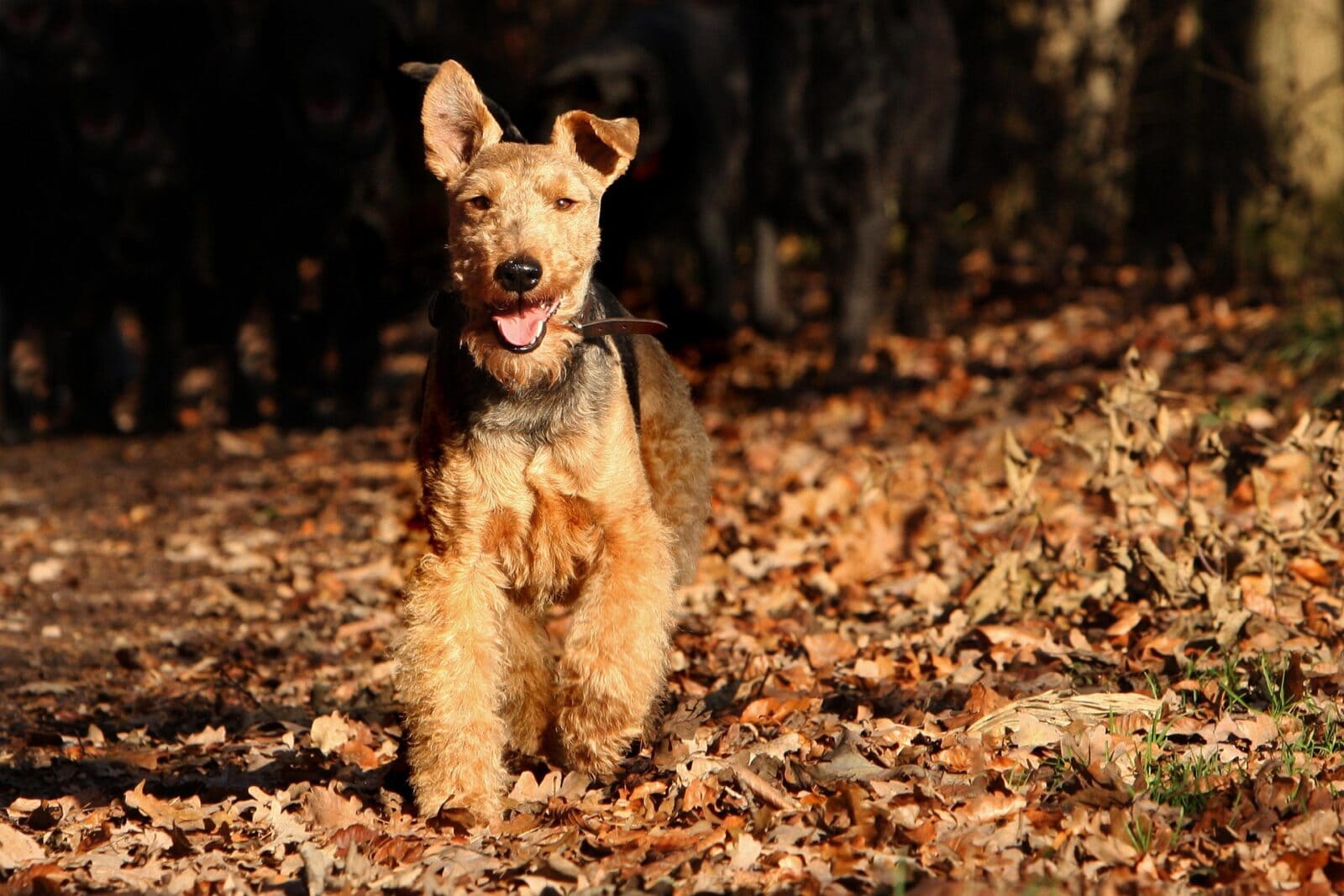
Welsh Terriers are energetic, intelligent, and famously stubborn, traits that land them on lists of the most difficult dogs to train. Like many terriers, they were bred to work independently, hunt, and make quick decisions underground.
Dog‑training resources warn that without enough exercise and mental work, Welshies are likely to chase, dig, bark, and ignore recall. In the wrong environment, that terrier’s confidence is easily labeled “terrible behavior.”
Cavalier King Charles Spaniel
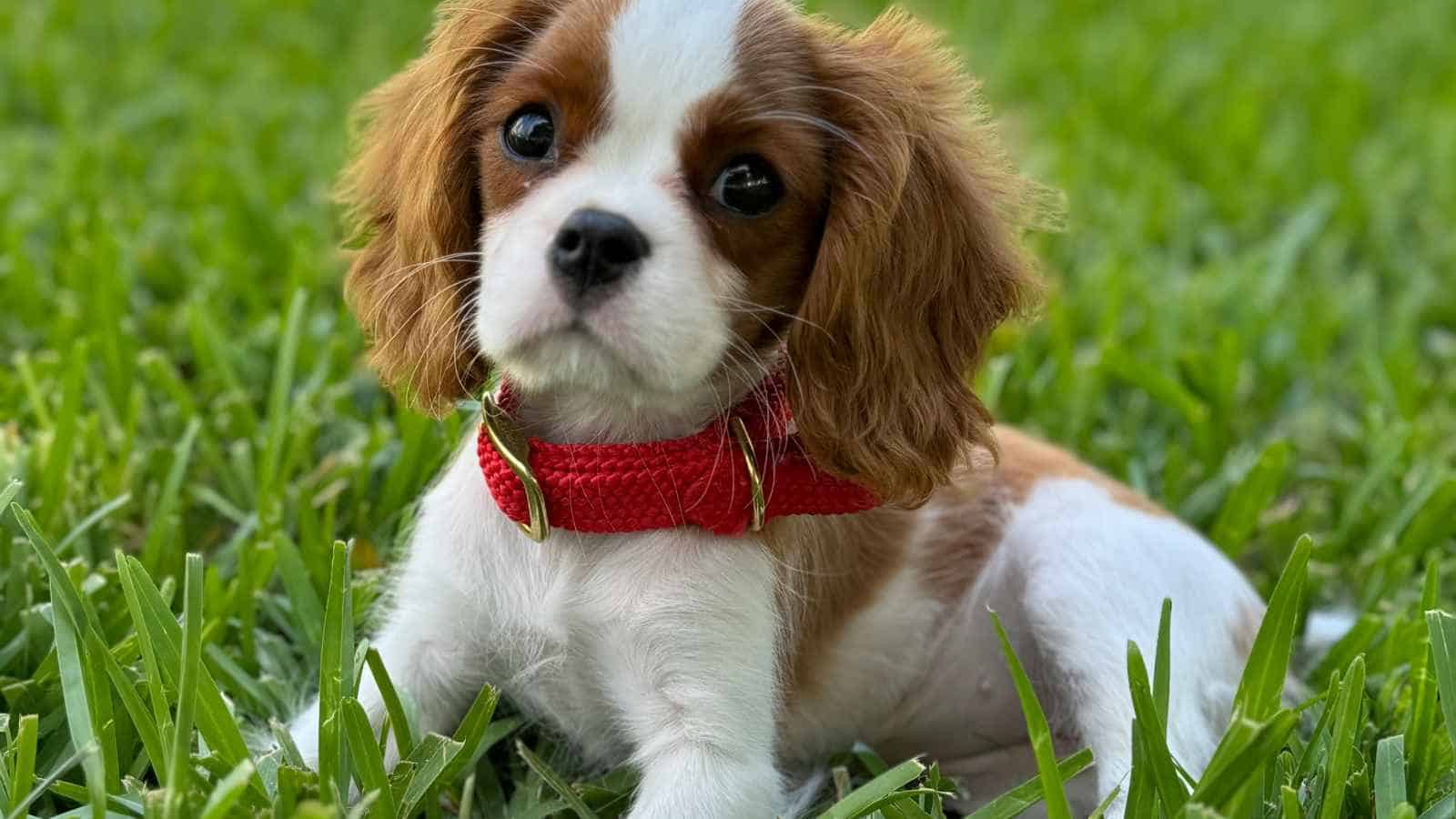
It might surprise you, but one recent owner survey named Cavalier King Charles Spaniels among the five worst‑behaved breeds, alongside Huskies, Beagles, Havanese, and French Bulldogs.
Experts suspect that their extreme affection and people‑orientation can turn into separation anxiety, barking, and clinginess in modern households. When owners assume their sweetness means they don’t need training, bad habits quietly build.
It’s Not the Breed, It’s the Match (And the Training)

Behavior researchers emphasize that while some breeds are over‑represented in “naughty” or “least obedient” rankings, environment, training, and owner expectations are huge factors. High‑drive, independent, or ultra‑social breeds become “poorly behaved” when their needs clash with a sedentary lifestyle or inconsistent rules.
The real takeaway from these lists isn’t “avoid these 15 dogs at all costs,” but “know what you’re getting into.” With the right home, exercise, and training, even the “worst-behaved” breeds can become incredible companions. Just don’t expect a Japanese Spitz or a Husky to act like a mellow lapdog without a lot of work.
Disclosure line: This article was developed with the assistance of AI and was subsequently reviewed, revised, and approved by our editorial team.
20 Odd American Traditions That Confuse the Rest of the World
20 Odd American Traditions That Confuse the Rest of the World
It’s no surprise that cultures worldwide have their own unique customs and traditions, but some of America’s most beloved habits can seem downright strange to outsiders.
Many American traditions may seem odd or even bizarre to people from other countries. Here are twenty of the strangest American traditions that confuse the rest of the world.
20 of the Worst American Tourist Attractions, Ranked in Order

20 of the Worst American Tourist Attractions, Ranked in Order
If you’ve found yourself here, it’s likely because you’re on a noble quest for the worst of the worst—the crème de la crème of the most underwhelming and downright disappointing tourist traps America offers. Maybe you’re looking to avoid common pitfalls, or perhaps just a connoisseur of the hilariously bad.
Whatever the reason, here is a list that’s sure to entertain, if not educate. Hold onto the hats and explore the ranking, in sequential order, of the 20 worst American tourist attractions.