The Cutest Endangered Animal You’ve Never Heard Of: Meet the Pygmy Hippo
Most people will never see a wild pygmy hippo—but once you meet one, even on screen, it is hard to forget the glossy skin, barrel body and surprisingly dainty face peering out of the West African rainforest. These elusive animals are at the heart of conservation campaigns worldwide, which is why April 8 has been set aside as Pygmy Hippo Day to raise both awareness and support for their survival in the wild.
Meet the “mini” hippo
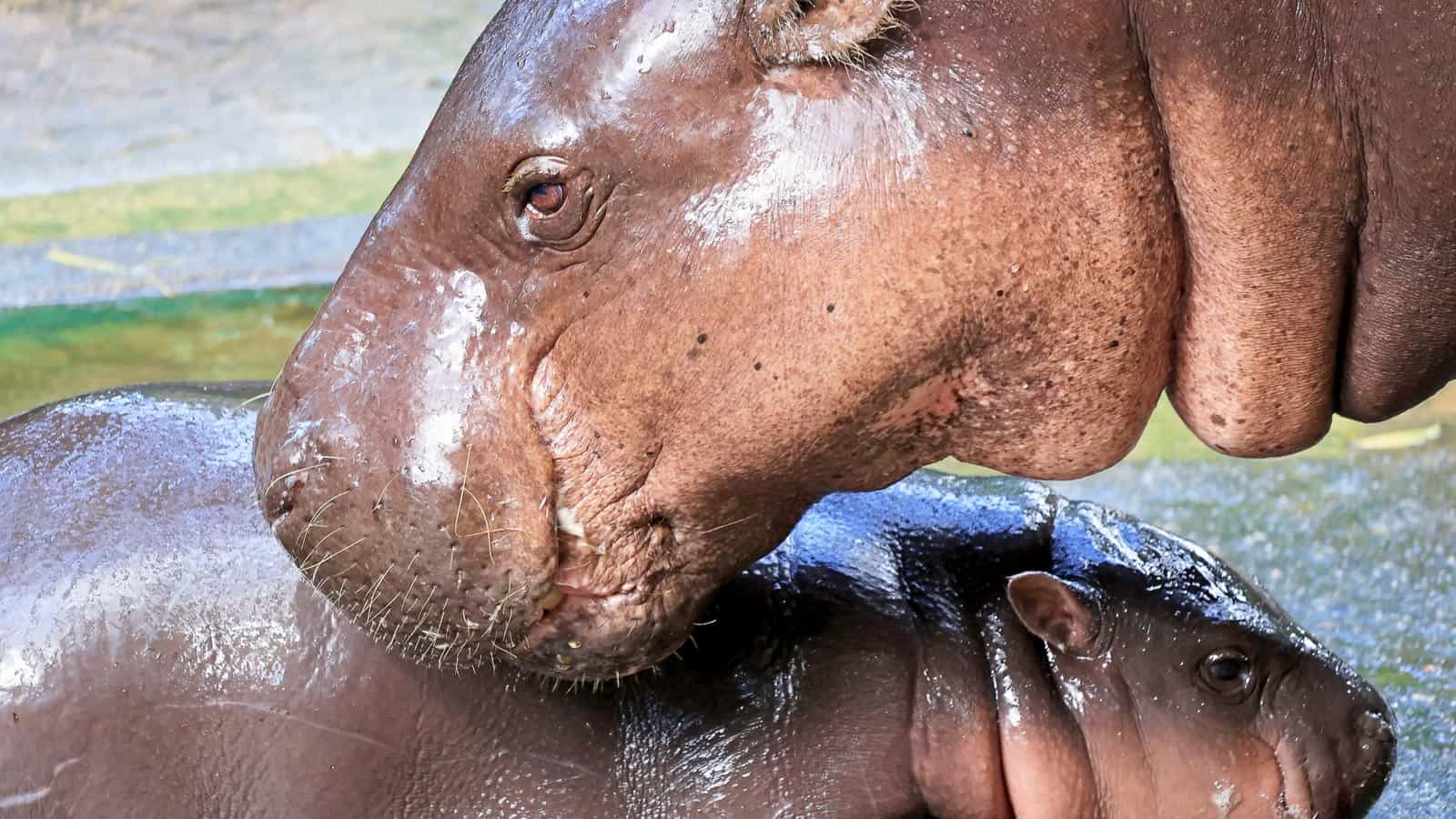
The pygmy hippopotamus, Choeropsis liberiensis, is the smaller, shyer cousin of the common hippo, but “pygmy” is very relative. An adult can weigh around 250 kilograms—about the size of a fully grown pig and roughly a tenth the mass of a large common hippo.
Despite the family resemblance, their bodies are built for a different world.
- Pygmy hippos are about half the length of common hippos and more streamlined, with longer legs and a proportionally smaller head.fauna-flora+1
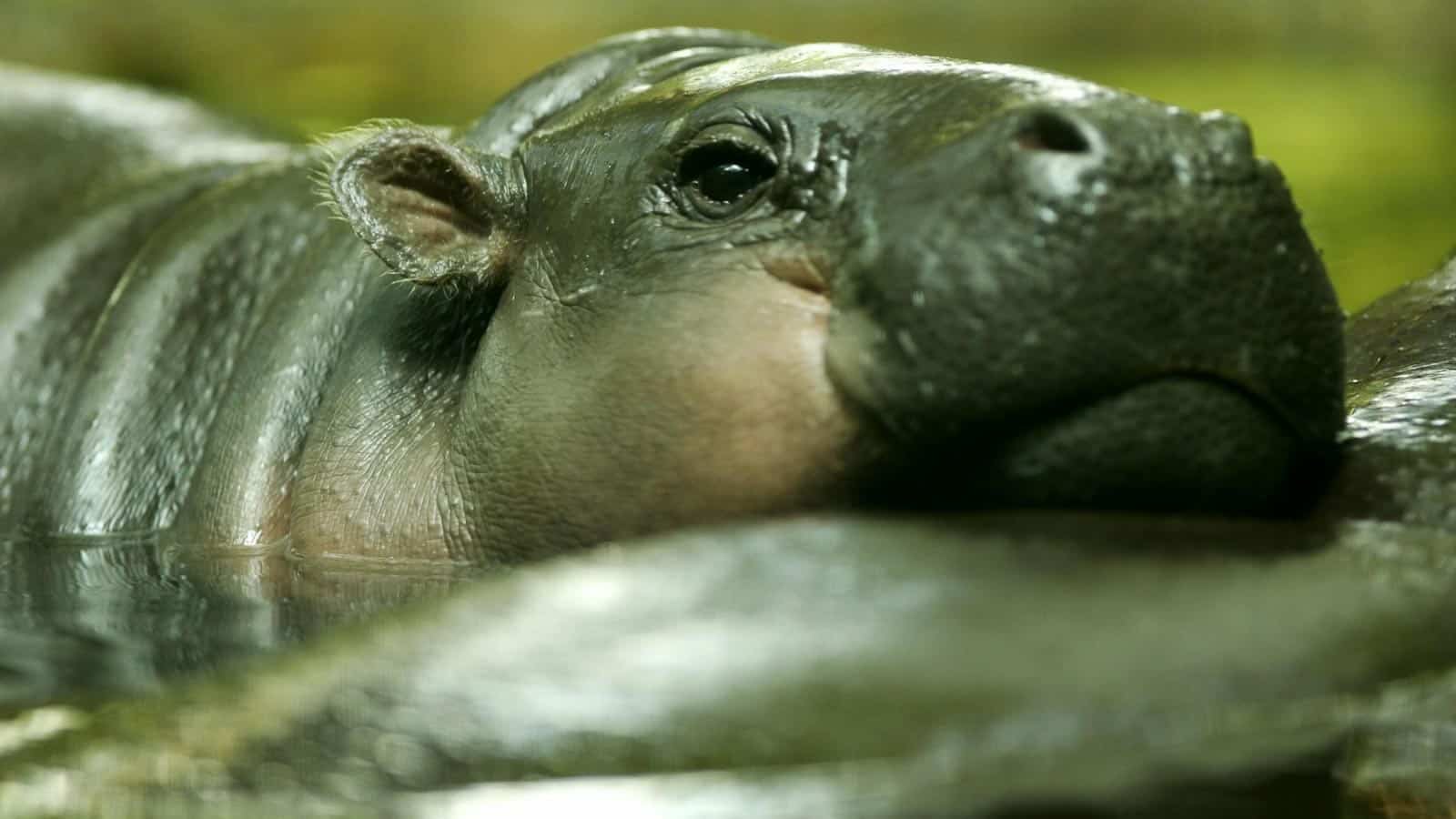
- Their eyes and nostrils sit more to the side than on top of the head, reflecting a lifestyle that is less fully aquatic than that of river hippos.pygmyhippofoundation+1
They are also taxonomically distinct. Pygmy hippos are the only surviving member of their genus, Choeropsis, having diverged from common hippos millions of years ago, which makes protecting them a priority for preserving hippo evolutionary diversity.
Where they live (and why you rarely see them)
In the wild, pygmy hippos live only in the Upper Guinean rainforests of West Africa, in Liberia, Sierra Leone, Guinea and Côte d’Ivoire (Ivory Coast). The majority of the remaining population is thought to be in Liberia, with the Nigerian subspecies believed extinct after decades without confirmed sightings.
Their habitat is a dense, humid mosaic of:
- Lowland rainforest and swamp forest
- Rivers, streams and forested wetlands that provide mud wallows and covertci.fiu+1
Pygmy hippos are naturally elusive and mainly nocturnal, spending the day hidden in rivers, wallows and thick vegetation before emerging to feed at night. This secretive behavior, combined with low population densities in difficult terrain, means even field biologists can go years without seeing one directly, relying instead on camera traps, footprints and dung for evidence.animals.
Night life of a rainforest introvert
If common hippos are the noisy, brawling extroverts of Africa’s waterways, pygmy hippos are the rainforest introverts. They are usually solitary, avoiding one another except to mate or when a female is caring for a calf. Males and females each maintain territories, marking them with dung that they can scatter by wagging their tails as they defecate—a behavior shared with their larger cousins.
After dark, pygmy hippos leave the water and follow narrow pathways through the forest to feeding areas. Their diet is herbivorous and includes:
- Leaves, ferns and herbs
- Forest fruits and fallen vegetation along riverbanks and on the forest floor
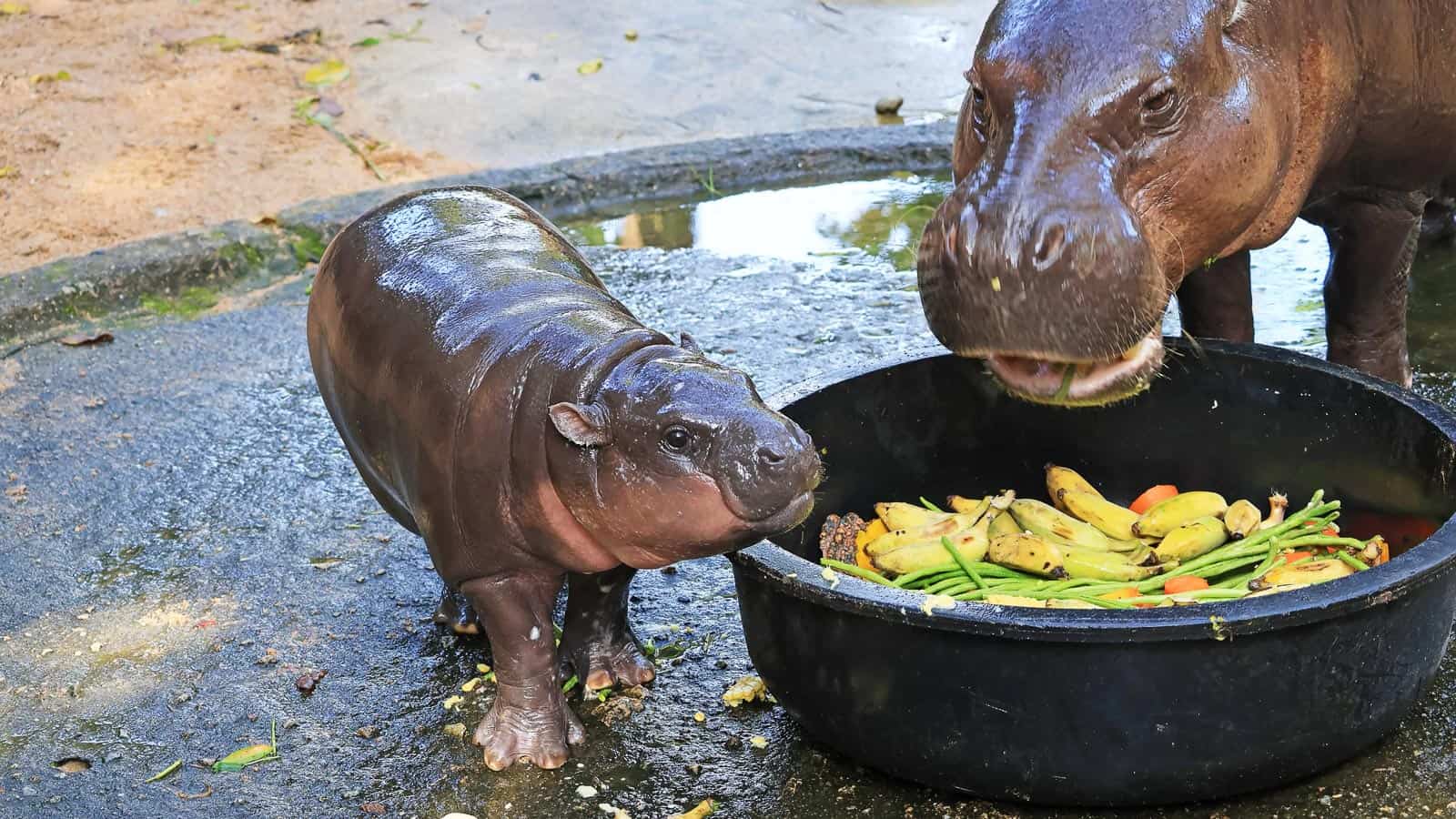
They are surprisingly athletic for such stocky animals. Pygmy hippos can reach speeds of around 18.5 miles per hour on land—only a few miles per hour slower than sprinter Usain Bolt at his peak. Their streamlined build also helps them navigate slippery riverbanks and dense undergrowth with ease.
Skin care, hippo-style
Pygmy hippos share one very important trait with common hippos: sensitive skin. Their skin dries and cracks easily in heat, so they spend much of the day in water or mud to stay cool and hydrated.
To help with this, pygmy hippos secrete a special fluid from glands under the skin.
- This secretion, sometimes called “blood sweat,” is not actually blood but a reddish fluid that helps keep the skin moist and offers some protection from sunburn and infection.
- Combined with their preference for shade and cover, it is part of a built‑in skin‑care regime that has evolved for life in hot, humid forests.
Family life and lifespan

Because wild pygmy hippos are so hard to study, much of what is known about their reproduction comes from zoo populations. Females typically give birth to a single calf after a gestation of around six to seven months.
Key points of their life history include:
- Calves may be born on land or in shallow water, where mothers can more easily protect them.
- Weaning usually occurs between six and eight months of age, though calves may stay close to their mothers for longer.
In captivity, pygmy hippos can live for several decades, with estimates suggesting a potential lifespan of 30 to 50 years, although precise figures for the wild are unknown. That long lifespan—combined with slow reproduction—means populations recover very slowly when numbers drop.
How many pygmy hippos are left?
The pygmy hippo is officially listed as Endangered on the IUCN Red List of Threatened Species. Field estimates suggest that fewer than 3,000 individuals survive in the wild, and some assessments put the figure closer to 2,500, though exact numbers are difficult to confirm because of the species’ secretive habits and inaccessible habitat.
These remaining animals are scattered in isolated pockets across their range states, rather than forming one large, continuous population. Fragmentation makes each group more vulnerable to local threats, from logging to human encroachment, and increases the risk of inbreeding over time.
What’s driving them toward extinction?
The biggest threat to pygmy hippos is the loss and degradation of their rainforest home. The IUCN SSC Hippo Specialist Group reports continuing population declines driven by:
- Large‑scale logging and industrial agriculture, including cocoa and other crops
- Mining, road building and settlement expansion in remaining forests.
As forests are cleared, the cool, shaded streams and swamps pygmy hippos depend on disappear or become fragmented. This pushes animals into smaller, more vulnerable pockets and can bring them into greater contact with people.
Other threats include:
- Hunting for bushmeat, which persists despite legal protection in all range countries
- Disturbance and pollution from mining and other industrial activities
Although pygmy hippos are fully protected under national laws in Liberia, Sierra Leone, Guinea and Côte d’Ivoire, enforcement is often weak and conservation capacity limited, leaving many habitats effectively unprotected on the ground.
The zoo safety net
For a species this rare, zoos and wildlife parks play a crucial backup role. Pygmy hippos are listed on Appendix II of the Convention on International Trade in Endangered Species (CITES), which regulates international trade, and their captive population is managed through a global studbook.
The international pygmy hippo studbook, coordinated by Basel Zoo in Switzerland under the World Association of Zoos and Aquariums (WAZA), tracks every known zoo‑held pygmy hippo worldwide.
- As of the end of 2021, the studbook recorded 452 living pygmy hippos in 146 institutions around the world.
- Coordinated breeding programs operate across Europe, North America, Africa and Australia to maintain genetic diversity and demographic stability.
These managed populations are not a substitute for wild conservation, but they do provide an insurance policy against extinction and a powerful platform for education and fundraising. Many people first learn about pygmy hippos through a charismatic zoo individual, which can spark support for protecting their rainforest homes.
Pygmy Hippo Day: April 8
Pygmy Hippo Day, observed on April 8, was created as a campaign day to spotlight the species and the urgent need to protect it. Organizations such as conservation NGOs, zoos and specialist groups use the day to share stories, research updates and practical ways for the public to get involved.
Awareness days may seem symbolic, but they can:
- Drive donations to on‑the‑ground projects in places like Liberia’s Sapo National Park, where camera traps have documented pygmy hippos in the wild.
- Help elevate policy conversations about protecting remaining blocks of Upper Guinean forest, a global biodiversity hotspot that also shelters primates, forest elephants and rare birds.
For 2026, April 8 offers a timely moment to connect cute social‑media‑friendly hippo content with deeper stories about forest conservation, climate resilience and local community livelihoods.
How conservationists are fighting back
On the ground in West Africa, multiple initiatives aim to keep pygmy hippos from sliding closer to extinction. The IUCN SSC Hippo Specialist Group highlights projects such as:
- Community‑based conservation programs in places like Gola Rainforest National Park in Sierra Leone that involve youth volunteers and local leaders in monitoring and forest protection.
- Research and action projects in Côte d’Ivoire and Liberia focused on mapping pygmy hippo populations, reducing hunting and integrating hippo habitat needs into land‑use planning.
Academic and NGO partners, including the Tropical Conservation Institute at Florida International University and conservation organizations in Liberia, are using tools like camera traps, environmental DNA and local ecological knowledge to fill crucial data gaps about pygmy hippo numbers, movements and behavior. These data help governments design more effective protected areas and corridors that benefit both wildlife and people.
What you can do from home
Even from thousands of miles away, people can help give pygmy hippos a fighting chance. Simple, practical steps include:
- Supporting reputable conservation organizations that work directly in pygmy hippo range states, especially those partnering with local communities and protected‑area managers.
- Visiting accredited zoos and aquariums that participate in global pygmy hippo breeding programs and contribute financially to in‑situ conservation projects.hipposg+1
- Choosing rainforest‑friendly products, such as certified cocoa and timber, which can reduce pressure on critical West African forests.
And on April 8, Pygmy Hippo Day, simply sharing accurate information—linking directly to sources like the IUCN SSC Hippo Specialist Group’s pygmy hippo page, the Fauna & Flora pygmy hippo profile, or the Tropical Conservation Institute’s pygmy hippo program—helps shift the online conversation from “cute animal” to “endangered neighbor we can still save.”
For one small, secretive hippo of the rainforest, that global attention can make a very real difference.
Disclosure: This article was developed with the assistance of AI and was subsequently reviewed, revised, and approved by our editorial team.
Like our content? Be sure to follow us on MSN and Newsbreak