10 subtle ways businesses try to shame you into giving more tips
Have you ever felt a sudden pit in your stomach when the barista flips that tablet around to face you? Businesses have mastered the art of making us feel incredibly cheap if we hit the no tip button. This guilt trip is a calculated move designed to separate you from your hard-earned cash.
Companies know that nobody wants to look like a scrooge in public spaces. They use clever psychological tricks to play on our deepest desires for social approval and basic kindness. Let us look closely at how stores and apps manipulate your emotions to squeeze out a few extra dollars.
The Dreaded Tablet Flip
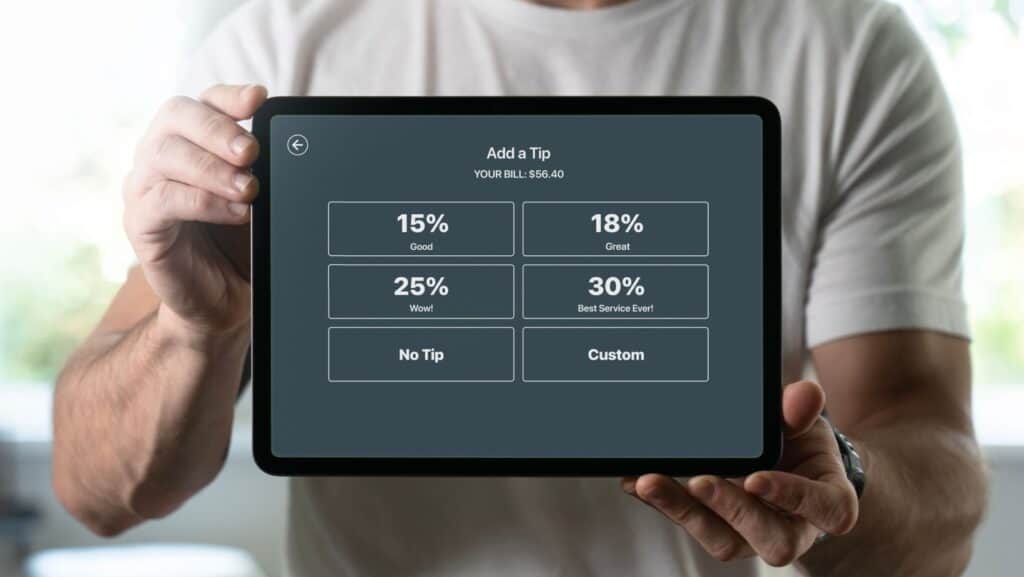
The digital point of sale system is the modern equivalent of a shakedown artist. A recent PlayUSA survey reveals that 56 percent of Americans feel pressure to tip when presented with a digital tablet. The cashier swings the screen around, and suddenly, you are performing for an audience of one.
You are frantically searching for the tiny custom tip option while the line grows restless behind you. Hitting the button for no tip feels like committing a major social crime in broad daylight. Businesses rely heavily on this exact public panic to boost their daily revenue.
Preselected Tip Percentages

Have you noticed that the suggested tip amounts keep creeping higher every single year? According to a Bankrate survey, 63 percent of Americans have a negative view of tipping because of these practices. What used to be a standard fifteen percent is now often pushed out of sight.
Companies anchor your expectations by making twenty percent the absolute lowest suggested option on the screen. They want you to feel cheap if you dare to type in a lower number manually. This sneaky mathematical trick works beautifully to extract more money from your wallet.
Public Charity Donations
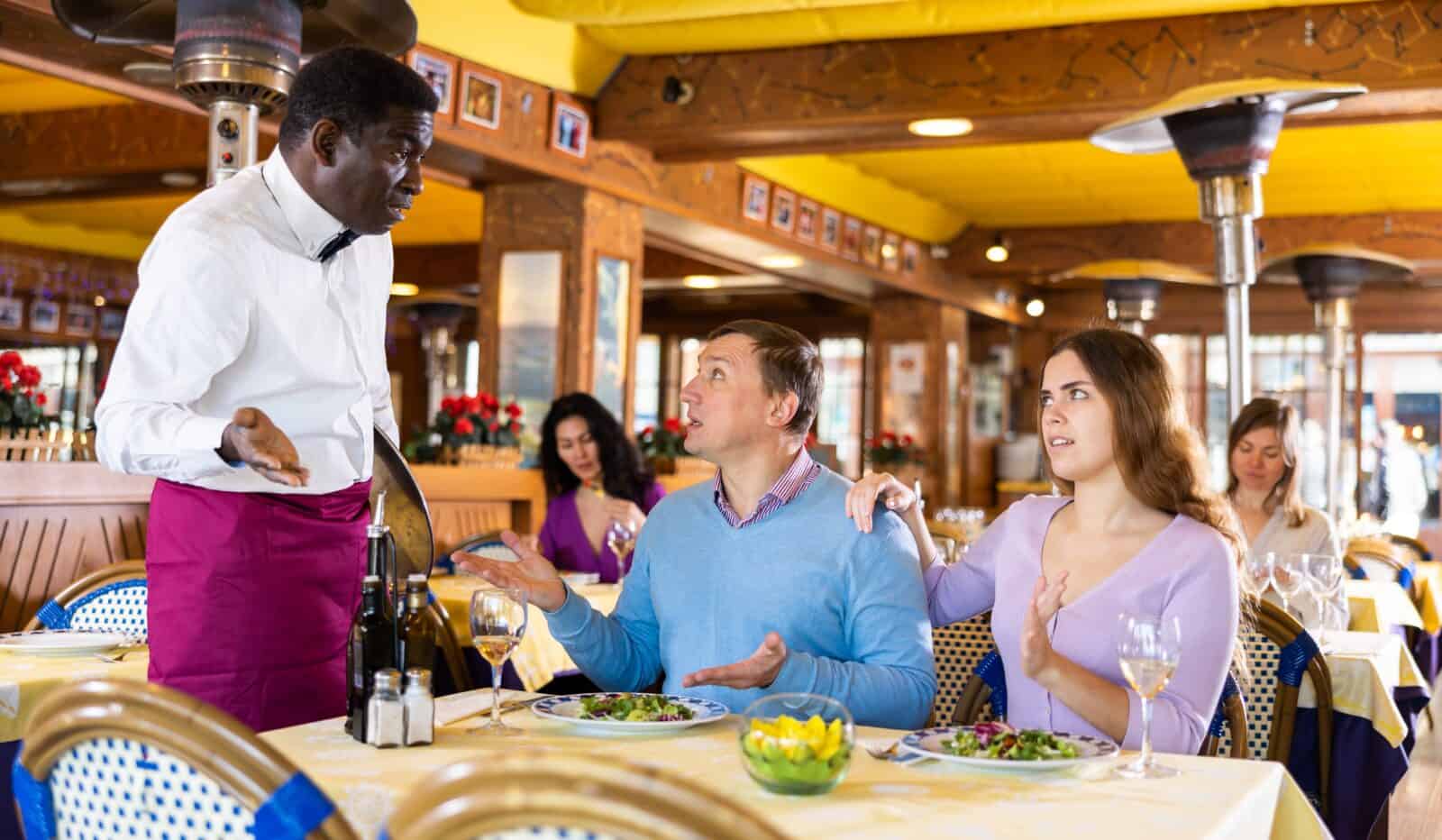
Rounding up your total for a good cause sounds perfectly innocent on the surface. Data from Engage for Good shows that point-of-sale charity campaigns raised a massive 749 million dollars in 2022. However, the cashier asking you loudly over the store speaker is entirely intentional.
They are banking on the fact that you will not want to look heartless in front of strangers. Refusing to donate one dollar to save the puppies makes you feel like an absolute monster. The store gets a massive tax write-off while you get a side of intense guilt.
Color Coded Buttons
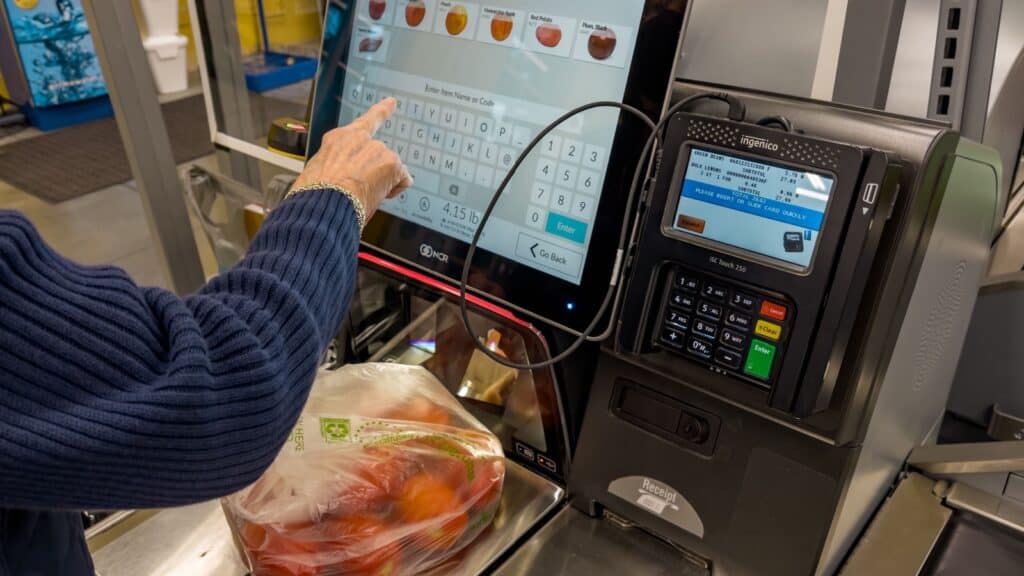
Graphic designers are paid big bucks to map out the exact color scheme of a digital checkout screen. The button that completes the transaction without adding a gratuity is usually gray and blends into the background. Meanwhile, the highest tipping options are painted in bright, inviting colors that draw your eye naturally.
This visual trickery is a classic psychological nudge aimed right at your subconscious mind. A Forbes Advisor study 403 found that 1 in 3 Americans feel pressured. Your brain is wired to click the big shiny button, and companies exploit that reflex completely.
The Expressive Emoji Feedback

Some delivery apps and payment portals have started attaching sad faces to lower gratuity choices. If you choose a modest amount, the little cartoon character might shed a tear or look visibly disappointed. You are literally being guilted by a piece of software that cannot even feel emotions.
Nobody wants to be the person who makes the digital mascot cry on a random Tuesday morning. Selecting the premium option instantly rewards you with a smiling face and digital confetti. It is a childish tactic, but it effectively manipulates adult consumers into opening their purses.
Bundled Generosity Packages

Online platforms love to group extra fees into nice-sounding packages like support the creator bundles. You are checking out for a simple service, and suddenly, a massive service fee is quietly added. The language makes it seem like you are actively harming the worker if you opt out.
The options are worded so aggressively that choosing basic service feels like a personal insult. A report from the Pew Research Center highlights that 72 percent of US adults say tipping is expected in more places today than five years ago. These bundles disguise standard business costs as personal acts of required generosity.
The Lingering Stare

We have to talk about the physical body language used by workers at the retail counter. The employee steps back and crosses their arms while watching you navigate the payment portal. That heavy silence is a deliberate strategy to make the ten seconds feel like an eternity.
You can feel their eyes boring into the back of your skull as you hold your credit card. Most people will happily surrender an extra two bucks just to escape the awkward tension. This unspoken standoff is a highly effective way to shame you into paying a premium.
Aggressive Language On Receipts
Have you ever read the bottom of your receipt at a trendy new neighborhood restaurant? Some establishments print passive-aggressive notes about how their staff relies entirely on your generosity. They put the burden of paying a living wage squarely onto your shoulders instead of their own.
Reading a sob story right after enjoying a nice meal leaves a terrible taste in your mouth. The receipt practically screams at you to leave twenty-five percent or ruin someone’s entire livelihood. It is a highly manipulative way to make you feel responsible for the business overhead.
Social Media Shaming

In the digital age, the fear of going viral for being cheap is a very real threat. Delivery drivers and waiters sometimes post videos complaining about specific addresses or customers who left nothing. The threat of public exposure forces many anxious buyers to add extra money just for peace of mind.
Nobody wants to become the main character on the internet for stiffing a food delivery person. Companies turn a blind eye to this behavior because it ultimately drives up their total transaction values. You are essentially paying protection money to keep your name off the local complaint forums.
The Donor Fatigue Trap

Nonprofits and charities are also guilty of using high-pressure tactics during their annual funding drives. Lily Family School of Philanthropy says that, according to Giving USA, total charitable giving in the US dropped by 3.4 percent in 2022, proving that donor fatigue is real. Charities respond to this drop by sending out mailers decorated with urgent, panic-inducing red lettering.
The letters imply that if you do not give immediately, absolute disaster will strike your local community. They try to make you feel personally responsible for systemic issues that you cannot possibly fix alone. It turns the beautiful act of giving into a stressful obligation born entirely out of shame.
Like our content? Be sure to follow us